How to Protect a Lacquered Chaise Lounge in Singapore’s Humid Climate
A lacquered chaise lounge can make an HDB flat feel composed and visually spacious, but Singapore’s heat, humidity, ultraviolet exposure, and frequent cleaning can gradually stress the finish. A well-built solid wood sofa, bed frame, dining table, wardrobe, nightstand, or marble table may share the same air-conditioned interior, yet each surface responds differently to water, salts, oils, and daily contact. Lacquer is comparatively quick to inspect and maintain: the difference between wiping a mark promptly and leaving it for several weeks can be the difference between a light polish and a repair.
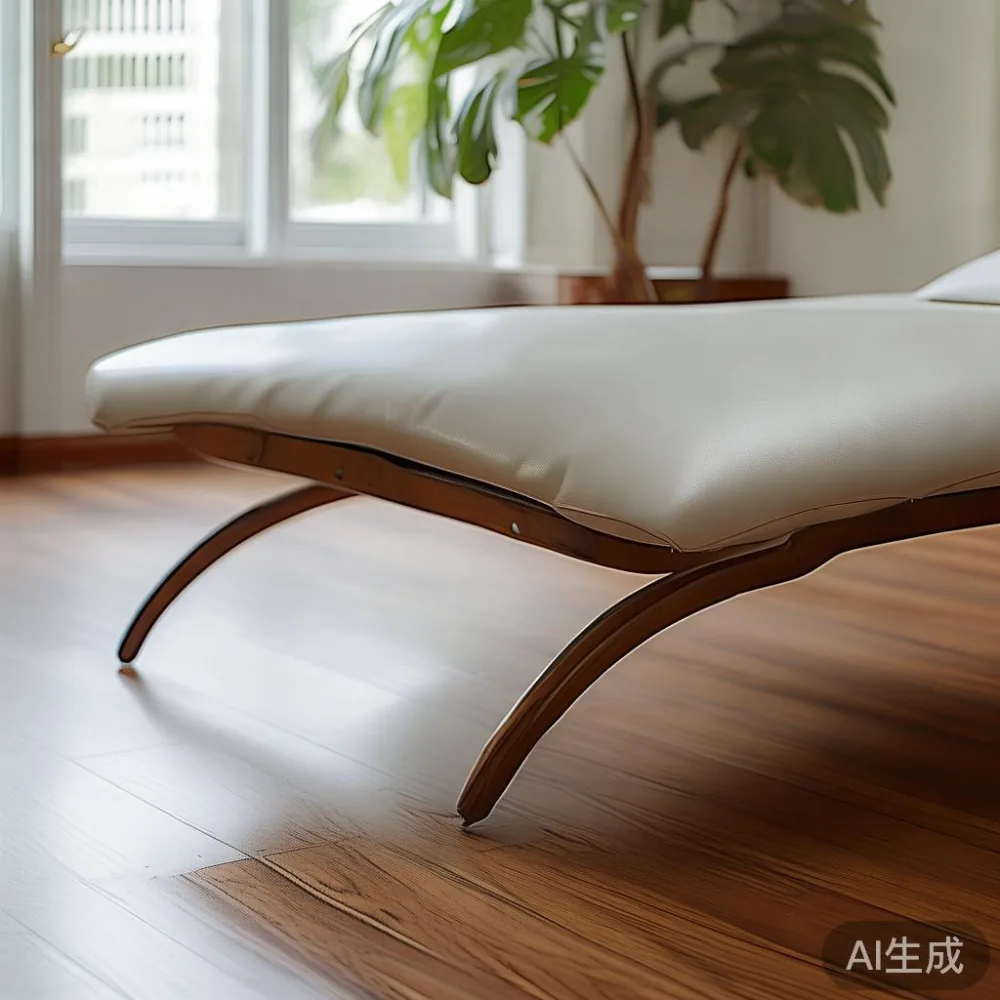
This guide focuses on lacquered chaise lounge seating, including how to assess a finish, control moisture, clean safely, handle scratches, and plan for long-term care. It is designed for Singapore homes in Tampines, Bedok, Punggol, and other HDB or condo settings where a lift may measure roughly 110 cm wide, a corridor may narrow to about 150 cm, and tropical sunlight enters through east- or west-facing windows.
What makes lacquer vulnerable in Singapore?
Lacquer is not simply one uniform material. A chaise lounge may use water-based lacquer, oil-modified lacquer, polyurethane, or a catalysed finish over engineered board or solid timber. The exact system matters because water-based lacquer can generally tolerate careful damp cleaning, while solvent-sensitive or factory-applied surfaces may haze, soften, or lose sheen when exposed to the wrong product.
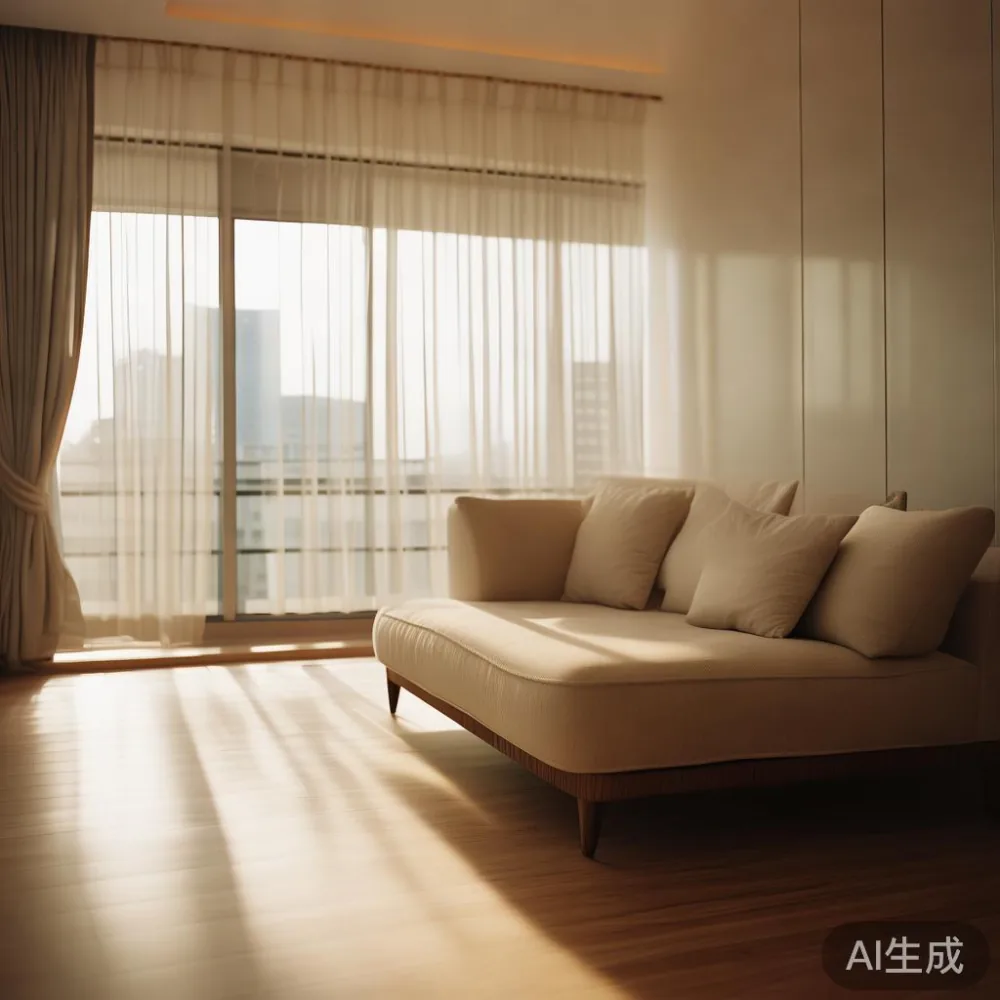
Singapore’s outdoor relative humidity often ranges from about 65% to 90%, and indoor humidity can remain above 60% in a flat with frequent cooking, showering, drying laundry, or open windows. Keep the chaise lounge at least 30 cm from a window, 60 cm from a bathroom doorway where practical, and 20 cm from an air-conditioner’s direct airflow. These distances reduce ultraviolet fading, condensation, dust deposition, and rapid temperature changes.
Direct sun can be more damaging than an isolated spill. A west-facing window in Bedok may deliver several hours of strong afternoon light, while a Punggol balcony or glass wall may create reflected glare onto the finish. Use curtains that filter approximately 50% to 70% of visible light rather than relying on a dark cloth that may block daylight. If the chaise lounge sits below a window, check the finish every 2 months for uneven colour, especially on pale lacquer.
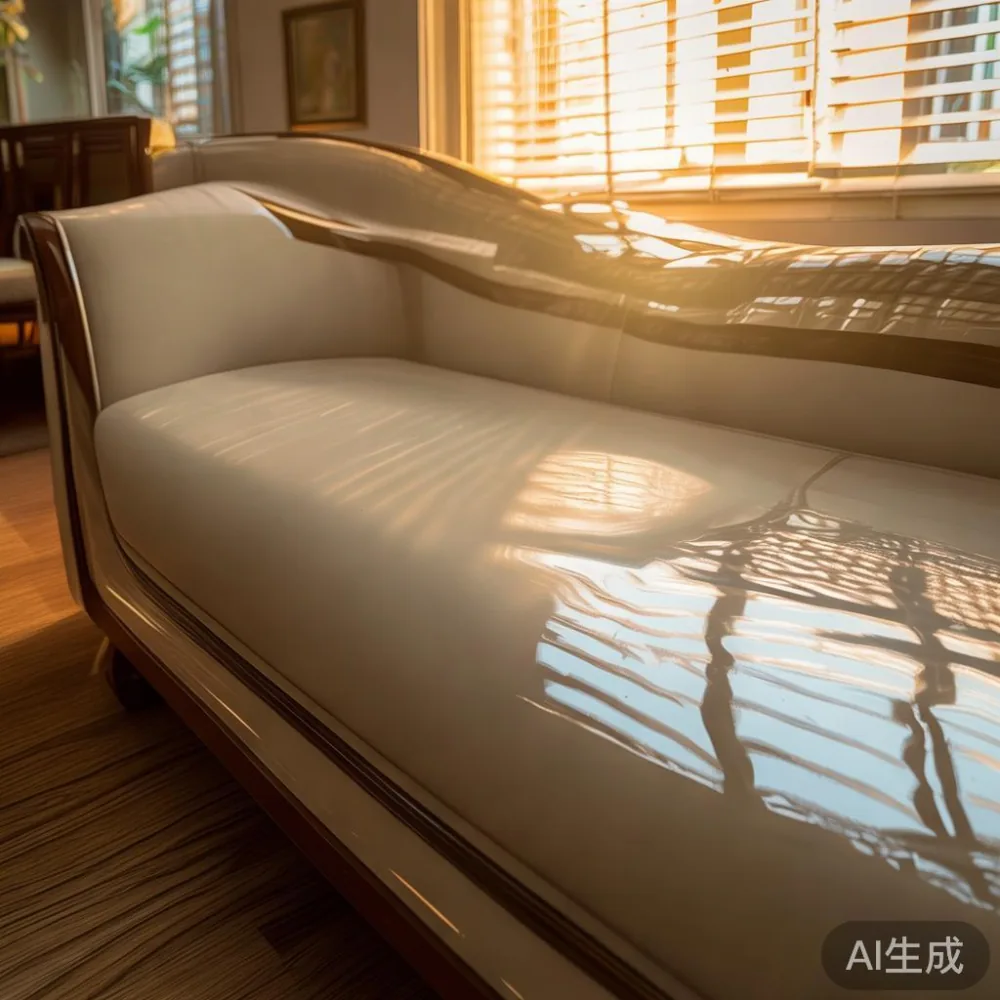
For design comparisons, a French light-luxury chaise lounge with restrained profiles may show fingerprints less visibly than a very dark gloss finish. American light-luxury pieces often use generous cushions and broad horizontal planes, which can collect sweat and skin oils. Post-modern light luxury may pair lacquer with warm timber, brushed metal, or stone; those combinations still require careful separation of abrasive and damp cleaning.
How should I clean a lacquered chaise lounge?
Start with the least aggressive method: use a clean, soft microfibre cloth and a small amount of plain water. Wring the cloth until it is damp, not dripping. Test a 10 cm by 10 cm area for 10 minutes, especially on a factory finish, then inspect for dullness, colour transfer, tackiness, or a changed sheen. If those appear, stop and ask the supplier for the coating specification.
For routine cleaning, follow a repeatable sequence: vacuum or dust the chaise lounge every 7 days; wipe the frame every 14 days; and clean armrests, seams, and cushions every 2 to 4 weeks depending on use. A handheld vacuum with a brush attachment removes grit before it becomes an abrasive. Avoid pressing hard into crevices, where a loose fibre can scratch lacquer.
Use pH-neutral liquid diluted according to its label, normally 5 ml in 500 ml of water, only if the finish manufacturer permits it. Spray the cloth rather than the chaise lounge, keeping at least 15 cm between nozzle and upholstery. Wipe in the direction of the grain, then dry with a second clean cloth within 2 minutes. Do not use vinegar at 5% acidity, ammonia, bleach, alcohol-based glass cleaner, dish soap, alkaline bathroom cleaners, or baby wipes unless a specialist has confirmed compatibility.
Spills should be treated within 5 minutes where possible. Blot liquid rather than rubbing it. For an oil mark, place a clean paper towel over the spot, press lightly for 30 seconds, then repeat with a fresh towel. Do not use a kitchen sponge, wire wool, scouring powder, or magic eraser. Those products can create microscopic scratches that become visible under a gloss finish within 1 or 2 months.
A lacquered frame is only one part of the chaise lounge. Clean the solid wood components with a barely damp cloth, and follow the separate care label for fabric or leather cushions. On a marble table, use a neutral cleaner suitable for stone, never one intended for lacquer. A Mid-century modern coffee table may have wood, stone, and lacquer in one composition, so cleaning each material according to its own instructions prevents cross-contamination.
How do I remove scratches without damaging the coating?
First determine whether the mark is in the lacquer, the clear coat, or the substrate. A fingernail that catches lightly on a mark may indicate a deeper defect; a fingernail that slides over a shiny line is more often a superficial scratch. Use a clean coin or plastic card only to test the edge, not to scrape the surface. Avoid testing with a key, which can leave a gouge.
For a light surface scratch, take a soft, lint-free cotton cloth, dampen it with water, and make short movements along the grain of the surrounding finish for 30 seconds. A lacquer-safe polishing compound can help, but use less than a pea-sized amount and test it on an inconspicuous 2 cm square. Never apply abrasive compound to a black or dark finish without a supplier recommendation, because residue can lighten the colour.
For deeper scratches, stop home treatment. A through-coat scratch exposing timber or board needs a furniture finisher, while a scratch reaching bare metal needs anti-corrosion treatment. Photograph the damage in daylight, measure the affected length to the nearest 1 cm, and include the finish type if requesting advice. This avoids guessing at colour matching.
Choose a repair service that understands the chaise lounge’s construction rather than treating it as a generic painted object. A finish may need to be feathered over 20 mm, matched with a stain, and sealed with 2 thin lacquer coats, each allowed to cure properly. Deep repair may cost from SGD 120 to SGD 350 for a small area, while refinishing a larger section can reach SGD 450. Obtain 2 written quotations and ask whether the quoted work includes the 10-year structural coverage implications.
What should I do about sweat, salt, and coastal air?
Salt is hygroscopic: it draws moisture from the air and can leave a gritty residue on a lacquered surface. In a condo near the coast, wipe accessible chaise lounge armrests with a lightly damp cloth every 7 days, then dry them immediately. In an HDB block away from the sea, use the same schedule if windows remain open or laundry is dried nearby. A dry microfibre cloth can remove airborne dust, but it should not be used as a substitute for occasional damp cleaning.
Human perspiration can dull a polished finish within 1 or 2 weeks during heavy use. Encourage family members to sit on a clean cloth or cushion if the chaise lounge is beside a bed, and avoid applying deodorant, perfume, body oil, or sunscreen directly to the lacquer. Let skin products dry for 10 minutes before sitting down. Keep drinking vessels on a side table rather than the armrest; a ring of condensation should never stand on the coating.
Control the room first. Aim for about 45% to 60% relative humidity where the building’s systems allow it, and run air-conditioning or a dehumidifier when the outdoor reading stays above 65%. Use a hygrometer costing SGD 25 to SGD 60 and check it at the same time each evening for 7 days. Place the sensor near the chaise lounge, not against a cold wall or window.
Indoor plants can improve comfort visually, but a large ficus beside a lacquered piece may release moisture and shed pests. Keep plants at least 50 cm away from the chaise lounge. Likewise, avoid placing a damp towel, swimming gear, or wet laundry basket within 1 m of it. If the chaise lounge is near an open kitchen, use a lid or splash control when boiling water, because steam can reach surprisingly far.
How do delivery, lift access, and warranties affect long-term care?
Measure before delivery, not after. Record the chaise lounge’s longest and widest dimensions, the lift car’s internal width and height, the doorway, and the corridor turns. Many HDB lift cars provide roughly 110 cm of clear door width, but compact model numbers may need to be checked on site. A wrapped chaise lounge can lose 2 cm to 5 cm through protective packaging and corner guards, so allow a few extra centimetres during planning.
Compare the quoted delivery days with the product lead time. Standard Singapore delivery may take 7 to 21 days after the item is ready; lift booking can add 1 to 5 days, especially during a year-end or renovation period. Confirm whether the delivery team carries it into the bedroom, removes packaging, and places it in the intended position. If a narrow corridor makes that impossible, arrange a two-person or hoisted delivery plan before accepting the shipment.
For larger homes, protect the route with cardboard or a floor runner. Lift doors and threshold plates should not be struck with the chaise lounge’s feet. Photograph the packed item and delivery route, and retain the invoice for at least 7 years because records can help with warranty or insurance questions.
MIDHILL, a Foshan solid wood furniture maker established in 2008, describes a 10-year structural warranty and lifetime refinishing for eligible products. Ask for the exact lacquer coverage in writing: structural support, frame, finish, and upholstery may have different terms. Confirm whether scratches caused by household products are treated as refinishing work or as accidental damage.
The practical benefits are relevant when comparing French provincial with storage, Minimalist for dining room layouts, and top 10 European furniture references. Those searches often focus on style, but the owner still needs a maintenance record, a safe route, and a clear return policy. For example, a French provincial with storage chaise lounge should not have its swing compartment filled with damp towels, and a dining-focused design should not share an acidic cleaner with the lounge.
Can a Singapore home use lacquer without constant repairs?
Yes, when lacquer quality, placement, and habits are aligned. Ask the seller for the coating name, solvent sensitivity, gloss level, curing time, and approved cleaner. A factory finish may be repairable, but an unidentified coating should be treated cautiously. Keep the chaise lounge away from direct afternoon sun, avoid standing moisture, and perform a 2-minute inspection every month.
A useful monthly check covers 5 items: look for colour change, inspect scratches, test a hidden dust area, check cushion seams, and confirm that the frame does not rock. For a light-luxury piece, place a neutral throw over one end when the lounge is near a balcony, and use coasters and trays on any adjacent surface. A 15 cm tray can catch a glass that might otherwise leave a ring on the lacquer.
Style planning matters too. A solid wood sofa or bed frame with a lacquered chaise-lounge component needs different dust paths from a wardrobe or nightstand. A dining table may be exposed to heat and food oils, a marble table to acidic liquids, and a wardrobe to humidity inside its carcass. Maintain each surface with its own product and avoid assuming that one cloth and one cleaner suit every item.
These care habits preserve the visual language of French light luxury and post-modern light-luxury interiors without demanding daily intervention. A well-protected chaise lounge can remain attractive for 10 years or more, although the finish should be inspected more often than the structure. Keep a small care kit containing 2 microfibre cloths, a soft brush, a pH-neutral cleaner approved by the supplier, and gloves. Store the kit in a dry drawer, not under the chaise lounge, where spills may reach it.
For buyers comparing materials, guides to top 10 French provincial furniture or under 2000 Modern furniture can be a starting point, but they should not replace checking lacquer composition, delivery measurements, GST, and after-sales terms. Prices may be listed around SGD 1,200 to SGD 3,800 for a chaise lounge depending on timber, upholstery, finish, and storage; request a written price that includes Singapore GST and delivery charges. MIDHILL offers free shipping above US$350, which should be converted and confirmed at checkout rather than assumed as a fixed SGD threshold.
Good lacquer care is mostly restraint. Clean promptly with the least aggressive method, control humidity, shield against sun, measure access before delivery, and document repairs. Those simple habits preserve the finish while keeping the chaise lounge comfortable in the warm, humid conditions of Tampines, Bedok, Punggol, and Singapore’s other homes.