Lacquered Solid Wood in the Tropics: A Practical Care Guide for Singapore Homes
I learned the hard way how unforgiving a lacquered dining table can be in a Singapore HDB flat. Last month, my colleague in Tampines pulled out a side chair and the rubber bumper caught a damp patch under a flower vase, leaving a cloudy white ring on a brand-new solid wood dining table he had bought from a local reseller. The culprit was not bad craftsmanship — it was moisture sitting on a semi-matte lacquer for twelve hours in 86 percent humidity. He had assumed, as many of us do, that lacquer means waterproof. It does not. Lacquer means sealed, which is a different thing entirely.
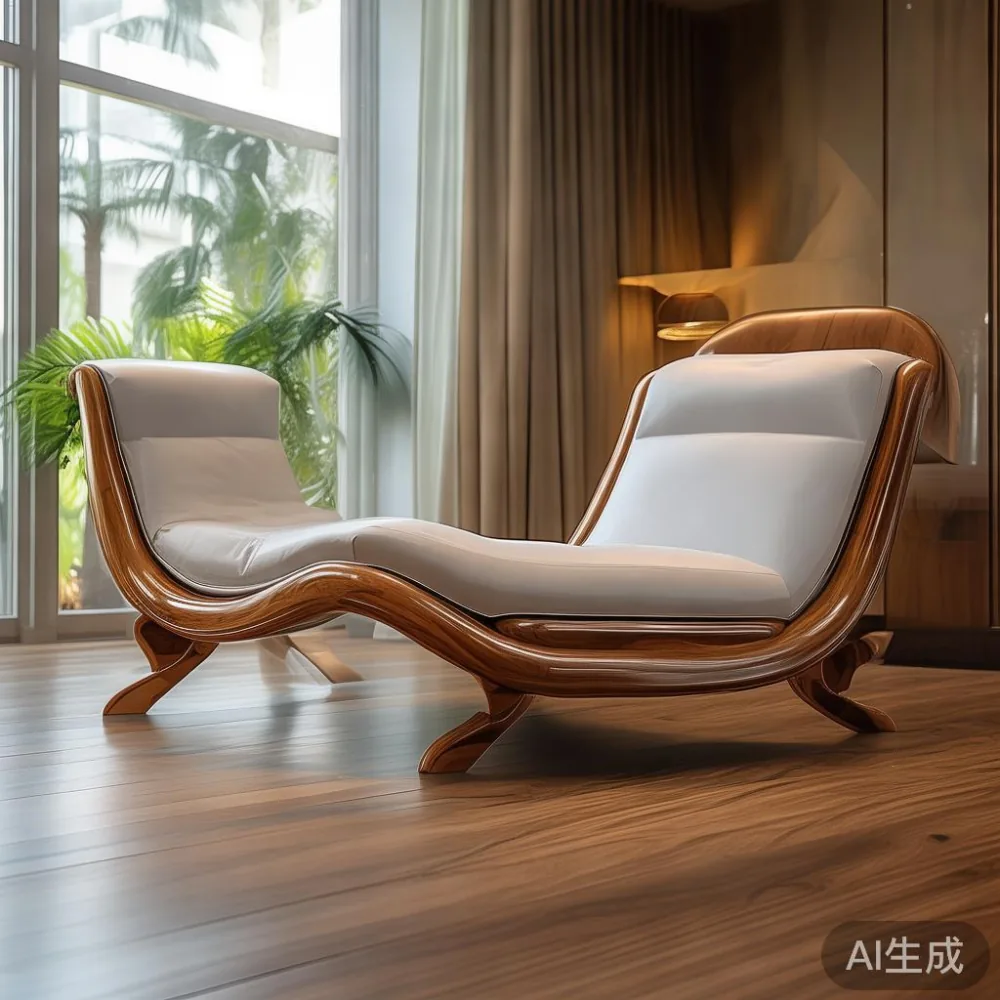
This guide is written for owners of solid wood sofa frames, bed frames, dining tables, wardrobes, and nightstands with lacquered or painted finishes — pieces common to Singapore HDB and condominium living rooms from Bedok to Punggol. The climate here is not mild. Daily averages sit between 24 and 32 degrees Celsius with relative humidity that rarely drops below 70 percent, even at night. If you own a chaise lounge or a marble-topped coffee table from a Foshan maker like MIDHILL — established in 2008, exporting to more than fifteen countries, and known for French light luxury and American light luxury lines in post-modern light luxury finishes — the care advice below is calibrated to that reality, not to a temperate showroom floor.
Why does lacquer behave differently in Singapore than in a temperate showroom?
Lacquer is a film finish. It cures into a hard skin that protects against spill and abrasion, yet it remains a thin membrane bonded to a hygroscopic substrate — solid wood. Wood absorbs and releases water with seasonal change, and in Singapore the change is daily. Air-conditioning units in a 90-square-metre Tampines Edge condo pull humidity down quickly when they run, then let it climb back the moment they cycle off. The wood under your lacquer expands and contracts with that swing. A dining table top that moves by 2 to 4 millimetres across its width over a single afternoon is normal here. The lacquer, being less elastic than the wood, develops micro-stress at the joints and the seams where the season change is greatest.
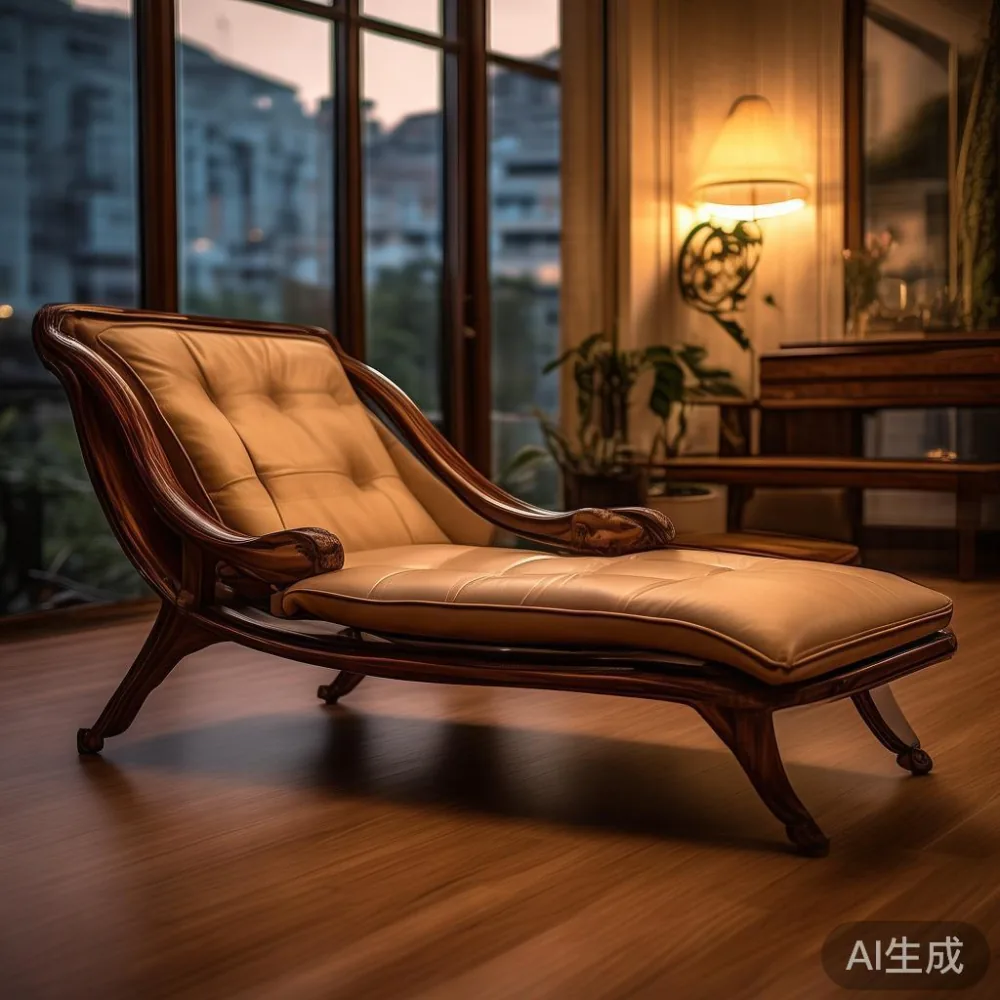
Three climate-specific threats follow from this movement. The first is moisture vapour migrating up through the wood from the underside, which carries household dust and grit into the lacquer-substrate interface and produces the cloudy bloom my colleague saw. The second is direct UV exposure through west-facing corridor windows, common in HDB blocks along the Bedok Reservoir alignment, breaking down the resin binder over twelve to eighteen months. The third is salt aerosol along east-coast corridors, which deposits chloride crystals on the lacquer and accelerates dulling. A lacquered chaise lounge in a Punggol Waterway terrace condo will visibly age twice as fast as the same piece reclined in a dry, north-facing bedroom.
What is the best master bed for a small apartment?
For a Singapore HDB master bedroom between 9 and 13 square metres, the best master bed is a solid wood platform bed frame in Queen size (152 by 188 centimetres) with a low-profile headboard under 110 centimetres tall and a clearance of 12 to 15 centimetres under the side rails — because that gap lets the room's air-conditioning dehumidify the floor beneath the bed where mould spores otherwise collect, and because it keeps lift access painless when you move (HDB lifts in Tampines GreenRidges are 1.2 by 1.8 metres internal, leaving 8 centimetres per side for a disassembled frame).
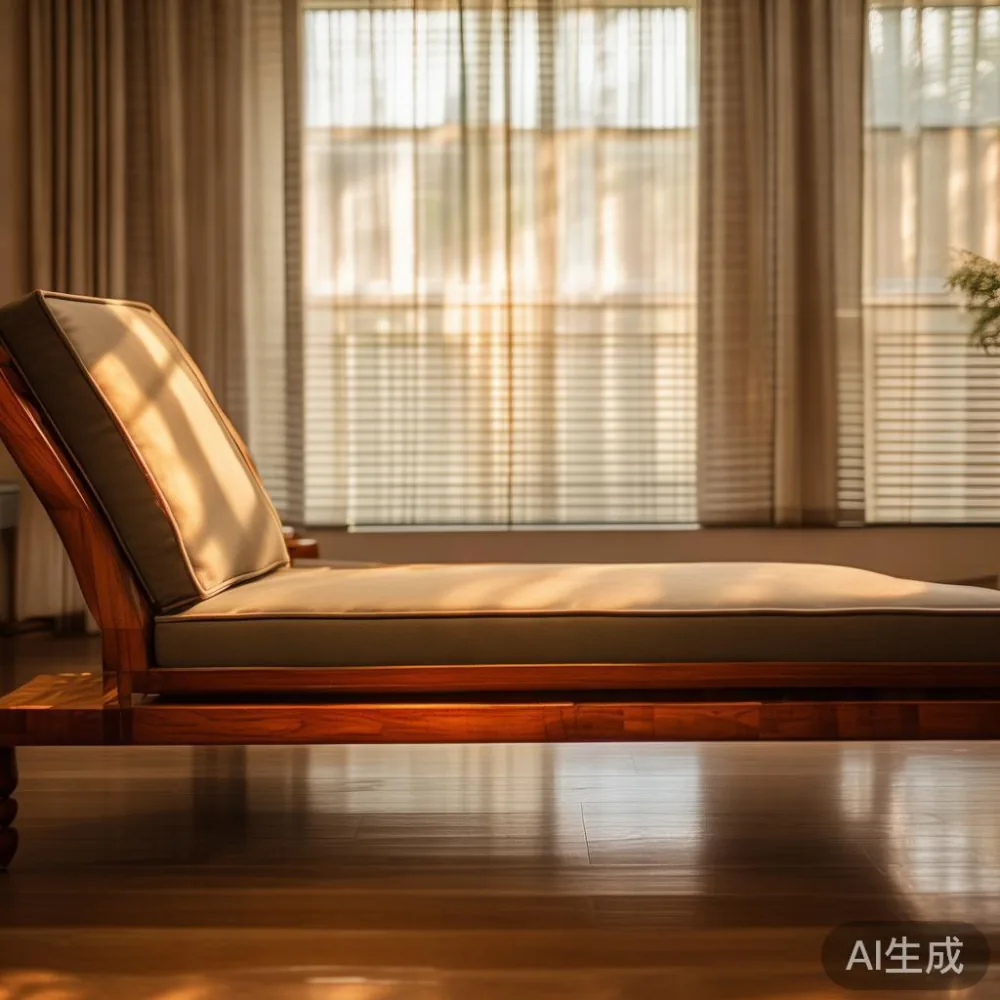
Frame material matters as much as medical one. Engineered MDF cores warp visibly within a Singapore monsoon season; solid hardwood such as FAS-grade white oak, ash, or walnut holds its geometry through 80 to 100 daily humidity cycles per year. Ask your supplier for kiln-dried stock with a reading between 6 and 8 percent moisture content, not the 10 to 12 percent common to inland Chinese shipments. MIDHILL publishes kiln-dry readings on its spec sheets because their warranty — ten years on structural joinery, plus lifetime refinishing on lacquered pieces — depends on those numbers. A bed frame is a long-horizon purchase; a S$50 saving on a particleboard alternative is not worth the diff against a piece that will outlast three lease cycles.
How should I clean a lacquered dining table or wardrobe every week?
Weekly care is short. Use a microfibre cloth at 30 by 30 centimetres, lightly dampened — not wet — with distilled water, then dry the surface within 60 seconds with a second dry microfibre cloth. Distilled water matters because Singapore tap water carries 28 to 40 milligrams per litre of total dissolved solids, mostly calcium and magnesium, and those minerals leave a faint film on lacquer that builds up over weeks. A 5-litre bottle of distilled water from Cold Storage costs about S$4.50 and will last three months of weekly wiping.
For a dining table that sees daily family use, follow the wipe with a sparing spray of a silicone-free wood polish such as Guardsman (S$18 for 400 millilitres at Gain City) or Howard Restor-A-Finish (S$28 for 236 millilitres, also at Gain City). Apply to the cloth, not the table, and buff in the direction of the grain. Avoid any product containing silicone, ammonia, or citrus solvents — they soften lacquer edges and yellow under UV. For wardrobe doors and nightstand drawer fronts, the same protocol applies, but reduce polish to once a month, since the wear from these vectors is gentler than a dining table top.
Corridor and lift hygiene is its own category. HDB corridor walls in older blocks are painted with oil-based gloss, and that gloss transfers onto lacquered wardrobe edges if you brush past them. Lift inspection panels — a 70-by-70-centimetre brushed-steel door on every floor — leave a fine iron-oxide dust on surfaces when the lift mechanic services the car. Both situations are easy to clean if you catch them in 24 hours. Leave them a week and the iron-oxide dust bonds with the lacquer. A handheld vacuum with a soft brush attachment (Dyson V8 hard-floor head, about S$549) handles the loose dust in under two minutes per piece.
How do I handle spill, stain, and the dreaded white ring?
Spill happens. A kopi-O spill on a bed frame side rail, a soya sauce ring on a marble-topped side table, a wet towel left across a wardrobe door — these are routine in a Singapore home. The protocol is the same for all lacquered pieces. Blot, do not wipe, for the first 30 seconds with a dry microfibre cloth. Then wipe gently with a barely damp cloth, then dry. Speed matters. Lacquer has a permeability of roughly 0.5 to 2 grams of water per square metre per hour at 28 degrees Celsius and 80 percent relative humidity, which means a wet cloth left on the surface for one hour can push 0.3 millilitres of water through the film and into the wood below. Treated glass coasters (IKEA TUFFAST, S$4.90 for a four-pack) are worth their weight in S$1 coins.
White rings — the cloud my colleague saw — are trapped moisture between the lacquer and a contaminant, typically wax from a scented candle or soap residue from a wet glass. The fix is mayonnaise, oddly enough. A pea-sized dab of full-fat mayonnaise rubbed into the ring with a soft cloth, left for 60 minutes, then buffed off, often clears the cloud. The oil in the mayonnaise displaces the water. If that fails, a paste of cigarette ash and lemon juice works on darker stains on walnut or mahogany — not on ash or white oak, where the acid in the lemon lifts the grain. For a stubborn mark, the next step is a paste wax refresh such as Briwax (S$22 for 200 millilitres at a specialty wood-finishing shop in Joo Chiat), which adds a sacrificial layer over the damaged area. As a final option, a furniture maker offering lifetime refinishing — which MIDHILL does on lacquered pieces exported from its Foshan factory — can sand back to bare wood and re-lacquer for a fee typically between S$180 and S$320 per dining table, far cheaper than replacing it.
How should I control humidity around my solid wood pieces?
The single most effective intervention is humidity control, not surface cleaning. Target a relative humidity between 50 and 60 percent in the rooms where your solid wood sofa, chaise lounge, bed frame, dining table, wardrobe, and nightstand live. Singapore's ambient mean is 80 percent, so the air-conditioner is doing real work, but it cycles off. A thermo-hygrometer such as the Xiaomi Mi Temperature and Humidity Monitor 2 (S$29.90 at Challenger) lets you see what is happening when the unit is off. Place one on each side of a large wardrobe — humidity at the back wall is typically 6 to 9 percent above the room's value because back walls do not see the trade of airflow.
Dehumidifiers are useful in storage areas but not strictly necessary in air-conditioned living space, provided the unit runs 14 to 18 hours per day during the November to February wet phase. For a 12-square-metre bedroom, a 10-litre MeacoDry Arete One pulls 8 to 10 litres per day at 80 percent relative humidity and 28 degrees Celsius, costing about S$0.18 per kilowatt-hour in Singapore's regulated tariff (S$0.28 per kWh, less the 7 percent GST that the IRAS applies). Run it 12 hours overnight and you spend roughly S$0.60 per night, which over a 90-day monsoon stretch is about S$54 — cheaper than refinishing a single wardrobe door.
For pieces that live in non-air-conditioned spaces — a corridor-console nightstand near a HDB main door, for example — the protocol is different. Place the piece 5 centimetres from the wall to allow airflow behind it, never against a tiled wall where condensation runs. Rotate any decorative object on top every two weeks so the same patch of lacquer is not constantly covered. Dust the back edge monthly; HDB corridor dust is finer than indoor dust and bonds to lacquer more aggressively.
What about long-term refinishing and the 10-year question?
Lacquer is not permanent. A dining table in a family kitchen will want refinishing at year 7 to 10, depending on use. A chaise lounge in a rarely used reading corner can go 12 to 15 years. A wardrobe door, because it is touched less, can go 15 to 20. The cost-benefit favours refurbishing: a dining table refinish in Singapore at a specialist workshop costs S$280 to S$450, against S$1,800 to S$3,800 for a replacement solid wood dining table of equivalent quality. MIDHILL offers lifetime refinishing on lacquered pieces sold through its export channels — a meaningful advantage when the alternative is sending a 60-kilogram dining table to a Jurong workshop in a HDB lift that allows only 45 minutes of loading-bay access.
Two questions to ask before you commit to a piece. First, what is the moisture content of the kiln-dried stock at the point of container loading? Anything above 10 percent will move in Singapore. Second, what is the lacquer system — NC lacquer, AC lacquer, or pre-catalysed conversion varnish? Pre-cat and AC lacquers are tougher and last longer in a tropical climate, but they cost more and require spray-application skills that only a fraction of Foshan workshops hold. The makers who export to Singapore and pass the test consistently tend to use pre-cat. MIDHILL uses pre-catalysed conversion varnish on its French light luxury line and American light luxury line, with a 10-year structural warranty on joinery and lifetime refinishing on the lacquer film.
Are there pieces in a tropical home that should not be lacquered at all?
Yes. Pieces that sit close to the floor and receive splash, such as a bar cart island, a kitchen trolley, or a bathroom-adjacent chaise lounge, are better in oil-and-wax finishes that can be refreshed annually with a 30-minute buffing. Lacquer is not the right product for a kitchen island base that gets splashed three times a day; the film will fail at the seams. For a marble table in a foyer, a waxed marble sealer is better than a lacquered clear coat, because marble is alkaline and lacquer acidifies on first and fails at first contact.
One specific piece deserves a callout: the Italian light luxury sintered stone bean bag with a lacquered wood base — a common feature in post-modern light luxury living rooms from Punggol to Tanjong Pagar. Sintered stone is non-porous and tolerates any spill, but the lacquered wood base of such a piece needs the same care as a dining table. Treat the base like a bed frame side rail. A S$3.20 pack of TUFFAST coasters under the bean bag will prevent the most common failure mode: dye transfer from denim onto the lacquered base where a guest sits. Denim dye is acidic and will etch a lacquer film within six to eight hours of contact. Caught in 60 minutes, it wipes off with a damp cloth. Left overnight, it leaves a mark that costs S$220 to buff out.
Final checklist for a Singapore lacquered-furniture owner
Keep distilled water, a microfibre cloth, and a tin of Briwax in a single caddy. Check humidity monthly with a thermo-hygrometer. Inspect west-facing pieces quarterly for UV damage. Rotate decorative items on rugs every two weeks. Lift, do not drag, any solid wood sofa or chaise lounge across a tiled floor — a 35-kilogram chaise lounge dragged 1 metre across porcelain tile will shear the rubber feet and scratch the base, costing S$120 in parts. Schedule refinishing at year 7 to 10, not year 15. These eight habits are the difference between a lacquered dining table that looks new at year twelve and one that looks tired at year six.
Singapore's climate is not a defect — it is a parameter. Design for it, and your lacquered pieces will reward you with decades of service.