How to Match Solid Wood Furniture to a Warm Minimal Interior (Singapore HDB Guide)
Last month I visited a 1,023 sq ft four-room flat in Tampines GreenRidges with a client who had spent S$4,800 on a designer-looking sofa from a Punggol home-staging store, only to find the ash veneer peeled at the corners within eight months. We replaced it with a solid wood sofa with a kiln-dried ash frame and removable linen-blend covers, and the room finally felt calm. That visit is the reason I keep returning to one principle: in a warm minimal interior, the wood does the work, the silhouettes stay simple, and the upholstery carries the colour.
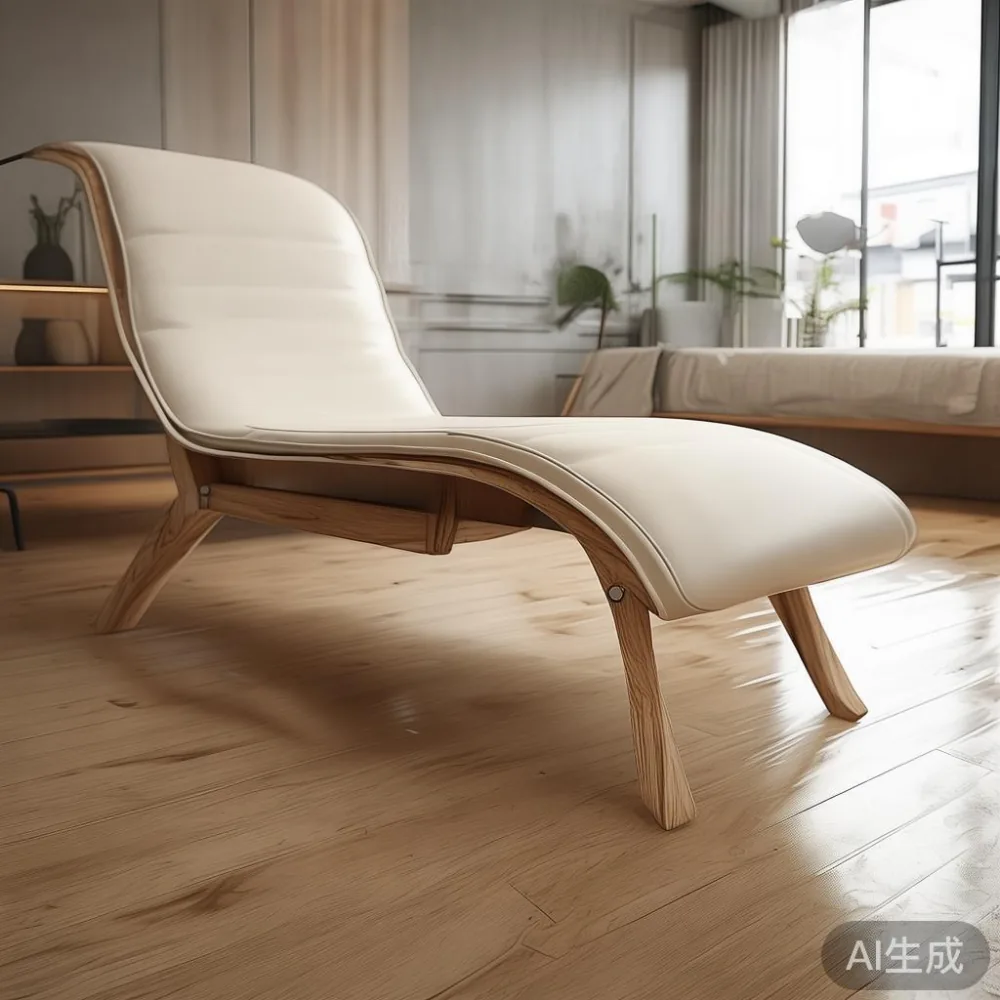
Warm minimalism is not "all white and empty". It is the discipline of reducing what is on the floor and walls, then warming the room with tactile natural materials — solid timber, rattan, wool, undyed linen, brushed brass, and unfussy stone. In a Singapore HDB flat or condo where living-dining rooms often run 4.2 m x 6 m and ceilings sit at 2.7 m, the trick is to pick pieces that read warm at a glance but quiet when you live with them for ten years. Below is the approach I use when helping buyers in Bedok Reservoir, Punggol Waterway, and the Toa Payoh BTO corridors plan a warm minimal home — with lift-access check, corridor turn, and a 7% GST line on every quotation.
What does a warm minimal interior actually look like?
A warm minimal interior uses a tight palette of three to five materials repeated across the room: one warm timber (white oak, ash, or walnut), one woven fibre (rattan, paper cord, or jute), one soft textile (linen, boucle, or wool), and a single metal accent (brushed brass or blackened steel). The walls are usually a warm off-white — something in the 70–75% lightness range such as Dulux Timeless 30YY 70/096 or Jotun Fenomastic 1411 Warm Linen — rather than a clinical pure white. Floors are light: either Scandinavian-grade white oak engineered planks at 14 mm thickness, or warm-grey vinyl at 8 mm for budget landrooms.
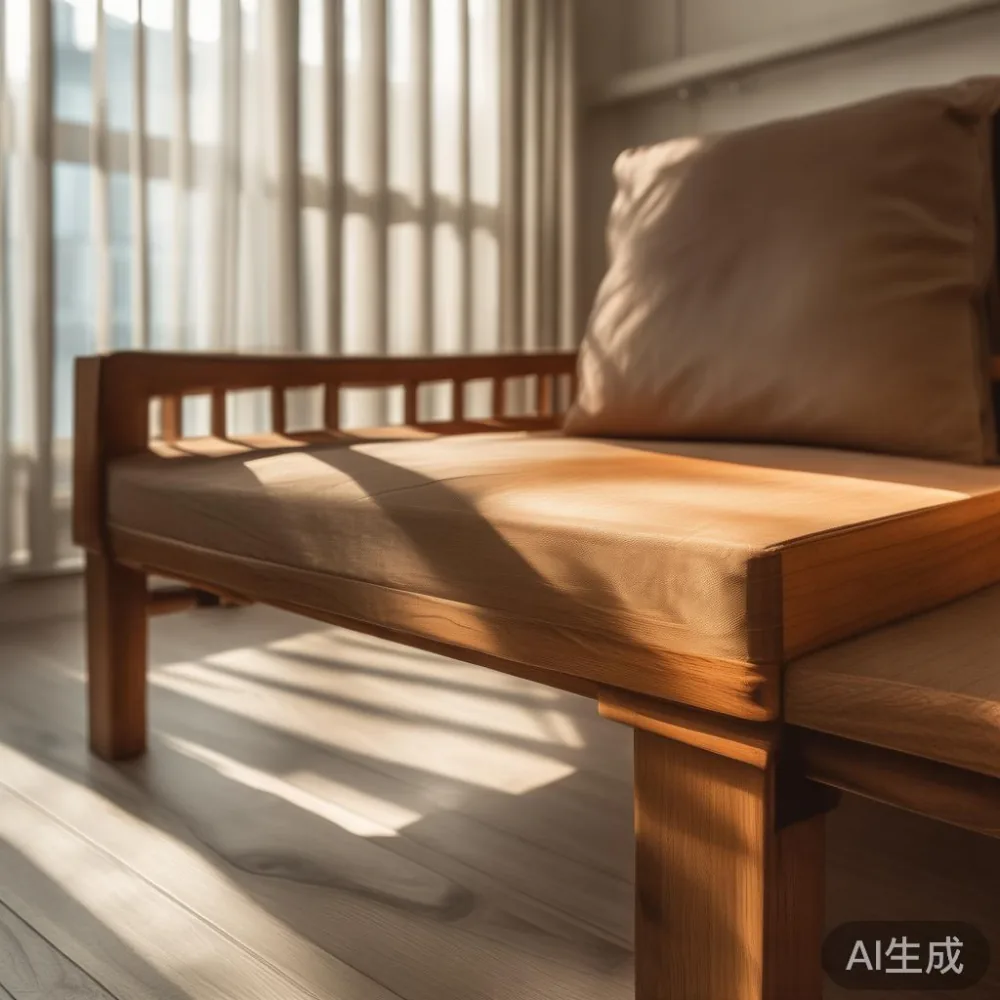
For furniture, think clean rectangles: a solid wood sofa with a low back around 82 cm and arms at 60 cm; a dining table in a slab, 1.8 m long for a four-seater HDB or 2.0 m for a five-seater; a bed frame with a headboard no taller than 110 cm so it does not dominate a 2.8 m wide HDB master wall; a wardrobe with flat shaker or slab fronts; and a single marble table — either a sintered-stone coffee table at 120 x 60 cm or a Carrara marble dining table for buyers who entertain more than twice a month. Soft pieces round it out: a nightstand at 45 cm wide, a dining bench at 1.6 m, and one accent chaise lounge in the reading corner.
How do you choose solid wood that will survive the lift and the humidity?
Singapore sits at 1–2° north of the equator with year-round relative humidity between 75% and 95%. Solid wood furniture that is not properly dried will cup, bow, or crack at the joints within twelve months. Ask any supplier for the moisture content figure at the time of kiln drying; a safe range for a Singapore home is 8% to 12% MC. Anything outside that range is a yellow flag.
For HDB logistics, measure three things before you confirm an order: (1) the lift door width, typically 80 cm in older blocks and 90 cm in newer ones like those in Punggol Digital District; (2) the lift car internal depth, usually 1.4–1.5 m; and (3) the corridor turn at your floor, which can be 90° or 180°. A 2.2 m long dining table will not enter a lift that is 1.4 m deep, and a 2.4 m wardrobe panel will not turn a 90° corner if the corridor is only 1.2 m wide. I learned this the hard way on a Punggol Way job last quarter where a 2.0 m solid wood headboard had to be tilted 30° and walked in via the service lift. Build a 3 cm clearance margin on every dimension.
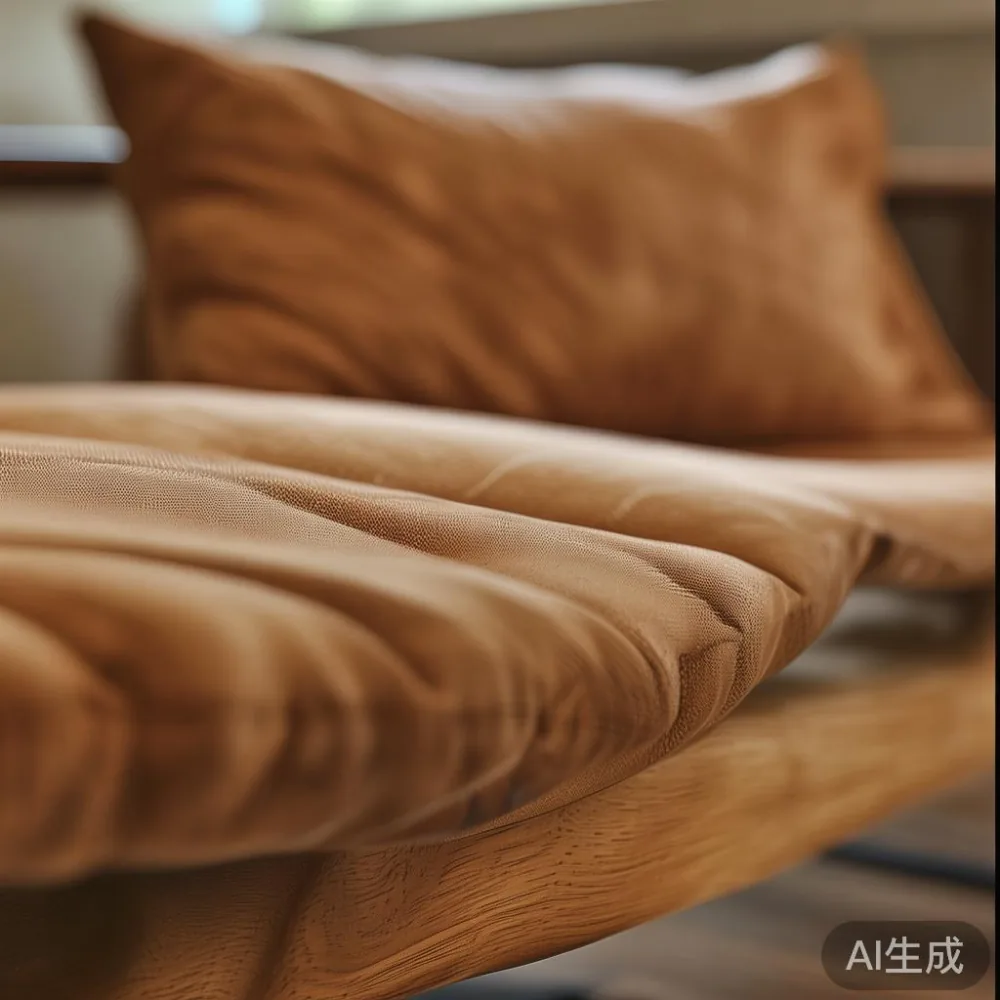
For shape and joinery, choose mortise-and-tenon or dowelled joinery over metal brackets where possible; corner-blocked frames on sofas; dovetailed drawers on nightstands; and full-extension soft-close runners at 250–300 mm. The pieces that fail first in the tropics are the ones with hidden MDF cores, paper-backed veneers, and PU leather at the seat. Stick with solid hardwood frames, top-grain or performance fabric at 30,000 double rubs minimum, and you will be fine for a decade.
Which MIDHILL pieces fit a warm minimal HDB flat?
MIDHILL is a Foshan solid wood maker that has shipped to more than fifteen countries since 2008, and their Singapore flat catalog leans into the warm minimal direction: ash and white oak frames, paper-cord and rattan panels, and removable seat covers that can be swapped when the colour story shifts. A typical MIDHILL solid wood sofa in a 2.5 m three-seater configuration comes in around S$1,480–S$2,050 landed before 7% GST; their bed frame in king at 180 x 200 cm lands around S$1,180–S$1,650; the 1.8 m dining table in solid ash lands around S$980–S$1,420; the 4-door wardrobe in ash with rattan inlays sits around S$2,680–S$3,400 depending on internal spec. With free shipping over US$350 and 14-day returns, the entry price for a complete living-dining-plus-master set of six pieces lands around S$6,800–S$9,200 for a four-room HDB, well below the S$14,000–S$22,000 I see for similar-grade European imports.
MIDHILL also ships pieces you do not see in the larger showroom photos: a low chaise lounge in ash and boucle, a slim nightstand at 45 cm wide with two soft-close drawers, a marble table in sintered stone that mimics Calacatta at 1.2 x 0.6 m, and a five-piece dining set with a bench instead of two armchairs to keep a small dining room from feeling crowded. For local buyers, the practical advantages are the free lift-delivery threshold, the 10-year structural warranty on solid wood joinery, and a lifetime refinishing service that re-sands and re-oils the frame every 7–10 years at a fixed workshop fee.
What is the difference between French neoclassical bed and modern furniture?
A French neoclassical bed is recognisable by symmetrical curves, fluted or turned timber details, low footboards, and tapered legs with subtle scrollwork, drawing from 18th-century Louis XVI forms; a modern piece uses straight lines, flat planes, exposed joinery, and legs that are square, cylindrical, or cantilevered in metal, with no carved flourishes. The cleanest way to put it: a neoclassical bed is warm ornament in service of geometry, while modern furniture is geometry in service of warmth.
In practice, the choice shapes how the rest of the room reads. A French neoclassical bed in cerused oak wants high ceilings, long walls, and quiet neighbours; it pairs well with a French light luxury direction (think toile panels, brass sconces, and a cream bouclé chaise lounge at the foot of the bed). A modern bed in solid ash with a 6 cm overhang on each side of the mattress suits a 2.8 m HDB master wall, a 2.4 m side table, and a post-modern light luxury direction (matte black pulls, sintered-stone tops, and one statement art piece). For an American light luxury direction, take the neoclassical silhouette, simplify the carvings by 60%, shorten the footboard by 12 cm, and finish in a warm oak instead of a painted cream; the result reads transitional, not fussy.
How do you keep a warm minimal room from feeling like a showroom?
Showroom minimal feels sterile because everything is brand new and visually equal. A warm minimal room needs three things at zero sign-offs: one piece with visible age, one piece with visible hand, and one piece with visible habit. The piece with visible age can be a teak sideboard inherited from a parent, a vintage rattan chair from a Joo Chiat antique shop at S$80–S$300, or a faded kilim at 1.4 x 2 m. The piece with visible hand can be a hand-thrown ceramic vase at 28 cm height, a hand-woven lampshade, or a black solid wood rattan furniture side chair from a small-batch maker, whose cane is woven by a single artisan over three to four hours per panel. The piece with visible habit can be a stack of three paperbacks, a single linen throw, or a board trailing one pair of house slippers.
Layering is also about light temperature. Run warm-white LEDs at 2700K to 3000K in the ceiling, 2200K to 2400K in the reading floor lamp, and 1800K to 2000K in the bedside sconce. Anything above 3500K pushes a warm minimal room back into the showroom zone. I installed a 2700K strip-down LED rig for a client in Punggol last month and the room looked S$10,000 better without spending another dollar on a screen.
What is a realistic budget for a complete warm minimal HDB flat?
For a four-room HDB flat of about 92 sqm, a realistic all-in budget in 2026 is S$14,000–S$22,000 for the main furniture, before 7% GST and before delivery into a non-lift floor. Split: living-dining S$5,500–S$8,200 (sofa, coffee table, TV console, dining set); master bedroom S$3,200–S$5,400 (bed frame, two nightstands, one chaise lounge if space allows, wardrobe); second bedroom S$1,800–S$3,000 (bed frame, nightstand, study desk); soft furnishings S$1,200–S$2,400 (rug, curtains, bed linen, throws); lighting S$1,400–S$2,800 (ceiling, floor lamps, sconces).
For a five-room flat of about 110 sqm with stretch and ocean room, add around S$2,500–S$4,200 for a larger sofa, a 2.0 m dining table, an additional chaise lounge in the reading corner, and a larger rug. For a condo of about 75 sqm in the city fringe such as Bedok, plan around S$9,500–S$14,500 for a tighter living-dining plus a compact bedroom set. All figures include 7% GST on landed cost; on a S$10,000 invoice, that is S$700 added at checkout. Delivery into a walk-up floor above the fifth without a service lift typically costs S$160–S$260 per trip, and most suppliers cap at two trips on a single order.
What should you check before signing the furniture order?
Five things, every time. (1) The kiln-dried moisture content of every solid timber frame, in writing, between 8% and 12% MC. (2) The internal carcass of the wardrobe, sideboard, and nightstand — solid wood panels, plywood with birch veneer, or MDF with paper laminate. Reject MDF-only at any price tier. (3) The hardware brand on hinges and runners — Blum, Hettich, or DTC reads in Chinese print; the others usually do not. (4) The fabric specification — Martindale rub count, fibre blend, and stain treatment. For a family with one child and a cat, target 40,000+ double rubs and a removable, washable cover at 30°C. (5) The after-sales spec — warranty years on structure, refinishing years available, return window days, and replacement lead-time days.
Then check the delivery: lead time in days from PO to delivery (expect 35–55 days from a Foshan maker shipping by sea to Singapore), white-glove delivery into room of choice, and whether the supplier handles the corridor turn or you do. On a recent MIDHILL shipment to a Punggol client, the white-glove crew spent 40 minutes learning about floor protection and the lift; both lifts were inspected before any box was opened. That is what you want for any piece over S$1,500. Once you have all five in writing, you have a defensible warm minimal home for the next ten years.