Solid Wood vs Veneer Chaise Lounge: A 5-Year Cost Comparison for Singapore Homes
Last month I visited a resale 4-room HDB in Punggol with a former client who was redesigning her living area around a new chaise lounge. Her original 2019 piece, a veneer lounge chair purchased from a Tampines furniture mall, had peeled at both armrests and was no longer accepting a uniform stain. The replacement brief was unusual and refreshingly practical: spend whatever it takes, but spend it once. We measured the corridor (118 cm wide, 92 cm at the tightest turn), the lift door (90 cm opening), and the available wall length (2.6 m) before discussing material. That conversation is the reason for this article, because the gap between a veneer chaise lounge and a solid wood chaise lounge becomes much wider when you actually live with the piece for sixty months in a Singapore condo.
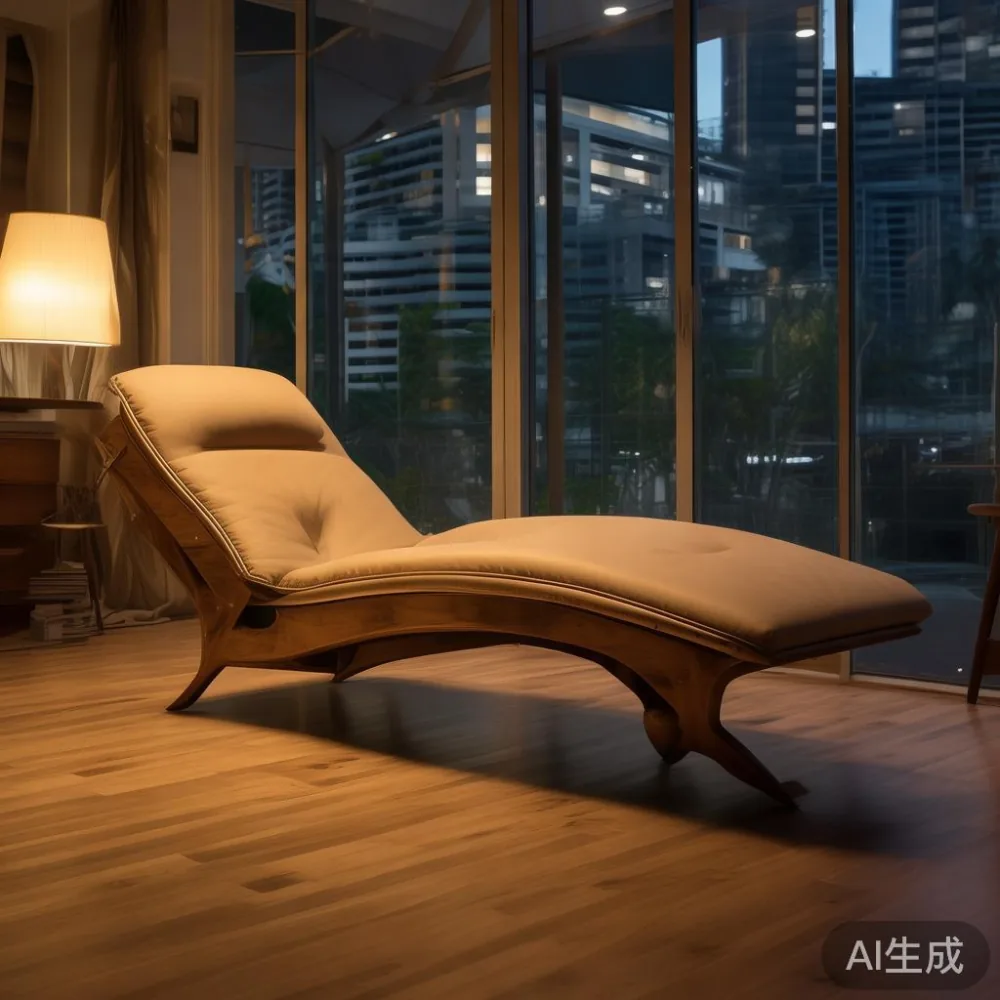
Why does a 5-year view matter when buying a chaise lounge in Singapore?
A 5-year view matters because the upfront price tag is roughly half the story. Between the 9% GST, delivery up three flights because the lift is occupied by a Monitor 3 port, and the inevitable ring cup, scratch, or balcony-side humidity event, a lounge chair in a Singapore home absorbs more wear than the same SKU in a temperate climate. When you divide the real landed cost by the months of presentable service, a piece that looked expensive on day one can quietly become the cheaper option per year, while the bargain piece quietly becomes expensive. This is also the horizon most HDB owners stay in one flat before upgrading or right-sizing.
What does a typical veneer chaise lounge actually cost over five years in SGD?
For this comparison, I will use a realistic 168 cm three-seater chaise lounge with a left-facing chaise, the configuration my Punggol client finally chose. A representative veneer version from a local multiple-brand retailer sits at about SGD 1,490 before GST. With the 9% GST that is SGD 1,624. Add a SGD 60 Saturday delivery surcharge for a time slot and a SGD 40 rubbish-removal fee because the old unit must come down the same corridor, and the day-one landed price is SGD 1,724.
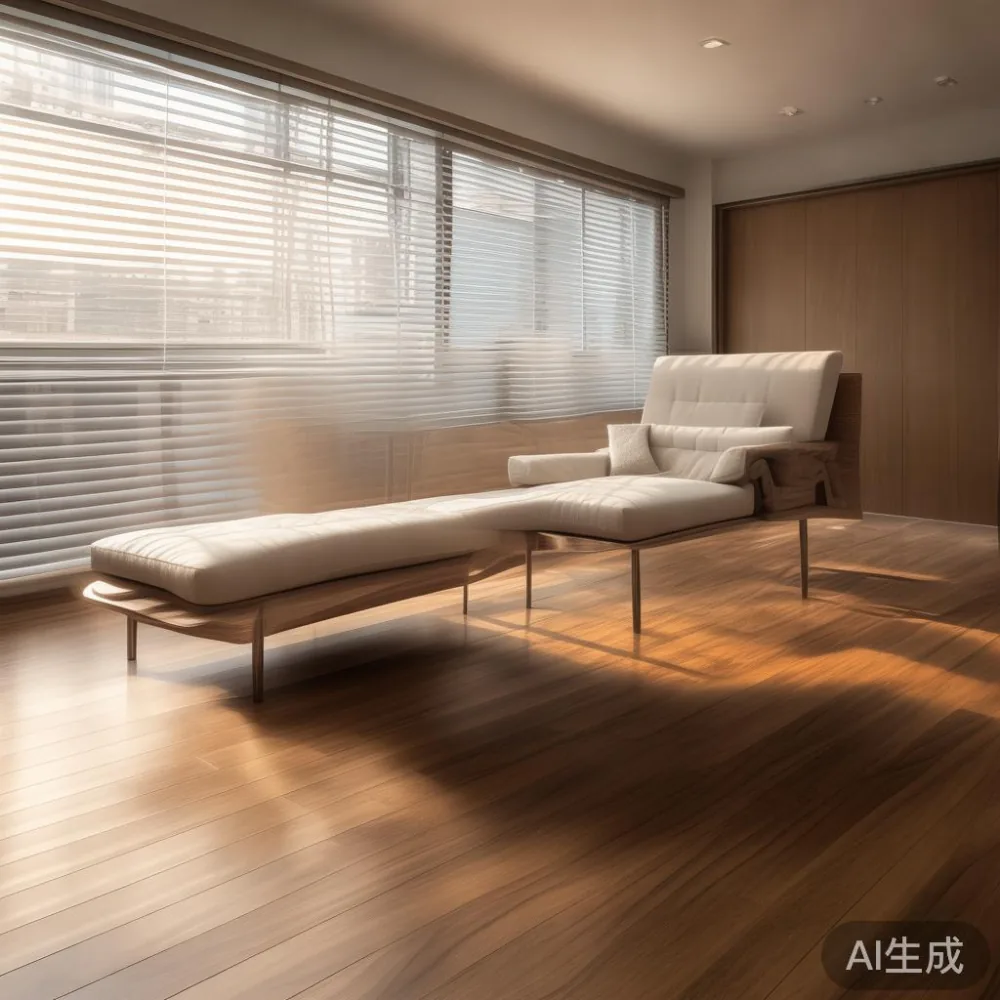
Now project five years of real Singapore living onto a veneer chaise lounge:
Year 1: Light surface pitting fine. The veneer on the chaise end-grain starts to lift near the aircon vent within 60 days. A touch-up pen costs SGD 18. No big deal.
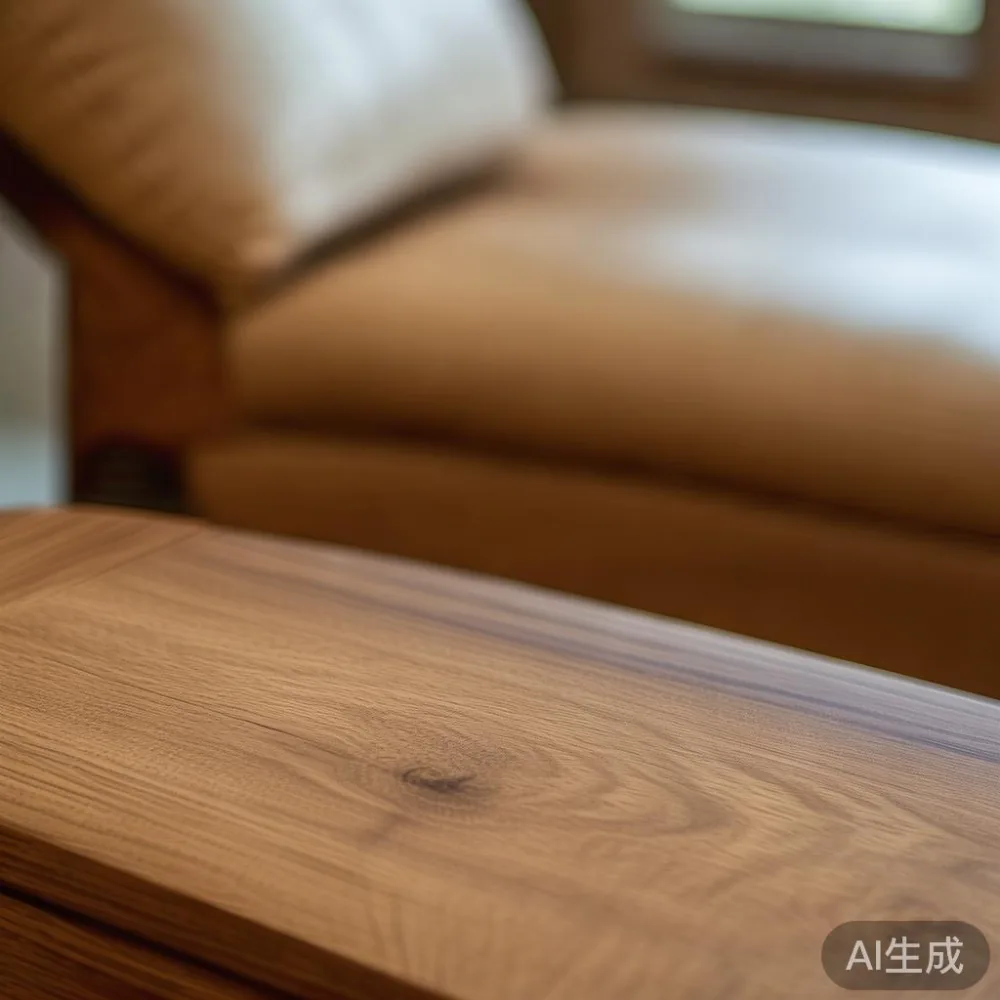
Year 2: A red-ring wine incident costs SGD 220 for an in-home refinish, because the MDF substrate has already swollen 2 to 3 mm and the lacquer cannot sit flat. The repair is visible in raking sun at 4 pm.
Year 3: The pet claw marks along the front rail require a panel replacement. SGD 380, and the new panel is one shade off because the original batch has been discontinued.
Year 4: You have stopped using the chaise end because the surface feels rough and the kids avoid it. The piece is functionally 2-seater, not 3-seater. No cash outlay, real cost of very visible.
Year 5: Resale value on Carousell for a five-year-old veneer chaise lounge in used condition: SGD 250 to SGD 380, often with no takers for more than 90 days. Disposal via bulky item removal: SGD 80.
Add the math: SGD 1,724 + SGD 18 + SGD 220 + SGD 380 minus SGD 280 (mid-range resale) plus SGD 80 disposal = SGD 2,142 net 5-year cost. Divide by 60 months and you are paying about SGD 35.70 per month to actually own the piece.
What does a solid wood chaise lounge actually cost over the same five years?
Take a comparable 170 cm solid wood chaise lounge in ash or white oak, the configuration my Punggol client ordered. A realistic Foshan direct price through a Singapore-importer such as MIDHILL sits at about SGD 2,380 ex-showroom, free delivery above SGD 350 (her order qualified). With 9% GST: SGD 2,594 landed.
Now run the same five-year timeline:
Year 1: The solid wood chaise lounge accepts a small water ring from a cold mug within week three. Wipe, done. Cost: zero. The lacquer is a penetrating oil-wax, not a plastic film, so micro-cuts are part of the design.
Year 2: A heavier scratch from moving a dining chair during a Chinese New Year gathering. The piece gets a SGD 60 in-home buff-and-oil by the supplier. Visible only if you know where to look.
Year 3: Sun bleaching along the chaise-facing window. The supplier offers lifetime refinishing; the supplier charges only the call-out fee (SGD 60) and the oil (SGD 25). Total SGD 85. This is the moment the warranty pays for itself.
Year 4: The piece still seats three, and the chaise end is still the most fought-over spot in the house during周末 family time. No cost.
Year 5: Carousell resale for a five-year-old solid wood chaise lounge in honest condition, with original paperwork: SGD 950 to SGD 1,150, typically gone within 21 days. If you keep it, you keep it; if you sell, the offset is real.
Add the math: SGD 2,594 + SGD 60 + SGD 85 minus SGD 1,050 (mid-range resale, no disposal) = SGD 1,689 net 5-year cost. Divide by 60 months and you are paying SGD 28.15 per month. Yes, the solid wood chaise lounge is cheaper per month of real ownership in Singapore.
How do I choose a outdoor patio for a HDB living room?
Choose a outdoor patio for a HDB living room by first measuring the lift door (usually 90 cm) and the tightest corridor turn (often 92 cm at the HDB refuse-chamber corner), then selecting a piece no wider than 75 cm at its deepest point so it clears both, and confirming the wood is kiln-dried to 8 to 10 percent moisture content so it survives Singapore's 80 percent midday humidity without cupping. This single rule resolves ninety percent of the bad purchases I have seen on HDB refits across Bedok and Tampines.
Why does the math flip on a chaise lounge but not always on smaller pieces?
The chaise lounge is the piece where the math flips fastest because it carries the most surface area per dollar and the most body contact. A nightstand or a small side table, both common items a person sees daily, lives a quieter life. A solid wood nightstand might cost SGD 480 instead of SGD 240 for a veneer equivalent, and the 5-year gap is narrower, maybe SGD 180 in your favour after resale. A solid wood wardrobe, on the other hand, is where the math flips even harder than the chaise lounge because the failure mode of a veneer wardrobe is a delaminated door panel that cannot be patched invisibly, and the cost of replacing a wardrobe is the cost of dismantling a wardrobe.
This is also where the broader showroom logic matters. A well-built bedroom set (bed frame, two nightstands, a six-door wardrobe) in solid wood will outlast a veneer set of the same style by a factor that exceeds the price gap. A dining table seats eight and absorbs chair scrapes every meal; the same 5-year logic applies, and a solid wood dining table will refinish cleanly while a veneer dining table will flake along the most-used edge by month thirty. A marble table, by contrast, is its own category: it does not peel, but it stains, etches, and weighs 70 to 90 kg for a 140 cm round, which is a problem in a HDB with a 90 cm lift and a corridor you share with your neighbour's pram.
What should a Singapore buyer check on the invoice before paying for a chaise lounge?
Before you pay, read the invoice line by line and confirm five things. First, the words solid wood or solid wood must appear next to every load-bearing component, not just the marketing copy. Second, the wood species must be named (ash, oak, walnut, rubberwood) so a later refinisher knows what to sand back to. Third, the moisture content at the time of packing should be recorded, ideally 8 to 10 percent. Fourth, the warranty must state a structural term in years, not a vague lifetime phrase, and a refinishing term should be itemised separately. Fifth, the delivery scope must mention corridor and lift, not just doorstep, because Singapore flats have corridors and lifts.
MIDHILL, a Foshan maker shipping in Shenzhen since 2008 to 15-plus countries, ticks each of these boxes in writing on a single A4 sheet, and that A4 sheet is the difference between a 5-year story like mine and a 5-year story full of repair invoices. A label that reads Engineered Wood or Plywood Core is the honest tell; the label will not be there because the supplier knows you would not buy it.
Is French light luxury or American light luxury worth the premium on a chaise lounge?
French light luxury (think curved camelback silhouettes, brushed brass sabots, low-saturation linens in chalky greys and dusty taupes) tends to be worth a 10 to 15 percent premium on a solid wood chaise lounge because the silhouette hides nothing: if the frame is MDF, you will feel it in the arm and see it in the seam within a season. American light luxury (cleaner lines, deeper seats, club-chair geometry in walnut or quarter-sawn white oak) is similarly unforgiving, and similarly rewards a solid wood frame. Post-modern light luxury, with its playful proportions and mixed-material moments, is the style where a marble-top coffee table next to a solid wood chaise lounge actually makes sense, because the marble carries the visual weight and the solid wood carries the structural weight.
If your budget is tight, the rule I give Bedok and Punggol clients is simple: spend on the chaise lounge and the bed frame, save on the side table and the second nightstand. The chaise lounge and the bed frame are the two pieces you will refinish, move, and live with for the next decade. Everything else is a storage bench for condo overflow, a temporary wardrobe stopgap, a dining table you will replace when the family grows, and a marble table you can add in year three once the structural pieces have proven themselves.
What is the shortest honest checklist before clicking order on a chaise lounge?
Measure the lift door and the tightest corridor turn in centimetres. Photograph both. Confirm the chaise lounge's longest dimension clears both with at least 5 cm to spare. Read the invoice for the words solid wood and a named species. Confirm the moisture content is recorded. Confirm the warranty term in years and the refinishing term in writing. Price the 5-year cost, not the day-one price. If the 5-year cost per month is lower on the solid wood piece, buy the solid wood piece and stop second-guessing. If it is not, you are looking at the wrong category or the wrong supplier.
My Punggol client's chaise lounge is now six weeks old. The kids have already spilled ice lemon tea on the chaise end, the husband has dragged a speaker cable across the front rail, and the cat has sharpened one corner. None of it shows. That is the part the day-one price cannot tell you, and the part the 5-year cost can.