A 5-Year Cost Comparison: Veneer and Solid Wood Chaise Lounges for Singapore Homes
A chaise lounge can make a compact HDB flat feel more relaxed, but the choice between veneer and solid wood affects purchase price, maintenance, resale value and daily convenience. For homeowners in Tampines, Bedok and Punggol, the decision also involves lift access, corridor turns, GST and the risk of furniture that looks impressive in a showroom but becomes awkward to move. I compared the likely five-year costs of a 168 cm veneer chaise lounge and a 168 cm solid wood chaise lounge, using Singapore pricing and practical ownership assumptions rather than list prices alone.
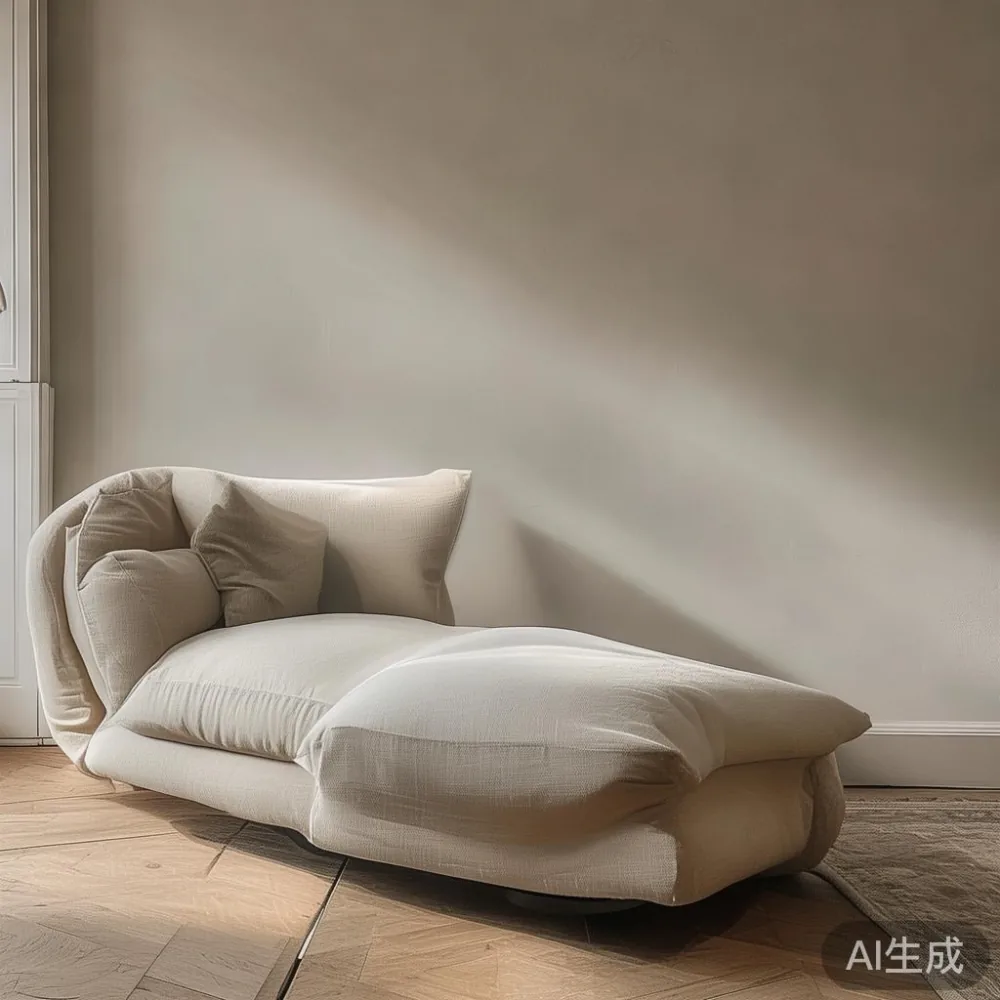
The short version is straightforward: veneer can offer a lower initial outlay and a lighter frame, while solid wood usually demands more upfront but has a more repairable future. That is not a universal rule, because board quality, joinery, finish and supplier pricing matter. It is, however, a useful framework for deciding whether a chaise lounge suits your home and how its costs develop after delivery.
What is the real 5-year cost of a veneer or solid wood chaise lounge?
For this comparison, I assume a full-length chaise lounge measuring 168 × 78 × 82 cm, with a weight capacity of 120 kg. A veneer model uses 18 mm engineered board with a 4 × 4 cm solid wood internal frame and a laminated wood or veneer finish. The solid wood version uses 18 mm solid rubberwood or beech for the main structure, with the species confirmed by the supplier. Both examples include a high-density foam cushion, polyester upholstery and a protective matte finish.
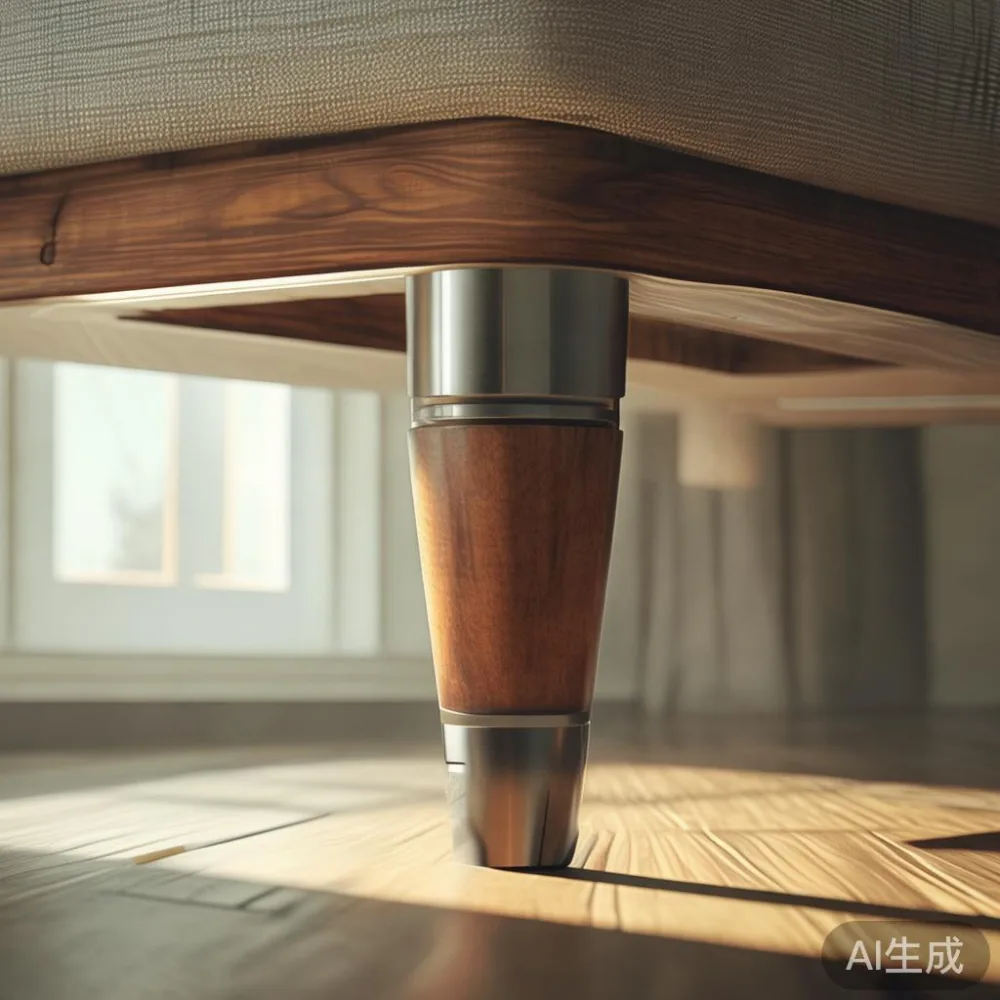
Across five years, I count the purchase price including GST, delivery, assembly, routine care, one probable repair and the estimated residual value. I do not include electricity, because both chaise lounges are non-powered, or the cost of moving to another flat. The calculation is intended to show ownership costs, not to rank one material as a universal winner.
Suppose a mid-range veneer chaise lounge costs SGD 1,180 before GST. At Singapore's current 9% GST, that becomes SGD 1,286.20. A comparable solid wood chaise lounge at SGD 1,880 before GST becomes SGD 2,049.20. The solid wood option therefore starts at SGD 763 more at checkout.
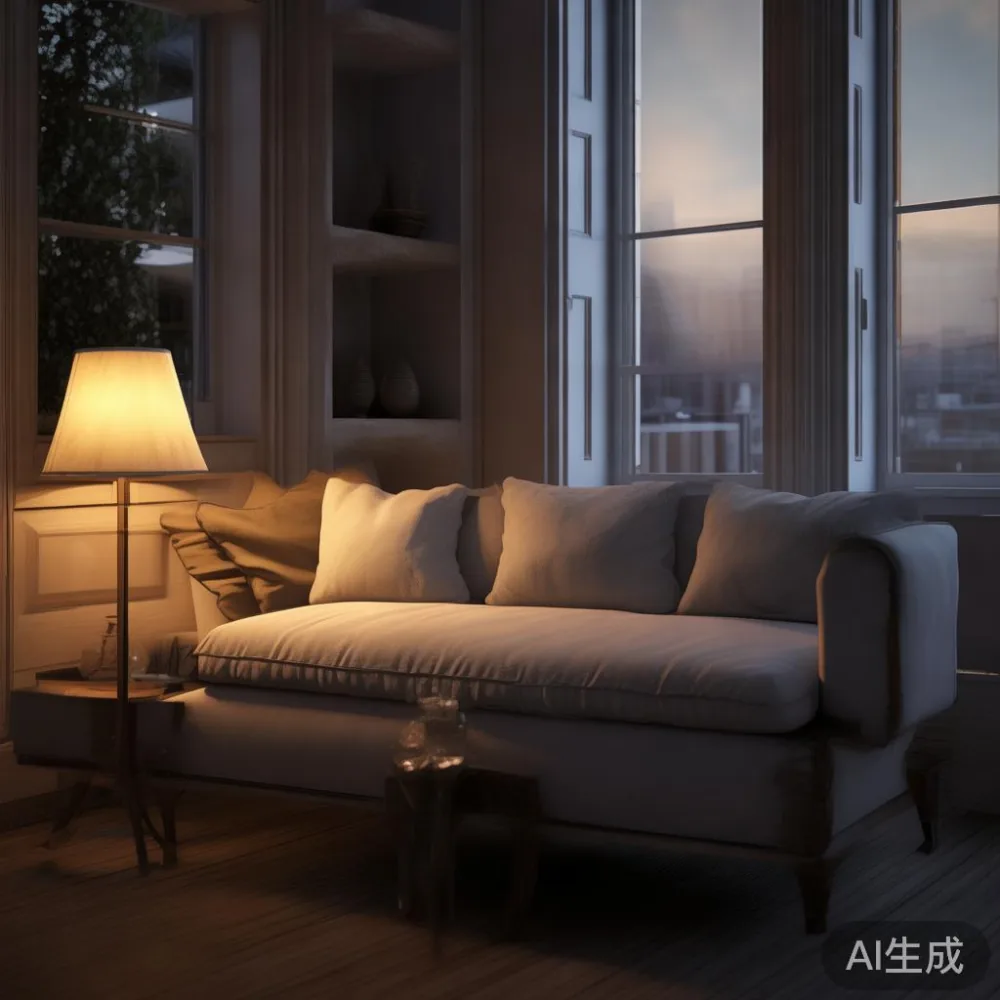
Delivery can erase part of that gap. A 168 cm chaise lounge may weigh 32 kg in veneer construction and 48 kg in solid wood. Standard delivery to a Singapore address is often free above USD 350, equivalent to about SGD 460 at an illustrative exchange rate of USD 1 to SGD 1.32. For smaller orders, a van or cargo-lift booking can add approximately SGD 45-SGD 90. If your HDB lift opening is only 90 cm wide and the chaise lounge measures 78 cm across, it should pass flat, but the diagonal and turning space still need checking. A condo corridor with a 105 cm clear width offers more maneuvering room than a 90 cm HDB landing.
Over five years, I allow SGD 80 for veneer cleaning and small adjustments, plus a 30% probability of a SGD 120 surface repair. The expected repair allowance is SGD 36, making total five-year maintenance provision SGD 116. For solid wood, I allow SGD 140 for oiling and care, plus a 40% probability of a SGD 180 joint or finish repair, producing an expected SGD 72 repair allowance and SGD 212 total maintenance provision. These figures are deliberately specific enough to expose the assumptions while remaining easy to adjust for your own use.
On that basis, the veneer's five-year cash cost is roughly SGD 1,286.20 + SGD 45 + SGD 116 = SGD 1,447.20 before residual value. The solid wood chaise lounge costs about SGD 2,049.20 + SGD 45 + SGD 212 = SGD 2,306.20. After allowing 15% residual value for the veneer model and 35% for the solid wood model, the net costs are approximately SGD 1,258.12 and SGD 1,943.32. Solid wood costs about SGD 685 more across five years, or SGD 137 per year, in this scenario.
How much does a chaise lounge cost in Singapore?
Real prices vary with size and design. A compact 145 × 72 cm chaise lounge may sell for SGD 780-SGD 1,080 before GST in veneer, while a 168 × 78 cm version generally falls around SGD 1,050-SGD 1,450. A solid wood chaise lounge of the same 168 × 78 cm size may range from SGD 1,650-SGD 2,650, depending on the timber, finish and upholstery.
The figures above sit within those ranges, but a promotional discount can change the result. A voucher worth SGD 100 lowers the veneer break-even point, while an SGD 100 voucher has a smaller effect on the more expensive solid wood option. Singapore homeowners should compare the final amount after GST rather than the pre-tax sticker price, since the difference between SGD 1,180 and SGD 1,080 becomes SGD 109.80 after tax.
French light luxury styling often uses a slim chaise lounge with pale upholstery, tapered legs and restrained seams. American light luxury leans toward deeper cushions, warmer timber tones and a more generous footprint. Post-modern light luxury can combine a solid wood frame with clean geometric upholstery and a floating-looking platform base. Those visual differences can move prices by SGD 200-SGD 700 even when dimensions and comfort are similar.
The style should also suit the room. A 168 cm chaise lounge placed beside a 200 cm sofa can dominate a compact 3-room HDB living room, whereas a 145 cm model leaves more circulation space. Measure the sofa-to-TV distance, coffee table clearance and the route from the main door before ordering. A chaise lounge may be narrow enough for the lift but still difficult to rotate around a 90 cm corridor corner.
What happens if a veneer chaise lounge gets scratched?
This is where material selection becomes visible rather than theoretical. Veneer is a thin, real wood layer bonded to an engineered board. It can reproduce the grain and warmth of solid wood at a lower weight and price, but moisture, heat and impact may cause edge chipping, bubbling or delamination. Solid wood does not have a separate surface layer, so a scratch can often be sanded and refinished if the damage is shallow.
Last month I visited a colleague in Bedok who was evaluating two chaise lounges for a new condo. We placed each one on a carpeted 180 × 120 cm test area, then moved them through a mock 90 cm door opening. The veneer sample weighed 31.6 kg and the solid wood sample 47.2 kg. The veneer unit turned easily but had a noticeably hollow response when pressed near its front rail. The solid wood chaise lounge felt more stable, although its extra weight required two people for the final 90-degree turn.
We also placed a 2 kg weight near each front edge for 30 seconds. Neither frame failed, but the veneer base showed a lasting 0.4 mm indentation that its supplier advised replacing rather than patching. That repair would have cost about SGD 90. The solid wood frame returned to its original alignment after the load was removed. This was one product test, not a laboratory guarantee, but it illustrates why construction matters alongside material labels.
Singapore's humidity makes care instructions important. Keep the chaise lounge at least 20 cm from an air-conditioning vent if possible, wipe spills within 15 minutes and avoid direct afternoon sun through west-facing windows. Use a pH-neutral cleaner, with no more than a lightly damp cloth. For solid wood, follow the supplier's oil or wax schedule and never assume that a household polish is suitable.
Is solid wood automatically more durable than veneer?
No. A well-built veneer frame can be stable, while a poorly jointed solid wood frame can still rack or crack. Ask about load paths, corner blocking, dowels, screws and the warranty. MIDHILL offers a 10-year structural warranty, which is more useful than vague claims of natural-material longevity, yet the terms should be read carefully for coverage, exclusions and claim procedures.
Finish is another decisive variable. A 5-layer matte coating may improve resistance to ordinary household stains, while an open-pore oil finish emphasizes grain but needs more frequent attention. Ask for the exact coating system, cleaning products and repair method in writing. A supplier who can explain how a damaged component is replaced is usually more reassuring than one who simply says the product will last for decades.
Weight also affects long-term convenience. Moving a 48 kg solid wood chaise lounge between a Bedok HDB flat and a Punggol rental may require a mover and cost about SGD 120. A 32 kg veneer version may be manageable for two people with a furniture dolly. That advantage can matter if you expect to relocate within five years.
For product planning beyond the chaise lounge, the same five-year framework can guide a solid wood sofa, bed frame, dining table, wardrobe or nightstand. It can also help buyers comparing the European sofa vs Nordic sofa, since frame construction affects weight and repairability as much as appearance. For a material-specific option, someone researching the best Industrial wardrobe for 2026 should confirm board thickness, hanging-rail support and moisture movement in Singapore conditions.
Which chaise lounge gives Singapore homeowners more value?
The answer depends on the budget and the expected length of use. If the chaise lounge will serve as occasional seating in a compact HDB flat and may be replaced after 3-4 years, veneer can make financial sense. If it will be used daily, moved less often or kept for 7-10 years, solid wood can justify its higher purchase cost through repairability and stronger resale appeal.
A simple threshold can sharpen the decision. Divide the initial solid wood premium by the expected annual maintenance saving. In my example, the premium is SGD 763 and expected annual care and repair provision differs by SGD 19.20, which alone would take about 40 years to offset. That is why I include residual value: a well-kept solid wood chaise lounge can retain more value, and refinishing can restore appearance without replacing the whole piece.
MIDHILL's lifetime refinishing policy is relevant here, provided the service scope and eligible components are confirmed for the chosen model. A solid wood surface that can be refinished has a practical advantage over a veneered panel with a bubbled or chipped outer layer. A new upholstery job may still be needed, and upholstery is excluded from many lifetime-finishing promises, so do not interpret the policy as free replacement of every worn part.
The return window also affects risk. Singapore consumers commonly examine the product, but any 14-day returns policy should be checked for assembly, custom dimensions, delivery fees and restocking terms. For a made-to-measure chaise lounge, a sample, finish approval or clear drawing can prevent avoidable disputes. Free shipping above US 350 reduces the need to test total delivery cost before confirming, but the delivery threshold should still be checked against the actual order currency.
Do not compare the chaise lounge in isolation. A solid wood dining table may last through two home moves, while a marble table needs careful handling because of its weight and brittleness. Likewise, a marble-top nightstand should have a stable solid wood cabinet, and a wardrobe should have engineered panels only where their dimensional stability is useful. Light-luxury design works best when materials are assigned sensible jobs rather than used as labels.
How do I compare delivery, GST and clearance before ordering?
Begin with the final dimensions and access route. Record the lift door width, internal cabin depth, corridor width and landing dimensions. A 168 × 78 cm chaise lounge will fit through a 90 cm opening when carried on its side, but the diagonal becomes approximately 186 cm. The delivery crew must have enough landing space to rotate it without striking walls, pipes or fire doors. For a condo, provide a loading bay and floor number; for an HDB flat, reserve the cargo lift where permitted.
Allow 7-14 delivery days for stock configurations and 21-35 days for custom upholstery or timber finishes. A supplier should give a firm estimate rather than a vague “2-3 weeks” range. If the promised date falls near Chinese New Year, Golden Week or the year-end renovation rush, confirm the actual production slot rather than relying only on the earliest estimate.
Next, check the price line by line: base chaise lounge, GST at 9%, upholstery upgrade, delivery, lift or carrying surcharge, assembly, and any fee below the free-shipping threshold. For a local online supplier, requests for specification sheets and trade quotations can be sent to midhillco@gmail.com. When comparing broader ranges, trade buyers searching wholesale Modern light luxury furniture or luxury Italian light luxury furniture should verify timber species, veneer thickness and joinery, because “European” or “Italian” can describe style, design origin or manufacture rather than one material standard.
Finally, compare the five-year arithmetic on a single sheet. For the veneer example, note SGD 1,286.20 initial cost, SGD 45 delivery, SGD 116 care provision and a 15% residual-value assumption. For solid wood, note SGD 2,049.20, SGD 45, SGD 212 and 35%. Change the residual rates if the chaise lounge will be heavily used, and include actual repair invoices as they occur.
That exercise keeps a decorative purchase grounded in Singapore conditions. A solid wood chaise lounge may use more space, weigh more and cost more now, yet offer a clearer repair path. Veneer can be lighter, visually consistent and less demanding financially. Whichever route you take, measure the lift and corridor, confirm the construction, budget for care and judge the design against the room—not just against a showroom photograph.