How to Read a Furniture Warranty Without Getting Caught Out
Buying a solid wood sofa, bed frame, dining table, or wardrobe for your Tampines or Punggol HDB flat should feel exciting, not confusing. Yet the small print inside most furniture warranties reads like a contract written for lawyers, not homeowners. After fifteen years of making and exporting pieces to more than fifteen countries, our team at MIDHILL has seen every warranty claim, loophole, and goodwill gesture that exists in this industry. This guide walks you through what every clause really means, in plain Singapore context, with SGD figures and HDB measurements you can actually measure against.
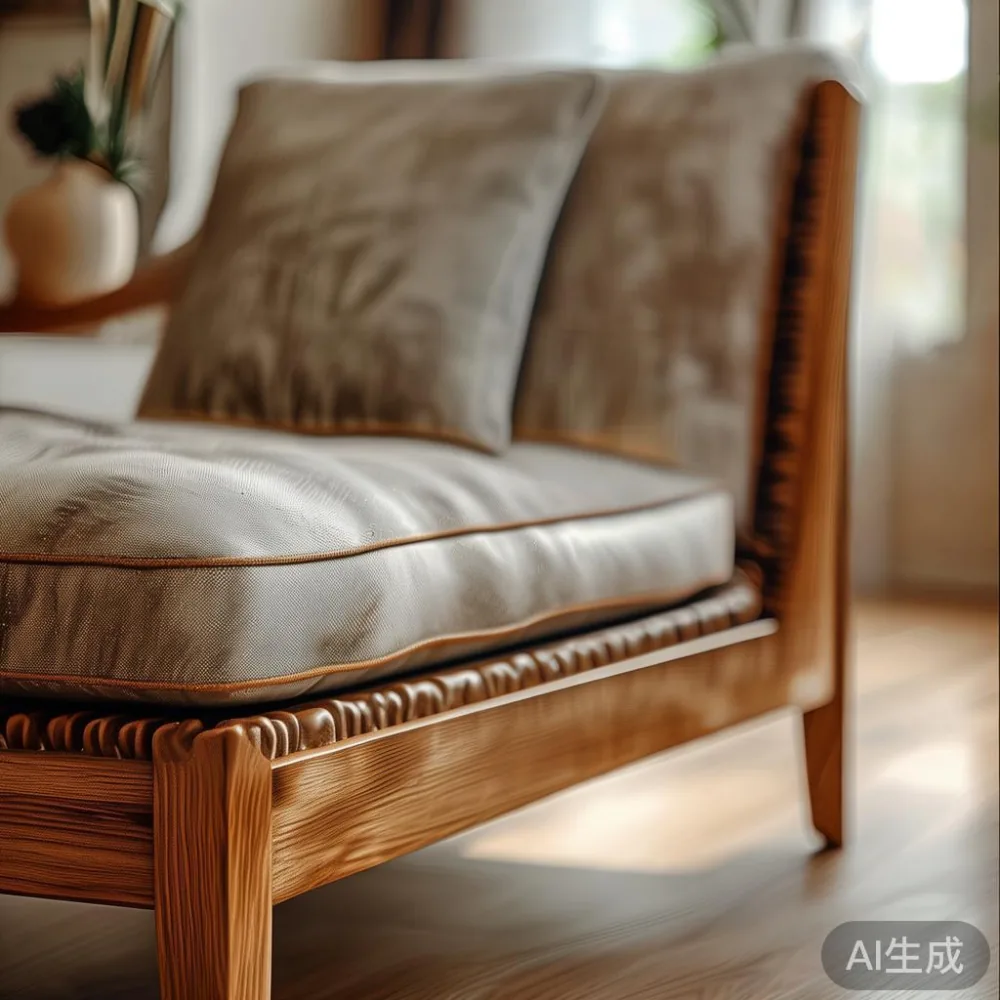
A few definitions first. A warranty is a written promise from the seller about how long a product will hold up and what they will do if it does not. A structural warranty covers the frame, the joints, and the load-bearing parts. A finish warranty covers the surface, the stain, the lacquer, and the colour. Once you understand which is which, the whole document becomes surprisingly short.
What exactly does the headline 10-year structural warranty cover on a solid wood sofa?
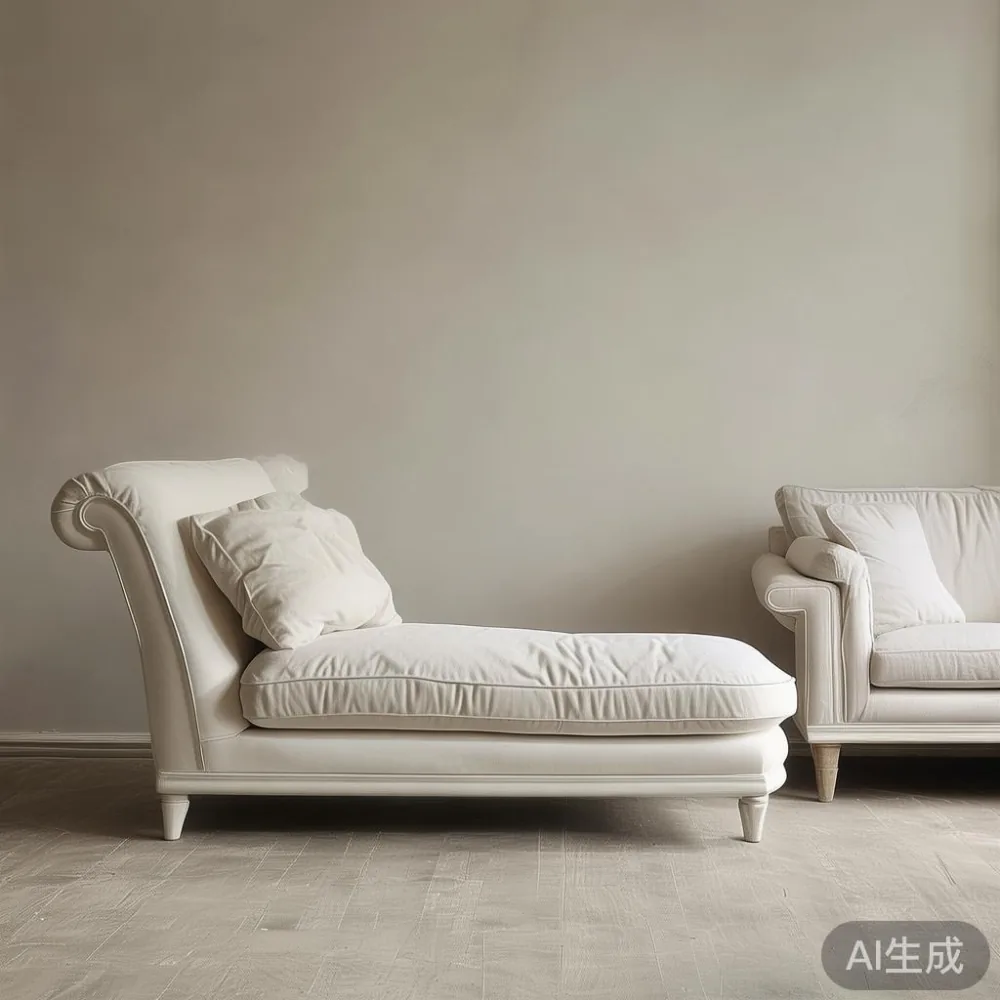
Most reputable light luxury brands, including our own, offer a 10-year structural warranty on solid wood pieces. What that means in practice is this: if the frame of your chaise lounge or sofa cracks, splits, or separates at the joints because of a manufacturing defect, we will repair it or replace the frame. It does not mean we replace the cushions, the leather, or the fabric every decade.

On a Eurasian ash or American walnut sofa weighing around 85 kg for a three-seater, the load-bearing parts are the legs, the seat rails, the back frame, and the corner blocks. Those four components live or die by the joints. A single loose dowel or a skipped glue pass is enough to fail a 150,000-cycle fatigue test, which is the international bench mark most manufacturers use. If a corner block pops loose in year three under normal domestic use, that is a manufacturing issue and a structural warranty claim.
What it does not cover is damage from an overloaded sleeper. Two adults who weigh over 180 kg, plus two teenagers, plus a Golden Retriever, plus a glass dining table pulled on top for a dinner party, does not qualify as domestic use. The clause you want to look for is the word normal followed by domestic or household use.
Is the finish on my dining table covered the same way as the frame?
Almost never. This is where most Singapore buyers misread their policy. The structural warranty on a dining table protects the legs, the apron, and the tabletop substrate. The surface finish, the matte lacquer, the natural oil, the stain, the marble veneer, is usually on a separate 2-year or 3-year finish warranty. Some brands offer five years on finish. Some offer only twelve months. Treat the two as completely different insurance policies.
For a solid white oak dining table measuring 180 cm by 90 cm, with or without a marble inlay, surface finish problems look like this: a cloudy ring from a glass left overnight, a hairline crack along a mitred edge where the lacquer has lifted, or a colour shift under direct afternoon sun coming through a Punggol east-facing window. UV bleaching is typically excluded because no manufacturer controls your curtain choice.
If you spend S$1,950 on a light luxury dining table, expect roughly S$1,350 of that value to sit in the wood and S$600 to sit in the finish. The finish warranty, in dollar terms, is the smaller but more emotionally felt part.
Will a lifetime refinishing promise save me money, or is it a marketing line?
Lifetime refinishing is one of the strongest goodwill gestures a brand can offer, and it is a real service at MIDHILL. Here is how it actually works in Singapore.
If your solid wood bed frame, chaise lounge, or nightstand gets scratched, sun-damaged, or simply looks tired after eight years, we will collect the piece, strip it back to bare timber, re-stain or re-oil it to the colour of your choice, and re-lacquer it. You pay only the round-trip logistics and a small refinishing fee that currently sits between S$180 and S$420 per piece depending on size. A king-size headboard costs more than a bedside cabinet because there is more square metre to sand by hand.
The catch, and there is always a catch, is the logistics. A HDB lift in Bedok is typically 1.1 m wide by 1.4 m deep with an opening of 0.9 m. A 2.2 m wardrobe panel will not fit standing up. It has to be partially disassembled, which costs roughly S$80 to S$120 in labour on top of transport. Ask the brand up front whether refinishing includes disassembly and reassembly, or whether you, the buyer, own that cost.
Last month I visited a client in a Punggol Waterway terrace who refinished her 2018 dining set in a deeper walnut tone. The whole job, including pick-up and re-delivery, came to S$540 over seven working days. Her original table had cost S$2,200, which means she effectively renewed a S$2,200 piece for under a quarter of its purchase price.
What does the warranty say about humidity and Singapore weather?
Singapore sits between 70% and 88% relative humidity most of the year. HDB flats without a dehumidifier regularly hover around 80%. This matters because solid wood moves. A beech or ash frame will gain or lose roughly 2% of its moisture content across the wet and dry seasons, which translates into 4 mm of movement on a 2 m wardrobe door.
Reputable warranties include a natural movement clause. That clause is your friend. It says the wood will breathe, hairline seasonal checks may appear, and panels may shift slightly. None of that is a defect. Hairline checks under 2 mm wide on a bed frame or on a dining table are explicitly excluded from coverage because the manufacturer cannot control your room conditions.
What you can do is keep the room between 22°C and 26°C with relative humidity between 45% and 65%. A S$149 dehumidifier pays for itself inside a single warranty year for any solid wood piece over S$1,500. If you skip that and your oak wardrobe door warps in year two, your claim will probably be refused. If you keep a humidity log on the device and your conditions stayed within range, your claim stands a real chance.
Does shipping and assembly fall under warranty, and who pays for what if a panel arrives chipped?
Transit damage is one of the most common warranty questions we receive from customers in Woodlands, Jurong, and Tampines. The standard international rule is that ownership and risk transfer when the goods leave the factory, but most Singapore-facing brands including MIDHILL operate on a delivered-duty-paid basis where the brand assumes transit risk until the item reaches your door.
What that means in numbers: if your S$3,400 Italian light luxury wardrobe arrives with a 6 cm scuff on the side panel because the delivery team had to wrestle the crate through a 1.2 m corridor at your condo, you should not pay a cent. Photograph the damage before the team leaves, note it on the delivery order, and email the brand within 48 hours. A good brand will arrange a replacement panel inside 10 to 14 working days and send an installer to swap it at no charge.
Some lower-cost operators shift transit risk back to you, the buyer, with a phrase like customer assumes responsibility upon dispatch. That is a red flag. Avoid it. Similarly, ask whether the warranty covers the assembly hardware. Lost cam locks and dowel pins are common on flat-pack wardrobes, and a packet of 50 spare fittings costs the brand under S$4 but is often excluded from coverage.
On the question of free shipping thresholds, anything over US$350, which works out to roughly S$475 at today's rate, usually unlocks complimentary door delivery in West Malaysia and Singapore. Below that, expect a S$60 to S$120 surcharge. Inside the warranty terms, look for the words consequential damage. That is what protects you if a defective bracket damages your marble table top in transit. Consequential coverage is rare but it exists in well-drafted policies.
How long should I expect the claims process itself to take in Singapore?
A realistic claims timeline is one of the most useful numbers to know before you buy. From first email to a written outcome, expect 3 to 7 working days on a simple finish claim and 14 to 21 working days on a structural assessment. A replacement part sourced from overseas adds another 10 to 14 working days once the claim is approved.
Total realistic worst case for a repair on a designer light luxury furniture piece, from your first email to the fix landing in your HDB, is around 35 working days. Anything beyond 45 working days suggests the brand is stalling, and you should escalate.
If the brand offers a 14-day return window, which is the current Singapore norm, you are entitled to reject the piece entirely for any reason within that window. After day 14, the warranty proper begins. From day 30 onward, you are dealing with the manufacturer, not the marketplace, so keep all emails on a single thread and request a ticket number.
Are European sofas really built differently from modern sofas, and does that change the warranty?
The phrase European sofa vs Modern sofa comes up whenever Singapore buyers shop for a chaise lounge or three-seater. The two are not opposites. A European sofa, in warranty terms, usually means an eight-way hand-tied spring base, kiln-dried beech or ash framing, and a 10-year structural commitment that covers the spring webbing itself. A modern sofa more often uses serpentine wire springs, plywood framing, and a 5-year structural commitment that covers only the frame, not the springs.
The warranty difference shows up in year six when a spring pops. On a European sofa that is a covered repair. On a modern sofa the spring replacement may be on your tab, or excluded as a wear item. If you want one straight rule, ask the salesperson this exact question: does the structural warranty extend to the seat spring? If the answer is yes, in writing, you are looking at a properly built European-style piece.
What about American light luxury pieces for a small HDB living room?
The phrase American for small living room describes a real product category, looser cushions, lower back rails, and shorter depths of 90 cm to 95 cm, that suits a 4-room HDB or a compact Punggol condo. American light luxury framing uses kiln-dried poplar or maple with mortise-and-tenon joinery, and the finish warranty on these pieces tends to be lighter, often 2 years, because the brand expects you to refinish the visible surfaces more often.
For warranty buyers, a Post-modern for small living room option is also worth considering. The shape language is similar to American light luxury, but the construction uses more engineered cores, which can complicate structural claims if the veneer delaminates. Ask whether the structural warranty on a post-modern piece covers MDF or plywood cores, or only the visible solid wood elements. The honest brands list both, and tell you which is which.
What about GST, delivery insurance, and the small print nobody reads?
Singapore adds 9% GST to imported furniture with effect from 2024 onwards. A S$3,200 wardrobe becomes S$3,488 at the till. Reputable Singapore-facing brands absorb GST on warranty replacement parts so you do not pay tax twice. Less reputable brands charge GST on every spare panel, which over five claims adds S$140 or more to your total cost of ownership.
Delivery insurance is the second line nobody reads. The phrase you want is all-risk in-transit insurance. That covers theft from the delivery vehicle, weather damage during unloading, and damage caused while the team waits at your lift lobby. Standard carrier liability often pays only S$2 per kilogram, which on an 85 kg sofa totals S$170. That sum will not buy a replacement armrest, let alone a frame.
How to style light luxury wardrobe in apartment settings is a separate topic but it affects warranty outcomes too. The placement guide is simple: keep the piece 10 cm off the back wall, never press a wardrobe flush against a wet bathroom partition, and avoid direct sunlight from an east-facing window. None of these are written into the warranty, but every one of them protects your claim by removing the improper placement exclusion that warranty lawyers love to invoke.
So what should I actually sign, and what should I ask before I pay?
Five questions cover roughly 90% of warranty disputes in Singapore. One: is the structural warranty ten years, five years, or three years, and which components are listed? Two: is the finish warranty separate, and what does it cover in years? Three: does lifetime refinishing include disassembly, transport, and re-assembly, or only the workshop labour? Four: does the warranty survive a relocation, in case you move from a Tampines HDB to a Punggol condo in year two? Five: who pays GST on a replacement part, the customer or the brand?
Write the answers into your order confirmation email before you transfer any money. A good brand will confirm in writing within 24 hours. A brand that refuses to commit to writing is showing you exactly what the warranty is worth.
What is the warranty really worth, in plain numbers?
A fair warranty on a S$2,500 solid wood dining table or S$3,400 wardrobe should look like this on paper: ten years on the frame, three years on the finish, lifetime refinishing at a published per-piece fee, free returns for fourteen days, free replacement panels for transit damage within forty-eight hours, and a clear escalation path. If your quote ticks four of those five boxes, you are dealing with a brand that intends to be around in 2030 to honour the paper. If it ticks fewer than three, keep walking, even if the price looks tempting on a Tampines furniture mall flyer.
Reading a warranty is not about reading every word. It is about knowing the eight numbers that decide every claim, and confirming them in writing before the courier arrives.