How to Read a Furniture Warranty Without Getting Caught Out
I still remember the afternoon I spent crouched in the corridor of a Tampines HDB block, tape measure in one hand and a printed warranty sheet in the other. The lift opening was 80 cm wide, the service ladder to the fourth storey had a tight 90-degree turn at the landing, and the warranty I was reading mentioned "white-glove assembly" as if every home in Singapore had a 2.4 m-wide front door. That mismatch made me realise something most Singapore buyers discover only after the delivery truck has arrived: a warranty is only useful when you can actually read it, understand what it covers, and know whether the product behind it physically fits your home.

Warranties look like boring legal paperwork, but they are the single most important document you will receive after a solid wood sofa, a marble table, a dining table, or a chaise lounge. Get the warranty right, and a 25 kg solid wood bed frame is a 10-year relationship. Get it wrong, and a small print clause can leave you paying SGD 480 for a return trip when a leg cracks after 14 months. Below is the field-tested approach I now use, refined after years of helping friends compare pieces from brands like MIDHILL and a few smaller factories in Foshan.
What Does "Solid Wood" Actually Mean in a Warranty?
Most Singapore buyers assume "solid wood" means the entire wardrobe, bed frame, or nightstand is cut from one piece of timber. The warranty is where the truth lives. Open the document and search for the exact wording: kiln-dried hardwood, the country of origin (often Vietnam, Malaysia, or China for pieces in the US$280 to US$1,800 range), and the parts that are explicitly excluded from "solid wood". Many warranties quietly carve out drawer bottoms, back panels, and internal shelving as "engineered wood" or "veneer core", because they are plywood, MDF, or a thin poplar sheet glued onto a hardwood frame.
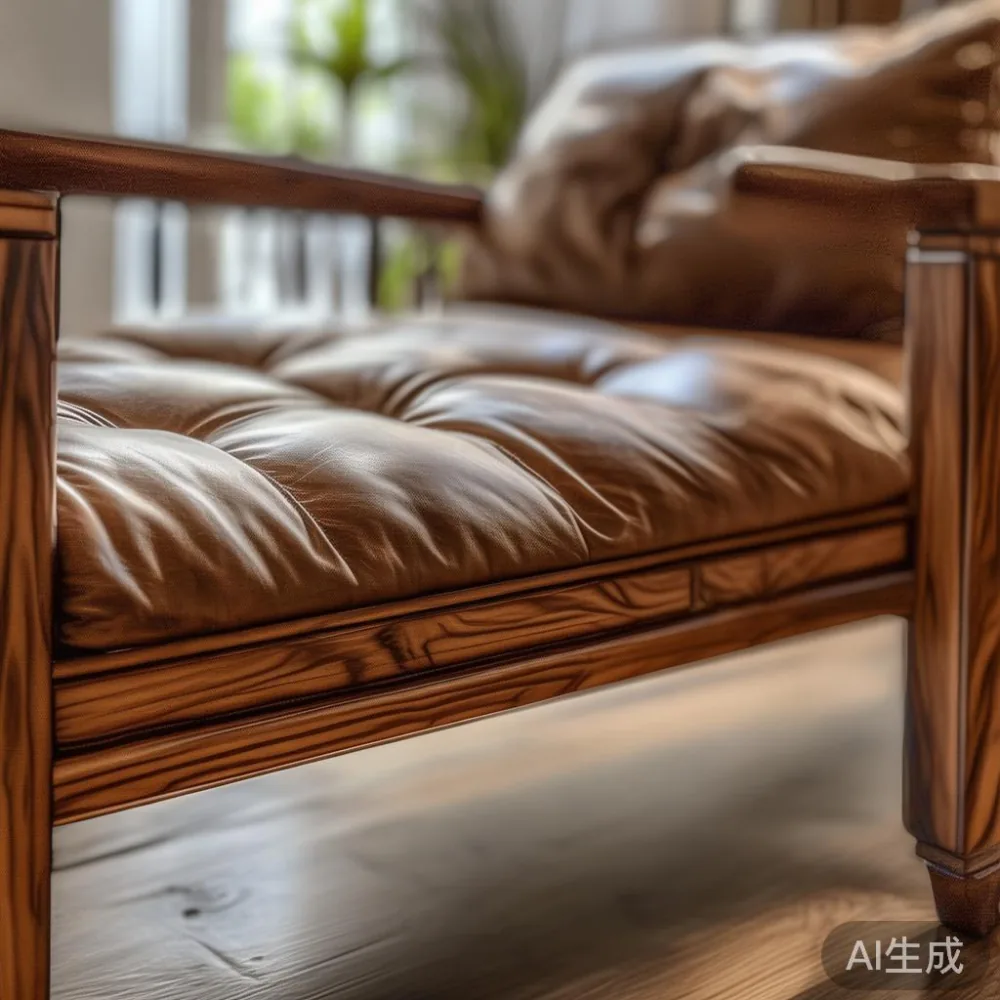
Look for the moisture range the factory tests against. A responsible warranty should state a humidity tolerance, for example 40 percent to 65 percent relative humidity, which matches Singapore's climate almost perfectly. If a warranty says "indoor use only" without giving a humidity figure, ask the seller what happens during the December monsoon when your Punggol condo hits 82 percent at 3 a.m. Real solid wood moves. A 1.8 m dining table can shift by up to 4 mm across the grain in a single season, and the warranty should describe how the maker handles that movement rather than pretend it does not exist.
Is French Provincial Master Bed Furniture Worth It?
Yes, French provincial master bed furniture is worth it for Singapore homeowners who want a statement bed frame that lasts 15 to 20 years, provided you buy from a maker that backs the carvings and joints with a written structural warranty of at least 10 years and offers lifetime refinishing for the inevitable scuffs.

French provincial pieces are heavier than their Scandinavian or American light luxury cousins, often between 85 kg and 140 kg for a king-size bed frame, and they tend to feature hand-carved details around the headboard, fluted legs, and curved crown mouldings. The "worth it" question really comes down to three things: shipping weight (which determines your landed cost and whether the lift can take it), the joinery (mortise-and-tenon with corner blocks is the gold standard), and the warranty wording on those carvings. A carved rose can chip during assembly, and a warranty that only protects the wood against "manufacturing defects" may reject a chip as "transport damage", pushing the claim onto the freight forwarder.
Post-modern light luxury pieces, by contrast, lean on straight lines, slim tapered legs, and a lower visual mass. They weigh 20 percent to 30 percent less, which matters when your Bedok condo lift is rated at 680 kg and you still need to fit three boxes plus the installer. Either style can be excellent; just make sure the warranty treats both with the same structural protection.
How Long Should a Warranty Last for Solid Wood Furniture?
For a solid wood dining table or wardrobe, anything under 5 years is a red flag, 5 to 10 years is the industry baseline, and 10 years or longer indicates the factory is willing to bet on its own joinery. MIDHILL, a Foshan maker established in 2008 that exports to 15-plus countries, advertises a 10-year structural warranty across its solid wood sofa frames, bed frames, and dining tables, which lines up with what you should expect from a serious workshop. Lifetime refinishing is the second promise to look for, because solid wood can be sanded, re-stained, and re-oiled three or four times across a piece's life, and a maker that covers that service is signalling long-term confidence.
Be careful with lifetime language. In Singapore, the Lemon Law under the Consumer Protection (Fair Trading) Act covers goods of acceptable quality, but it does not require a lifetime warranty. When a brand writes "lifetime", check the fine print: is the lifetime tied to the original purchaser, the product's first 25 years, or simply "as long as we feel like honouring it"? A defined term, such as "for the original registered owner for up to 25 years", is much stronger than the word alone.
Last month I visited a friend who had bought a chaise lounge from a small Jurong retailer. The warranty card had a 5-year stamp, the box had a 1-year stamp, and the receipt had no warranty mention at all. That is the kind of mismatch that leaves you arguing with three different documents. Always demand one unified warranty document, dated and stamped, attached to your invoice.
What Delivery and Return Numbers Should You Check?
Before you fall in love with a marble table or a four-poster bed, measure three things in your home: the lift door width, the corridor width on your floor (HDB corridors in Tampines and Punggol blocks run 1.2 m to 1.5 m, condo corridors are often tighter at 1.1 m), and the smallest corner you need to work through from the lift to the bedroom. A queen-size bed frame in two flat-pack boxes typically needs at least 78 cm of clearance on every turn. If the smallest gap is 74 cm, you will be opening boxes in the corridor, which most delivery teams refuse without written acknowledgement.
Read the warranty for three numbers: delivery window in business days, return window in calendar days, and shipping cost threshold. A 14-day return policy is standard under most Singapore retailer terms, but you must check whether the warranty voids that right if the box has been opened. Reputable brands such as MIDHILL offer free shipping above a clear threshold (US$350 converted to roughly SGD 475 at current rates) and a 14-day return window that survives light inspection, meaning you can unbox, look at the chaise lounge, and return it if the finish does not match the swatch you approved.
One detail many miss: the warranty must state who pays return shipping on a defective item. If it says "buyer pays return freight", a single rejected dining table can cost SGD 200 to SGD 380 to haul back to a Jurong warehouse, more if the item is coming from overseas. The fair wording is "seller arranges and pays return collection for verified warranty claims". If you do not see that phrase, ask for it in writing before paying the 9 percent GST at checkout.
How Do You Read Exclusions Without Missing the Real Risks?
Exclusions are where warranties fail in practice. The four most common ones in Singapore are humidity damage above 75 percent, direct sunlight exposure, commercial use in a co-working space, and DIY disassembly for moves. A warranty that excludes all four without offering a paid remedy is harsh. A warranty that excludes the first three and offers a paid refinishing or repair service for SGD 80 to SGD 220 per visit is reasonable.
Look for the "acts of nature" clause. Singapore sits one degree north of the equator, so earthquake risk is zero but thermal expansion, mould from persistent 80 percent-plus humidity, and salt air in East Coast condos are real. The warranty should name humidity ranges, mention mould separately from water damage, and clarify whether placing a wardrobe against an external wall in a Punggol flat counts as "exposure". A smart warranty will require a 5 cm gap behind the piece, which is good advice anyway for airflow.
For solid wood sofas, the exclusion around foam and fabric is normal; upholstery is rarely covered for more than 1 to 3 years because foam softens with use. What you want is the frame warranty separated from the cushion warranty, and you want the springs or webbing named. Eight-way hand-tied springs, sinuous S-springs, and elastic webbing each have different lifespans, and a warranty that lumps them together as "cushion support" is hiding something.
What Should a Good Warranty Look Like on Paper?
A trustworthy furniture warranty for a piece in the SGD 1,200 to SGD 6,800 range should include at minimum: a 10-year structural frame warranty, a 3-to-5-year hardware and drawer-slide warranty, a 1-to-3-year upholstery warranty on cushions and fabric, a clearly named wood species for every major component, a humidity tolerance range, a named return-shipping policy for verified claims, and a lifetime refinishing offer on solid wood surfaces. It should also include the maker's full name, factory address, and a Singapore-based contact that can be reached during business hours.
If your warranty satisfies all of the above, the piece is almost certainly built by a workshop that treats furniture as a 15-to-25-year relationship rather than a one-off sale. Pieces from established Foshan workshops such as MIDHILL tick those boxes because the factory has been refining the same joinery since 2008 and exporting to 15-plus countries, which means it has had to satisfy warranty claims from climates far harsher than Singapore's.
Keep two copies: one in your email, one printed and stored with the receipt. Photograph every warranty card on the day of delivery, and email the photos to yourself with a timestamp. If a warranty claim ever arises, that habit will save you weeks of back-and-forth, and it turns a piece of paperwork into the protection it was always meant to be.