Living With Solid Wood in Singapore's Humidity: How Climate Shapes Your Chaise Lounge
Singapore sits on the equator, and the air in Tampines, Bedok, and Punggol rarely drops below 75% relative humidity for long stretches of the year. When I visited a client's 4-room HDB flat in Punggol last month, his 1.8-metre oak chaise lounge had developed a faint 2 mm gap along one of the long stiles — not a defect, but the wood responding to a week of monsoon rain with windows closed and the air-conditioner set to 24°C. Solid wood breathes, and the people who live with it here need to understand that movement is normal, manageable, and partly why a well-built piece can outlive three sofa replacements.
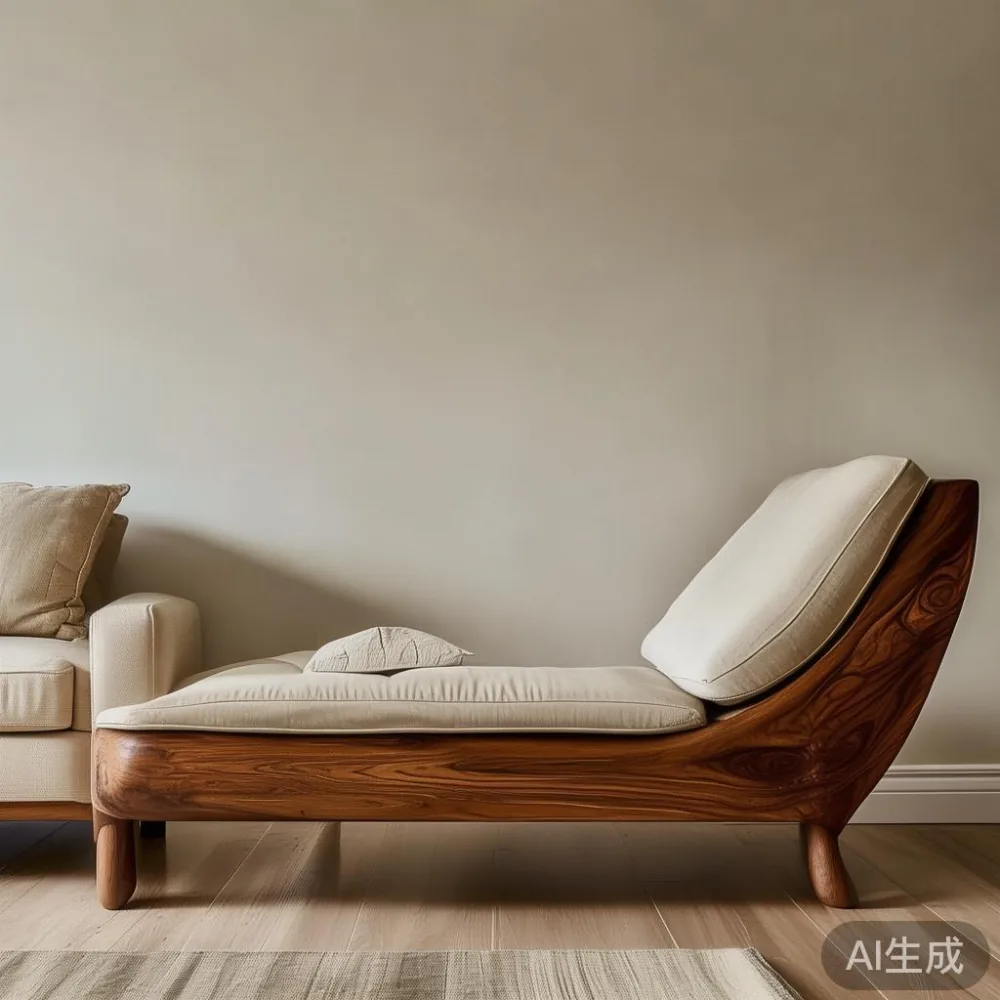
This guide explains, in plain numbers and Singapore context, what humidity does to a solid wood sofa, bed frame, dining table, wardrobe, nightstand, and marble table — and what you can practically do about it. I work closely with Foshan workshops that ship container-loads to Jurong and Tuas every quarter, and I have seen what ten years of equatorial weather does to furniture made well, and what it does to furniture made carelessly.
Why Singapore's Air is a Different Animal From Beijing or Berlin
The annual average relative humidity in Singapore is around 82%. The monthly figure never really falls below 70% — even in the "dry" months of February and March. By contrast, Beijing drops below 40% in winter, and Berlin averages around 75% with a much wider annual swing. Wood reaches equilibrium moisture content with the air around it. For an oak chaise lounge or a French provincial dining table, that target sits between 8% and 12% moisture content in a temperate climate. In Singapore, it creeps up to 14% to 18%, depending on the room.
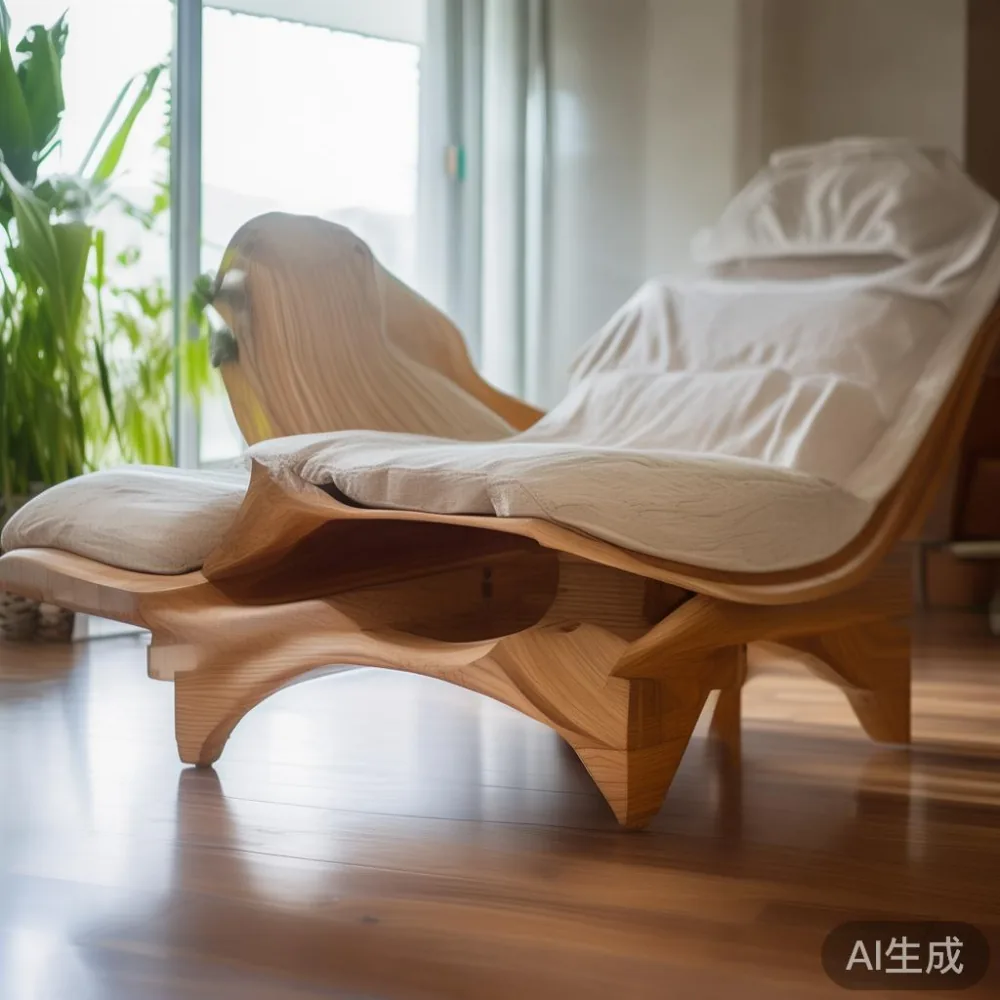
What you feel is small but daily: a wardrobe door that swells 1 to 2 mm in August, a dining table top that bows outward 3 mm across its width by November, a bed frame rail that tightens against the headboard. None of this is breakage. It is wood doing what oak, ash, walnut, and teak have always done — absorbing and releasing bound water through the cell walls.
For homeowners in condominiums along the East Coast, sea breezes push salt-laden moisture into balcony-facing living rooms. I measured 86% RH in a client's Marine Parade corner unit last August with a £15 digital hygrometer from Sim Lim Square. The same hygrometer reads 62% in a Tampines North HDB flat on the 14th storey facing the carpark. Three storeys of vertical separation and a different wind exposure meant a 24 percentage-point gap.
Is the lift wide enough to get a 2.4-metre wardrobe into my HDB block?
This is the question that catches almost every Singapore furniture shopper by surprise. Standard HDB lift cars in blocks built between 1985 and 2010 are roughly 1.1 m wide by 1.4 m deep, with a door opening of about 0.9 m. Newer BTOs in Punggol and Sengkang sometimes offer 1.2 m by 1.5 m cabins. A 2.4 m tall wardrobe in solid wood will not fit through that door fully assembled, and it weighs anywhere from 90 kg (two-door, rubberwood) to 180 kg (three-door, oak with drawer bank).
Three workable answers exist. First, buy a wardrobe that arrives knocked-down in flat-pack crates under 30 kg each — five or six cartons carry one wardrobe, and a single delivery person can ferry it to the 18th floor. Second, hoist it through a window using HDB-approved riggers, which costs roughly SGD 280 to SGD 450 per wardrobe depending on floor and orientation. Third, ask the factory to split the wardrobe vertically into two halves with dowel-and-bolt joinery, which adds SGD 180 to the order but keeps the weight of each piece below 60 kg so two porters plus the lift handle it cleanly.
The same arithmetic applies to a 2.0 m solid wood dining table. A 1.0 m by 2.0 m marble table, with the stone slab alone weighing close to 90 kg, usually needs window hoisting regardless of corridor width. Corridors in HDB blocks are 1.2 m wide with right-angle turns every 18 m or so — fine for a sofa, less fine for a 90-degree corner-turn with a 2.4 m wardrobe on a hand truck.
What Humidity Does to Specific Pieces (and the Numbers Behind It)
A 2.2 m solid wood sofa frame. Oak frames expand across the grain about 0.2% for every 4 percentage-point rise in humidity. Over 2,200 mm, that is roughly 4.4 mm of seasonal movement across the back rail. Well-designed frames accommodate this with floating tenons or slotted bolt holes — one of the reasons Asian-made French light luxury and American light luxury sofas tend to feel solid for 8 to 12 years. Frames with glued-only dowels will crack along the rail within 36 months.
A 1.8 m bed frame. Side rails bow outward by 2 to 5 mm in peak humidity, which pushes headboard joints apart if the joinery is square-cut. Look for frames using mortise-and-tenon with elongated bolt slots. If you are searching for a Minimalist bed for 2026, prioritise factories that kiln-dry their hardwood to 10% to 12% moisture content before assembly — this gives the bed a small buffer for equatorial homes.
A dining table in walnut or oak. Top slabs 4 cm thick, 0.9 m wide, and 1.8 m long can cup 1 to 3 mm at the edges during monsoon season. Breadboard ends with slot-and-batten joinery let the slab move without splitting. Tables fixed with a solid skirt and no allowance will crack at the centre within two wet seasons. If your shortlist includes a French provincial dining table, ask the seller how the top is attached to the apron — a wooden Z-clip or a sliding dovetail is what you want, not corner brackets glued in place.
A wardrobe or armoire. Expect 1 to 2 mm of door-rub in September and October. Tip-out hinges, which push the door open by 4 mm at the top, prevent the lacquer from sealing against the frame. The cheapest hinge on the market does not have this geometry.
A marble table. Marble moves only about one-tenth as much as wood, but the wooden sub-frame under a 90 kg stone slab moves plenty. Asian factories typically use a moisture-resistant plywood bed with aluminium clips every 25 cm — a sensible compromise at under 2000 light luxury furniture price points. MDF cores that get wet at a Jurong port during a downpour will swell 8% in volume within 48 hours, ruining the slab's flatness.
A nightstand. Drawer fronts 35 cm wide will rack 1 mm in peak humidity. Quality slides with 12 mm of side-to-side travel (called "sideplay") absorb this without binding. Cheap 4 mm slides will stick within the first wet season.
A Practical Care Routine That Costs Less Than SGD 200 a Year
Forget the folk remedies. Furniture waxes, lemon oil, and silicone sprays do very little in air that is 80% humid. Instead, control the room.
Run a dehumidifier set to 60% RH in the room where your chaise lounge, solid wood sofa, or bed frame sits. The most common domestic unit on Lazada and Shopee draws 200 to 300 W and costs about SGD 0.08 per hour to run, or roughly SGD 35 to SGD 55 a month if you keep it on a hygrometer-controlled cycle for 12 hours a day. With the current 9% GST on electricity, that brings an honest SGD 450 to SGD 700 per year.
Wipe every visible wood surface with a microfiber cloth once a week. For cleaning, mix 5 ml of mild dish soap into 500 ml of water, damp-wipe (never soaking), then dry with a second cloth within 90 seconds. Once every 90 days, apply a paste wax such as Howard Feed-N-Wax; a 300 ml tin costs SGD 22 at most hardware chains and covers 8 to 12 m². Paste wax slows moisture exchange at the surface by about 30% and adds a soft sheen that suits a French provincial or post-modern light luxury aesthetic.
Keep solid wood furniture 30 cm away from air-conditioner vents. Cold air dropping surface wood temperature below the dew point causes condensation on the lacquer, leaving white rings. I have seen three such rings on a client's MIDHILL TV console last November, traced back to a cassette unit blowing straight onto the side panel.
Rotate dining table leaves and bed frame slats every 6 months if possible. Uneven exposure to a single window light source causes one side of a piece to dry faster than the other, producing twist as the moisture gradient walks across the slab.
Choosing the Right Factory: What to Ask Before You Pay the Deposit
Most Singapore showrooms brand pieces they do not make, so a few questions can save you a 6-week wait and a stress claim. Ask for the kiln-dried moisture content reading of the timber at assembly. A workshop that knows its craft will quote a number between 8% and 12% for an air-dried environment, or 10% to 13% for pieces destined for Southeast Asia. Ask whether the joinery is mortise-and-tenon, dowel-and-glue, or biscuit. For a chaise lounge or any frame that will see daily body weight, you want mortise-and-tenon, ideally with corner braces that you can see through a service panel.
A French provincial dining table that uses Asian hardwood with a wire-brushed distressed finish costs SGD 1,400 to SGD 2,600 for a six-seater in Singapore retail. A post-modern light luxury equivalent in walnut with a smooth satin finish runs SGD 2,200 to SGD 4,000. Solid wood bedroom sets under 2000 light luxury furniture are achievable if you skip the dresser and pair a bare bed frame with a freestanding mirror — expect SGD 1,600 for a queen-size ash bed frame from a Foshan supplier shipping directly.
Foshan workshops shipping to Tuas Free Trade Zone have spent fifteen years learning what equatorial buyers will and will not accept. A factory established in 2008, exporting to 15+ countries and willing to back frames with a 10-year structural warranty and lifetime refinishing offers a different risk profile than a trading company that rebrands OEM stock every quarter. Free shipping over US$350 typically converts to free shipping over SGD 480, well below the cost of a single nightstand or accent chair. 14-day returns cover transit damage, which arrives in about 4% of sea-freight shipments from mainland China — most factories offer 3% spare parts on every container for exactly this reason.
I unpacked one such container at a Tuas warehouse in February — 280 cartons, 6 MIDHILL TV console units, 18 dining tables, 40 nightstands — and the wood was at 11.4% moisture content on the kiln sample, exactly what a Singapore home needs before the first monsoon finds it.
Will my chaise lounge, bed frame, or wardrobe cup or crack over time?
Yes, slightly — that is the honest answer. A solid wood chaise lounge will cup 1 to 3 mm across its arms during peak humidity, and a flat-sawn oak wardrobe door will bow 2 to 4 mm in August. Both are normal and reversible. Cracking is different. Cracking means the joints failed because the wood was restrained, the timber was dried too aggressively (below 6% moisture content), or the joinery relied on glue only.
Three control points keep movement in the cosmetic range rather than the structural range. First, run the room between 55% and 65% RH with a dehumidifier. Second, pick furniture with floating tenons, slotted bolt holes, breadboard ends, and tip-out hinges. Third, refinish the piece every 5 to 7 years — a sand-and-oil recoat refreshes the surface seal and resets the moisture exchange rate to factory levels. Workshops in Foshan that offer lifetime refinishing and door-to-door logistics from Tuas to your Tampines flat make this practical at roughly SGD 280 to SGD 450 per dining table or bed frame.
Your home in Singapore will never be as dry as a Berlin apartment or a New York loft. The trick is not to fight the climate but to design around it: kiln-dried timber in the 10% to 13% moisture range, joinery that allows 2 to 5 mm of seasonal travel, and a dehumidifier doing 12 hours a day in the rooms where your chaise lounge, solid wood sofa, bed frame, dining table, wardrobe, nightstand, and marble table live. Do those three things, and a 2.4 m French provincial wardrobe from a serious Foshan workshop will still be standing when your children move out — a small piece of craftsmanship that lasts longer than the HDB lease it sits in.
How long does delivery take from Foshan to Tampines, and what does it cost?
Most factory-direct shipments depart Yantian port, clear Singapore customs in 7 to 10 working days, and reach a Tuas or Jurong warehouse within 3 more days. From there, Singapore courier delivery to a Tampines or Bedok address costs SGD 35 to SGD 85 per trip and arrives in 2 to 5 working days. Orders above the free-shipping threshold (US$350, or about SGD 480) avoid the per-trip fee entirely. Sea freight remains cheaper than air freight by roughly 65% — an air-freighted chaise lounge to a Punggol condo arrives in 9 to 12 days but adds SGD 220 to SGD 400 to the order.
Where can I see pieces before I commit?
Several Foshan factories operate showrooms in Singapore's Tan Boon Liat Building, IMM, or along Alexandra Road, where you can sit on a chaise lounge and inspect the joinery under retail lighting. Bring a small hygrometer and a tape measure to compare the piece against your HDB lift and corridor dimensions. A 30-minute visit is worth 30 nights of second-guessing after the cartons arrive.