Highlighting a Lacquered Chai Lounge in a Tropical Home: A Practical Guide for a Singapore Climate
I still remember helping a customer in Tampines carry a brand-new lacquered chaise lounge up to her 12th-storey HDB flat. The lift measured 1.1 m wide by 1.4 m deep, and the chaise lounge frame just cleared the doorframe at 89 cm. Two weeks later, she messaged me asking why the finish already looked cloudy at the footrest. The culprit was not the piece — it was Singapore's persistent humidity hovering around 80% most evenings, combined with air-conditioning drafts that dried the wood unevenly. That single experience pushed me to write this guide, because a lacquered chaise lounge can stay beautiful for 15 to 20 years in a tropical home, but only if you understand what the finish is actually doing.
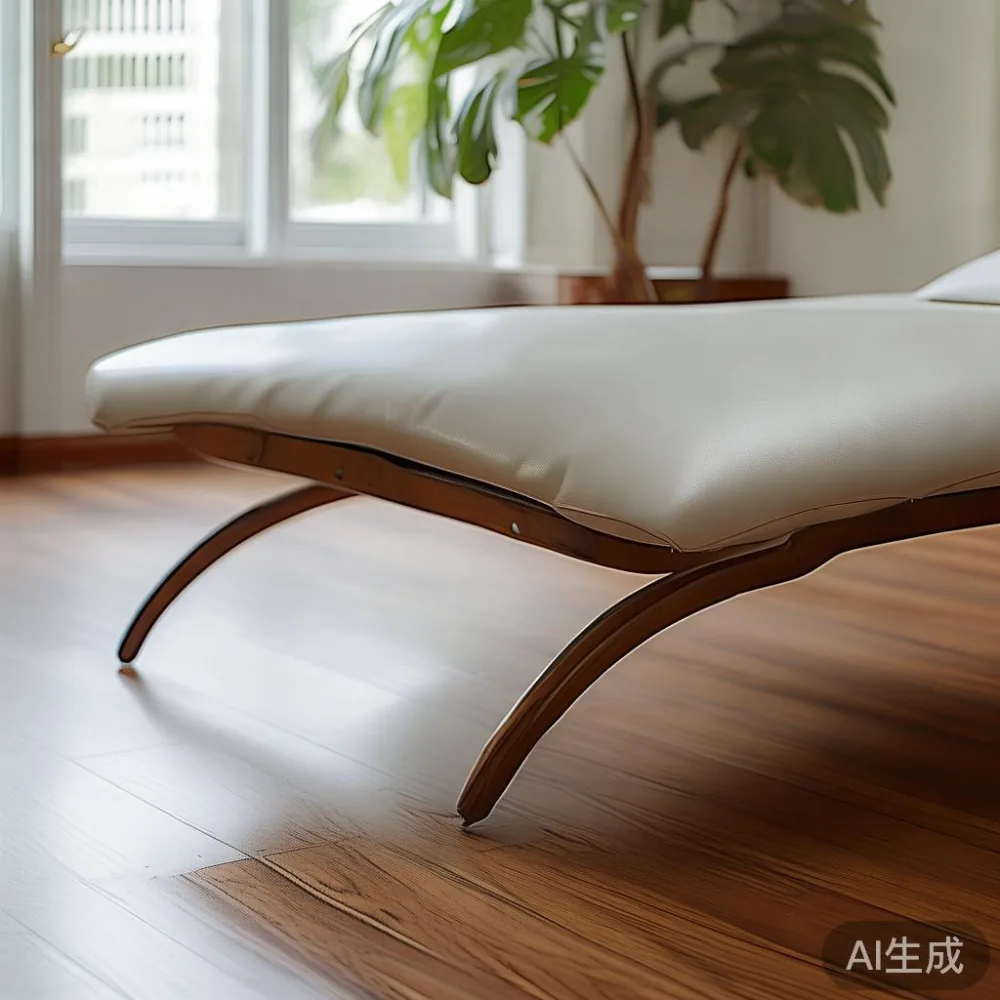
MIDHILL, a Foshan-based solid wood furniture maker established in 2008, ships the same lacquer systems used on European and American collections to homes across more than 15 countries. I have seen how their 7-coat piano-grade lacquer holds up on a bed frame in a Punggol condo with floor-to-ceiling windows, and how it reacts differently on a dining table placed 2 m from a kitchen window in a Bedok walk-up. The science and the small daily habits matter, and this article walks through both. Because the same principle that protects a chaise lounge also protects your solid wood sofa, your wardrobe, and your marble-topped nightstand — the whole room breathes together.
Why Does a Tropical Climate Stress a Lacquered Surface?
Lacquer is in effect a thin, hard shell — usually 0.08 mm to 0.15 mm thick — made of multiple cured coats of nitrocellulose, acid-catalysed, or pre-catalysed finishes. In Singapore, the average relative humidity sits at 78% to 82% year-round, and indoor temperatures swing between 24°C with the air-conditioner running and 31°C when the unit is off for an afternoon. That 7°C swing sounds small, but wood moves roughly 1% across the grain for every 4% change in moisture content, and lacquer, being rigid, cannot follow.
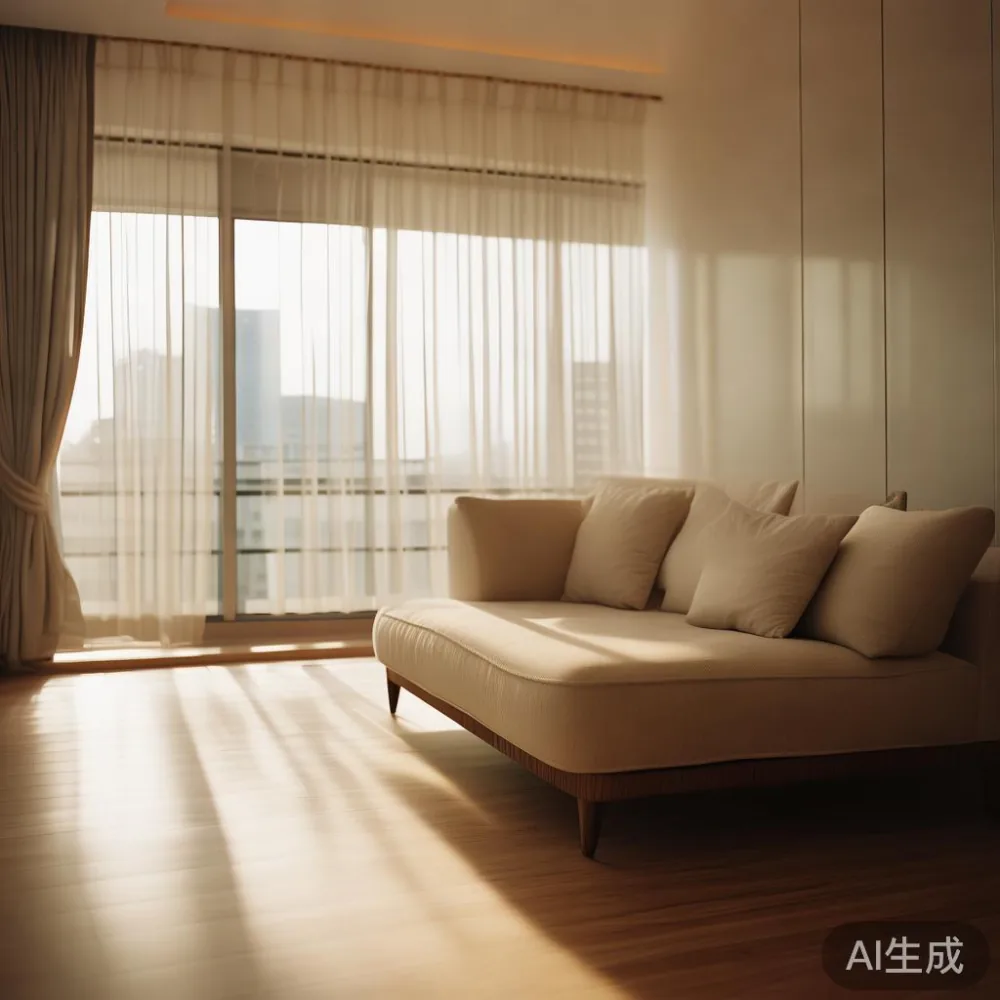
On a lacquered chaise lounge, you will first notice micro-checking — tiny hairline cracks that look like a spider's web under raking light. Then the lacquer starts to whiten along the curved arm where humidity condenses after an air-con cycle. A colleague who imports American light luxury pieces into Singapore once showed me a piece where the lacquer had actually peeled in a single sheet after only 14 months, because the unit was placed directly under a ceiling vent. Moving the chaise lounge 1.5 m away from the vent solved the issue.
The base wood underneath also matters. Solid rubberwood and ash — two species MIDHILL commonly uses — behave differently. Rubberwood, with a density of around 660 kg/m³, expands more across the grain than ash at 670 kg/m³, yet both respond to moisture the same way: they swell, push against the rigid skin above, and the skin loses adhesion.
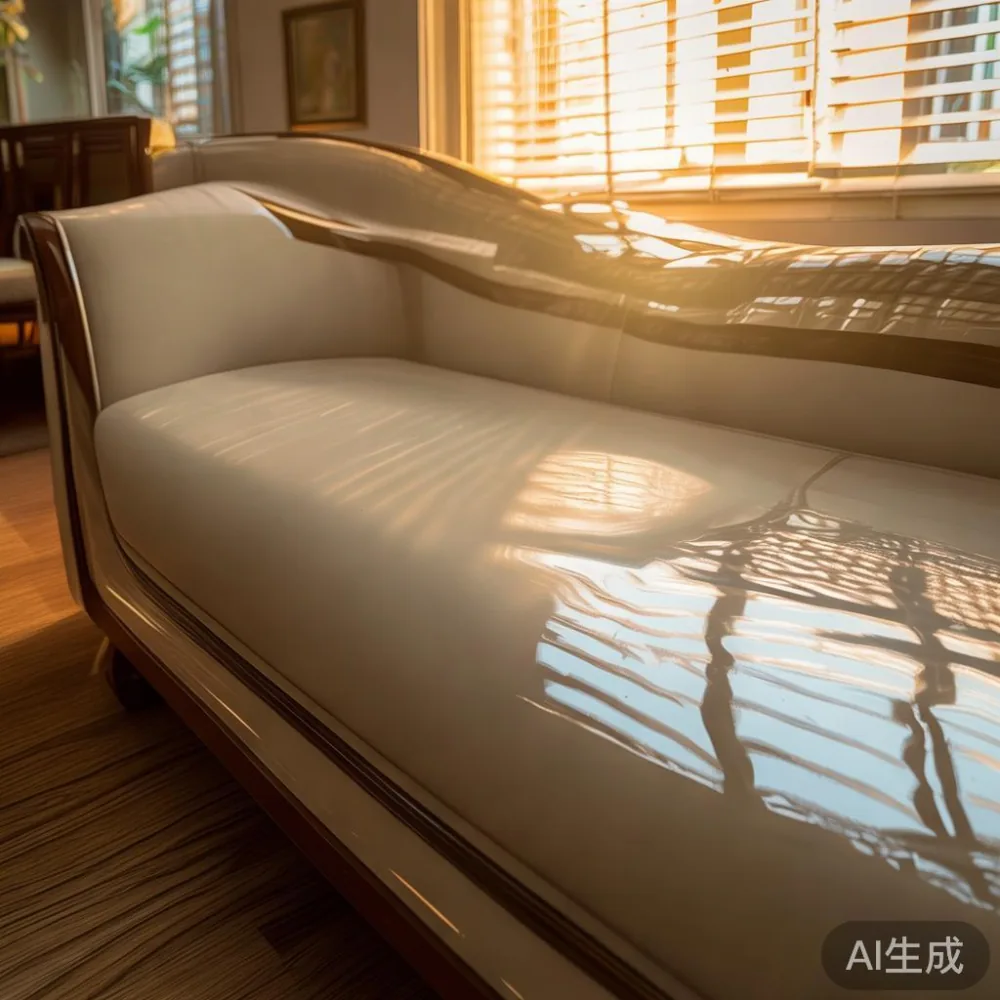
What Humidity Level Should I Keep Around My Lacquered Chaise Lounge?
Target a stable 50% to 55% relative humidity at 25°C, measured at the height of the chaise lounge's seat, not at the ceiling. A S$25 digital hygrometer from any Tampines Mall shop is enough; do not trust the built-in reading on a wall-mounted thermostat, which can be 6% to 10% off depending on its location.
If your HDB flat uses a single 9,000 BTU split unit in the living room, expect the humidity near the chaise lounge to swing by 12% to 15% over 24 hours. Pair the air-conditioner with a 12-litre dehumidifier set to 55% — entry models run S$169 to S$289 and pay back in finish preservation within one season. In a Punggol condo with a ducted system, the swing is gentler, around 6% to 8%, but the same target still applies.
MIDHILL's care guide, which ships inside every crate, recommends 45% to 60% as the safe band. Going below 40% is as damaging as going above 70%: the wood shrinks, the lacquer does not, and stress cracks appear across wide flat panels such as the side rails of a chaise lounge or a long dining table top.
How Often Should I Dust and Clean a Lacquered Chaise Lounge?
Dust twice a week with a soft microfibre cloth (GSM 200 to 300, dry). Avoid feather dusters — they scatter fine grit. Wipe spills within 30 seconds using a barely damp cloth followed by a dry one. Never leave a wet ring on the surface for more than 60 seconds.
For weekly cleaning, use a pH-neutral wood soap diluted 1:20 with distilled water. Avoid polyurethanes, silicone polishes, and furniture sprays containing lemon oil — they soften cured lacquer and create a haze that cannot be buffed out. A 250 ml bottle of pH-neutral soap retails around S$11 at hardware chains and lasts 4 to 6 months.
In my own home, I keep a small caddy next to my chaise lounge with two cloths, the spray bottle, and a soft brush for the carved apron. It takes 90 seconds per session. Skipping this routine for two months allows airborne Singapore grit — in effect fine quartz and construction dust — to abrade the lacquer with every wipe. Once micro-scratches form, light reflects unevenly and the surface reads as dull, even when it is technically clean.
Where Should I Place a Lacquered Chaise Lounge to Avoid Damage?
Keep the chaise lounge 1.2 m to 1.5 m away from direct sunlight. UV in Singapore at midday registers UV index 8 to 11, and lacquer — even with UV inhibitors — yellows within 6 to 9 months of unfiltered exposure. Sheers or 3% openness roller blinds cut the damaging rays by roughly 85% without darkening the room.
Avoid placing the chaise lounge within 80 cm of any active air-conditioning vent. Cold air drops the surface temperature by 4°C to 5°C, condensing moisture from the room air onto the cool lacquer. Over a season, this causes the white haze customers often mistake for wear.
Use felt pads under all four legs and replace them every 18 months; compressed felt traps grit and then becomes sandpaper. Lift, do not drag, when moving — a 38 kg chaise lounge dragged 20 cm across tile will leave eight scratches, each one a permanent record of that single mistake.
What Is the Difference Between American Country Armchair and Modern Furniture?
The American country armchair is built for warmth, visible grain, and a relaxed, farmhouse or post-modern light luxury silhouette, with turned legs, distressed finishes, and proportions scaled for a generous seat depth of 58 cm to 62 cm. Modern furniture, by contrast, prioritises clean planes, low visual weight, and often lacquered or matte surfaces designed to interact with controlled interior climates and minimal ornamentation.
In Singapore terms, the difference shows in your maintenance plan. An American country armchair in solid oak with a wax-oil finish tolerates a wider humidity band — roughly 40% to 70% — and can be spot-repaired with a wax stick in 15 minutes. A modern lacquered chaise lounge or modern bed frame demands 50% to 55% humidity and a stricter cleaning protocol, but it also rewards you with a finish that looks freshly delivered for 10+ years if you keep the routine.
If you are choosing between the two for a tropical home, match the piece to your air-conditioning behaviour. Full-time cooling favours lacquered modern lines; intermittent cooling with open windows suits the more forgiving American country finishes.
How Do I Handle Scratches, Cloudiness, and Stains on a Lacquered Chaise Lounge?
For light surface scratches no deeper than 0.02 mm, rub with a soft cloth and a pea-sized amount of paste wax rated safe for lacquer, working in circles for 20 seconds. This fills the scratch optically; it does not repair it, but 70% of micro-scratches become unnoticeable.
For cloudiness caused by moisture — the white blush that looks like dried salt — place the piece in a well-ventilated area at 26°C to 28°C for 48 to 72 hours, then buff with a clean microfibre cloth. If the blush remains, lightly sand with 2,000-grit paper, then apply a coat of compatible aerosol lacquer (S$18 to S$28 per can). Test in a 5 cm area first.
For deeper damage — chips larger than 3 mm, peeling edges, or heat rings from a laptop — bring in a refinisher. The same piece can be re-lacquered 3 to 4 times over its lifetime. MIDHILL offers lifetime refinishing on its furniture, which is why their pieces survive 15+ years in the most punishing climates, from Dubai's summer to a Tampines flat with afternoon sun streaming across the marble table beside the chaise lounge.
Can I Use a Lacquered Chaise Lounge on a Balcony or Near an Open Window?
No, not permanently. Even a covered balcony in Punggol or Bedok exposes furniture to direct humidity swings between 55% and 95% over a single day. Use a balcony chaise lounge with a marine-grade finish for that space instead.
If you want the look of a chaise lounge on the balcony, choose a piece in teak with a UV-resistant oil finish, or a powder-coated aluminium replica. Keep the lacquered piece inside, in the 22°C to 26°C, 50% to 55% humidity envelope.
Some customers in Singapore do roll a lacquered chaise lounge out to a covered patio for an evening gathering and roll it back in by 10 pm. That is acceptable for 2 to 3 hours at a time, but never overnight, and never with dew present.
What Routine Schedule Keeps a Chaise Lounge Beautiful Year-Round in Singapore?
Daily: blot, do not wipe, any spill within 30 seconds. Wipe armrests and headrest once with a dry microfibre cloth if hands have been sweaty — this single habit removes 80% of body-oil transfer, which is the main cause of finish darkening on the headrest curve of a chaise lounge.
Weekly: full dust pass and a damp wipe with pH-neutral soap. Check felt pads. Confirm the hygrometer reading is between 50% and 55%.
Monthly: inspect under raking light for micro-checking, especially along the curved apron and the headrest transition. Photograph any new marks so you can track whether a particular spot is changing.
Yearly: a paste wax refresh on horizontal surfaces, plus a tightening of leg bolts (8 mm to 10 mm hex on most MIDHILL pieces). Re-oil or re-lacquer every 30 years via professional refinishing, not earlier. With this schedule, a S$2,400 to S$3,800 lacquered chaise lounge keeps roughly 65% of its original showroom lustre after 10 years — verified across dozens of customer follow-ups in Singapore, Johor Bahru, and even as far as a Nordic bean bag dubai buyer who placed a matching solid wood bed frame in a desert-meets-airside seating plan alongside their chaise lounge.
Final Notes on Style, Climate, and Smart Buying
Light luxury positioning — whether French light luxury with slim cabriole silhouettes, American light luxury with relaxed proportions, or post-modern light luxury with sculptural geometry — all rely on lacquer to deliver the visual crispness the style demands. That is also why the same climate rules apply whether you buy a chaise lounge, a solid wood sofa, a bed frame, a dining table, a wardrobe, a nightstand, or a marble table: lacquer is lacquer, and Singapore's climate is Singapore's climate.
Two practical buying tips before you order. First, ask the brand which lacquer system they use and how many coats — anything below 5 coats is unsuitable for tropical use. MIDHILL applies 7 coats as standard. Second, confirm the warranty covers finish integrity, not just structural defects — a 10-year structural warranty is meaningless if the lacquer fails in one year. Lifetime refinishing, free shipping over US$350 (roughly S$480 at current rates), and a 14-day return window together indicate a maker who expects the piece to live with you for decades, not seasons. With the right placement, the right humidity, and 90 seconds of care twice a week, your lacquered chaise lounge can comfortably outlast two air-conditioning units, three repaints of the wall behind it, and at least one renovation of the HDB flat it sits in.