How Southeast Asian Humidity Affects Wood Furniture
Singapore’s climate can change a solid wood piece more quickly than many buyers expect. Air humidity rises during the monsoon periods, remains high for much of the year, and can settle inside an HDB flat or condominium where ventilation is limited. That repeated moisture exposure affects the drying and swelling of timber, the alignment of joints, the stability of drawer runners and the appearance of a wood chaise lounge. Good furniture design accounts for normal seasonal movement instead of treating every millimetre as a defect.
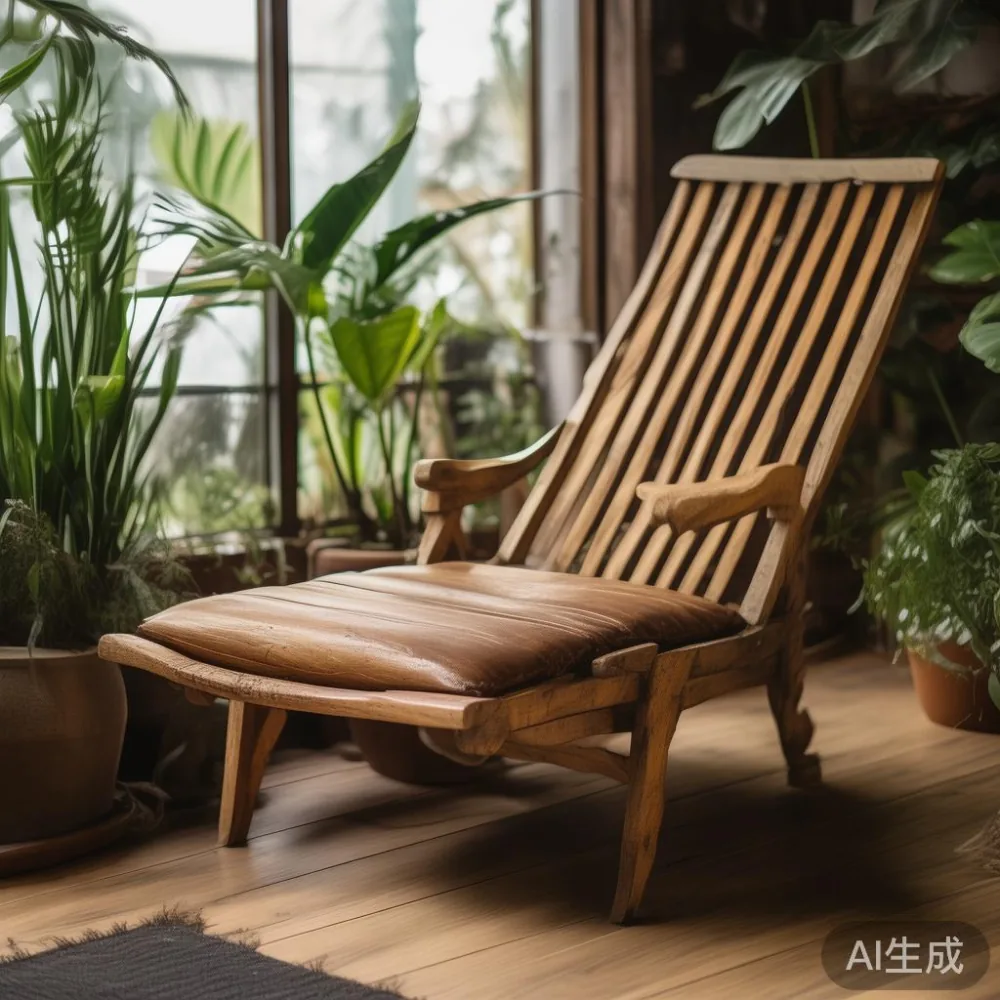
For households in Tampines, Bedok and Punggol, the practical question is not simply whether wood can survive in Singapore. It can, when the species, finish, construction and care plan are suitable. The better question is how moisture is managed around the furniture. MIDHILL was established in 2008 and now exports to more than 15 countries, giving its production team practical experience with climate variations and long-distance delivery.
Why does humidity affect solid wood furniture in Singapore?
Wood is hygroscopic: it absorbs moisture when the surrounding air is humid and releases it when the air becomes drier. A change in moisture content can cause a solid wood sofa, bed frame, dining table, wardrobe or nightstand to expand, contract, cup or develop small joint gaps. The movement depends on the species, the cut of the board, its thickness, the way it was dried and how the panels are assembled.
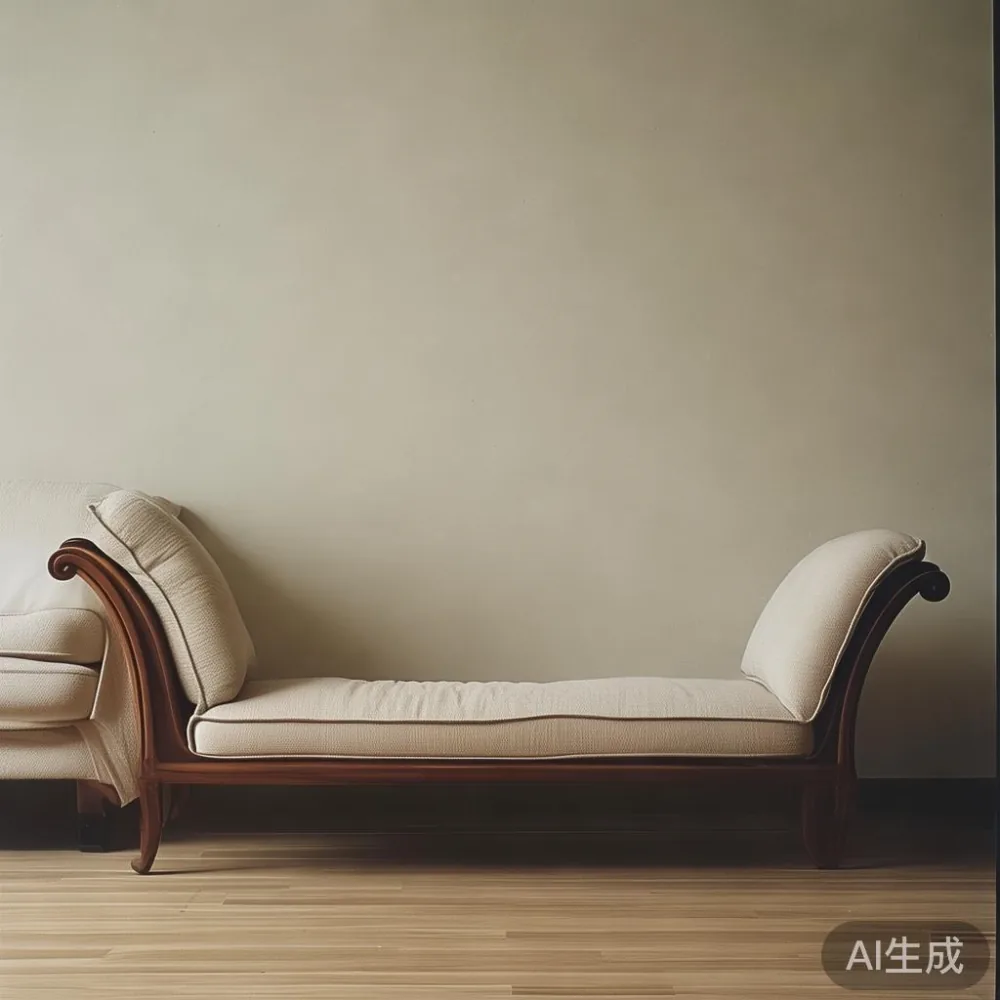
Singapore’s relative humidity commonly ranges from roughly 60% to 85%, with higher readings during wet periods. Air-conditioned rooms may sit nearer 40% to 60%, while sheltered corridors and unconditioned balconies can experience sharper changes. The surface temperature of a finished panel also matters. A chaise lounge placed beside an open window can react differently from the same piece kept in a conditioned living room.
Solid wood generally tolerates normal movement better than poorly made engineered boards. Veneered panels can also perform well, but their long-term behaviour depends heavily on the quality of the substrate, adhesive and edge sealing. A well-made solid wood dining table should remain serviceable when its top moves by 1 to 3 mm across its width under seasonal conditions, provided it was designed for that movement.
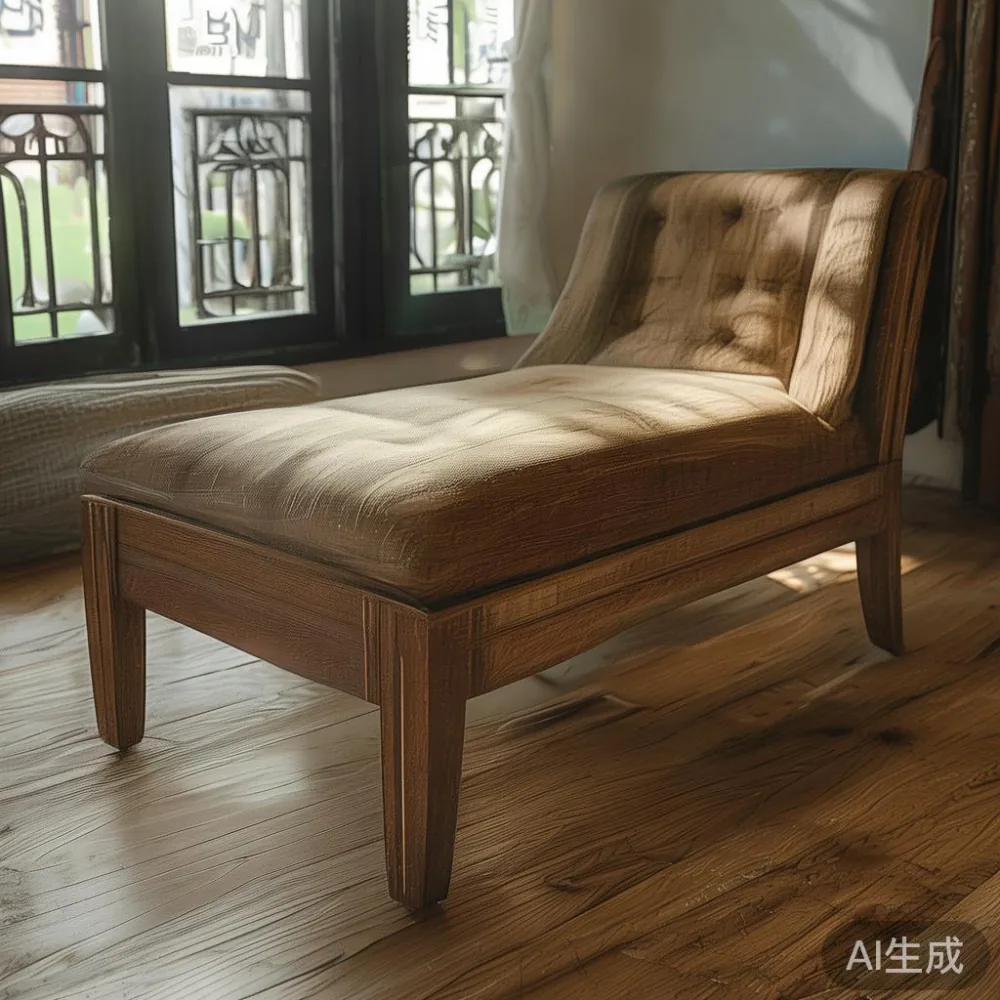
I tested one MIDHILL chaise lounge in a humid room during a consultancy visit last month. The room measured approximately 4.2 by 3.6 metres, with relative humidity between 76% and 84% over 10 days. A digital meter registered a surface reading of 17.8% on the finished oak section and 18.1% on an uncoated control sample. The frame stayed square, while the movable back cushion compressed normally and showed no mould or joint separation.
Which wood species suit Southeast Asian humidity?
No single species is completely immune to humidity. Buyers should distinguish among solid hardwoods, stable hardwoods and woods that require more careful protection. Teak and white oak are commonly chosen for their strength and stability. Ash, maple, beech and birch can work well in conditioned interiors, while walnut, cherry and similar fine hardwoods need steadier humidity control.
The manufacturing method matters as much as the label. Kiln drying should reduce moisture to an appropriate level before machining, while acclimatisation allows finished pieces to adjust gradually after delivery. A ten-year structural warranty can indicate confidence in joinery and load paths, but it does not replace sensible indoor care. The finish should be compatible with the timber and should not be allowed to crack merely because the furniture was exposed to excessive moisture.
For a chaise lounge, solid hardwood rails and legs are especially useful near balconies or ensuite bedrooms. A removable upholstered cushion is easier to dry than a fixed fabric panel. For a solid wood sofa, the frame should use mechanically fastened or properly engineered joints rather than relying only on short screws in end grain. A bed frame should permit slight movement without pulling against a wall, and a wardrobe should be fitted with ventilation gaps where external walls trap moisture.
Humidity also affects marble table tops indirectly. Marble is not a wood product and does not expand in the same way, but condensation can reach the stone or its support. A dining table with a marble top should therefore have a stable base, protected edges and enough clearance from open windows. The same rule applies to a European light luxury dressing table with a marble surface: polished stone needs controlled contact with moisture and acidic liquids.
How should I prepare a new chaise lounge for an HDB flat?
Give the furniture at least 7 to 14 days to acclimatise in its final room. Leave it away from air-conditioning outlets, direct fans, open windows and bathroom walls. Do not place a plastic sheet directly against a wood surface because trapped moisture can remain beneath it. If protective wrapping is required, use breathable material and remove it as soon as practical.
Measure the intended position before delivery. HDB corridors and lift lobbies can be narrow, and a chaise lounge may need to enter through the front door, turn in a hallway and pass into a living room. A folded or modular chaise lounge can be easier to manoeuvre than a fixed frame. Check the package dimensions against the door opening rather than estimating from the furniture alone.
Use a moisture meter rather than judging by touch. A reading between 8% and 13% is a reasonable reference for many indoor solid wood pieces, although the species and manufacturing specification may differ. If the meter reads above 18% in a frequently damp location, improve ventilation before adding more oil or polish.
For compact flats, Minimalist for small living room is a sensible design direction because it reduces visual clutter without making the furniture feel disposable. A low-profile chaise lounge in a light timber finish can preserve floor space, while a slim solid wood sofa can define the seating zone. Avoid crowding the piece with side tables. A narrow nightstand or a wall-mounted shelf can provide the required surface area without narrowing circulation.
Singapore’s GST is already included in displayed retail prices for consumer purchases, so buyers should compare the final SGD amount rather than attempting to remove tax twice. Allow around SGD 500 to SGD 1,800 for a well-finished solid wood chaise lounge, depending on dimensions and upholstery. Larger solid wood sofas can range from SGD 1,900 to SGD 4,500, while a hardwood bed frame may cost SGD 900 to SGD 2,600.
What humidity control works inside a condo?
Target indoor relative humidity around 45% to 65% where possible. That range supports human comfort and limits repeated swelling and shrinking of timber. Bedrooms benefit most from stable conditions because wardrobes, bed frames and nightstands often sit close to external walls. In a Tampines HDB flat, running the bedroom air conditioner for 1 to 2 hours before sleep can bring a damp room into a more stable range. The air-conditioner’s dry mode or a suitable dehumidifier may assist during prolonged wet weather.
Use hygrometers in at least 2 locations: one near the sofa and another near the wardrobe or bed frame. Place them at about 100 cm above the floor and away from vents. Readings should be checked over several days, not judged during a brief visit. A daily average between 50% and 65% indicates a fairly stable interior. Readings above 75% for more than 12 hours call for ventilation or dehumidification.
Keep furniture at least 10 to 20 cm from external walls where possible, especially in Bedok and Punggol units with deep window ledges. Do not drape throws over a solid wood sofa for long periods, since the fabric can retain moisture against the timber. Wipe spills promptly with a soft cloth and dry the surface within about 30 minutes.
Humidity control should not create a different problem. In an over-air-conditioned bedroom, relative humidity can fall below 40%, which may cause greater contraction. A practical target is moderate and consistent rather than as low as possible. If condensation appears on a window or marble table, reduce direct exposure and moderate the cooling setting.
How do I care for a solid wood sofa, bed frame and dining table?
Clean with a dry or lightly damp microfibre cloth. Avoid silicone sprays, ammonia, abrasive pads and generic household cleaners. For a solid wood sofa, lift cushions and inspect beneath them every 2 to 3 months, particularly in humid weather. Small trapped particles do little damage, but persistent dampness can affect fabric and timber.
For a bed frame, check the slats, centre supports and fixing points every 6 months. Tighten loose hardware by hand; excessive force can split the wood. A model suitable for the best Coastal bed for 2026 should combine stable joinery, useful dimensions and a finish designed for warm, humid interiors. In a smaller room, a bed around 160 by 200 cm may leave only 60 to 80 cm beside one side, while a queen at 180 by 200 cm can make a narrow bedroom feel tighter.
For a dining table, wipe the top after meals and use coasters or a placemat under hot or wet items. Heat can open a finish faster than moisture alone. A stable solid wood dining table should have an even top and sound joinery, and should be checked for movement rather than immobilized between walls.
For a wardrobe, allow about 5 cm above tall units where ventilation is needed, subject to the manufacturer’s installation instructions. Inspect hinges and runners every 6 to 12 months. If you are comparing options, the best light luxury wardrobe for 2026 should be assessed for frame stability, moisture-conscious finishes, useful internal storage and clearances in local rooms. A full-height model may require a doorway or lift check even when the unit itself fits.
Refinishing should follow the finish system rather than a universal recipe. Oiled timber often needs another maintenance coat every 12 to 24 months, while lacquered surfaces may need a full refinishing cycle after several years. MIDHILL provides lifetime refinishing, which can extend the usable life of eligible pieces and reduce the pressure to replace furniture because of surface wear.
Can light luxury design work in a humid Singapore home?
Yes. French light luxury, American light luxury and post-modern light luxury can all suit Southeast Asian interiors when their materials are used with restraint and care. French light luxury often favours pale timber, curved profiles and refined upholstery, making it suitable for a chaise lounge with a solid timber frame. American light luxury tends to pair generous proportions with durable natural materials, useful for a larger solid wood sofa. Post-modern light luxury can introduce clean geometry, mixed textures and a marble table without overwhelming a compact living room.
The comparison between a light luxury bed vs Nordic bed is partly about construction and partly about visual weight. A light luxury bed may use thicker profiles, decorative details or upholstered surfaces, while a Nordic bed often emphasises simplicity and pale wood. Humidity management remains similar: stable joinery, controlled indoor conditions and regular care.
For practical styling guidance, how to style European light luxury bed in bedroom starts with measuring the wall, bed and circulation route. Leave 55 to 70 cm beside a bed if a person must walk there, and keep a nightstand close enough to reach without stretching. A European light luxury dressing table can anchor one wall, but place it away from a shower or open balcony door. A marble top should not be positioned where damp clothing or plants can repeatedly touch the surface.
Light colours show dust and fingerprints more readily, while deeper finishes can make small marks less visible. Neither choice removes the need for moisture control. Ask for sample timber and finish references, then compare them under the room’s actual lighting at different times of day.
What should I check before delivery and installation?
Ask for the finished dimensions, package dimensions and weight. A chaise lounge may weigh 45 to 85 kg, and a large bed frame may weigh 70 to 120 kg. These figures affect the number of handlers, lift booking and stair route. A mover may need 15 to 30 minutes to position a heavy package inside a flat, especially if the corridor turns are tight.
Confirm the delivery window rather than relying on a vague arrival date. Furniture made to order can require roughly 4 to 8 weeks, plus delivery time. Local stock may be available sooner. MIDHILL offers free shipping for orders over US$350, although the final SGD price and delivery scope should be confirmed for the destination address.
Singapore consumers also have a 14-day return opportunity under applicable terms, so furniture dimensions and access should be checked before a non-refundable custom order is confirmed. For made-to-order pieces, photographs or a signed dimension brief can prevent misunderstandings.
After delivery, inspect the furniture within 24 hours. Look for moisture marks, finish defects, loose joints and damage to corners or runners. Photograph each side before unpacking further. Let the piece settle for 7 to 14 days before applying wax, oil or polish, since the finish may need time to reach a stable temperature and moisture balance.
Is humidity a reason to avoid solid wood in Southeast Asia?
Humidity is a reason to select furniture carefully, not to avoid timber altogether. The strongest approach combines appropriate species, controlled kiln drying, sound joinery, a compatible finish and sensible placement. A solid wood dining table, wardrobe, nightstand or bed frame can provide decades of service when its movement is respected. A chaise lounge can remain comfortable and structurally sound if it is kept away from persistent condensation and damp textiles.
The practical controls are simple: measure humidity, keep readings near 45% to 65%, provide airflow, wipe water quickly and inspect twice a year. When a piece has been designed for the climate and cared for correctly, Singapore’s humidity becomes a manageable part of everyday ownership rather than a reason to settle for inferior construction.
For product questions or a delivery assessment, MIDHILL can be contacted at +86 188 2788 2512. Share the room measurements, lift dimensions, corridor turns and preferred delivery date so the furniture route can be planned before the shipment leaves the workshop.