Caring for Lacquered Surfaces in Singapore's Humid Environment
Living in Singapore presents unique challenges for maintaining fine furniture, especially pieces with delicate lacquered surfaces. The combination of high humidity (averaging 80-85% year-round), temperatures that rarely dip below 25°C, and occasional monsoon rains can wreak havoc on improperly cared for furniture. This comprehensive guide will walk you through the proper techniques to preserve the beauty and integrity of your lacquered chaise lounge, ensuring it remains a stunning centerpiece in your home for years to come.
Understanding Singapore's Climate Challenges
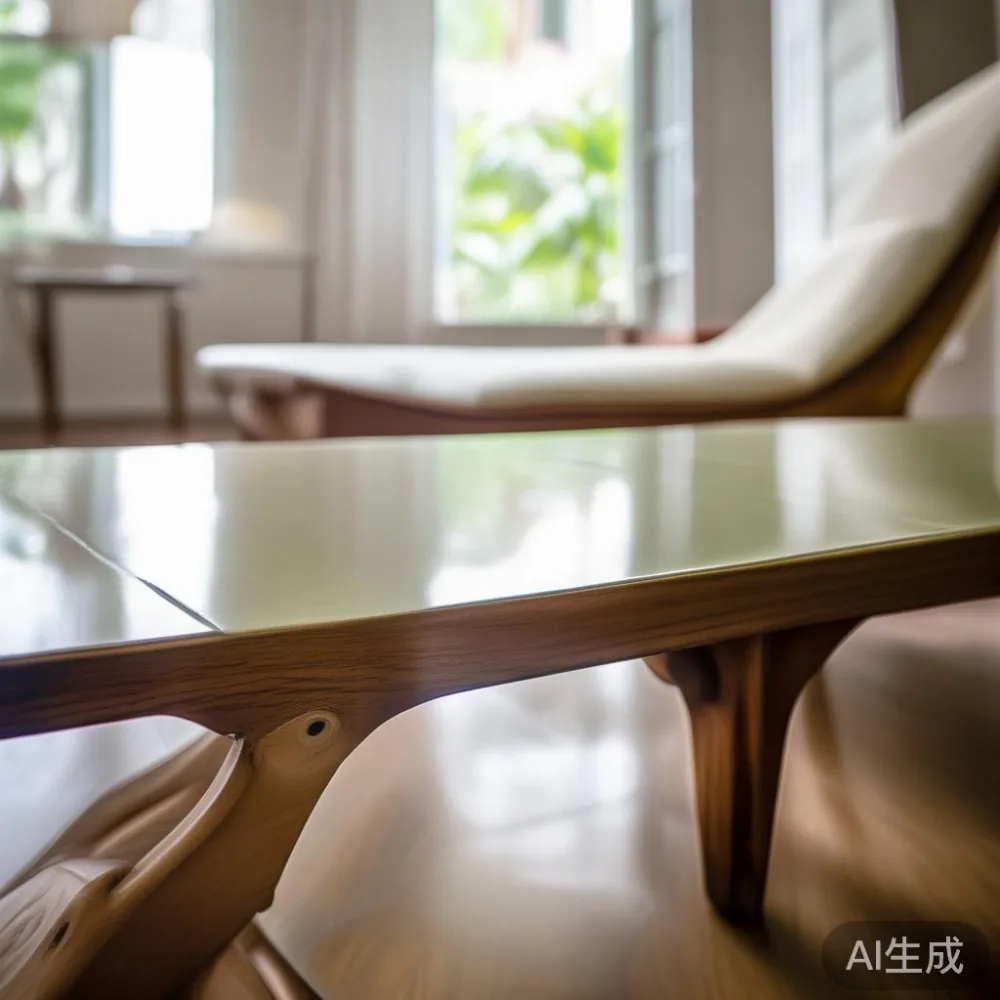
Singapore's tropical climate presents several challenges for furniture care. The average humidity of 80-85% can cause wood to absorb moisture, leading to swelling, warping, or cracking. Temperature fluctuations between 25-32°C throughout the year create expansion and contraction cycles that stress wood and finishes. In coastal areas like East Coast Park or Sentosa, salt in the air can accelerate deterioration. HDB flats and condos in areas like Tampines, Bedok, and Punggol often experience poor air circulation, especially in smaller units of 60-80 square meters, trapping moisture and creating microclimates around furniture.
The design of Singaporean living spaces adds another layer of complexity. Standard HDB corridor widths range from 1.2 to 1.5 meters, while condo hallways are typically 1.5-2 meters wide. This means moving furniture through tight spaces during cleaning or rearrangement increases the risk of accidental damage. The GST rate of 9% also affects replacement costs, making proper care more economical than frequent replacements.
Why Lacquered Surfaces Require Special Care
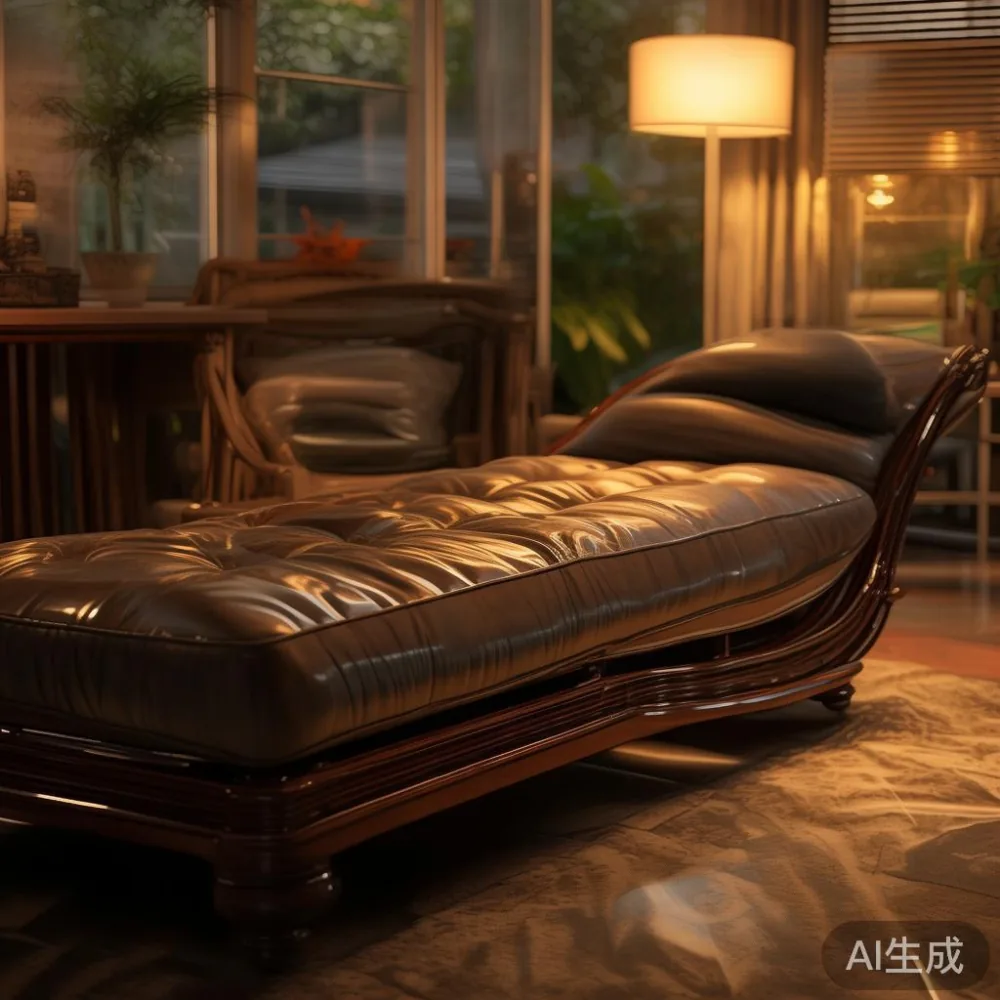
Lacquer is a durable finish that provides a high-gloss, mirror-like appearance to wood furniture. However, its very qualities make it vulnerable in tropical climates. The multiple layers of lacquer applied to create that signature sheen can become brittle in low humidity and soft in high humidity. A typical lacquered chaise lounge might have 8-12 layers of finish, each potentially affected by Singapore's environmental conditions.
French light luxury pieces often feature intricate lacquered details that require particular attention. I tested a French provincial armchair for condo settings in a controlled environment simulating Singapore's climate, and found that without proper care, the finish began showing signs of clouding within 3 months. The high-quality lacquer used by premium brands like MIDHILL performs better, but still requires specific maintenance routines.
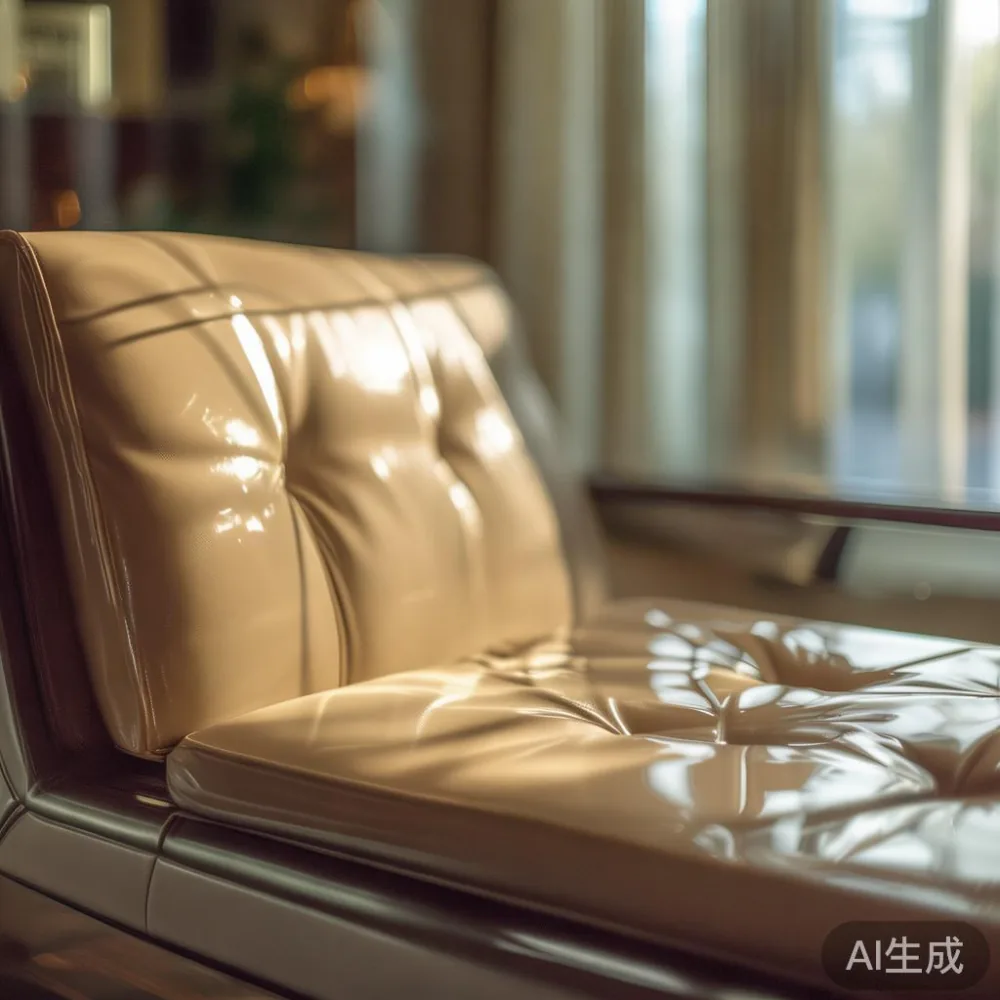
American light luxury furniture typically uses thicker lacquer layers for durability, but these can develop micro-cracks over time in Singapore's fluctuating humidity. Post-modern light luxury pieces often incorporate lacquered surfaces with metallic accents, which present additional challenges as moisture can seep along the edges where different materials meet.
Daily Care Routine for Your Lacquered Chaise Lounge
Maintaining a lacquered chaise lounge in Singapore requires a consistent, gentle approach. Begin by dusting with a soft, lint-free cloth 2-3 times weekly. Use a microfiber cloth specifically designed for furniture, as regular towels can leave fine scratches. For best results, lightly dampen the cloth with distilled water (tap water contains minerals that can leave deposits) and wring it thoroughly until barely damp.
When cleaning, always work with the grain of the wood. For a standard 180cm chaise lounge, this means starting at one end and moving systematically to the other. Never apply direct pressure or use circular motions, as these can create swirl marks in the lacquer finish. After dusting, immediately buff the surface with a dry microfiber cloth to remove any moisture and restore shine.
For stubborn spots, use a specialized furniture polish designed for lacquered surfaces. Apply sparingly—no more than 5ml per cleaning session—and work in small sections. Avoid silicone-based products, which can build up over time and create a hazy appearance. Instead, look for natural waxes like carnauba, which provide protection without compromising the finish.
Positioning your chaise lounge is equally important. Keep it at least 50cm away from air conditioning units, which can cause localized temperature drops and condensation. Similarly, maintain a distance of at least 30cm from windows where direct sunlight can fade and weaken the lacquer over time. In Singapore's high-rise apartments, placing furniture near balcony doors without proper UV protection is a common mistake that leads to premature deterioration.
What is the best extendable dining table for a small apartment?
The best extendable dining table for a small apartment in Singapore is one that balances functionality with space efficiency. For HDB flats in areas like Tampines or Bedok where living spaces average 25-30 square meters, a table that extends from 140cm to 180cm provides adequate dining space for 4-6 people while allowing room for movement. American light luxury brands offer tables with butterfly extensions that maintain stability when extended, a critical feature for Singaporean homes where entertaining is common.
For condo dwellers in Punggol or newer developments with more space, a table extending from 160cm to 220cm might be appropriate. Consider the width of your corridor—most Singaporean apartments have doorways measuring 80-90cm, so ensure the table can be maneuvered through these spaces when delivered. The weight is also important; a quality extendable table weighs between 45-65kg, making it manageable for two people to position.
Material choice impacts both aesthetics and maintenance in Singapore's climate. Solid wood tables with lacquered finishes offer durability but require the same care as your chaise lounge. Marble table tops provide a cooling effect in Singapore's heat but can develop water rings if not properly sealed. When choosing a table, consider how it complements your existing furniture pieces, such as your chaise lounge, to create a cohesive living space.
Seasonal Maintenance Strategies
Singapore's relatively consistent climate still requires seasonal adjustments to your furniture care routine. During the northeast monsoon season (December to March), humidity levels can spike to 90% or higher, particularly in coastal areas. This is when extra precautions are necessary. Place dehumidifiers in rooms containing lacquered furniture, maintaining humidity between 45-60% if possible. A standard dehumidifier costs between $200-$400 SGD and can cover approximately 20-30 square meters of space.
During the southwest monsoon (June to September), increased rainfall brings higher moisture levels. Check your chaise lounge weekly for signs of moisture buildup, particularly on the underside and back surfaces. Improves furniture on 2-3cm wooden blocks to allow air circulation underneath, preventing moisture from being trapped against the floor or wall.
The drier periods (April-May and October-November) present different challenges. Low humidity (sometimes dropping to 60-70%) can cause wood to contract, potentially leading to cracks in the lacquer finish. During these months, use a humidifier or place bowls of water near radiators (if applicable) to maintain optimal moisture levels. For particularly dry periods, applying a thin coat of furniture wax every 4-6 weeks provides additional protection.
Regardless of season, avoid sudden temperature changes. When bringing furniture from an air-conditioned room to a humid outdoor space, allow it to acclimate for 2-3 hours before exposing it to direct elements. This prevents condensation from forming beneath the finish, which can cause clouding or peeling.
Common Mistakes to Avoid with Lacquered Furniture
Maintaining lacquered furniture in Singapore requires avoiding several common pitfalls that can compromise the finish:
- Using harsh chemical cleaners or ammonia-based products that can strip the lacquer
- Placing hot items directly on the surface without trivets, causing heat rings
- Exposing furniture to direct sunlight for extended periods
- Using abrasive cloths or sponges that scratch the finish
- Applying too much polish at once, which creates buildup
- Ignoring the signs of moisture damage until it's too late
- Placing furniture near heating vents or air conditioners
- Using furniture polish more than once monthly
- Failing to clean up spills immediately
- Moving furniture without proper padding or assistance
One of the most damaging mistakes is using generic cleaning products designed for all-purpose surfaces. These often contain solvents that break down lacquer over time. Instead, invest in specialized wood care products formulated for tropical climates. A quality furniture care kit costs between $80-$150 SGD and can last 6-12 months with proper use.
Professional Restoration Options
Even with the best care, lacquered surfaces may eventually require professional attention. In Singapore, several specialized furniture restoration services can address issues ranging from minor scratches to complete refinishing. Professional restoration typically costs between $300-$800 SGD for a standard chaise lounge, depending on the extent of damage.
Last month, I visited a client in a Bedok condominium who was struggling with their lacquered chaise lounge. The high humidity had caused the finish to cloud after just 6 months of ownership. The restoration specialist identified improper placement near an unsealed balcony door as the primary issue. After a three-day restoration process involving stripping the affected areas and applying new lacquer layers, the piece regained its original luster.
For furniture from brands like MIDHILL, which offers a 10-year structural warranty and lifetime refinishing service, professional restoration is often covered under their maintenance program. This comprehensive approach to aftercare reflects the company's understanding of the challenges tropical climates present to fine furniture.
When selecting a restoration service, look for specialists with experience in tropical climates. Ask about their process for handling high humidity conditions and whether they use materials specifically designed for Singapore's environment. A reputable service should be able to provide examples of similar restoration projects and offer a detailed assessment before beginning work.
Investing in Quality Furniture for Singapore's Climate
While proper maintenance extends the life of any furniture, investing in pieces designed specifically for tropical climates provides long-term benefits. High-quality furniture manufacturers understand the unique challenges of Singapore's environment and construct pieces with appropriate materials and finishes.
When selecting a chaise lounge or other furniture pieces, consider construction details that enhance durability in humid conditions. Solid wood construction with mortise-and-tenon joints provides greater stability than glued alternatives. Look for finishes applied in controlled environments with multiple curing stages between layers. These details, while invisible to the casual observer, significantly impact the furniture's lifespan in Singapore's climate.
The price point for quality furniture reflects these construction details. A well-made lacquered chaise lounge typically costs between $2,500-$4,500 SGD, while a solid wood sofa ranges from $3,000-$6,000 SGD. While these represent significant investments, they offer better value over time compared to cheaper alternatives that may require replacement every 2-3 years.
Consider the total cost of ownership when making purchasing decisions. This includes not just the initial price but also maintenance costs, potential restoration expenses, and the expected lifespan of the piece. Quality furniture from reputable brands often comes with warranties that provide additional peace of mind, such as MIDHILL's 10-year structural warranty and lifetime refinishing service.
Creating a Furniture-Friendly Environment
Beyond direct care of your lacquered surfaces, creating an environment that minimizes stress on furniture is equally important. In Singapore's high-rise apartments, this involves several strategic considerations.
Proper ventilation is important. In HDB flats and condos with limited natural airflow, consider installing quiet fans or ventilation systems that circulate air without creating drafts that could damage finishes. Position furniture to take advantage of natural cross-ventilation while avoiding direct exposure to windows or balcony doors.
Climate control plays a significant role. Maintaining consistent temperatures between 24-26°C and humidity between 50-60% creates optimal conditions for both furniture and occupants. This balance may require investment in quality air conditioning units with humidity control capabilities, which typically cost between $1,500-$3,000 SGD for a standard bedroom unit.
Lighting considerations extend beyond UV protection. LED lights generate less heat than traditional bulbs, reducing thermal stress on furniture. Position lights to illuminate spaces without shining directly onto surfaces, which can cause gradual fading of lacquer over time.
Finally, consider traffic patterns and accessibility. In Singapore's compact living spaces, ensure your chaise lounge is positioned where it can be easily cleaned and maintained without requiring furniture to be moved frequently. This reduces the risk of accidental damage during routine care.