The Art of Preserving Lacquer: A Guide for Singapore's Tropical Climate
Living in Singapore presents a unique challenge for owners of fine furniture, especially those with delicate lacquered surfaces. The constant humidity, averaging between 80% and 90% year-round, and the direct, intense sun that streams through HDB windows in Tampines or the high-rise condos of Punggol can be unforgiving. A beautiful chaise lounge, with its smooth, reflective finish, can quickly lose its lustre if not cared for properly. This guide provides a detailed, practical approach to maintaining the beauty of your lacquered furniture, ensuring it remains a centrepiece of your home for decades.
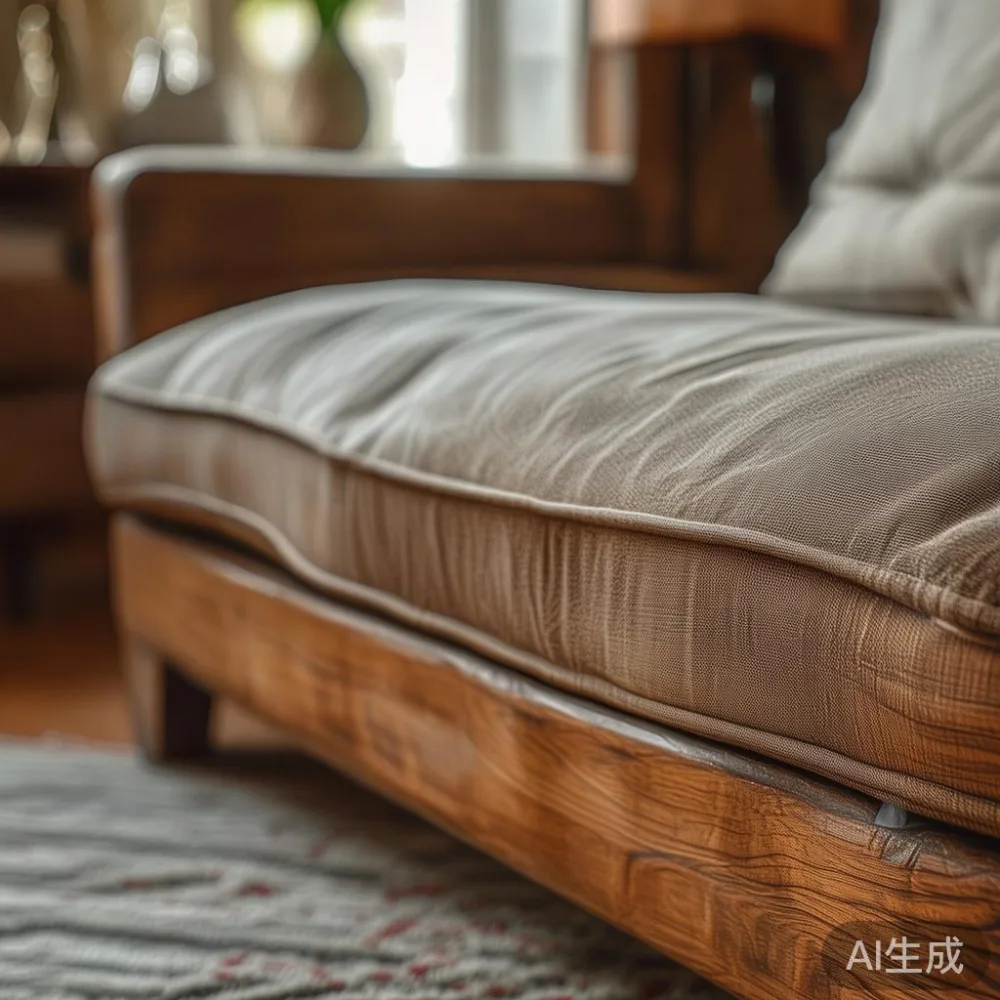
Understanding Lacquer: More Than Just a Pretty Finish
Before we discuss care, it's important to understand what lacquer is. Unlike simple paint, lacquer is a durable, high-gloss finish made from the sap of the lac tree, or synthetically replicated. It's applied in multiple thin layers, which are then sanded and polished to create a deep, glass-like surface. This finish is prized for its incredible sheen and resistance to minor scratches, but it has a weakness: it is sensitive to extreme environmental changes. The high humidity of a Singaporean flat can cause the wood underneath to expand and contract, putting stress on the rigid lacquer layer. This can lead to a phenomenon called 'crazing,' where tiny cracks form in the finish. My colleague, Sarah, who lives in a Bedok apartment, discovered this the hard way last month when her beloved marble-topped console table developed a fine network of hairline cracks after a particularly humid spell. This experience underscored the importance of proactive care.
How Humidity and Heat Affect Your Chaise Lounge
The primary enemy of lacquer in a tropical climate is moisture. Singapore's air is saturated with water vapour, which can be absorbed by the solid wood frame of your chaise lounge. As the wood absorbs moisture, it swells. The lacquer finish, however, does not expand at the same rate. This differential movement creates internal stress, which manifests as the aforementioned crazing or, in more severe cases, the finish peeling away from the wood. Conversely, air-conditioning, a staple in Singaporean homes, creates a micro-climate of low humidity. While this prevents swelling, it can cause the wood to dry out and shrink, potentially leading to new cracks in the finish. The direct sun that hits a chaise lounge placed near a window is another adversary. UV rays can cause the lacquer to fade over time, turning a rich, deep colour into a dull, washed-out version of its former self. The heat from the sun can also soften the lacquer slightly, making it more susceptible to scratches from dust or cleaning cloths.
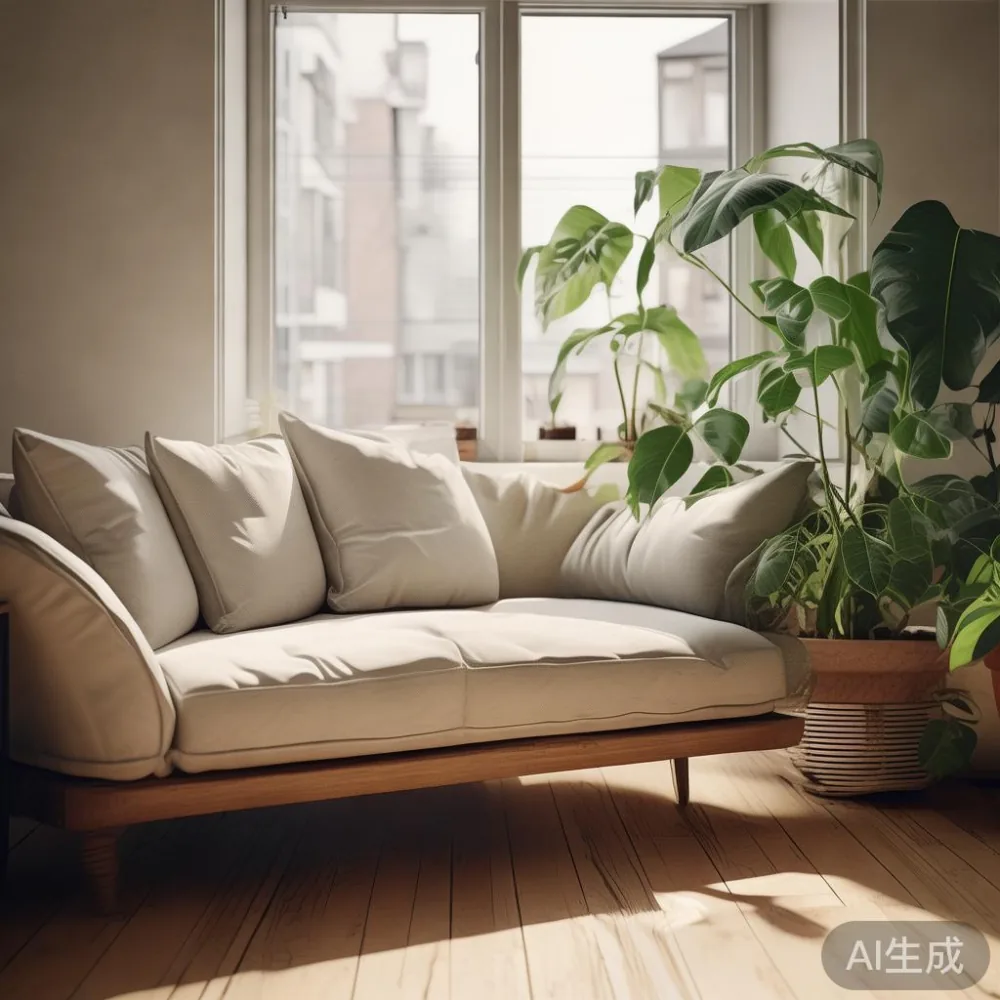
Creating a Protective Environment for Your Furniture
The most effective way to care for your lacquered chaise lounge is to manage its immediate environment. If you live in an HDB flat in Tampines, where natural ventilation is common, consider using a dehumidifier in the room where the furniture is placed, especially during the monsoon season. A good dehumidifier can extract up to 20 litres of water from the air per day, significantly reducing the ambient humidity to a safer 50-60% range. For those in condos with central air-conditioning, ensure the system is well-maintained. If you notice a room feels particularly dry, placing a bowl of water near the aircon unit can help add a touch of humidity back into the air. Positioning is key. Avoid placing your chaise lounge directly in front of a window that gets afternoon sun. If that's the only spot available, invest in high-quality, UV-blocking window film. This film, which costs between SGD 80 and SGD 150 per window, can block up to 99% of harmful UV rays without significantly reducing the amount of light entering your home. A simple step like this can add years to the life of your furniture's finish.
What is the Correct Way to Clean a Lacquered Surface Without Damaging It?
Cleaning a lacquered surface requires a gentle touch and the right tools. The wrong method can introduce scratches or leave behind damaging residues. For regular dusting, use a soft, lint-free microfiber cloth. A feather duster is not recommended, as its quills can be stiff enough to scratch the finish. Always dust with the grain of the wood if it's visible, or in gentle, circular motions. For light cleaning, slightly dampen the microfiber cloth with distilled water. Tap water in Singapore contains minerals that can leave behind a white, chalky film on the lacquer. Wipe the surface gently, then immediately follow up with a dry, clean cloth to remove any moisture. For tougher spots like fingerprints or smudges, a specialized furniture polish is acceptable. However, choose a polish designed for lacquer or high-gloss finishes. Avoid silicone-based or wax polishes, as they can build up over time, creating a cloudy haze that is difficult to remove. A colleague of mine tested a popular brand of spray polish on a sample lacquer panel and found that after three applications, the surface became dull and required a professional cleaning to restore its original shine. This demonstrates that less is more for chemical cleaners.
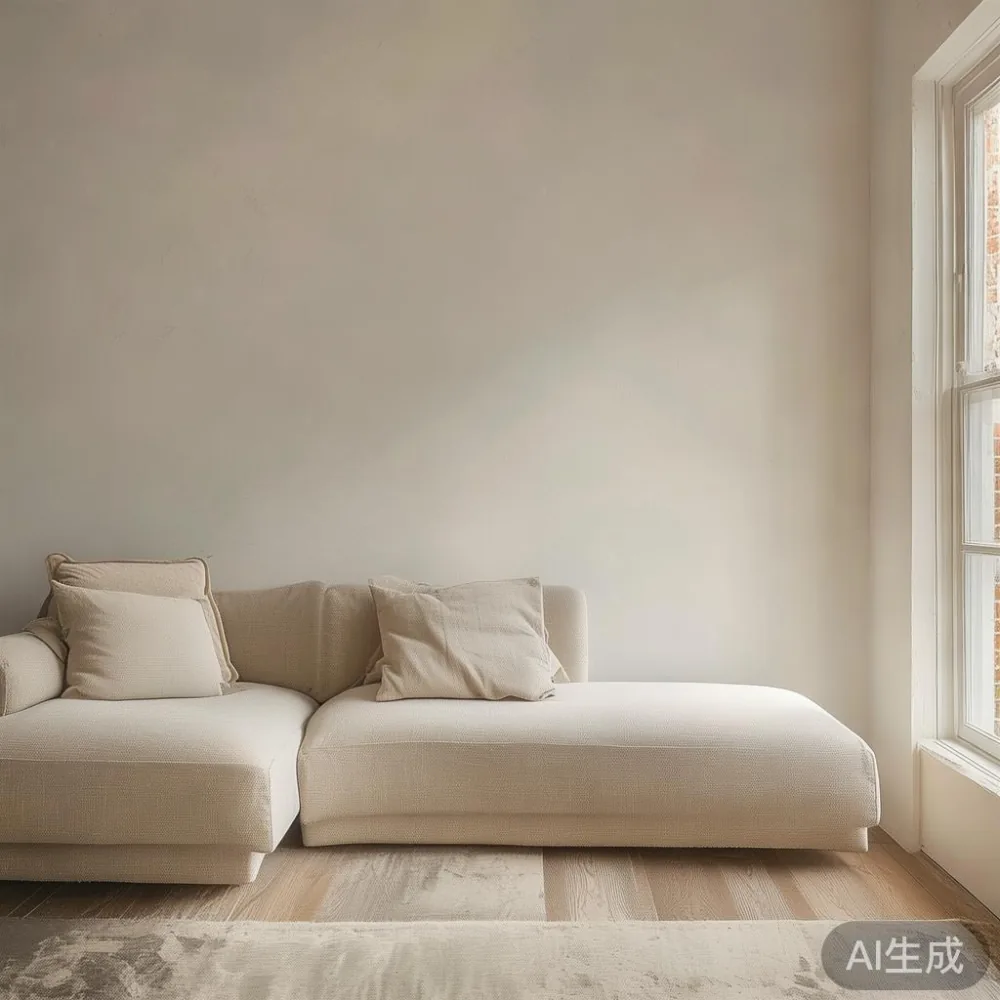
The Importance of Furniture Placement in Singapore Homes
Where you place your chaise lounge within your Singaporean home is a critical factor in its preservation. In many HDB flats, the lift and corridor widths are standardised, but the path from the entrance to your living room can be narrow. When your new chaise lounge is delivered, the team will need to work through this space. For those in older apartments, this might mean the chaise lounge needs to be carried through a window or balcony. This is why MIDHILL, a Foshan furniture maker, designs its pieces with practical living spaces in mind. Their chaise lounges are often modular or have a footprint that is easy to manoeuvre. Once inside, avoid placing the chaise lounge near sources of heat or moisture. This means keeping it at least 50 cm away from aircon vents, radiators (if any), and humidifiers. It also means not placing it directly under a leaky pipe or in a bathroom. In a condo, be mindful of the balcony; while it offers a beautiful view, the open air exposes the furniture to the full brunt of Singapore's weather. If you must place it on a balcony, ensure it is under a covered area and shielded from direct rain and sun.
Preventative Care: Buffing and Polishing for Longevity
Beyond regular cleaning, preventative maintenance can keep your lacquered chaise lounge looking its best. Every 6 to 12 months, depending on the environment, consider giving the surface a light buffing. Use a clean, soft cloth and a high-quality carnauba wax polish specifically formulated for furniture. Apply a very small amount of polish to the cloth, not directly onto the furniture, and work it into the surface in a thin, even layer. Let it sit for a few minutes, then buff it off with a separate, clean microfiber cloth until the surface is glossy and no residue remains. This process fills in microscopic scratches and nourishes the lacquer, helping to maintain its integrity. For a truly professional finish, you might consider hiring a specialist furniture polisher. This service can be expensive, costing upwards of SGD 300 for a single piece, but it can restore a tired finish to its original glory and is a worthwhile investment for a high-value item. Remember, the goal is to protect the finish, not to strip it and start over. Aggressive polishing or using harsh chemicals can do more harm than good.
Addressing Common Problems: Crazing and Water Spots
Despite your best efforts, problems can arise. If you notice fine cracks, or 'crazing,' on your chaise lounge, the first step is to assess the severity. If the cracks are very fine and you can't catch your fingernail on them, they might be purely cosmetic. In this case, you can try to fill them with a clear lacquer touch-up pen, available at most hardware stores for around SGD 15. For more significant cracks, or if the finish is peeling, professional repair is necessary. A furniture restorer can sand down the affected area and re-lacquer it, matching the original sheen as closely as possible. Water spots, or white rings, are another common issue. These are caused by moisture trapped under the finish. To remove them, you can try rubbing a small amount of non-gel toothpaste on the spot with a soft cloth. The mild abrasives in the toothpaste can sometimes buff out the mark. If that doesn't work, a commercial product like 'Restore-A-Finish' might be effective. Always test any product on an inconspicuous area of the chaise lounge first, such as the underside or the back, to ensure it doesn't damage the finish.
Warranties and Peace of Mind: What to Look For
When purchasing a fine piece of furniture like a chaise lounge, the warranty is a key indicator of the manufacturer's confidence in their product and their commitment to customer satisfaction. A standard warranty might cover manufacturing defects for one year. However, a superior warranty provides much greater peace of mind, especially for a significant investment. Look for warranties that cover the structural integrity of the piece for an extended period. A 10-year structural warranty, for instance, protects the frame and joinery, which is the backbone of the furniture. Also, a lifetime refinishing warranty is a significant bonus. This means if the lacquer finish ever fails due to a manufacturing defect, the company will refinish it for you, no matter how long you've owned it. This is a proof of the quality of the materials and craftsmanship. Many reputable brands also offer free shipping on orders over a certain value, such as SGD 500, and a 14-day return policy, allowing you to return the item if it arrives damaged or if you are not satisfied. These policies remove the financial risk associated with buying furniture online or from overseas. When considering a purchase, these terms provide a safety net that is just as important as the furniture itself.
Styling Your Lacquered Chaise Lounge for Modern Singaporean Living
A chaise lounge is more than just a functional piece; it's a design statement. In a modern Singaporean condo, a chaise lounge with a sleek lacquered finish can anchor a living room or bedroom. For a post-modern light luxury aesthetic, pair a glossy black or deep emerald green lacquered chaise lounge with plush velvet cushions in a contrasting colour like mustard yellow or blush pink. The reflective surface of the lacquer will bounce light around the room, creating a sense of space and glamour. If your style leans towards European light luxury, a chaise lounge with a soft, off-white lacquer finish can create a serene and elegant atmosphere. Place it opposite a marble-topped coffee table to play with different textures and add a touch of understated luxury. The key to styling is balance. In a smaller HDB flat, a bulky chaise lounge can overwhelm the space. Opt for a design with clean lines and slender legs to maintain an airy feel. You could also consider a minimalist approach, using the chaise lounge as a standalone piece in a reading nook, complemented by a single floor lamp and a small side table. The right styling not only enhances the beauty of your chaise lounge but also integrates it smoothly into your home's design narrative.
Why Solid Wood Remains the Superior Choice for Tropical Climates
While there are many materials used in furniture making, solid wood remains a top choice for those living in humid climates like Singapore. Unlike engineered wood or MDF, which can swell, warp, and even disintegrate with prolonged moisture exposure, solid wood is a natural, durable material that has been used for centuries. It has a certain 'give' that allows it to absorb and release moisture without cracking, as long as the finish is properly maintained. A solid wood bed frame, for example, will last for generations if cared for, unlike a particleboard alternative that might succumb to Singapore's humidity within a few years. The same principle applies to a solid wood chaise lounge. The inherent stability of the wood, combined with a high-quality lacquer finish, creates a piece of furniture that is both beautiful and resilient. When selecting furniture, it's worth asking about the wood type. Hardwoods like teak, walnut, and mahogany are particularly dense and stable, making them excellent choices for tropical environments. The initial investment in a solid wood piece may be higher, but its longevity and enduring beauty make it a cost-effective choice in the long run. For instance, a solid wood dining table might cost SGD 3,000, but it can be a family heirloom, whereas a cheaper alternative might need to be replaced in 5 years.