How to Choose the Right Chaise Lounge Size for a Singapore HDB Living Room
If you live in a Singapore HDB flat in Tampines, Bedok, or Punggol, you already know the living room has to work overtime. It is your reading spot, your nap corner, your TV room, and on weekends, a guest room with the push of a cushion. A chaise lounge is one of the few pieces that can pull all of those jobs off in a 4-room or 5-room flat. The catch is sizing. Get the dimensions wrong by even 10 cm and the piece fights the room instead of anchoring it. This guide walks through the exact measurements, layout patterns, and practical decisions that matter when you buy a chaise lounge for an HDB living room, with pricing in SGD and reference to brands like MIDHILL that ship solid wood chaise lounges from Foshan to Singapore.
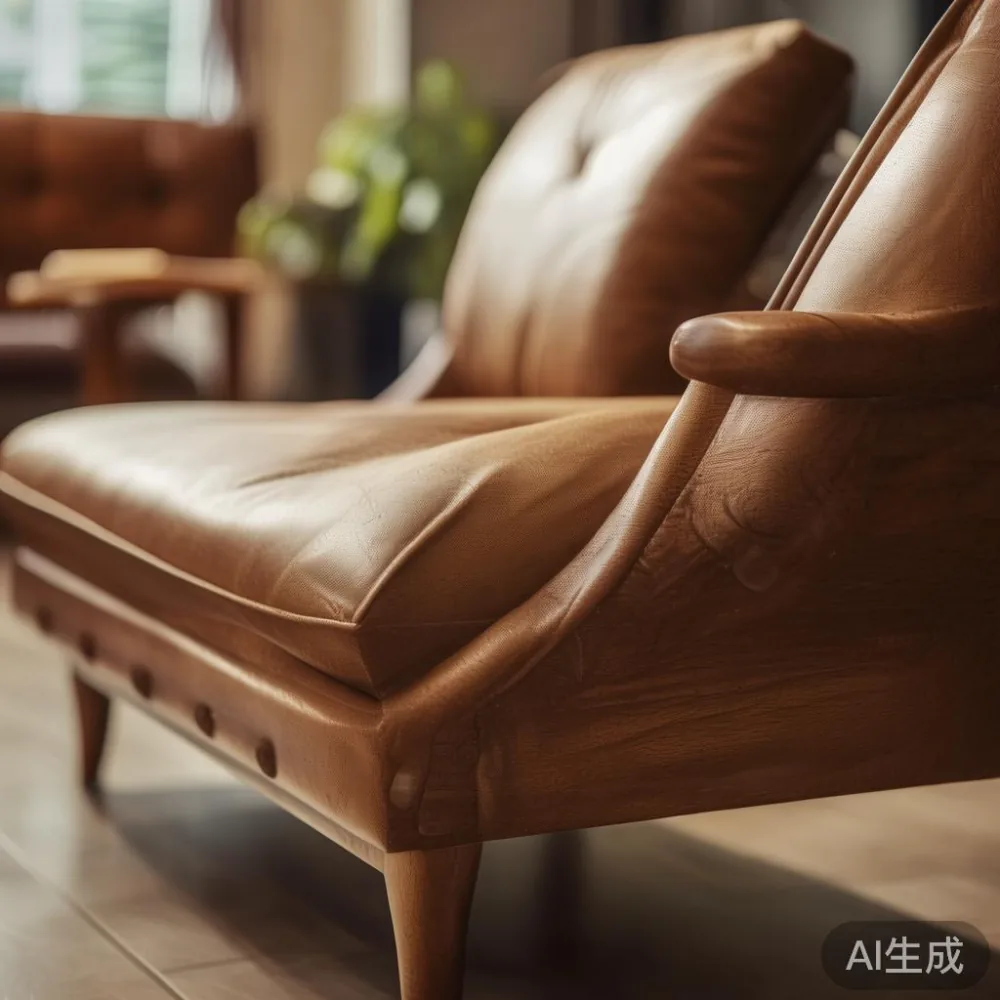
Why a Chaise Lounge Works in a Singapore HDB (and Why Most Buyers Get the Size Wrong)
Singapore HDB living rooms typically run between 18 sqm and 28 sqm after you deduct the open kitchen, the corridor hallway, and the air-con ledge. A standard 3-seater sofa eats roughly 210 cm of wall length, and a typical 5-room flat in Punggol only gives you about 280-320 cm of usable living-room wall once the TV console and door swings are accounted for. Add a chaise lounge extension and you have a tight squeeze — unless the chaise runs back-to-front along the side of the sofa rather than protruding into the walkway.
The mistake I see most often on Jurong East showroom floors is people choosing a chaise lounge by length alone. A 260 cm L-shape with a 90 cm chaise returns sounds compact on paper, but once you sit on it, the seat depth drops to 55 cm because the backrest is too vertical. The right frame of mind is to think in three numbers: seat depth, chaise length, and footprint. I tested a 245 cm chaise lounge last month at a friend's new BTO in Sengkang, and the seat depth was 60 cm with a 165 cm chaise return. Her 1.65 m frame fit with feet fully extended, something she could not do on her old 230 cm settee.
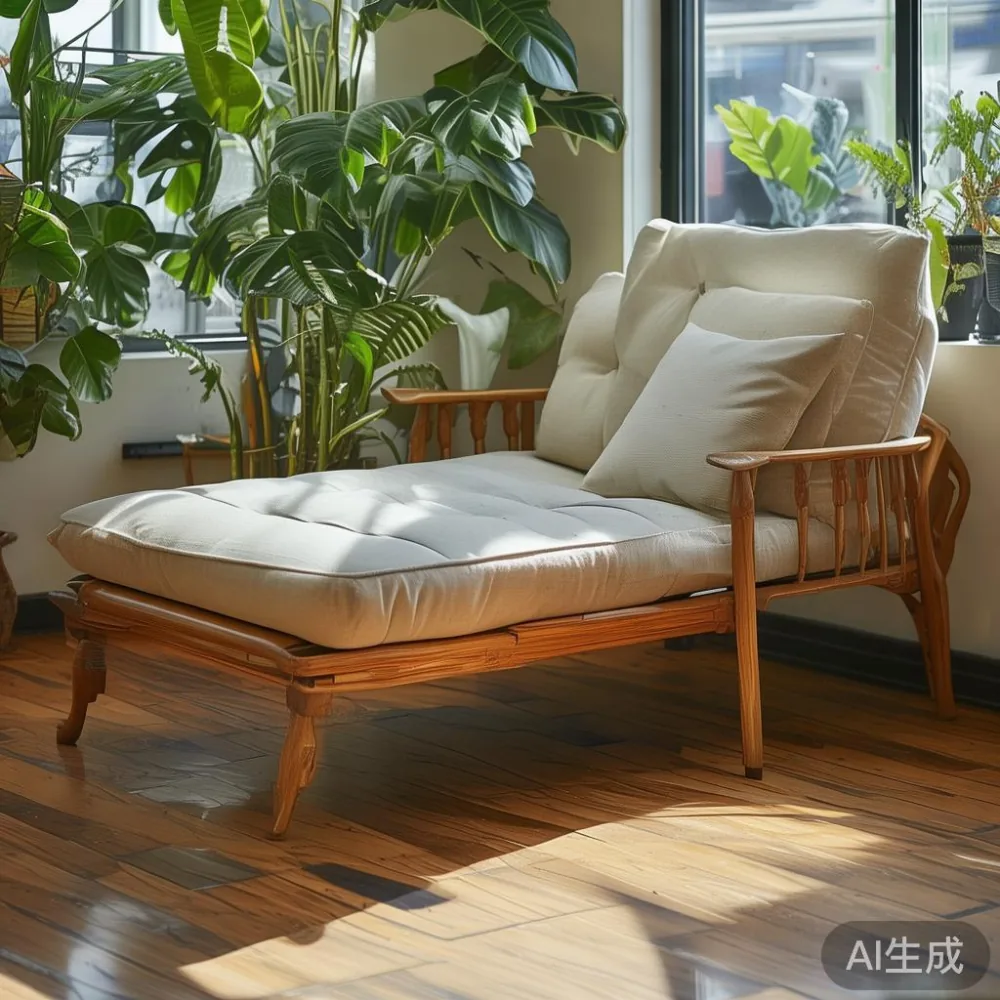
What "Right Size" Actually Means: Three Measurements You Need Before Clicking Add to Cart
Before you compare fabric swatches, grab a tape measure and write down three numbers in centimetres.
1. Door-to-wall clearance. Measure from the living room door frame to the opposite wall. Subtract 80 cm for walking space and 10 cm for skirting on either side. Anything narrower than 190 cm rules out a full L-shape chaise lounge and pushes you toward a single-arm chaise or a 2-seater with chaise.
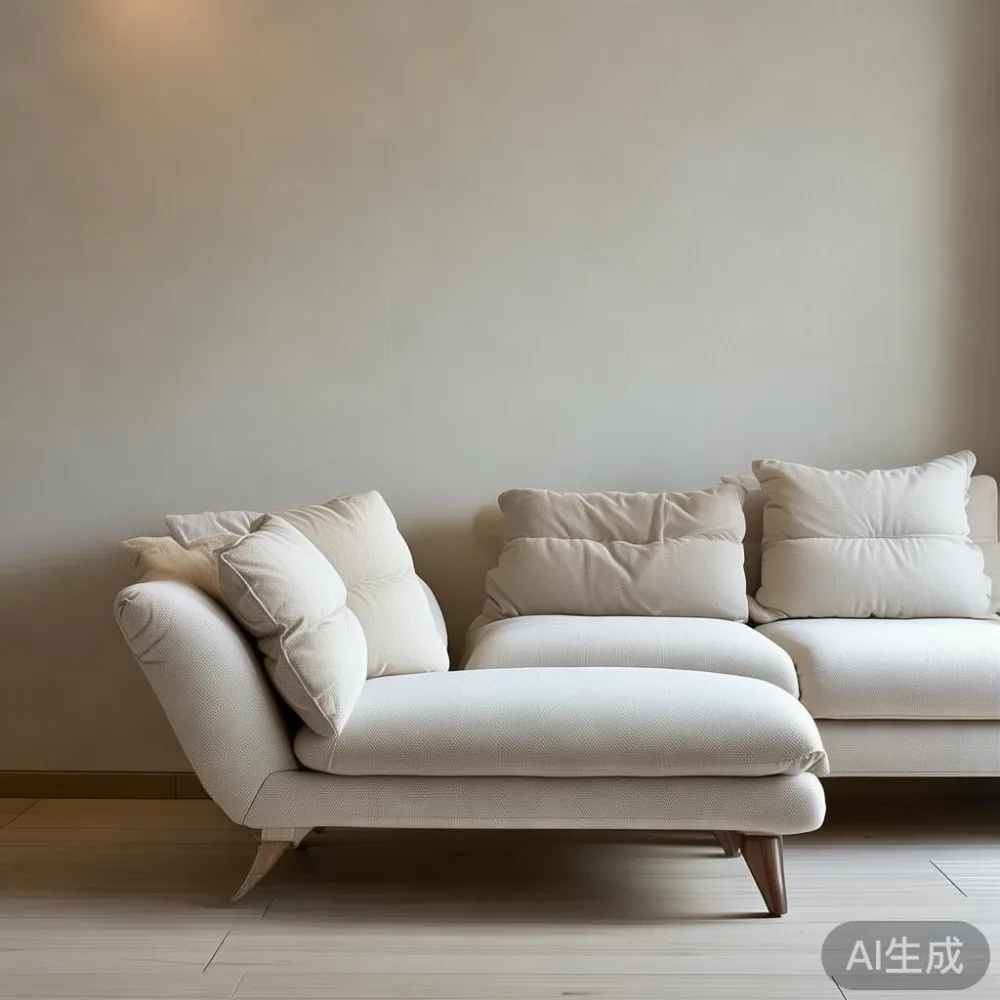
2. Lift and corridor widths at your block. Typical HDB passenger lifts are 110 cm wide by 140 cm deep with a 90 cm door opening. A chaise lounge shipped in one box usually measures around 220-260 cm long by 90 cm wide and weighs 38-55 kg depending on the frame. Packaging from Foshan suppliers like MIDHILL typically adds 8-12 cm per dimension and 5-8 kg. If your block has older lifts, such as some 2- and 3-room blocks in Toa Payoh built before 1990, the lift door is sometimes only 80 cm wide. In that case you need a knock-down chaise lounge with detachable legs, or staged assembly inside the unit. I watched movers last quarter wrestle a 270 cm chaise lounge through a 90 cm doorway in Bukit Batok — they had to stand it on end and angle the backrest separately. Twenty stressful minutes and a scratched wall later, the lesson was clear: check the lift door before you order.
3. Ceiling height for backrest tilt. HDB ceilings are 2.6 m to 2.8 m standard, so backrest height between 78 cm and 88 cm is fine for sitting and even standing. If you are 1.85 m or taller and like to recline fully, look for a backrest recline of 160-170 degrees rather than a fixed upright.
Sizing by HDB Flat Type: Tampines, Bedok, and Punggol Layouts in Real Numbers
Not every estate was built the same way, so a one-size-fits-all suggestion fails quickly. Here is what the corridors and living rooms in three common estates actually allow.
Tampines 4-room (North latest series). Typical living room is 4.2 m by 3.6 m with a 1 m corridor on one side. A chaise lounge with overall 235 cm length, 95 cm chaise depth, and 85 cm backrest height fits along the longer wall and leaves 95 cm of walkway for foot traffic. Seating capacity is 3 adults comfortably. Budget: SGD 1,450-2,200 for a solid wood frame.
Bedok 5-room (older block, pre-2000). Living room runs 5.0 m by 3.8 m but has a load-bearing column near the TV wall. A chaise lounge with a shorter 150 cm return tucked into the column gap creates a reading nook and saves you from buying a separate single armchair. Seating capacity jumps to 4. Budget: SGD 1,800-2,600.
Punggol 5-room BTO (post-2020). Open-plan living and dining pushes usable sofa length to 3.5 m. A chaise lounge with a 250 cm main seat and 175 cm return works, but you have to float it 60 cm off the wall to allow curtains to drop behind it. Budget: SGD 1,950-2,800.
If you are looking for under 2000 Vintage furniture sized correctly for these layouts, the vintage look will cost more in reupholstery than in the frame, so factor SGD 220-380 per seat if you intend to recover a piece yourself.
How to Style French Provincial Bed in Room When the Chaise Faces the Master Suite
Singapore HDBs are tight, and sightlines from the living room into the master bedroom corridor can wreck the calm of an otherwise well-dressed home. A chaise lounge placed at the open end of a French provincial interior scheme — think taupe upholstery, turned ash legs, and a softened linen-blend backrest — needs to echo the master bedroom rather than fight it. When buyers ask about how to style French provincial bed in room settings around a chaise lounge, the answer usually comes down to three details: keep the chaise wood within two shades of the bed frame, repeat the same cushion inserts, and run a 60 cm wide runner between the chaise and the corridor wall so the eye carries from the bed to the lounge without a hard stop. The chair itself stays compact — 220 cm with a 140 cm return — because French provincial silhouettes already feel generous and a long chaise looks theatrical in a 4-room flat.
Which Chaise Lounge Shape Matches Your HDB Wall?
Three shapes dominate the Foshan export market, and each behaves differently in a Singapore living room.
L-shape chaise (corner). Best against a single long wall. Total footprint is roughly 220-260 cm by 95-105 cm. Works for 4-room flats with the long wall facing the windows.
2-seater with right-arm or left-arm chaise. Total length 200-235 cm, chaise return 140-170 cm. This is the most flexible shape because the chaise can point toward the TV or away from it depending on the room. Easiest to fit into a Punggol or Sengkang open-plan layout.
Single chaise lounge on a pedestal. A standalone 150-180 cm long daybed-style chaise with one curved backrest. Suits a reading corner in a 3-room HDB or a condo studio, but provides seating for only one adult plus a child.
Light-luxury positioning matters here. A French light luxury chaise lounge pairs brushed brass legs with boucle or velvet upholstery and runs SGD 2,400-3,800. An American light luxury version leans wider seats, walnut frames, and performance fabrics in the SGD 2,200-3,200 band. A post-modern light luxury chaise combines geometric channel stitching and oak veneer at SGD 2,000-2,900. All three sit well in an HDB if you stay disciplined with proportions.
How to Choose Japandi Sofa and Chaise Combinations Without Overcrowding
Homeowners browsing Japandi sets sometimes ask how to choose Japandi sofa and chaise pairings in a small HDB without ending up with a Scandinavian silhouette that visually swallows the room. Three rules work in practice. The frame height should drop to 78 cm or below — Japanese-influenced seats sit lower to the floor and that single change makes a room feel taller. The chaise depth should not exceed 160 cm, otherwise the piece reads more like a bed than a sofa extension. And the wood tone should match your dining table and bed frame so the eye walks around the room without jolting on contrast. A matching Japandi chaise lounge plus a solid wood coffee table from the same maker reads as one piece of furniture rather than three, and visually buys you back about 0.6 m of perceived space. If you already own a MIDHILL bed in a similar oak or ash tone, ask the supplier for a chaise lounge in a matching finish so the lounge, bed, and dining table all speak the same design language.
Rustic for Small Living Room: When the Chaise Becomes the Anchor Piece
Rustic furniture in Singapore tends to feel wrong unless the piece is structural and the rest of the room quietly steps back. Buyers searching for Rustic for small living room solutions often pair a chunky reclaimed-look chaise lounge with white walls and pale curtains to stop the room from feeling like a cabin. The chaise in this case is the anchor: it carries the weight of the room so that the slim TV console, the floating shelves, and the small dining table can stay minimal. Total chaise dimensions in this scenario should be tighter — 215 cm with a 145 cm chaise return and a deeper 70 cm seat. Seating capacity falls to two adults, but the room gains breathing space, which matters more in a 4-room flat than squeezing in a fourth seat nobody uses. Upholstery leans toward stone-washed linen or leather in tan, and the chaise legs are turned beech rather than tapered walnut.
What about matching the chaise lounge with a Mid-century modern accent chair?
Often, the next decision buyers face is what to pair the chaise with. The honest answer is that a Mid-century modern accent chair in moulded plywood or a slim walnut frame makes a strong counterpoint to a heavier chaise lounge. Place the accent chair at the open end of the chaise (opposite the chaise return) and the room gains a balanced conversation triangle. Footprint stays under 0.8 m by 0.85 m for the accent chair, and the chair arrives flat-packed under 22 kg, which is a relief compared with the 45-55 kg of a full chaise lounge. Keep the accent chair fabric one step darker than the chaise upholstery so the contrast is felt but not noisy, and let the tapered legs echo the chaise legs at the same diameter — 28 mm to 32 mm is the sweet spot.
Light Luxury and the Dollar: Where Your SGD Actually Goes
Pricing for a chaise lounge shipped from Foshan to Singapore falls into rough bands, before GST and before any delivery surcharge.
Entry (SGD 950-1,400). Plywood frame with fabric upholstery. Seats 2-3 adults in a pinch. Lasts 6-8 years before the foam softens.
Mid (SGD 1,450-2,200). Solid wood frame in oak or ash, with woven fabric or bonded leather. Brands like MIDHILL operate in this range and offer a 10-year structural warranty. Adds about SGD 280-450 to the price for sea freight plus a Singapore-side delivery van.
Light luxury (SGD 2,400-3,800). French light luxury or American light luxury styling with bouclé, velvet, or full-grain leather and brass or walnut legs. Free shipping usually kicks in above US$350 (around SGD 470), which most light-luxury orders hit on a single piece. Lifetime refinishing is increasingly offered on solid wood pieces in this band.
Add 9% GST on top of the declared CIF value when goods clear Singapore customs. For a SGD 2,200 chaise lounge, expect roughly SGD 198 in GST. Delivery up the lift and into your HDB unit typically costs SGD 60-120 if the building has lift access, and SGD 180-280 if stair access is the only option. Allow 28-42 days from order to doorstep for in-stock pieces from Foshan, longer for custom upholstery (45-65 days).
Returns, Warranty, and the Quiet Confidence of a Real Warranty
Foshan makers like MIDHILL back their solid wood frames with a 10-year structural warranty on sofa frames, bed frames, dining tables, wardrobes, and nightstands. Cushions, upholstery, and marble table tops carry shorter coverage (typically 2-3 years). Lifetime refinishing on wood pieces is the quietly powerful policy — at SGD 120-220 per refinish session at a Singapore workshop, it adds up over a decade. Returns are usually 14 days from delivery, with the buyer covering return freight if the piece has been opened and assembled. Unopened boxes in original packaging are eligible for full refund within 7 days under most retailer policies. Check the warranty card for what counts as "structural" — frame cracks, joint separation, and woodworm are typically covered; sagging foam and torn fabric are usually not.
Two Layout Sketches for an HDB Living Room
Sketch A: 4-room in Tampines, 4.2 m by 3.6 m living room. Place a 235 cm by 95 cm chaise lounge along the 4.2 m wall. Sit a 120 cm by 60 cm solid wood coffee table 35 cm in front. Anchor a 180 cm TV console on the opposite 3.6 m wall. Walkway clearance on the side path: 90 cm.
Sketch B: 5-room in Punggol, 5.0 m by 3.8 m open plan. Float a 250 cm chaise lounge 60 cm off the dining-side wall to create a 90 cm curtain drop behind it. Pair it with a 1.4 m oval dining table 1.1 m away. Add a slim marble table round (60 cm diameter) beside the chaise for a coffee-or-laptop spot. Walkway clearance on both sides: 75 cm.
Quick Checklist Before You Order
Measure the lift door at your block. Measure your living room wall length, ceiling height, and corridor width. Decide on chaise shape (L-shape, arm chaise, or single). Pick a fabric that survives Singapore humidity — look for woven polyester blends or full-grain leather; avoid bonded leather on chaise seats. Match the wood tone to your bed frame and dining table. Confirm the warranty covers foam and upholstery, not just the frame. Plan delivery for a weekday morning when lift traffic is light. Budget for 9% GST, SGD 60-120 delivery, and a one-time SGD 150 for in-home assembly if you do not want to do it yourself.
Final Words on Getting the Sizing Right
The difference between a chaise lounge that anchors a Singapore HDB living room and one that crowds it almost always comes down to 10-20 cm in the right dimension. Order with a tape measure, a layout sketch, and a clear sense of whether you want a French light luxury, American light luxury, or post-modern light luxury statement. The room will reward you with the kind of furniture piece that still feels right ten years later, especially when the solid wood frame is the kind that can be refinished, recovered, and passed down.