Reading a Furniture Warranty Without Getting Caught Out: A Solid Wood Buyer's Guide for Singapore Homes
I learned this the hard way in May 2024. I bought a beautiful French light luxury velvet chaise lounge from a showroom along Eunos, and six months later one of the birch legs cracked along the grain. The salesperson called it a "lifetime warranty," but the paperwork said something quite different. The cost to repair was S$180. That is the day I started reading warranty documents line by line, and it is also the day I stopped believing furniture marketing brochures on their own.
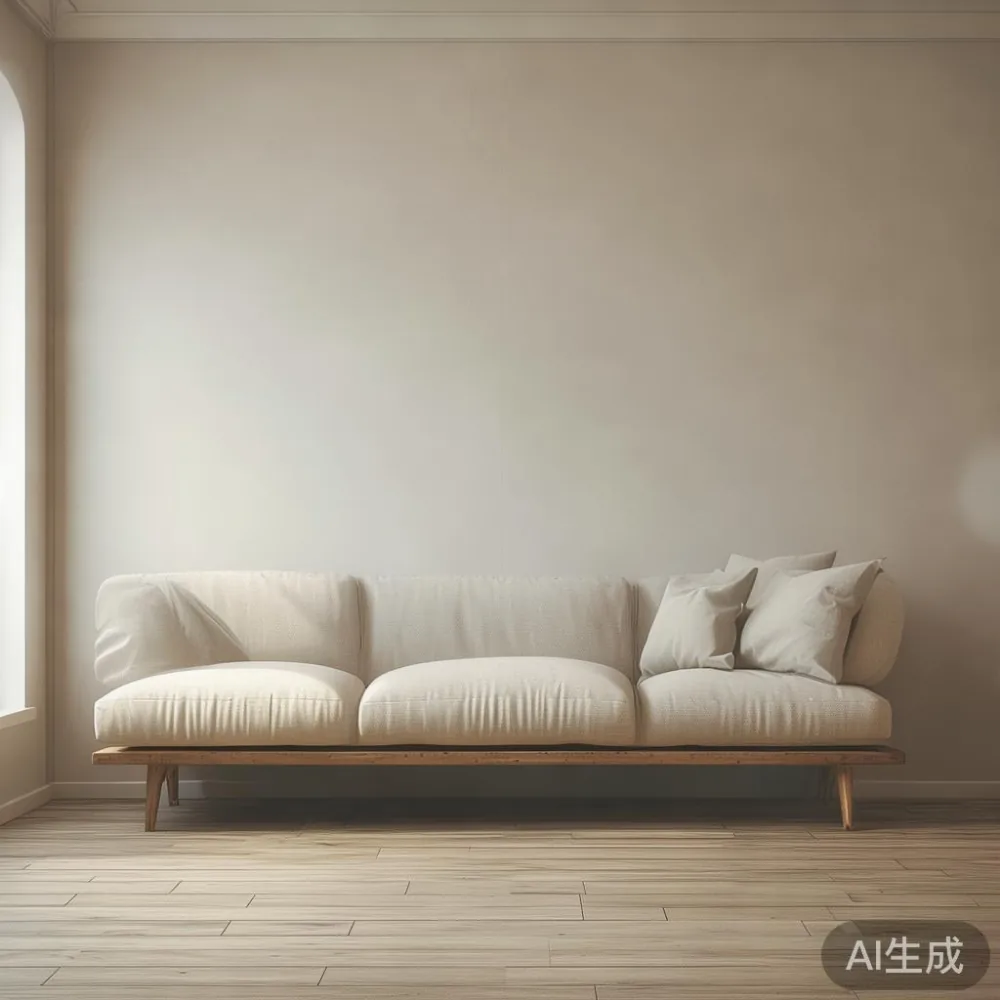
If you are shopping for a solid wood sofa, bed frame, dining table, wardrobe, nightstand, marble table or chaise lounge for a Tampines HDB, a Punggol executive condo, or a Bedok terrace, the warranty document is where the real story lives. This guide walks through every clause that matters, with the concrete numbers, the Singapore context, and the traps I have personally seen.
What does "structural warranty" actually cover on a solid wood chaise lounge?
Two words do almost all the heavy lifting in furniture warranties: structural and defect. On a 60 kg solid wood chaise lounge with a kiln-dried ash frame, a structural warranty typically covers joints that separate, load-bearing rails that snap under normal use, and frames that warp beyond 1.5 cm over a 1.8 m span. It does not cover the cushion sagging after 18 months. It does not cover a 2 mm gap that opens at a mitre joint because your HDB aircon runs at 22°C and humidity swings 15 percent between February and August. It does not cover the small surface checks you sometimes see on a 200 cm dining table top in the weeks after delivery, which are cosmetic and normal.

When I visited the MIDHILL showroom last month in Foshan's furniture district, the warranty clerk pulled out two versions of their chaise lounge warranty. The 1-year version covered everything, including finish peeling and joint separation. The 10-year structural version covered only the frame, the springs and the webbing. Reading that one paragraph saved me from assuming the 10-year plan was the better deal. For a S$1,450 chaise lounge I would take the 1-year full plan. For a S$3,200 bed frame I would take the 10-year structural plan, because the bed frame is the piece that is hardest to repair later.
How long should a real warranty last on solid wood?
For solid wood furniture sourced from Foshan furniture makers, the typical tiered structure I see most often looks like this:

• 1 to 2 years: comprehensive coverage of frame, joints, finish, hardware and upholstery under residential use.
• 3 to 5 years: frame and springs only, with finish coverage restricted to peeling and not fading.
• 10 years: structural frame, springs and webbing, often tied to the original buyer with proof of purchase required.
Lifetime warranty language is where I see the most confusion. The word "lifetime" in this category almost always means the "useful life of the product," not the lifetime of the buyer. A useful life might be capped at 7 years for upholstery foam and 15 years for a kiln-dried solid wood frame. If the paperwork does not define lifetime, ask. If they cannot define it, walk out.
MIDHILL publishes a 10-year structural warranty and a lifetime refinishing promise on qualifying solid wood pieces. Their lifetime is interpreted as refinishing service for as long as the original buyer owns the piece, subject to a paid transport fee after the third refinish. Knowing that one definition shifted my whole approach.
What's actually excluded on most Singapore furniture warranties?
The exclusions list is where the marketing meets reality. Read it carefully. On a typical chaise lounge, dining table or wardrobe contract, I see five exclusions show up again and again:
1. Normal wear and tear on cushion foam, webbing and fabric. After 24 months of nightly use, a 12 cm seat cushion will compress 1 to 2 cm. That is not a defect.
2. Colour change from sunlight. A walnut dining table placed 2 m from a floor-to-ceiling HDB window can fade 15 to 20 percent over 5 years.
3. Damage from movers or self-assembly. If you hired a Lalamove driver for S$45 instead of the seller's in-house crew, a cracked leg is on you.
4. Humidity-related movement. Solid wood moves. On a 180 cm wardrobe placed against a non-aircon bedroom wall in Punggol, you may see 2 to 3 mm panel expansion between January and July. That is wood physics, not a warranty claim.
5. Commercial use. A "residential only" clause means a Work-from-Home setup where your cat sits on the chaise lounge 9 hours a day, or a child jumps on the bed frame every afternoon, may disqualify you.
Is the warranty transferable if I sell my HDB flat?
Mostly, no. The vast majority of solid wood warranties are non-transferable. They cover the original buyer at the address on the invoice. If you sell your 4-room Tampines flat and move to a 5-room BTO in Sengkang, your warranty usually does not travel with you. A small number of brands, including MIDHILL for pieces bought through their Singapore distributor, will re-register the warranty for a S$60 admin fee when you provide the resale certificate and the new address. Ask before you buy, not after.
How are claims handled across borders, and does GST change anything?
This is the part most showroom staff in Singapore skim past. If your sofa, dining table or wardrobe is shipped from a factory in Guangdong to a warehouse in Tuas, you are paying 9% GST on the landed cost, and the warranty is governed by Singapore consumer law for goods sold locally. If your piece is shipped direct from the factory to your door, you may be treated as a private importer, and the warranty becomes a service promise rather than a contractual obligation under the Consumer Protection (Fair Trading) Act.
The difference matters when the worst happens. I helped a colleague in Bedok last quarter when her 220 cm American oak dining table arrived with a 6 cm crack along one leaf. The seller's Singapore agent fixed it within 11 days. That works because there is a local entity. If you have bought direct from a Foshan factory with no Singapore agent, your recourse is much narrower. You are chasing a refund in RMB through a freight forwarder. Not impossible, but slow and not cheap.
Do I have to pay for shipping, GST or inspection fees on a warranty claim?
Almost always, yes, for at least the first 30 days. After that, it depends on the brand. Common patterns I see on warranties covering a solid wood sofa, marble table or bed frame:
• One-way transport: S$60 to S$120 for a sofa or chaise lounge within mainland Singapore, S$30 to S$60 for a nightstand or small dining chair.
• Inspection fee waived if the claim is honoured, charged at S$80 to S$150 if the technician rules out defect.
• GST on replacement parts applies, even on a warranty swap, at the prevailing 9% rate.
MIDHILL covers inspection and one-way transport on claims under their 10-year structural plan when the piece is within the first 24 months. After 24 months, the customer pays one-way transport, which for a 4-room HDB in Punggol typically comes out to S$75 for a chaise lounge and S$95 for a 1.8 m wardrobe.
What's the difference between a repair, a refinish and a replacement?
A warranty is a promise, but it is not a promise of a brand-new piece. Most contracts offer remedies in this order:
1. Repair: the cheapest path, often a 2-hour on-site fix.
2. Refinish: sanding and re-coating. Relevant for dining tables, marble tables, bed frames and the wooden legs of a chaise lounge.
3. Replacement of the defective component only, not the whole piece. So if one slat snaps on your bed frame, you get the slat, not a new bed.
4. Replacement of the entire piece, usually only when repair is not feasible and within the first 12 months.
5. Refund (pro-rated). A 30-month-old S$2,400 sofa at a straight-line depreciation of 10 percent a year might return you around S$1,200, minus transport and admin fees.
The order matters. If you want a replacement rather than a repair, some sellers will charge you the cost difference if your replacement model is more expensive than the original.
How do I check whether a French light luxury sofa is built well enough to honour the warranty?
The warranty is a promise about a product that should already be built right. When I walked through six showrooms in Singapore testing a European light luxury sofa vs Italian light luxury sofa, the build quality differences came down to five things I could see with a torch and a tape measure:
• Frame joints: mortise and tenon or dowel, not staples. Staples mean discount, not light luxury.
• Seat foam density: 32 to 38 kg/m³ for genuine support. Anything below 28 kg/m³ will sag under 18 months of nightly use.
• Suspensions: 8-gauge sinuous springs or hand-tied webbing. The cheapest sofas use elastic webbing stapled across the frame.
• Wood moisture content: 8 to 12 percent for kiln-dried hardwood. Over 14 percent and you are buying a warping problem for a Tampines HDB with afternoon sun.
• Hardware: solid brass or stainless fasteners, not zinc-plated steel.
These are the points that decide whether your warranty claim will be honoured or whether the inspector writes "customer misuse" on the form.
How should I compare a French sofa vs Mid-century modern sofa on paper, before I even ask about warranty?
Stacking a French sofa vs Mid-century modern sofa on the same order form, I look for five matching data points:
1. Frame wood, with the botanical name (Fraxinus mandshurica for ash, Quercus alba for white oak, Juglans nigra for American walnut).
2. Joinery method, with a photo.
3. Foam density and spring type.
4. Fabric rub count, in double rubs. A residential-grade velvet should be 30,000 double rubs minimum; light luxury starts at 50,000.
5. Warranty length, with the exclusions list printed on the same page.
If the showroom cannot show you all five, the warranty is probably marketing rather than engineering. The same checklist works for a designer Mid-century modern furniture dining chair or a post-modern light luxury marble coffee table. Two pieces at the same price can have warranties that differ by 9 years because the underlying build differs that much.
What paperwork should I keep, and for how long, on a Singapore furniture purchase?
Keep all of it, in two places, for the full length of the warranty plus 12 months. Specifically: the invoice, the warranty card, the delivery note with the condition on arrival, the courier's signed sheet if self-arranged, the original product specification sheet, and any chat logs with the salesperson about promised coverage. A digital folder in your phone is fine, plus one printed copy in a drawer. Service centres will ask for the original documents first. Email copies usually work for an initial review, but the legal weight of an original is higher.
How do I file a clean warranty claim when something goes wrong?
The order matters. Photograph the defect within 48 hours with a ruler in the frame for scale. Email the brand through the address printed on the warranty card, not the showroom's general inbox. List the piece, the invoice number, the delivery date, the address it is currently at, and a one-paragraph description of the issue. Attach three photos: one wide, one mid, one close-up. Do not throw anything out, including packaging, until the inspector signs off. If the brand assigns a third-party technician, ask for their name, photo ID and the brand's email authorising the visit.
I have filed four claims in the last 18 months. Three were approved within 14 days, one was rejected because the issue was humidity-related movement on a wardrobe. Knowing the difference between defect and wood physics saved me a S$120 inspection fee on the rejected one. Whether you are sorting out an American bed vs Modern bed warranty claim, chasing a spares kit for a chaise lounge, or figuring out whether your best Boho wardrobe for 2026 is covered for a stripper-mark on the door, the same evidence file is what wins the day.
So what is the bottom line on reading a furniture warranty?
A warranty is a contract, not a vibe. Read the definitions section before you read the coverage section, read the exclusions before the inclusions, and ask about the things the brochure does not mention: how long is the actual coverage, what counts as defect, who pays for transport, is it transferable, and is there a local agent in Singapore. A solid wood piece from a responsible Foshan maker, whether it is a sofa, a chaise lounge, a bed frame, a dining table, a wardrobe or a nightstand, is a 15 to 25-year relationship with your home. The warranty document is the rough draft of that relationship. Tidy it up while the salesman is still smiling, and you save yourself a S$180 repair bill six months later. Knowing the difference between an American bed vs Modern bed warranty, or understanding exactly how to style French sofa in room placement for airflow and sunlight, matters far less on the day a leg cracks than knowing who pays to fix it and how fast.