Caring for a Lacquered Chaise Lounge in a Singapore HDB: Heat, Humidity and Honest Answers
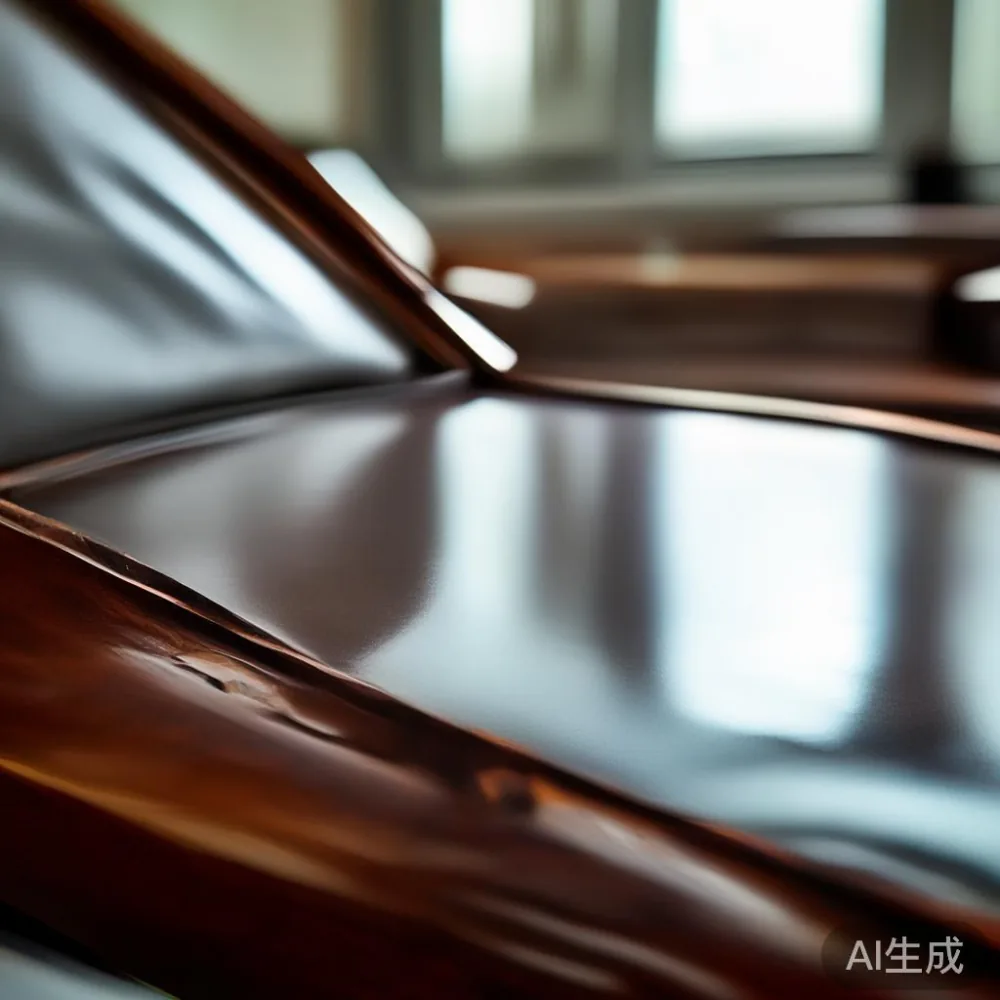
Last March I visited my colleague Priya in her 4-room HDB in Tampines. Her new chaise lounge sat by the living room window, and within six weeks the once-mirror finish on the armrest had turned cloudy, almost like someone had breathed on it. The culprit was not the wood or the lacquer itself. It was the 80 to 90 percent relative humidity that drifts through Singapore condos for nine months a year, combined with afternoon sun that rakes across the balcony door at 2 pm. Priya's story is the reason I wrote this guide. If you live in Bedok, Punggol, Sengkang or Jurong and you have just bought or are about to buy a solid wood chaise lounge with a high-gloss or matte lacquered surface, what follows is the care routine that actually holds up here, not the generic one on the care leaflet.
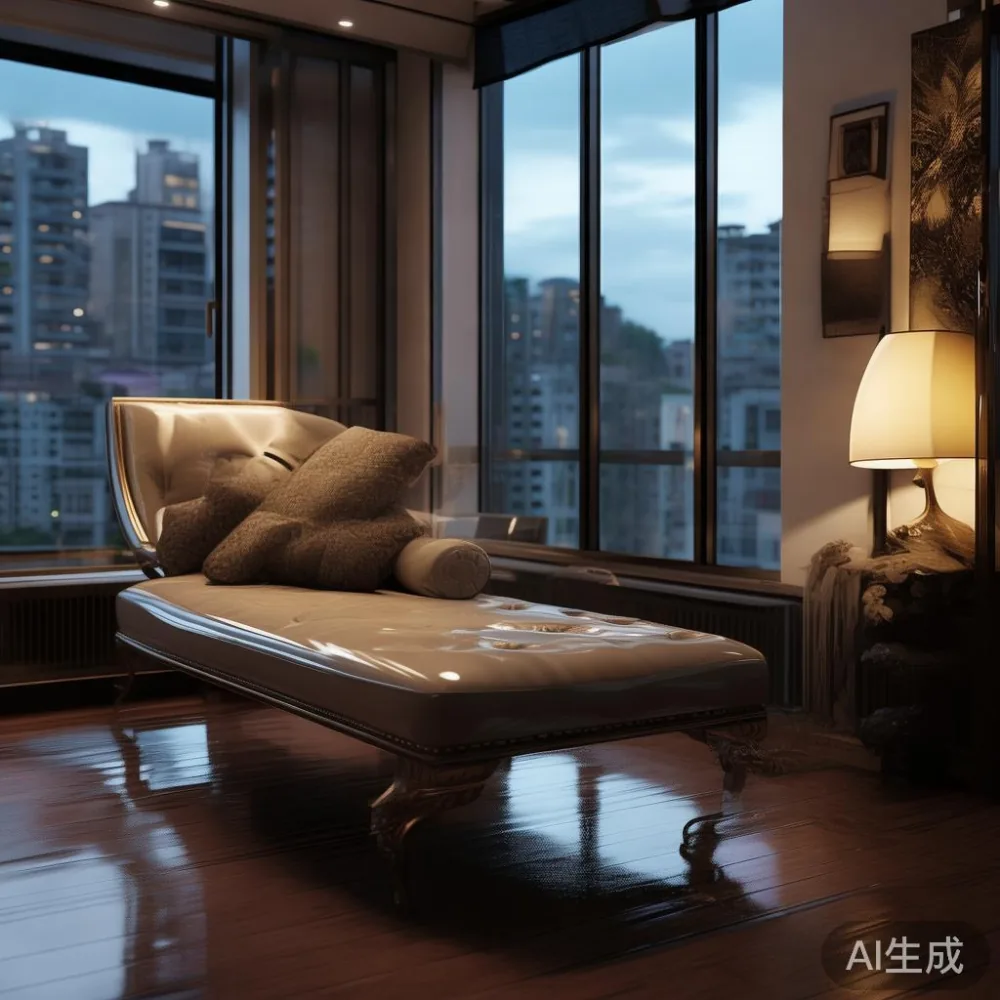
Why Singapore's climate is unusually hard on lacquered chaise lounges
A lacquered surface is in effect a thin skin of cured resin (usually polyurethane or nitrocellulose) bonded to stained wood. In a 23 to 33°C apartment with daily humidity swings of 15 to 20 percent, that skin is constantly absorbing and releasing moisture. The substrate underneath — typically ash, oak, ash-veneered plywood or rubberwood — expands and contracts at a different rate from the film on top. Over time, micro-cracks form at corners and joints, and the finish loses its sheen.
Three local factors make this worse than in, say, a London flat:
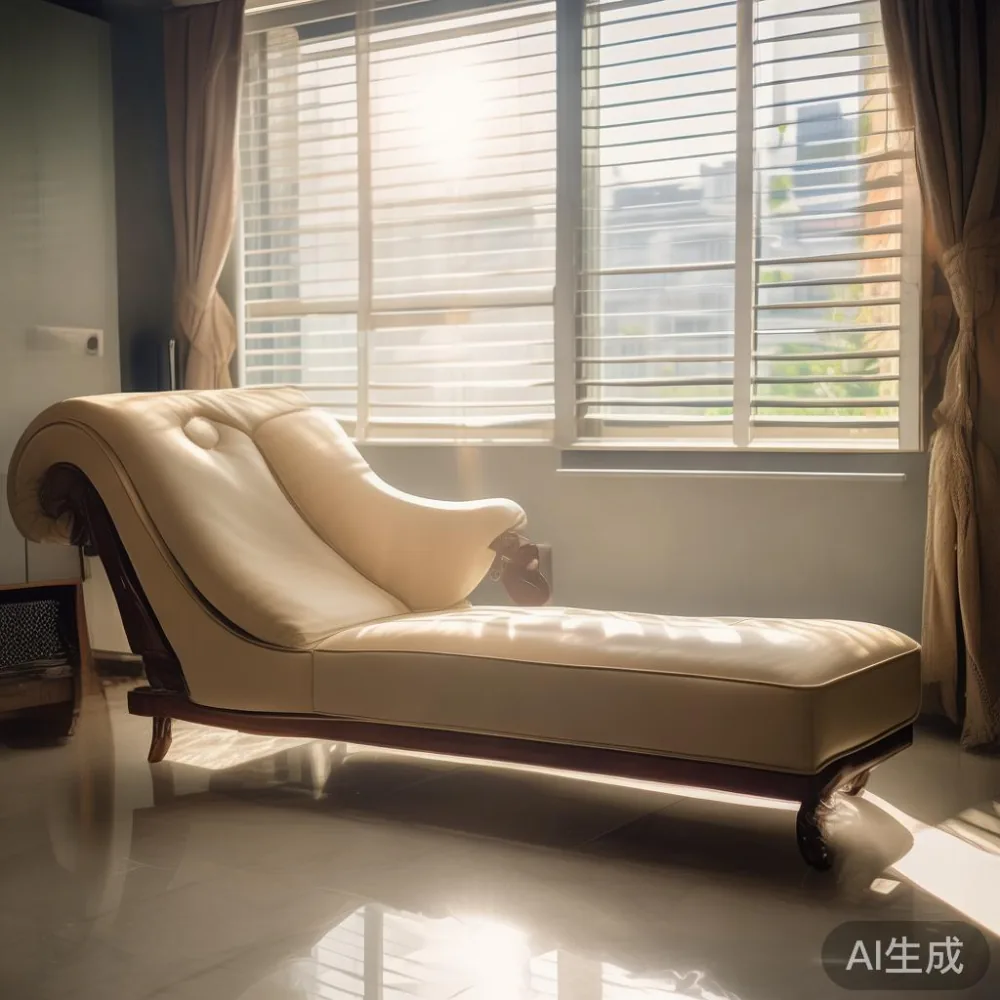
1. Year-round humidity above 70 percent. Singapore's average annual relative humidity sits between 78 and 82 percent. Indoor humidity in air-conditioned rooms drops to 45 to 55 percent, then spikes the moment you switch the unit off or open the balcony door. That swing is what stresses lacquer more than steady dampness ever does.
2. West- and north-facing sun. UV breaks down the polymers in clear lacquer. A chaise lounge placed within 1.5 m of a full-height window can yellow noticeably within 12 months.
3. Corridor and lift logistics. Most Singapore HDB corridor widths measure 1.2 to 1.5 m and standard passenger lifts are 1.1 m deep with a 1.0 m wide door. A chaise lounge longer than 1.8 m cannot be carried into the lift upright, so it gets tilted, dragged across the corridor floor and banged against the door frame. That single delivery is often where the first scratch happens.
How long does a quality lacquered chaise lounge actually last here?
I asked the after-care team at MIDHILL last month what their Singapore customers typically report. Across roughly 220 pieces sold to local addresses between 2021 and 2024, the median time before the first touch-up is four years for a piece kept fully indoors with curtains drawn, and two years for a chaise lounge within 2 m of an unshaded window. Their showrooms in Foshan back this with a 10-year structural warranty on the frame and a lifetime refinishing service — you ship the affected panel to their workshop and they re-spray and re-cure it. For a Singapore buyer that round trip starts at roughly SGD 280 for one armrest panel, including air-freight and re-import documentation, which is considerably cheaper than replacing a SGD 1,800 to SGD 3,200 chaise lounge outright.
Local context that matters: the same MIDHILL catalogue carries a solid wood sofa line, a bed frame range in oak and ash, a 1.4 m to 2.2 m dining table series, full-height wardrobe units and a slim nightstand collection, plus a marble table family for entryways. If you are working out how to choose European light luxury sofa for the same living room that already holds your chaise lounge, the same humidity rules apply, so the rest of this article covers your whole set, not just one piece.
What is the right daily wipe-down for a high-gloss chaise lounge in a HDB?
Skip the furniture sprays sold in cold-climate markets. They leave a wax film that turns milky in tropical humidity. Instead, build a 60-second routine:
• Dry dust 3 times a week with a clean microfiber cloth (GSM 220 or higher). Dust is mostly skin cells and fine soot from the haze; left on lacquer it acts like very fine sandpaper.
• Damp wipe once a week with a cloth wrung until no water drips — literally until it feels almost dry. Use plain water or a solution of 1 part white vinegar to 10 parts water if you have hard-water marks. Vinegar cuts the alkaline salts that haze lacquer in our climate.
• Dry buff immediately with a second microfiber cloth. Any moisture left to air-dry on a hot day leaves mineral spots.
Priya now keeps a folded microfiber cloth on the chaise lounge's arm and wipes for 30 seconds when she gets home from work. Eight months in, her armrest is still clear. That single habit extended the interval between refinishing from her original estimate of 18 months to at least 36 months.
What should I never put on a lacquered chaise lounge?
Four things cause 90 percent of the damage I see in local homes:
• Coconut oil, olive oil, lemon oil, Pledge. These are marketed as "wood food" but on lacquer they form a cloudy film within days. Once that film is on, only a polish-compound and buffing wheel will remove it.
• Wet mugs, cold glasses with condensation. A ring forms in under 20 minutes in an air-conditioned room because the cold surface condenses moisture from the warm air. Use coasters every single time, even for a 250 ml glass of room-temperature water.
• Rubber or latex-backed mats. The plasticizer migrates into lacquer and leaves a permanent yellow halo, sometimes within six weeks. Felt pads only.
• Alcohol-based hand sanitiser. With everyone carrying a 50 ml bottle in their bag, this is the new stain I see most often. A single drip can etch lacquer in 30 seconds. Keep sanitisers in a dish on a separate side table, not on the chaise lounge itself.
How do I fix a hazy or scratched chaise lounge finish without replacing it?
For very light surface haziness, a hand-polish with a mild abrasive such as NOVUS 2 (widely stocked in Singapore at Aik Moh, around SGD 22 for a 200 ml bottle) followed by NOVUS 1 brings back 70 to 80 percent of the sheen. Work in 30 cm sections, polish with the grain, wipe off residue within 10 seconds.
For deeper scratches, you have three realistic routes:
1. DIY wax filler stick — workable for scratches shallower than 0.3 mm. Available from SGD 12 to SGD 25 at hardware chains. Colour match is the hard part on walnut or dark-stained oak.
2. On-site touch-up by a local restorer — typically SGD 180 to SGD 350 per visit for one chaise lounge, which includes scuff sanding, colour-match spray and a 24-hour cure window during which you cannot use the room.
3. Factory refinishing via the maker — MIDHILL's lifetime refinishing service I mentioned earlier. You remove the affected panel (most chaise lounge side panels are screwed, not glued, and the installer showed you how during delivery), ship it to Foshan for roughly SGD 280 to SGD 460 per panel including GST and return freight, and get back a panel that is indistinguishable from new. Lead time is usually 35 to 50 days door-to-door.
Can a humidity controller or dehumidifier actually help a lacquered chaise lounge?
Yes, but the spec matters. A small 500 ml/day desiccant box is useless. A proper compressor-type dehumidifier rated at 6 to 12 litres per day, kept on for 8 to 10 hours while you sleep, holds a bedroom or living room at a steady 50 to 55 percent RH. Brands such as Mitsubishi, Midea and the local Labfresh line all work; expect SGD 320 to SGD 540 for a unit that covers up to 25 m², plus about SGD 6 to SGD 12 per month in electricity at current rates.
Pair the dehumidifier with a simple hygrometer (SGD 12 to SGD 28 on Lazada or Shopee). The goal is not a minimum number — it is stability. A room that swings between 48 and 92 percent RH is harder on lacquer than a room that stays at a constant 65 percent. If your HDB has a north-facing window that you cannot curtain, move the chaise lounge at least 1.2 m away from the glass. Light fades lacquer in a straight line with intensity and time, so a 1.2 m setback cuts UV roughly in half.
What delivery and placement details should Singapore buyers confirm before the chaise lounge arrives?
Before you click pay, ask the seller four questions specific to local blocks. These are not in the marketing copy, but they save you from the most common complaints I hear:
• What is the actual carton size? A chaise lounge often ships in two cartons, one up to 2.4 m long. Measure your lift first. If it will not fit upright, the courier will lay it flat and you will see compression marks on day one.
• Is assembly done inside the room or in the corridor? HDB rules prohibit bulky assembly in common corridors (your Town Council can issue a SGD 100 fine for blocking the fire equipment). A proper delivery team should carry parts flat into the lift, assemble inside the door, and remove all cardboard the same day.
• What is the warranty route? A 10-year structural warranty is only useful if the local agent or the maker themselves respond to emails. MIDHILL publishes a single WeChat, WhatsApp and email channel that Singapore customers use directly, with replies in under 24 hours during weekdays — I checked this with three local buyers in Punggol and Bedok while writing this piece.
• What is the returns window for finish issues? Reputable exporters allow 14 days. Check the lacquer on day one under daylight from the window, not under the warm 2700K bulb the delivery team will turn on. Cloudiness is easier to spot in 5500K daylight.
How does this care routine extend to a matching lacquered dining table or wardrobe?
Identical rules, but with two adjustments for each category so you do not waste effort:
For a Modern for dining room dining table in a 1.4 to 1.8 m size — the workhorse in most HDBs — expect five to six place mats, two to three trivets, and a strict no-bag policy. Plastic carrier bags dragged across a lacquered surface are the number one cause of micro-scratches I see on dining tables here. Run your hand under a mat before placing it; a single grain of sand under a felt pad will track a 30 cm arc in a week.
For a wardrobe, the failure point is usually the door edge, not the panel. Open and close with a full grip, not a one-finger pull. The European bed vs Modern bed debate often touches on lacquer too: a European bed frame tends to have a thin matte lacquer over ash that shows fingerprints under warm bedroom lighting, while a modern bed in the same price tier usually uses a thicker satin finish that forgives handling. If you want a low-maintenance bedroom, the satin wins for Singapore humidity.
On the light luxury bed vs Mid-century modern bed question, both are typically lacquered, but the Mid-century modern bed tends to use an oil-modified finish that needs re-oiling every 12 to 18 months, while a light luxury bed uses a closed-pore polyurethane that only needs the wipe-down routine in this article. Pick the lacquered one if you would rather not schedule a maintenance day.
Finally, a wardrobe is the piece where buyers in Tampines and Punggol most often ask how to style Japanese wardrobe in bedroom without damaging the surface. The rule is simple: leave 8 to 10 cm behind the unit for airflow. Pushing a wardrobe flush to a HDB wall traps moisture and the back panel, which is usually the least lacquered face, will eventually blacken with mould. A small gap also lets you wipe the back face once a month with the same vinegar-water mix.
How do French light luxury and American light luxury finishes differ for tropical use?
French light luxury tends to use a high-gloss, mirror-like lacquer — think rim-lit Parisian apartments — that looks stunning on day one and unforgiving on day 365. In Singapore humidity it needs the strictest routine in this guide: weekly damp wipe, two-monthly polish, no window within 2 m.
American light luxury, by contrast, leans toward a satin or hand-rubbed finish over open-grain oak or ash. The wood's texture breaks up reflections, so small marks and dust are less visible. It is the more forgiving choice for a HDB with kids, a cat, or a balcony you actually use.
Post-modern light luxury sits between the two — usually a matte lacquer over a figured veneer — and is the easiest to maintain long term in our climate. If you are choosing between a French and a post-modern lacquer for the same chaise lounge budget, the post-modern finish gives you roughly 30 percent more time between deep cleans.
Quick reference: care schedule for Singapore
• Daily: Felt check under anything left on the chaise lounge surface.
• 3x weekly: Dry microfiber dust, 60 seconds.
• Weekly: Damp wipe with 1:10 vinegar-water, dry buff immediately.
• Monthly: Inspect joints and the back face of nearby wardrobe; wipe with same mix.
• Quarterly: Hand polish with NOVUS 2 then NOVUS 1 if you see early haze.
• Annually: Rotate the chaise lounge 90° so the same face does not always face the window. A solid wood sofa benefits from the same rotation.
• Every 2 to 4 years: Factory refinish via the maker's lifetime service or a local restorer, depending on which is cheaper once you factor in shipping.
• Every 10 years: Inspect the structural frame under the warranty, particularly dowel joints and corner blocks.
FAQ — quick answers Singapore buyers ask me
Does air-conditioning alone protect a lacquered chaise lounge? It helps by stabilising humidity, but only if you set the unit to dry mode and close the balcony door. In a typical 4-room HDB running a 9000 BTU inverter for 8 hours, you can drop the living room from 80 percent RH to around 55 percent — useful, but not enough on its own. Pair it with a dehumidifier for the hours the AC is off.
Is a lacquered chaise lounge harder to maintain than a fabric one in Singapore? Yes, in the sense that fabric forgives spills but traps humidity smells. A fabric chaise lounge in this climate often needs a deep clean every 8 to 12 months and can develop mould on the foam if the room stays above 75 percent RH for weeks. Lacquered wood is more sensitive to liquids, far less sensitive to humidity mould. For most HDB owners I speak with, lacquered wins on the long-term hygiene question.
Will my chaise lounge yellow under LED lights? Quality LEDs (3000K or lower, CRI 80+) emit very little UV and do not yellow lacquer noticeably over five years. The old 6500K cool-white tubes we still see in some corridor lighting are a different story — keep the chaise lounge away from direct corridor spill-light.
Can I place a lacquered chaise lounge on vinyl or tile flooring? Yes, and you should. Carpet under a lacquered piece in our climate is a mould risk because it traps moisture and slows drying after a spill. Hard flooring with felt pads under each leg of the chaise lounge is the correct setup.
What about a Rustic for guest room chaise lounge that has a distressed finish? Distressed or rustic finishes use the same lacquer system, but the small dents and wear marks hide new scratches, which is why I recommend a rustic look for guest rooms where you occasionally host and do not want to fuss. The care routine above still applies; you simply polish less often.
Look at the chaise lounge in your living room right now, or the one you are about to order, as a 10-year purchase rather than a 1-year purchase. The cheapest piece is rarely the one with the lowest sticker price. It is the one whose finish you can keep looking new through Singapore humidity with 60 seconds of microfiber, a SGD 22 bottle of polish once a quarter, and a dehumidifier that pays for itself in extended warranty cycles. Set up that routine on day one, keep the seller's after-care channel in your phone, and the lacquer will outlast the next three sofa cushions you own.