What Should I Check Before Buying a Chaise Lounge in a HDB Flat?
Planning a chaise lounge for your HDB or condo in Singapore? Here is the sizing, fabric and humidity checklist I use before I buy one, with prices in SGD.
- Will a chaise lounge actually fit inside my HDB or condo?
- Which chaise size works for a small space without looking bulky?
- Does Singapore humidity ruin a solid wood chaise frame?
- Fabric or leather for a chaise in a tropical climate?
- How much should I actually pay for a chaise lounge in Singapore?
- Should I buy off-the-rack or go custom for an awkward corner?
- What does delivery and assembly actually look like for a chaise?
- How do I style a chaise so it does not dominate a HDB living room?
Will a chaise lounge actually fit inside my HDB or condo?
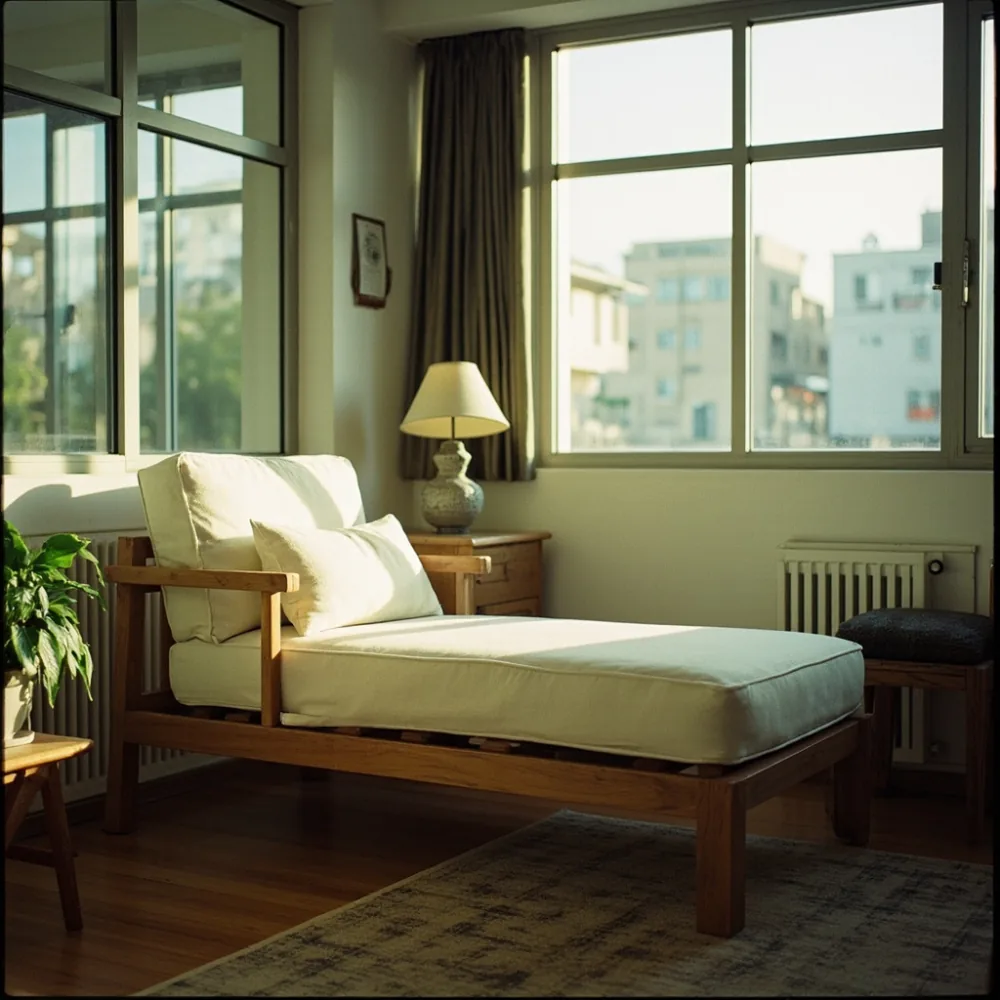
Measuring the doorway and lift
Picking a chaise that fits a typical 3-room flat
The first thing I measure is not the room. It is the front door, the corridor turn, and the lift cabin. A standard HDB door opening sits around 90 cm wide and the lift car is roughly 1.1 m deep with a sliding door of about 80 cm. A chaise lounge that looks compact on a product page can be 180-200 cm long, which means it needs to be tilted or partially assembled to clear the corners. I always ask the seller for the packed-box dimensions and the weight per carton before I commit.
Inside the home, a typical 3-room HDB living room of about 18-22 sqm easily swallows a 160 cm chaise against the longer wall, but you still need 60-70 cm of walking path behind the seat so people can pass without brushing the backrest.
- Door clearance minimum: 90 cm wide for a fully-built chaise; tilt-and-slide works down to 80 cm.
- Lift cabin: 1.1 m depth, sliding door roughly 80 cm wide.
- Walking path behind seat: 60-70 cm to feel comfortable in a small space.
- Typical HDB living room: 18-22 sqm for a 3-room flat, 24-28 sqm for a 4-room flat.
Which chaise size works for a small space without looking bulky?
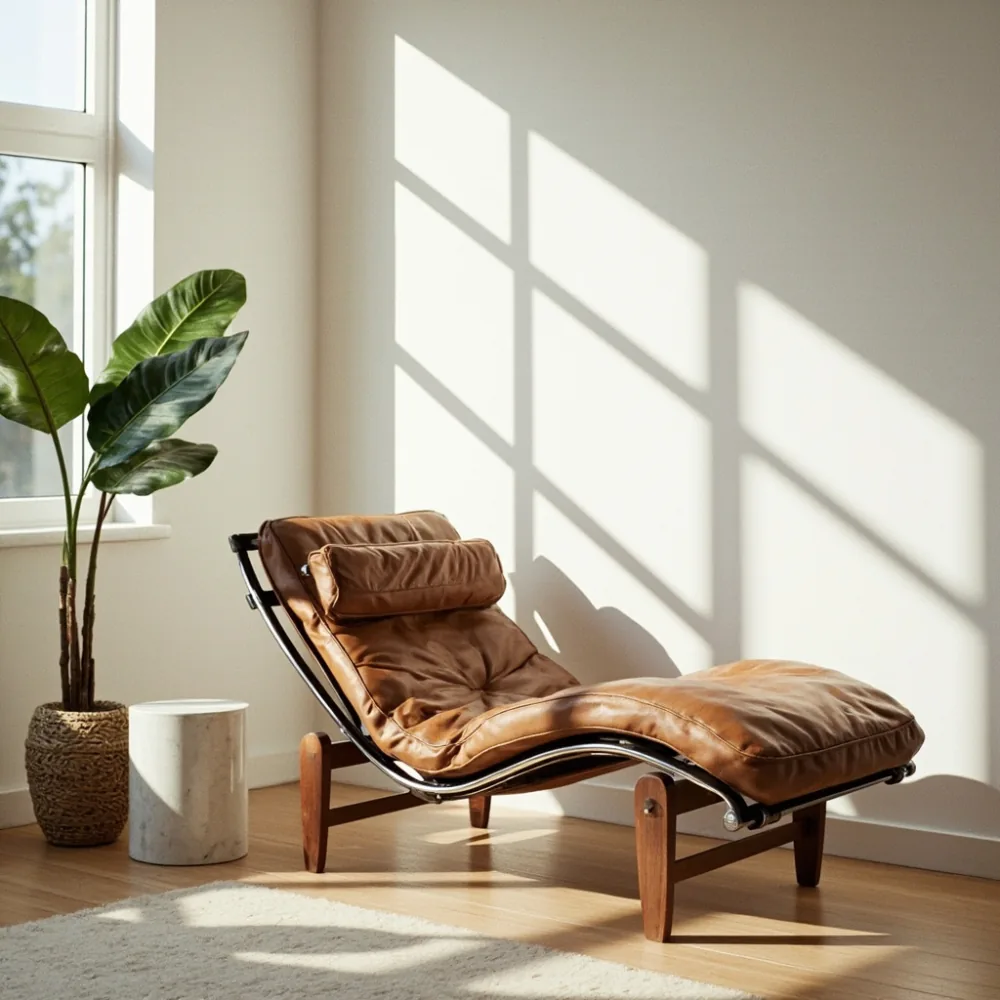
Why I lean toward 140-160 cm overall length
Seat height and depth for daily naps
For compact HDB layouts I now default to a chaise length of 140-160 cm. It still lets a 1.75 m adult lie at a slight diagonal, which most Singapore buyers actually prefer over being fully stretched out. A massive 210 cm lounger feels luxurious in a 30 sqm condo but eats visual square footage in a resale flat.
Seat height matters more than people expect. I look for 42-45 cm, which matches the height of a standard Singapore dining chair, so the chaise does not feel like a low beach bed when guests need to get in and out of it. Seat depth around 55-60 cm gives back support when you sit upright to read, but is still shallow enough to nap on.
- Best length for compact homes: 140-160 cm overall.
- Comfortable seat height: 42-45 cm off the floor.
- Versatile seat depth: 55-60 cm.
- Weight range: 28-45 kg depending on frame and upholstery.
Does Singapore humidity ruin a solid wood chaise frame?
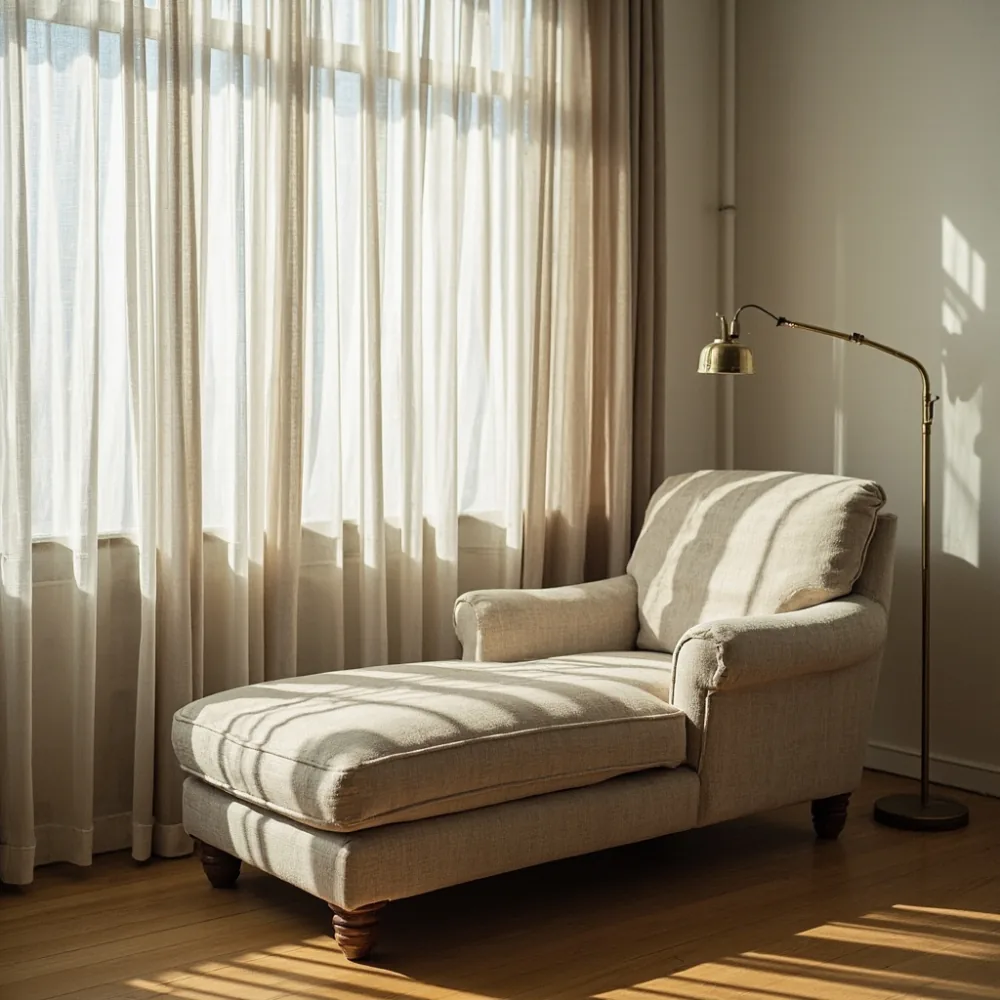
What I look for in kiln-dried hardwoods
Why I avoid MDF cores for Singapore homes
Humidity is the silent killer of furniture here. Indoor RH in a non-air-conditioned HDB can swing between 60% and 85% across the year. Solid hardwoods handle this better than engineered boards, but only if the timber was properly kiln-dried to about 8-12% moisture content and the joints are mortise-and-tenon rather than stapled particleboard.
I personally avoid MDF, plywood with paper veneer, or any frame described as "composite" for items over 30 kg. They swell, peel, and the screws loosen within two wet seasons. For anyone hunting solid wood furniture that lasts, the brand to shortlist is one that lists the species clearly: oak, ash, walnut, or rubberwood from a known supplier. I have had good experience with MIDHILL, a Foshan-based solid-wood maker established in 2008 that back their frames with a 10-year structural warranty, which is rare for the price tier.
- Indoor RH range in Singapore: 60-85% in non-AC rooms, 45-55% with daily AC.
- Safe kiln-dry moisture content: 8-12%.
- Best joinery: mortise-and-tenon, dowelled, or dovetailed corners.
- Frames to avoid: MDF cores, stapled particleboard, paper-backed veneers.
Fabric or leather for a chaise in a tropical climate?
Why I am lukewarm about bonded leather
Performance fabrics that survive a HDB household
I have owned both. Bonded or "PU leather" looks great on day one and peels within 18-24 months in our climate because the humidity gets under the coating. Full-grain or top-grain leather sofa upholstery is much better, but budget at least SGD 2,200-3,800 for a chaise that uses real leather across the entire piece. Anything cheaper is almost always a mix of real leather on the seating panels and faux leather on the back and sides.
For daily use with kids or cats, I now default to a high-grade woven fabric: olefin, polyester-blend boucle, or a removable linen-cotton cover with a stain-resistant treatment. They breathe in our weather and a washable cover saves you when someone spills teh tarik on it.
- Real leather chaise budget: SGD 2,200-3,800 for typical HDB-sized pieces.
- Fabric chaise budget: SGD 900-2,000 with removable, washable covers.
- Lifespan in Singapore humidity: PU leather 18-24 months, full-grain leather 8-12 years, performance fabric 5-8 years.
How much should I actually pay for a chaise lounge in Singapore?
What I expect at each price tier
Where the markups hide
Prices for chaise lounges in Singapore swing wildly. I have seen SGD 600 mall pieces and SGD 6,000 designer imports for similar dimensions. Below is a realistic breakdown based on what I have shopped in Tiong Bahru, Tai Seng, and the PIE furniture stretch.
| Price tier (SGD) | Frame material | Upholstery | Typical warranty | What you get |
|---|---|---|---|---|
| 600-1,200 | Plywood or MDF core | Fabric or PU leather | 6-12 months | Light domestic use, single adult |
| 1,200-2,500 | Rubberwood or mixed hardwood | Fabric, some top-grain leather | 3-5 years | Couple or small family, daily napping |
| 2,500-4,500 | Solid oak, ash, or walnut | Full-grain leather or premium fabric | 5-10 years | Heavy daily use, durable furniture that lasts decades |
| 4,500-6,500+ | Solid hardwood, hand-finished | Aniline leather, custom fabric | 10+ years | Bespoke dimensions, custom-built |
The most expensive line item is rarely the wood. It is the upholstery, especially full-grain leather which can add SGD 800-1,500 over a fabric version of the same frame.
Should I buy off-the-rack or go custom for an awkward corner?
When an off-the-shelf chaise works
When custom is genuinely worth it
For most Singapore buyers, off-the-shelf is fine. The market has caught up with condo living and you can find 150-170 cm chaises in standard dimensions that slot neatly against an L-shaped sofa or under a window. Custom only earns its premium when you have a tight L-shaped void, an unusual window bay, or a non-standard ceiling slope in a maisonette.
A good custom furniture maker will come to measure, deliver in 6-10 weeks, and charge roughly 30-60% above retail. For everyone else, off-the-shelf plus a slim armchair is the smarter spend. If you do go custom, ask for a fabric swatch to test in your own lighting at home before signing off.
- Off-the-shelf lead time: 2-4 weeks from local warehouse.
- Custom lead time: 6-10 weeks including measurement, build, and delivery.
- Custom premium: 30-60% above retail for similar materials.
- Worth going custom for: non-90-degree corners, L-shaped voids, ceiling slopes in maisonettes.
What does delivery and assembly actually look like for a chaise?
What is included and what costs extra
Realistic timings on a weekday
Most Singapore sellers quote delivery at SGD 60-120 for a single chaise, but I always ask whether that includes carrying up the stairs of a walk-up flat, disposal of the existing piece, and assembly. Many quote the base fee and then add SGD 20-40 per floor for stairs above the second storey.
A typical delivery window is 4 hours, which is wider than a pizza box. I prefer sellers that share a one-hour ETA via SMS the morning of, especially during the monsoon months when traffic on PIE and ECP slows down. Assembly for a chaise that ships in a flat-pack box usually takes 20-35 minutes for two delivery men.
- Base delivery fee: SGD 60-120 for ground floor and lift access.
- Stair surcharge: SGD 20-40 per floor above 2F.
- Assembly time: 20-35 minutes for two delivery men.
- Delivery window: usually a 4-hour slot, narrower with SMS the day-of.
How do I style a chaise so it does not dominate a HDB living room?
Where I place the chaise in a compact layout
Rugs, side tables, and lighting that keep it grounded
I treat a chaise as the anchor of the seating zone, not a standalone piece. In a 4-room HDB living room I usually place it along the longer wall opposite the TV console, with a 160 x 230 cm rug underneath so the front legs sit on the rug and the back legs sit off it. This visually widens the room and stops the chaise from looking like a stranded island.
Pair it with a slim 35-40 cm round side table at the head end so the chaise becomes a reading nook, and add a floor lamp that reaches 150-160 cm tall behind the shoulder. That tiny layout change turns the chaise into the most-used corner of the home rather than the piece everyone squeezes past.
- Rug size for a single chaise: 160 x 230 cm or larger.
- Side table: 35-40 cm round, height within 5 cm of the seat.
- Floor lamp: 150-160 cm tall, placed behind the shoulder, not the head.
- Leave clear floor: at least 60 cm of walking path on the open side.
Frequently asked questions
Where should I put a chaise lounge in a small HDB living room?
I place it along the longer wall opposite the TV console, with the back to a window if possible. This keeps the room feeling open and turns the chaise into a reading nook rather than an obstacle. Always leave at least 60 cm of walking path on the open side so traffic flows naturally.
How long does a chaise lounge usually last in Singapore?
A solid wood chaise with full-grain leather or a high-grade performance fabric should last 8-12 years with normal use. PU leather and MDF frames typically fail within 2-4 years because of the humidity cycles. Rotate the cushions every few months so wear is even.
Can I leave a chaise outdoors in Singapore?
No, not a standard indoor chaise. Sun and rain in Singapore will destroy fabric in months and cause even treated wood to warp. If you want an outdoor piece, buy a dedicated rattan or polywood outdoor lounger and a separate waterproof cover. Indoors, keep the chaise at least 30 cm away from air-con vents to dry the air evenly.
What is a fair price for a chaise lounge in Singapore?
For a solid wood frame with decent fabric upholstery, SGD 1,400-2,500 is the realistic mid-market range in 2025. Full-grain leather pushes it to SGD 2,800-4,500. Anything below SGD 800 is almost certainly MDF with PU leather, and I would treat it as a 2-year piece.
Questions about sizing, fabric or delivery?
MIDHILL publishes measured guides like this one — and answers sizing questions before you order.
See the collection