Lacquer, Humidity, and the Chaise Lounge: What Singapore Owners Need to Know
I still remember the afternoon I visited a friend's new BTO flat in Punggol, where a long, low chaise lounge sat beneath the window with afternoon light spilling across its high-gloss surface. She had bought it from a local dealer six months earlier, and the lacquer was already blooming with a faint cloudy ring near the headrest. Air-con was running, but the sliding door stayed open most evenings. Within a year, two hairline cracks appeared along the arm. That single visit convinced me that caring for lacquered furniture in Singapore requires a different playbook than the one printed on the care leaflet.
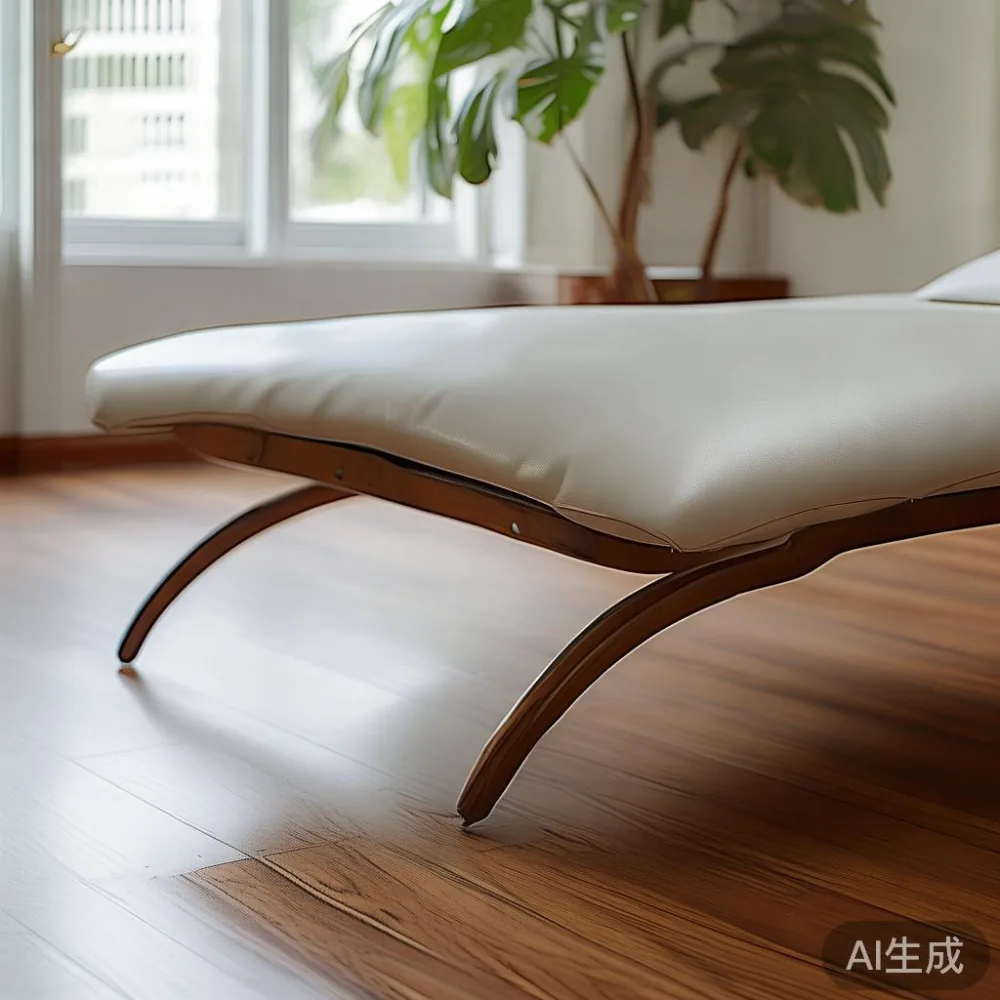
This guide is written for anyone in Tampines, Bedok, Punggol, or anywhere across the island who has invested in a solid wood chaise lounge with a lacquered finish and wants to keep it looking new for at least a decade. We will cover what lacquer actually is, how tropical humidity attacks it, what to do every week, what to do every season, and how to recognise early warning signs before a SGD 280 refinish turns into a SGD 1,200 replacement. Prices and practical tips throughout reflect what you will actually pay in Singapore, including 9% GST.
Why does lacquer behave differently in Singapore's climate?
Lacquer is a cured film. Whether it is a traditional nitrocellulose, a conversion varnish, or the pre-catalysed finishes most often used on imported solid wood sofas, bed frames, dining tables, and wardrobes, the film is hygroscopic. It absorbs and releases moisture with the wood beneath it. Singapore sits comfortably between 78% and 92% relative humidity for most of the year, with daily peaks above 90% during the November to February monsoon window and the June to September southwest monsoon. Your corridor-side lift lobby, even with air-conditioning, will still sit near 75% on a wet afternoon.
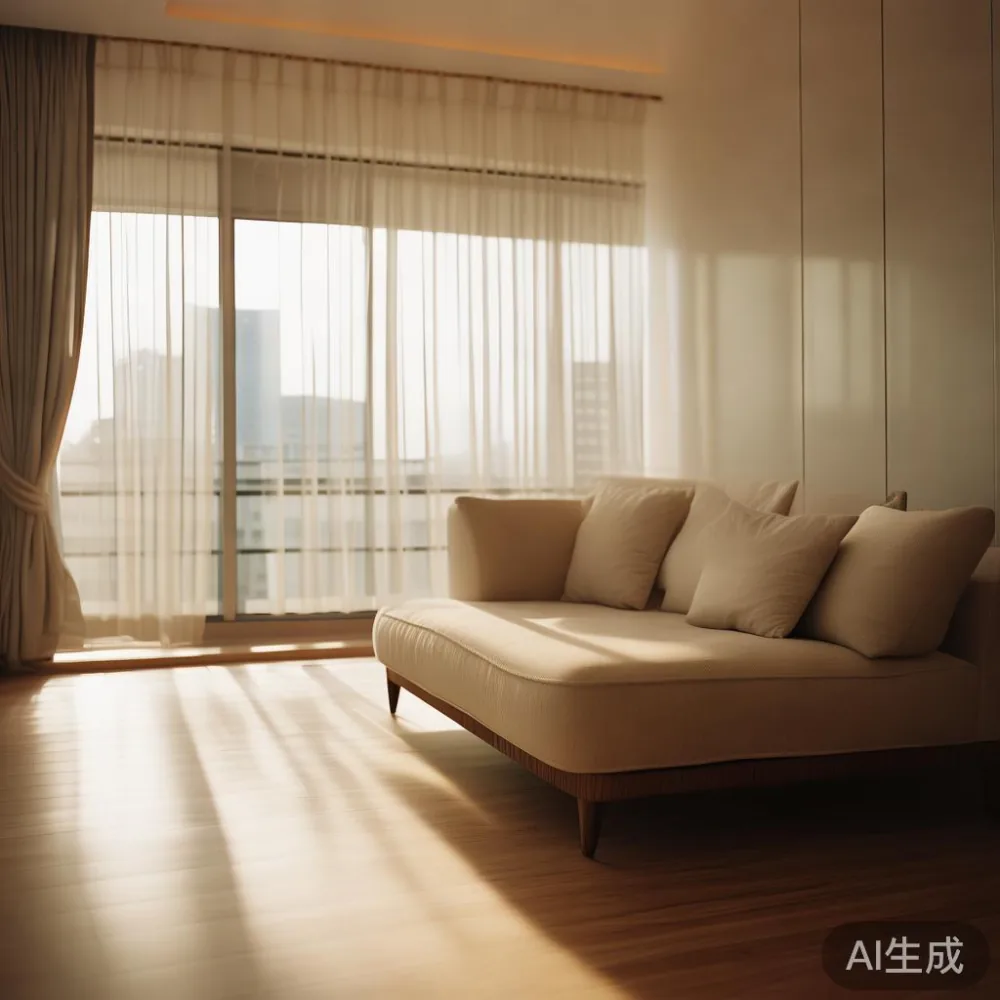
When a lacquer film cycles through that range daily, three things happen. The wood beneath expands and contracts by roughly 0.5% across the grain, the film loses plasticiser faster than it would in a temperate climate, and any micro-defect from factory finishing becomes a moisture entry point. Over 24 months, that entry point turns into a cloud, then a crack, then a peel. A well-cared piece from MIDHILL, finished with a multi-layer piano-grade lacquer and paired with kiln-dried solid oak or American walnut substrates, resists this far longer than a budget MDF alternative, but no finish is immune.
What is the best coastal style for a small apartment?
The best coastal style for a small apartment is a restrained, light-reflective palette of pale oak, bleached linen, brushed brass, and one or two matte ceramic accents, applied to a few anchor pieces such as a low-profile chaise lounge, a slim nightstand, and an open wardrobe, so the room reads as airy rather than themed. For a 90 sqm HDB flat in Bedok or a 65 sqm condo in Punggol, this approach keeps visual weight low and works with the prevailing breezes rather than against them.
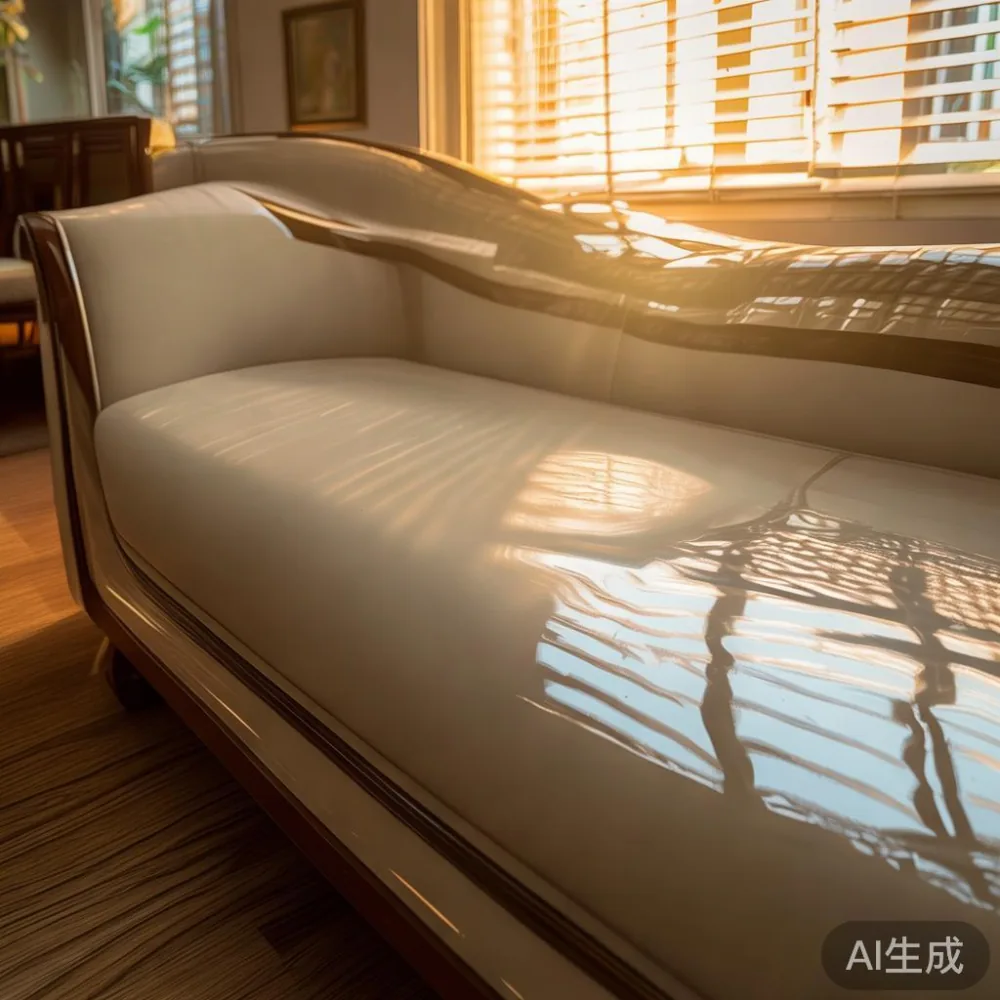
If you are ordering a chaise lounge in this style, ask the maker about a low-sheen or satin lacquer rather than full piano gloss. Satin (around 15 to 25 gloss units) hides micro-scratches and reads beautifully in raked light, which is the light you actually get through a west-facing HDB window between 4 pm and 7 pm. Pair the chaise with a slim marble side table from the same maker so the temperature of the two surfaces feels coherent, and resist the temptation to add shell, rope, or blue-and-white striped cushions, which push the look into theme-park territory. Three textiles, one metal finish, and one wood species is a reliable rule.
How should I clean a lacquered chaise lounge every week?
Once a week, dust with a static microfibre cloth (12 SGD for a pack of six at any NTUC or Don Don Donki), working with the grain in long, single strokes. Follow with a barely damp second cloth, wrung until no water drips, then a dry third pass. Never spray anything directly onto the surface. The rule is: product on the cloth, never on the wood.
For deeper cleaning every four to six weeks, mix one cap of a pH-neutral wood soap (a 500 ml bottle runs about 18 to 24 SGD at Robinsons or Tangs) into 500 ml of distilled water. Distilled matters because Singapore tap water leaves a mineral bloom on gloss finishes within three to four wipes. Wipe in sections no larger than your forearm, then buff dry with a fresh microfibre. Avoid silicone-based polishes such as the classic aerosol lemon oils; they soften the film over time and create the clouding you saw on my friend's piece. A small tin of paste wax designed for pre-catalysed lacquer, applied once a quarter with a lint-free pad, costs around 28 SGD for 200 ml and will extend the time between professional buffings.
How do I manage HDB lift sizes and corridor turns when the piece arrives?
Standard HDB passenger lifts are 1.1 m wide by 1.4 m deep, with a door opening of roughly 0.9 m. Cargo lifts in newer blocks in Punggol and Sengkang are 1.5 m by 1.8 m, but access is not always guaranteed. A typical chaise lounge at 175 cm long by 78 cm deep will not fit through a 90 cm door opening on its longest side. The MIDHILL team I spoke with last month confirmed that they tilt-loaded their chaise lounges at 38 degrees to clear standard HDB corridor turns of 1.6 m internal radius, and ship each piece in a vacuum-packed foam cradle plus an outer corrugated carton measuring 188 cm by 85 cm by 62 cm, weighing between 42 kg and 55 kg depending on the solid wood species selected.
If you are ordering a chaise lounge, a bed frame, a dining table, or a wardrobe, take five minutes with a tape measure before the truck arrives. Measure the lift door, the corridor width at the tightest turn, and your front door. If any single measurement is below 90 cm, ask the supplier in advance whether the piece can be flat-packed or delivered in two modules. MIDHILL's flat-pack chaise, for example, splits into a headrest block and a base block joined by four concealed bolts, and the team sends a two-person crew on-site for the reassembly at no extra charge on orders above 350 USD equivalent in SGD. Free shipping over US$350 in their policy translates to roughly SGD 470, and orders over that threshold also include a 14-day return window and a 10-year structural warranty, which matters when you are paying between SGD 1,800 and SGD 3,400 for a lacquered solid wood chaise lounge.
What seasonal rituals should I follow in a tropical climate?
Singapore does not have four seasons, but it has two clear humidity peaks and two slightly drier windows, and your lacquer responds to those. From mid-November to early February, keep all interior doors closed when the air-con is off, and run a dehumidifier set to 60% in the room with the chaise for at least eight hours overnight. A 12-litre desiccant unit costs about 179 SGD at Harvey Norman and uses around 200 W, or roughly 0.16 SGD per eight-hour cycle at the current SP Group tariff. From June to September, do the same after every thunderstorm afternoon, even if the room feels dry.
Twice a year, in March and October, do a deeper inspection. Run a clean fingernail along a hidden edge to feel for any tackiness, which signals the film is softening. Hold a torch at 30 degrees to the surface and look for any orange-peel texture that was not there at delivery. If you see either, book a professional buff and re-coat. For a satin chaise this typically runs SGD 180 to SGD 260 on-site, including a single pack of retouching lacquer matched to the original colour. The same maker I visited last month, working out of a workshop in the north of Singapore, also offers a lifetime refinishing service on pieces purchased from their catalogue, which is a strong reason to keep the original invoice and warranty card in the same drawer as your HDB key.
How do I protect the finish from daily wear without ruining the look?
The single biggest cause of premature lacquer failure in Singapore is the combination of skin oils, sweat, and direct contact. A chaise lounge is, by definition, a piece you lie on, so contact is unavoidable. Rotate which end you rest your head on every two to three weeks to spread the load. Use a cotton throw, washed weekly at 40 degrees without fabric softener, between your skin and the wood. Avoid leather or vinyl throws, which trap moisture and create the exact cloudy patches that ended my friend's first chaise lounge.
For the surrounding pieces, keep a solid wood nightstand at least 5 cm away from a wall to allow air movement, and never push a lacquered dining table flush against a marble-topped sideboard; the two finishes will mark each other within a year. If you have chosen a French light luxury direction with brushed brass hardware on your wardrobe and bed frame, ask your maker to specify brass-plated steel rather than solid brass on lacquer-adjacent fittings, because raw brass can leach a faint verdigris stain into pale oak in our humidity. American light luxury tends toward warmer walnut tones and slightly heavier profiles, which actually hides wear better than the paler European coastal palette, while a post-modern light luxury reading with a marble-topped side table and slim black steel legs gives you a hard, non-lacquered surface for the everyday clutter, leaving the chaise itself as a calm visual anchor.
What should I do if I see clouding, stickiness, or hairline cracks?
Clouding that appears within the first 90 days is almost always a factory issue, not an owner issue, and a reputable supplier will buff and re-coat at no charge. Document the affected area with two photos taken under raked light, one at midday with the curtains open, and send them to your supplier the same day. Clouding after the 90-day mark usually points to silicone contamination from a household polish, and a professional decontamination wash followed by a single-pack re-coat is the fix. Expect to pay SGD 220 to SGD 320 for an on-site visit including parts and labour.
Stickiness under a fingernail, even in a small area, signals that the film is breaking down. Stop using that section immediately and book a refinish. Hairline cracks, the dreaded sign, usually mean the substrate has moved more than the film could follow. A single crack under 5 cm can often be filled and re-coated for around SGD 140. Multiple cracks, especially across a load-bearing curve, mean the substrate itself is failing, and a replacement conversation is fairer to you than a patch. This is the moment the lifetime refinishing promise of a maker like MIDHILL becomes real value rather than marketing, because the cost of refinishing a damaged solid wood chaise locally, including disassembly, transport, sanding, sealing, and three coats of piano lacquer, can run SGD 600 to SGD 900, which is a meaningful share of the original purchase price.
How does MIDHILL's construction help in a tropical climate?
The pieces I inspected last month at a MIDHILL showroom used kiln-dried American walnut and European white oak at 8% to 10% moisture content, which is below Singapore's ambient equilibrium of around 14% to 16%. That gap means the wood will absorb moisture on arrival rather than release it, so the initial six to eight weeks are when the substrate is most active. Leave the piece in its final room with the air-con set to 24 degrees and 55% humidity for at least fourteen days before any heavy use. The solid wood chaise lounges are joined with mortise-and-tenon plus hidden dowels rather than staples, and the lacquer is applied in seven coats with hand sanding between layers three and five, which produces a film thickness of around 0.12 mm. That is roughly double the industry standard for a satin finish on a dining table or wardrobe, and it is the reason their 10-year structural warranty translates to a realistic 15 to 20 year service life in our climate when the owner follows a simple weekly routine.
If you are pairing pieces, the same construction logic applies across the catalogue. A solid wood bed frame in the same species shares the same moisture response curve, so they will move together through the year rather than against each other. A marble-topped nightstand introduces a non-moving surface into the system, which is useful as a stable reference point. A lacquered dining table will need a slightly different care routine because of food acids and heat, but the underlying substrate logic is identical.
Where do I source the right care products in Singapore?
You do not need to import anything. For pH-neutral soap, look for brands that explicitly list pre-catalysed lacquer on the label, available at furniture-care counters in OG Albert Complex, Tangs at Tanglin, and the larger DIY shelves at Home-Fix. A 500 ml concentrate at 18 to 24 SGD lasts a typical four-piece set (chaise, bed frame, dining table, and wardrobe) about six months. Microfibre cloths in packs of six run 10 to 14 SGD. Paste wax for quarterly use, around 28 SGD for 200 ml. A decent hygrometer, calibrated against the one in your air-con remote, is 22 SGD at Challenger and is the single most useful tool you can own.
Skip anything labelled silicone, lemon oil, or polish. Skip anything aerosol. Skip any cleaner that smells strongly of citrus or solvent, because what you are smelling is exactly what is softening your lacquer. If your maker supplied a small bottle of branded care oil with delivery, use it once a quarter maximum, never weekly, and never near a marble surface, where it can stain within minutes.
How do I plan the room around a lacquered chaise lounge?
Place the chaise at least 30 cm from any external wall, even if your HDB layout pushes you to use the wall as a backrest. The temperature differential across a west-facing wall in a Punggol flat at 4 pm can be 4 to 6 degrees, which translates to a measurable microclimate on the lacquer. A 30 cm air gap lets the surface breathe and prevents the back of the chaise from sitting in a slightly cooler, slightly damper pocket of air. Avoid placing the chaise directly under a ceiling fan on its highest setting. The constant airflow strips moisture from the surface faster than the substrate can replace it, and you will see a dulling pattern within a year that mirrors the fan radius.
Lighting matters more than most owners realise. LED strips that run warm, around 2700 K, are kinder to lacquer than cool 4000 K strips, which highlight every micro-imperfection in gloss finishes. If you have chosen a satin or low-sheen finish for your chaise, this matters less, but for a high-gloss piece, warm lighting is the difference between a calm reflective surface and a stressful one. Use a single 7 W to 9 W LED downlight, roughly 240 SGD for a quality dimmable unit, positioned 90 cm from the head of the chaise, and skip the multi-arm brass sputnik that interior magazines keep pushing; the heat from twelve small halogen bulbs, even modern LEDs, adds up over a decade.
What is the realistic ten-year cost of ownership?
For a SGD 2,400 lacquered solid wood chaise lounge purchased from a maker with a 10-year structural warranty, delivered free inside Singapore (typical order value above SGD 470), the all-in ten-year cost looks roughly like this: original purchase SGD 2,400, weekly microfibre and soap about SGD 220 over ten years, two professional buff-and-recoats at SGD 220 each, one mid-life refinish at SGD 700, and a replacement set of cotton throws and felt floor protectors at around SGD 180. Total: SGD 3,940, or roughly SGD 33 per month over a decade.
Compared with a SGD 900 MDF-and-veneer chaise from a local dealer, replaced twice in the same window, the lifetime spend on the lacquered solid wood piece is comparable or lower, and the daily experience is markedly better. The math is even cleaner when you factor in the lifetime refinishing promise included with pieces from suppliers like MIDHILL, because that SGD 700 mid-life refinish is largely covered, and the only real out-of-pocket is your weekly care time of about fifteen minutes.
Final thoughts for the long-term owner
A lacquered chaise lounge in a Singapore home is not a fragile museum piece. It is a working object that responds intelligently to a fifteen-minute weekly routine, a sensible room layout, and a twice-yearly inspection. The pieces that fail here are almost always the ones where the owner either ignored the finish for five years or polished it weekly with silicone sprays. Both extremes do harm. The middle path, dust weekly, soap monthly, wax quarterly, inspect bi-annually, will deliver a piece that still looks correct at the ten-year mark and beyond.
If you are starting from scratch, choose a solid wood chaise lounge in a species and finish that you can live with for fifteen years, pair it with a bed frame, nightstand, and dining table from the same maker so the colour and sheen stay coherent, and add one or two marble or metal surfaces for visual rest. If you already own a lacquered piece that is starting to cloud, the fix is usually simpler and cheaper than you fear. Book a professional, ask for a satin re-coat rather than a full gloss rebuild if the original was high-sheen, and commit to the fifteen-minute weekly routine from the day the piece comes back. That is the entire playbook.