Caring for a Lacquered Chaise Lounge in Singapore’s Tropical Climate
A lacquered chaise lounge can make a compact Singapore home feel calm, considered, and visually generous. The long profile suits a living room beside a window, while the low, reclined shape turns an ordinary corner into somewhere to read, rest, or watch television. Yet tropical humidity, sudden rain, salt-laden air, and constant air-conditioning can leave a lacquered finish dull, hazy, or sticky. Good care is less about complicated treatment and more about controlling moisture, heat, abrasion, and sunlight in a disciplined weekly routine.
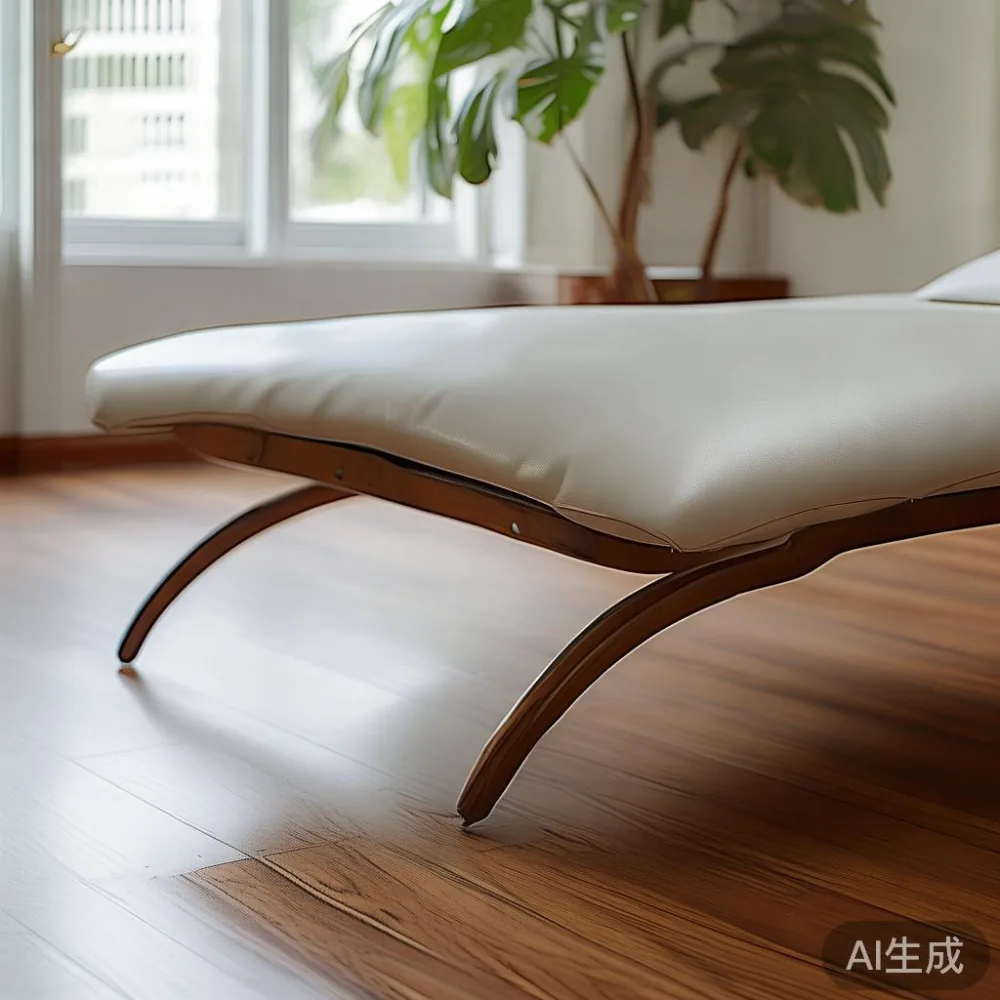
At MIDHILL, lacquered pieces are designed as part of a broader collection of solid wood furniture, including a solid wood sofa, bed frame, dining table, wardrobe, nightstand, and marble table. The chaise lounge remains the focus here. Its finish may be produced on engineered wood or another stable substrate, so the care method should match the exact product specification rather than assuming that every lacquer behaves identically.
Why Does Lacquer Need Special Care in Singapore?
Singapore’s climate keeps relative humidity high for much of the year. Outdoor readings commonly range from about 65% to 85%, while well-maintained interiors may sit near 50% to 65%. Lacquer can tolerate normal seasonal variation, but prolonged high humidity may soften the film, encourage mould around joints, and make a high-gloss surface look hazy. Warm, humid nights are particularly demanding because moisture can enter while the surface is still warm.
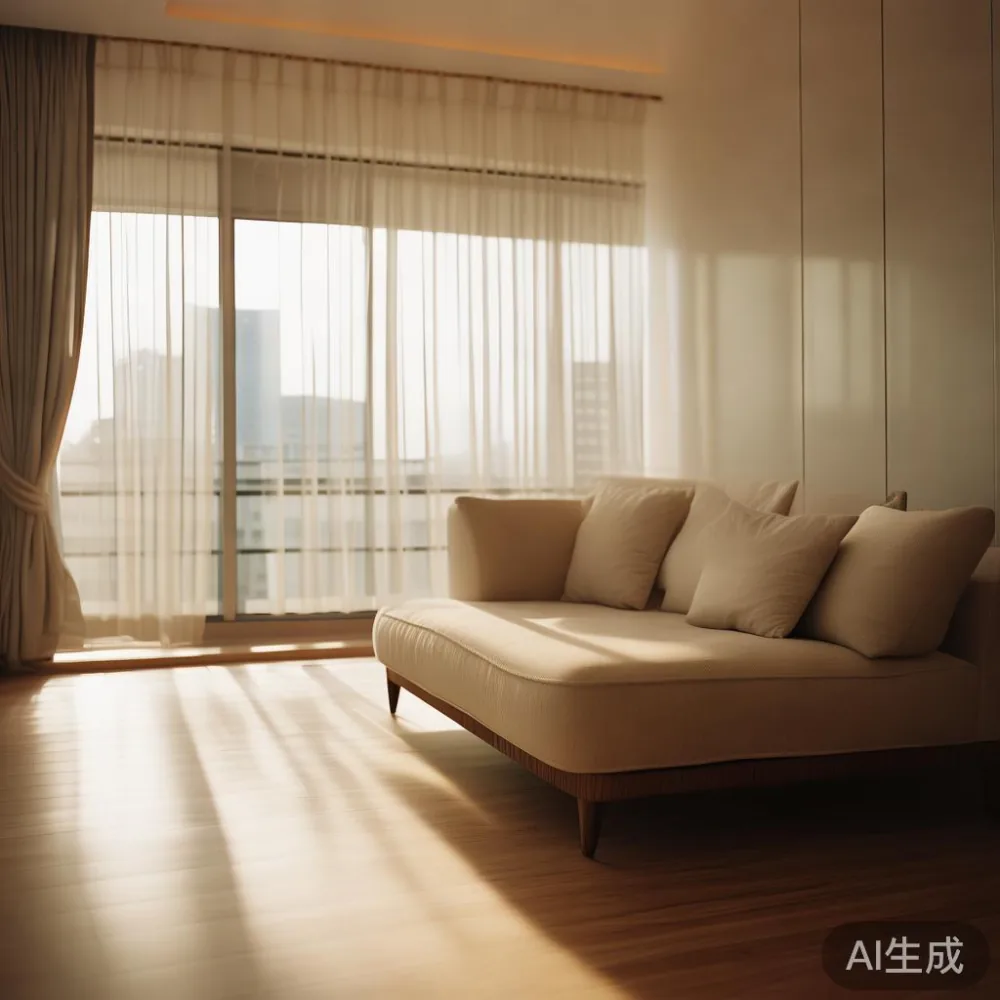
Air-conditioning helps, but moving directly from a cool flat to a humid balcony creates condensation. That repeated cycle can produce water marks along a chaise lounge’s curved arm or footrest. Direct sunlight adds another risk: ultraviolet exposure can fade the colour and weaken some pigments. In HDB flats and condos across Tampines, Bedok, and Punggol, windows may face either afternoon sun or less intense filtered light, so curtains and low-E glass offer useful protection.
Clean water is not always harmless. Tap water in Singapore contains minerals, and repeated wetting can leave pale spotting on a glossy film. Use a soft cloth lightly dampened with filtered or distilled water, then dry immediately with a clean microfibre cloth. Avoid spraying cleaner directly onto the chaise lounge, since liquid can travel into seams, cushion joints, and the frame.
How Often Should I Clean a Lacquered Chaise Lounge?
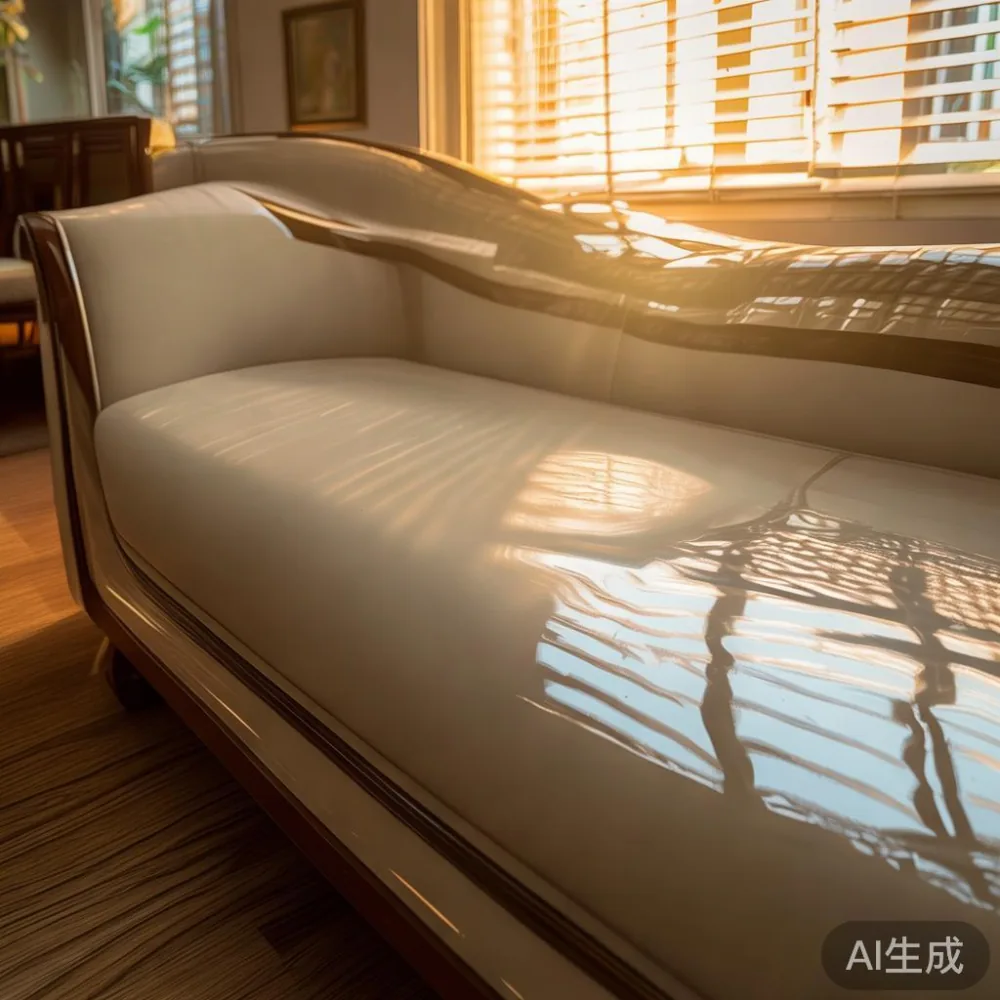
A reasonable schedule is weekly for general dust, every 2 to 4 weeks for fingerprints, and after any spill or rain exposure. Dust with a dry microfibre cloth folded into a small square about 20 cm by 20 cm. Follow the grain of the wood or the direction of the lacquer film, and use light pressure rather than scrubbing. A household cleaning cloth can contain detergent residue, so keep that product separate from the dusting cloth.
For marks, dilute a small amount of mild pH-neutral detergent in 500 ml of water. The mixture should feel almost clear, with no visible foam after mixing. Moisten a fresh microfibre cloth, remove excess liquid, and test an inconspicuous 5 cm by 5 cm area for 10 minutes. Wipe once, dry once, and inspect under daylight. If the finish becomes dull, hazy, or patchy, stop immediately because the cleaner or cloth may not be compatible with the lacquer.
Do not use vinegar, ammonia, bleach, alcohol, acetone, wax, furniture polish, silicone, or abrasive pads. Although these products may remove certain marks, they can permanently damage lacquer. Place a felt or cork coaster under every drink and use a tray larger than the base of a cup or bottle. A 10 cm coaster with a 1 cm rim can catch condensation that would otherwise reach the finish.
Monthly, inspect the chaise lounge from a low angle under a 400-lumen flashlight or lamp. Look for whitening, edge lifting, bubbling, dull patches, and tiny cracks around joints. A 2-minute check can identify a developing issue before it spreads across a 160 cm or 180 cm piece.
How Do I Control Humidity Without Damaging the Lacquer?
Keep the chaise lounge at least 30 cm from an exterior wall, 60 cm from an open balcony doorway, and 45 cm from a floor-level air-conditioning vent. These distances reduce condensation, moving air, and dirt. In a typical Singapore HDB living room with a 90 cm sofa and a 70 cm circulation route, placing the chaise lounge opposite the sofa can preserve a practical 60 cm passage. Avoid blocking the air-conditioner’s discharge because reduced airflow may create local humidity around the furniture.
Use a hygrometer to check the actual room reading rather than relying on a weather app. Aim for about 45% to 60% relative humidity where possible. Position the sensor 30 cm above the floor and away from vents, windows, and bathroom doors. If the room remains above 65% for hours, improve ventilation during drier periods, run the air-conditioner in normal cooling mode, or use a dehumidifier rated for the room area.
A 20 m² bedroom may need a dehumidifier with a rated water-removal capacity of around 12 to 20 litres per day, subject to the manufacturer’s test conditions. This figure does not mean it removes that amount every day in Singapore; actual extraction depends on temperature, humidity, insulation, and door opening. Empty the tank every 2 to 3 days and clean the filter every 2 weeks so the unit continues moving air effectively.
Do not use a domestic clothes rack, radiator, or heater directly beside the chaise lounge. Keep heating appliances at least 60 cm away. If a laundromat or bathroom is nearby, close the door and run ventilation because steam adds moisture faster than ordinary rain. During a sudden storm, move the piece away from an open door, but do not drag it across the floor; lift with 2 people if the chaise lounge weighs more than 25 kg.
Can Sunlight Fade or Warp a Lacquered Finish?
Yes. Direct sunlight can cause colour change, and heat can stress adhesives or distort lower-quality panels. In west-facing Tampines or Punggol units, a lounge chair positioned in a sunlit bay may receive several hours of strong afternoon light. Curtains with a visible transmission rating of 40% to 60% can reduce exposure while retaining daylight. Lined curtains offer stronger protection but need more care because they collect dust.
Rotate the chaise lounge only if the manufacturer allows it and if moving it will not strain connected components or scratch the floor. Otherwise, use a light-coloured throw, a UV-filtering screen, or a slim curtain to vary the coverage. Keep the piece at least 45 cm from the window when possible. A 2 cm gap behind the curtain allows air to circulate and reduces heat build-up.
Check the temperature near the finish with an infrared thermometer. If a spot reaches about 32°C while the room is around 27°C, that surface is warm enough to justify better shading. Lacquer is not as forgiving as plain timber because the film can blister or lose gloss when heated while under tension or moisture exposure.
What Should I Do If the Surface Has White Marks, Stains, or Bubbling?
White rings are often moisture marks, not permanent loss of lacquer. First, dry the area with a clean microfibre cloth for 30 seconds. Then place a cotton cloth over the mark and warm it gently with a hairdryer kept at least 30 cm away, using low heat for 15 seconds. Move the hairdryer continuously and stop if the surface becomes uncomfortable to touch. Let the area cool for 60 seconds and inspect the result. This method works on intact lacquer with minor surface haze; it should not be used on bubbling, lifting, cracked, or deeply stained areas.
For a small ink or dye stain, try a barely damp white microfibre cloth with one drop of mild dishwashing detergent. Test the 5 cm by 5 cm patch for 10 minutes, then wipe and dry. If the mark remains, stop. Repeated cleaning can turn a localized spot into a larger matte patch.
Bubbling or lifting needs professional assessment. Do not press the bubble, slide a sharp blade beneath it, or apply heat. Photograph the affected area with a ruler beside it, note the chaise lounge’s purchase date, and contact the supplier through its official channel. Keep the area dry and avoid using the seat until the finish has been inspected.
Care products also matter. A lacquer treatment marketed for “natural oil” may leave an oily film that attracts dust. A wax polish can conceal hairline marks temporarily but may make future cleaning more difficult. If the supplier has approved a product, use a small test patch for 7 days before treating the full chaise lounge.
How Do I Move a Chaise Lounge Through an HDB Flat or Condo?
Measure before delivery day. A standard HDB lift interior may be about 110 cm wide and 140 cm deep at the door, while the usable cabin dimensions can be smaller. Condo service lifts may offer wider openings, yet turntables and corridors can be limiting. Record the narrowest doorway, lift opening, cabin dimension, landing corner, and corridor width in centimetres. A piece 78 cm wide may turn more easily than one 86 cm wide even if both fit the lift opening.
Protect the lacquer with moving blankets and corner guards. Never tape directly to the finish. Use a furniture strap around the solid frame under the seat, not around the upholstered back, and keep straps at least 5 cm away from visible lacquer edges. A 2-person move is sensible for a chaise lounge between 30 kg and 50 kg; use 3 people or a professional mover above 50 kg. Remove detachable cushions and loose accessories first.
I tested a similar lacquered chaise lounge last month during a delivery check in a Punggol condo. The lift cabin measured 120 cm wide and 150 cm deep, but the corridor narrowed to 86 cm at a fire door. We wrapped the lacquered arm in a 3 mm blanket, removed the seat cushion, and tilted the frame through the doorway. The finish arrived without marks. The useful lesson was simple: measure the tightest turn, not only the lift.
Singapore deliveries commonly take 3 to 7 working days after stock confirmation, although access dates and freight schedules can extend the wait. Lift and corridor charges should be agreed before the appointment. Lift fees may range from SGD 25 to SGD 80 per move, while a difficult hoisting or carrying service can cost SGD 80 to SGD 180. Additional insurance, a specified delivery window, and a tail-lift vehicle should be confirmed in writing.
How Do I Keep the Chaise Lounge Looking Refined for 10 Years?
Set up a care station with a dry microfibre cloth, a separate lightly damp cloth, 500 ml of mild cleaner in a labelled spray bottle, cotton swabs, a soft brush, and a hygrometer. Keep the chemicals away from children and pets. Do not place the cleaning kit beneath the chaise lounge where it can tip over or leak.
Use the same disciplined approach you would apply to a Modern light luxury sofa. The visual language might reflect French light luxury, American light luxury, or post-modern light luxury, but a refined finish depends on restraint: pale colours, aligned panels, clear circulation, and protected surfaces. A room with a Modern light luxury coffee table and a carefully maintained chaise lounge feels lighter because the materials retain depth rather than accumulating a dull film.
Coordinate rather than overcrowd the surrounding pieces. A Modern light luxury coffee table benefits from being 40 cm from the chaise lounge, enough for a tray and walking space without constant contact. For dining spaces, labels such as Modern for dining room and Industrial for dining room describe styles, not care instructions; metal, marble, and lacquer still require different cleaning methods. Likewise, learning how to choose European bed involves checking joinery, dimensions, mattress support, and finish compatibility rather than choosing by style label alone.
For a coordinated home, inspect each finish separately. A solid wood sofa should be kept away from direct dampness, a solid wood bed frame should be checked at its joints, a dining table should use coasters and heat protection, a wardrobe should have its hinges and tracks inspected, and a nightstand should not be placed against a leaking exterior wall. A marble table can tolerate heat better than many timbers but still needs neutral, non-acidic cleaning and immediate removal of spills. Modern Italian light luxury furniture can include a range of veneers, lacquers, stone, and metals, so product-specific care remains more useful than a generic room-wide routine.
MIDHILL furniture built for a 10-year structural warranty still needs sensible surface care. The warranty covers eligible structural components under its terms; it should not be read as protection against heat damage, solvent stains, impact, or misuse. The lifetime refinishing service, where applicable, provides another route for restoring tired colour or wear after years of use.
When Should I Replace or Refinish the Chaise Lounge?
Replace or refinish the finish when lacquer has separated across a broad area, bubbles extend beyond one joint, or deep cracks expose the substrate. A scratch shorter than 2 cm that has not broken the film can sometimes be managed with an approved touch-up process. Larger marks, repeated sticky patches, or a finish that no longer wipes clean usually call for professional refinishing.
Singapore’s retail and service terms are worth checking before purchase. Prices shown in SGD should include GST for consumer purchases, while a quoted service may exclude building access, lift fees, or return transport. Free delivery over US$350 may apply to eligible international orders under the stated policy, but local Singapore delivery, lift use, and remote-area surcharges should still be confirmed. A 14-day return period allows time to inspect scale, finish, colour, and access arrangements, but returned furniture must be protected and handled responsibly.
For a long-term plan, photograph the chaise lounge every 6 months under the same lighting. Record its dimensions, lacquer type, warranty documents, and approved cleaner. Replace the microfibre cloths after every 4 uses or when they become oily, and clean them without fabric softener because residue can transfer to the surface. If the chaise lounge is used daily, inspect the arm, seat edge, and footrest every 2 weeks because those are the areas most likely to show wear.
A lacquered chaise lounge can remain graceful in a compact Singapore home when moisture is controlled, sunlight is filtered, and spills are handled quickly. The important habit is simple: use coasters, clean with minimal moisture, dry immediately, and investigate changes early. Those few minutes each week protect the sheen while allowing the piece to remain the visual anchor of the room.