Caring for Your Chaise Lounge in Singapore’s Climate
A lacquered chaise lounge can bring calm, light-luxury character to a Singapore home, but humidity, sunlight, salt-laden air and daily contact all affect the finish. In a compact HDB flat in Tampines, Bedok or Punggol, a chaise lounge may sit beside a living-room wall, face a window or occupy a narrow circulation route. The care routine matters more than the occasional deep clean.
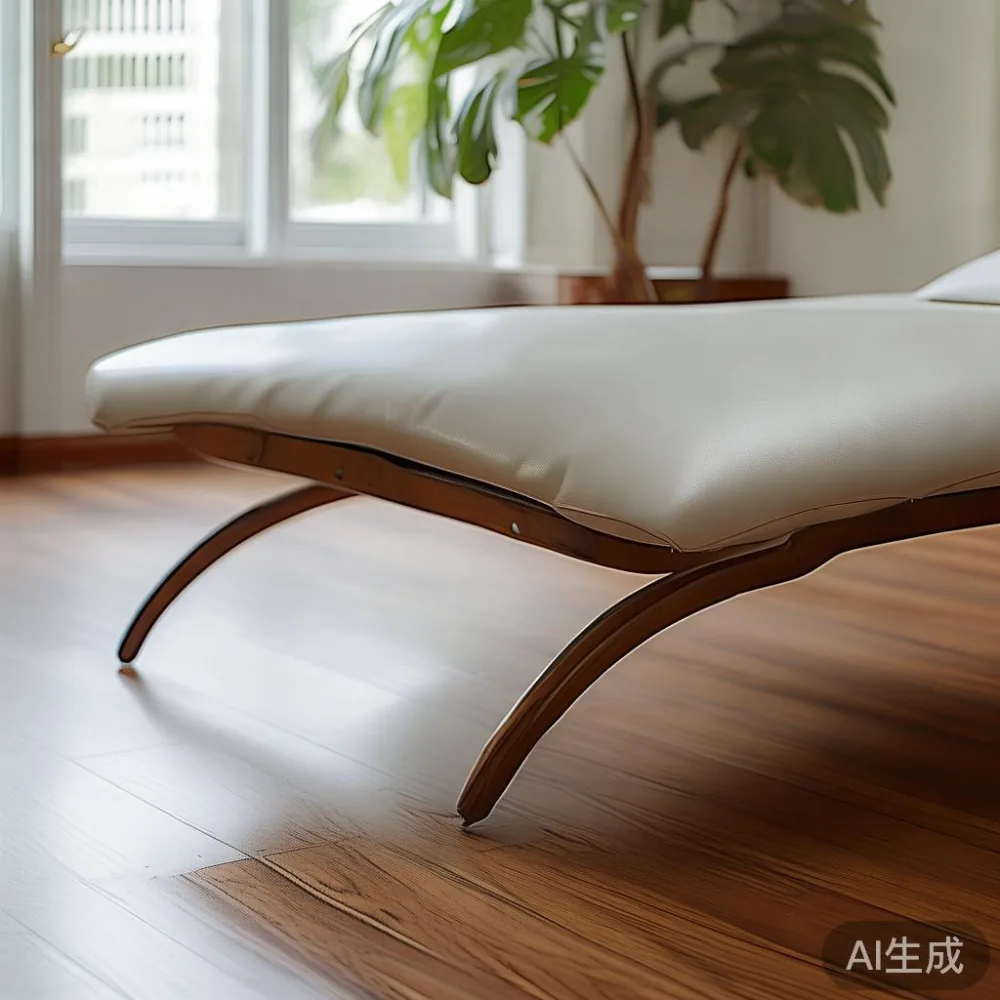
MIDHILL builds lacquered pieces on a solid wood foundation, including chaise lounges designed for relaxed sitting and coordinated bedrooms. For Singapore conditions, the practical approach is to control moisture, limit UV exposure and use mild cleaning. This guide explains how to inspect the surface, clean it safely, protect it from tropical humidity and decide when refinishing is appropriate.
How does tropical humidity affect lacquered wood?
Lacquer is less porous than untreated timber, yet it is not a moisture-proof membrane. Singapore’s relative humidity commonly ranges from about 60% to 85%, while coastal winds can introduce salt residue. High humidity may cause wood beneath the coating to swell slightly, and repeated swelling and drying can create fine cracks, lifting or a cloudy appearance.
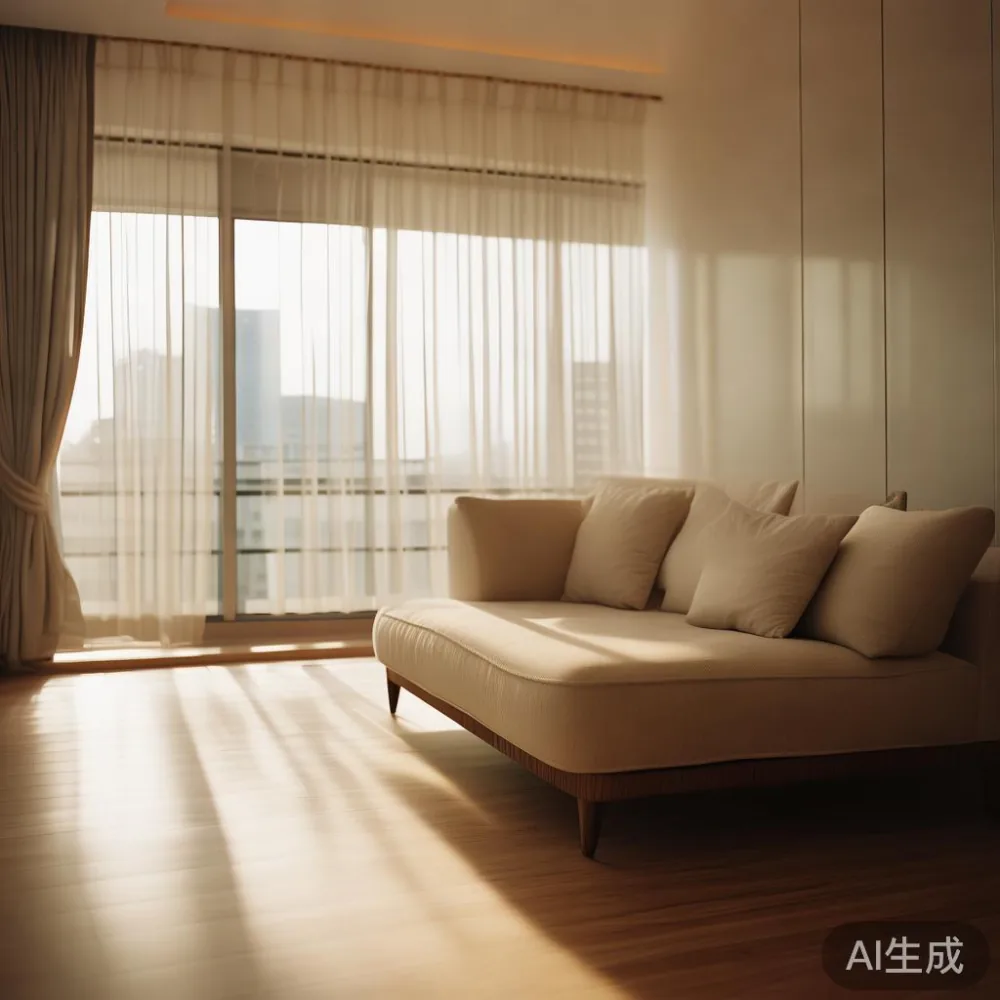
Keep the chaise lounge away from air-conditioning vents that blow directly across it. A recommended distance is at least 60 cm, with the cooler set around 24–26°C rather than 18°C. This reduces rapid moisture changes without forcing the room into an uncomfortable temperature. Leave at least 5 cm between the back of the chaise lounge and a wall so air can circulate.
Do not place the furniture against an exterior wall that remains damp or next to a bathroom doorway. In an HDB flat, avoid the route immediately beside a laundry balcony, where vapour and warm air collect. If the home has persistent condensation on nearby windows, consider a dehumidifier and aim for a room reading below approximately 65% RH when practical.
What supplies do you need for safe cleaning?
Prepare a soft cotton or microfibre cloth, a bowl, lukewarm water and a small amount of mild dish soap. Add about 1 teaspoon of detergent to 500 ml of water, stir gently and test the mixture on an inconspicuous section for 10 minutes. The cloth should be damp, not dripping. A second clean, dry cloth removes residue and prevents streaks.
For routine cleaning, dust the chaise lounge every 7 days. Wipe lacquered surfaces once every 1–2 weeks, or immediately after fingerprints, food spills and sunscreen transfer. Because household aerosols can leave an oily film, do not spray cleaner directly onto the furniture. Apply it to the cloth instead, keeping the surface evenly damp.
Use a separate, clean cloth for the seat and another for exposed frames or legs. Avoid abrasive pads, scouring powder, alcohol, ammonia, acetone, bleach and concentrated citrus cleaners. Lacquer can dull or discolour when exposed to solvents. Test every unfamiliar product on a hidden 5 cm area and allow 24 hours before judging the result.
Can you clean a lacquered chaise lounge with water?
Yes, provided the lacquer is intact and you use controlled moisture. A damp cloth is suitable for ordinary dust and light marks. Do not flood the joints, underside or upholstered cushion, as repeated water exposure can stain foam, loosen adhesives and affect the finish around fasteners.
For a more thorough clean, move the chaise lounge away from the wall if it is light enough to handle safely. Vacuum underneath with a brush attachment held about 2 cm above the surface. Then wipe the lacquer in sections of roughly 30–50 cm, changing the cloth when it becomes dirty. Dry each section immediately with a separate cloth.
Some lacquered furniture includes a clear protective layer over the colour; others use a pigmented lacquer. Both respond well to gentle care, but an unidentified household coating may react differently. If the finish feels waxy, sticky or unusually glossy, contact the supplier before using detergent. Check the care instructions supplied with the piece.
How should you protect the chaise lounge from sunlight and heat?
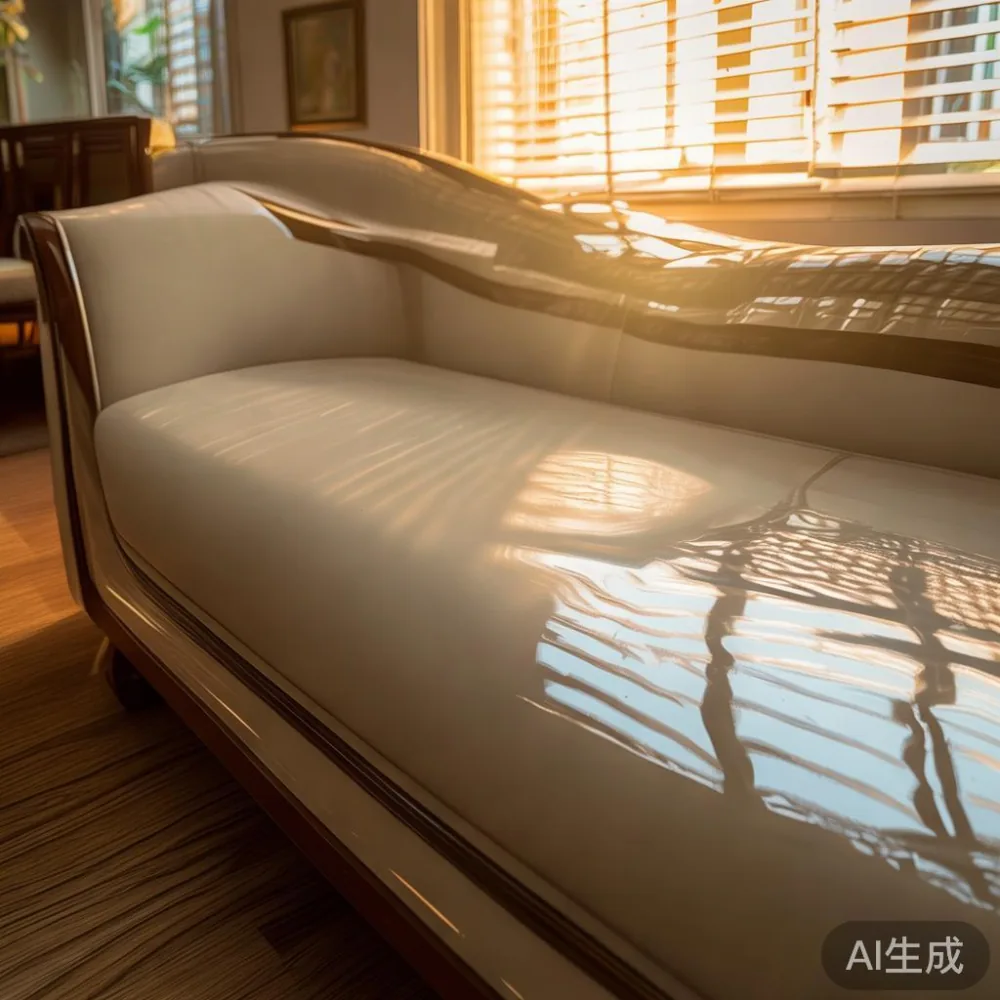
UV light fades pigments and can make a light-luxury finish look yellow or uneven. Singapore’s intense daylight makes window management important. Use sheer curtains or UV-filtering blinds to reduce direct exposure while retaining daylight. Where the chaise lounge faces east-facing windows in Bedok, blinds should be lowered before the strongest morning light arrives. West-facing windows in Tampines and Punggol require similar attention in the late afternoon.
Keep the chaise lounge at least 30 cm from a window, although 60–90 cm is better if space allows. Avoid radiators, cookers and hot lamps. Lacquer should not be exposed to heat above about 35°C for extended periods. Direct sunlight can raise the surface temperature quickly even when the room feels comfortable.
Furniture placement also depends on the home’s dimensions. A standard apartment lift opening may measure around 90 cm wide and 200 cm deep, while corridor clearances can be tighter. A chaise lounge that cannot be tilted or turned safely should be delivered assembled or professionally carried. Check the lift, turning radius and staircase landing before selecting a long model.
What should you do if the lacquer gets scratched?
Small marks can often be treated without repainting the whole piece. First, confirm that the mark is on the lacquer rather than a removable cushion fabric. Wipe it with a barely damp cloth and dry it immediately. If the mark remains, use a lacquer-safe polish recommended by the manufacturer, applied sparingly with a soft cloth in circular motions.
For a scratch around 1–2 cm, take a photograph under daylight and contact MIDHILL before trying colour restoration. Deep scratches, lifting edges and broad dull patches need professional assessment. Sanding or solvent-based repair can remove too much lacquer or create a visible colour difference, particularly on French light luxury or American light luxury pieces with a pale finish.
MIDHILL provides a 10-year structural warranty on qualifying products and lifetime refinishing, subject to the applicable terms. Structural coverage and surface wear are different issues, so retain your order records and avoid describing cosmetic marks as a warranty claim without documentation. Photograph any damage before cleaning and record the date.
Is a lacquered chaise lounge suitable for a Singapore bedroom?
It can be suitable when the finish is properly specified and the placement is sensible. A chaise lounge works well as a reading seat in a larger HDB master bedroom, but a standard bed occupies much of the floor area. Measure the room before buying: allow 60–75 cm beside a bed for circulation, and at least 75 cm in front of a chaise lounge used as a footrest.
French light luxury styling suits curved profiles, soft colours and restrained brass details. For a room with a solid wood sofa, a matching lacquered chaise lounge can create continuity without overcrowding the space. When searching for how to style European sofa in bedroom, use one material language and limit the palette to 2–3 colours. This approach also answers how to style French provincial sofa in bedroom by combining a pale, shaped base with simple textiles rather than filling every surface with ornament.
Coordinate carefully with other furniture. A lacquered chaise lounge can work beside a solid wood bed frame, while a marble table introduces cool stone texture that should be balanced with warm timber. Keep the marble table at least 30 cm away from the chaise lounge if condensation is likely. For a smaller room, choose a slim nightstand with a closed drawer so that the area remains uncluttered.
How often should lacquer be maintained?
Create a simple care calendar rather than cleaning on an irregular schedule. Check for dust every 7 days, wipe high-touch areas every 14 days, and inspect the finish monthly for scratches, lifting or changes in sheen. During humid weeks, check windows and exterior walls for condensation. If the room is unoccupied for 14 days, open the curtains and run the air conditioner briefly before returning.
Do not leave books, clothing, shopping bags or damp towels on the lacquer for long periods. Objects can trap moisture or leave colour-transfer marks. Coasters and felt pads help with cups and hot objects, but the felt should not be left in a spill. Never use a lacquered chaise lounge as a wet-airing rack.
For coordinated interiors, think about material quality as well as appearance. The question of is light luxury wardrobe worth it depends on construction, finish durability and the space available. In a compact condo bedroom, a fitted wardrobe with closed storage can keep floor area open and support a refined chaise lounge arrangement.
What should you do before ordering custom furniture?
Measure the intended position, delivery route and storage requirements before placing an order. Note the room width, corridor turns, lift dimensions and the distance from the sofa or bed. If the piece has long legs, ask whether it can be partially disassembled. Confirm that packaging will fit through the receiving door, which may be only 80–90 cm wide in some older HDB flats.
Ask the supplier for the lacquer type, expected colour variation, care instructions and coating options suited to tropical conditions. Request samples if the finish is important. A sample viewed under daylight may look different from a photograph taken under showroom lighting. For a large bedroom, modern light luxury for dining room concepts can inspire a restrained palette, but the chaise lounge should still fit the room rather than follow a style formula.
Budget for the total purchase, not just the catalogue price. Depending on size, material and finish, a made-to-order chaise lounge may cost from approximately SGD 1,800 to SGD 4,500. GST is applicable to local purchases. Delivery may take 4–8 weeks after production, plus 1–3 days for scheduling within Singapore. MIDHILL offers free shipping on orders over US$350, and returns are accepted within 14 days under the stated policy.
These details matter because damage during a constrained delivery route can be difficult to assess. Photograph the lacquer at handover and check it in the room’s normal daylight.
Can lacquer be restored instead of replaced?
Often, yes. Minor surface marks may respond to careful polishing, while more serious wear can be handled through refinishing. Because colour matching affects the result, an experienced repairer should determine whether a local touch-up, a new clear coat or full refinishing is appropriate. Wait at least 2–4 weeks before repairing a fresh scratch, since some marks become less visible after dust and residue have been removed.
A restored surface should not be expected to be completely invisible if the original lacquer has faded unevenly. Ask for a test area and compare it in natural light before approving the work. Maintain the restored chaise lounge with the same 14-day cleaning rhythm and monthly inspections.
For a broader bedroom scheme, compare silhouettes rather than relying only on finish names. A French bed vs Nordic bed comparison may favour French curves for a light-luxury room, while Nordic lines can make a smaller bedroom feel more open. Either direction can suit a chaise lounge if the proportions remain balanced.
What practical routine keeps lacquer looking refined?
Use this routine: measure the room, position the chaise lounge away from damp walls and direct sun, dust every 7 days, clean with mild soapy water every 14 days, dry immediately and inspect monthly. Keep liquids off the surface, use a coaster under drinks and avoid harsh chemicals. In high humidity, maintain reasonable airflow and check for condensation rather than repeatedly wiping the furniture.
These habits protect more than appearance. They help preserve the lacquer, reduce repair frequency and support the longevity of related pieces such as a dining table, wardrobe, nightstand and marble table. Proper care also allows the chaise lounge to retain the relaxed elegance expected from post-modern light luxury design: clean lines, tactile finishes and useful proportions.
Last month, I visited a colleague’s three-bedroom HDB flat in Punggol and inspected a lacquered chaise lounge positioned near a west-facing window. The finish showed dull patches along the front edge, where afternoon sun reached it for around 90 minutes each day. After we moved the piece 35 cm inward, fitted a sheer blind, dusted it and wiped it with diluted mild detergent, the surface looked more even within 20 minutes. The improvement showed how placement and simple maintenance can work together without aggressive restoration.
For consumers comparing bedroom furniture, the phrase best Modern bed for 2026 is only useful when accompanied by measurements, material details and room-fit guidance. A well-proportioned frame, a correctly sized mattress and durable timber construction should carry more weight than a trend label. The same principle applies to a chaise lounge: choose a suitable size, know the finish and establish a realistic care routine for Singapore’s climate.