How to Care for a Lacquered Chaise Lounge in Singapore’s Humid Climate
A lacquered chaise lounge can make a compact Singapore home feel composed rather than crowded, especially when its curved profile and reflective finish are balanced by solid wood furniture nearby. That said, the same high humidity, sudden rain, salt-laden air, and constant airflow from air-conditioned HDB flats and private condos can affect lacquer faster than many owners expect. Proper care is less about constant polishing and more about controlling moisture, heat, abrasion, and the small habits that prevent scratches.
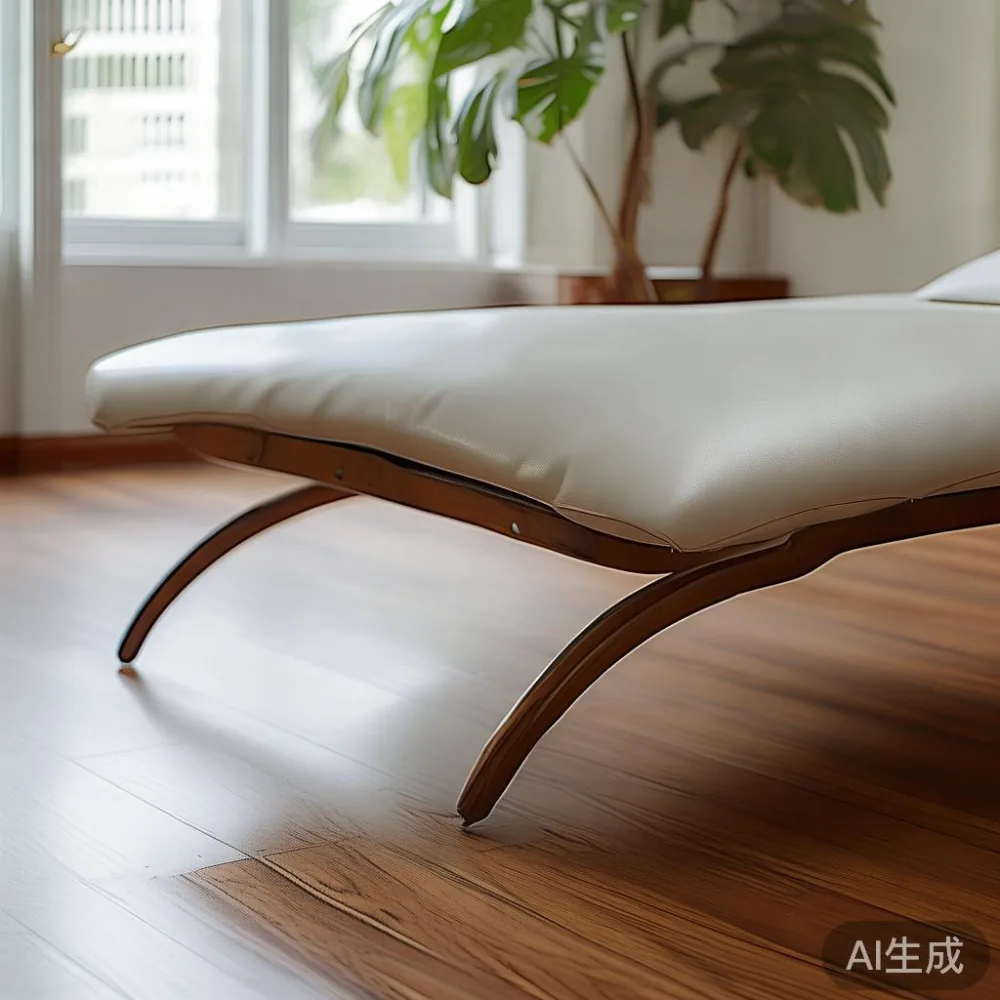
At MIDHILL, the emphasis is on useful longevity: solid wood construction, a 10-year structural warranty, and lifetime refinishing support. A lacquered chaise lounge still needs attentive care, but sensible routines can preserve its colour and sheen for years. This guide covers the practical details Singaporean households should know, from a 30-minute weekly wipe-down to how delivery crews should work through a typical lift and corridor.
Why does lacquer need extra care in Singapore?
Singapore’s climate averages about 25–33°C through much of the year, with relative humidity commonly ranging from roughly 70% to 90%. Those figures matter because wood expands as it absorbs moisture and contracts as it dries. Lacquer is more stable than bare wood, yet repeated moisture cycles can still create pressure around joints, edges, and unsupported areas. A chaise lounge with long spans is particularly worth checking because its frame and rails may flex slightly under a person’s weight.
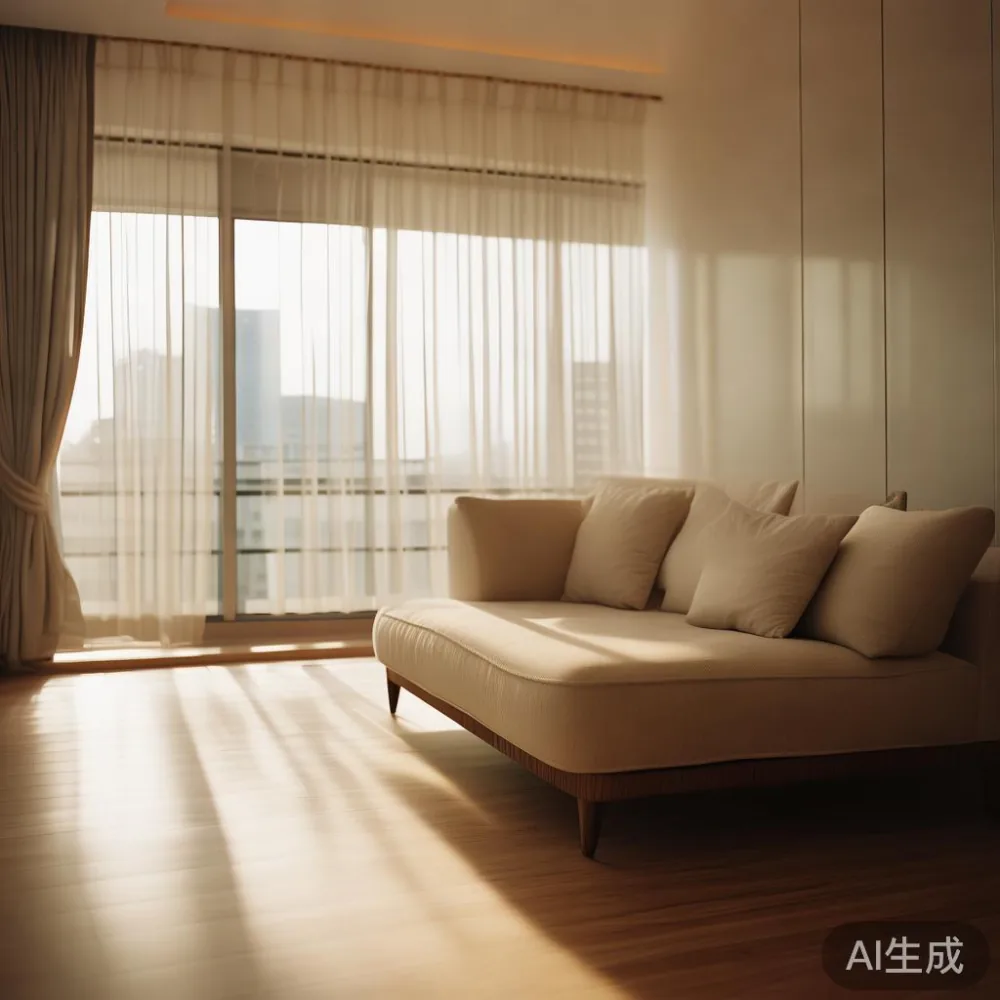
Air-conditioning helps slow indoor humidity, but it can make another problem: dry, fast-moving air that encourages dust to cling to polished surfaces. Direct afternoon sun is another concern. UV exposure can fade dark finishes and make a warm timber appear uneven, particularly if a chaise sits beside a west-facing window in Tampines or a glass-walled condo in Bedok.
Spilled water also matters more than a few drops of humidity. A drinking glass with 200 ml of condensation, a damp towel, or condensation from an iced drink can leave a dull ring if it is left to sit. The finish may also pick up grit from an open balcony corridor, where wind carries fine particles across the floor.
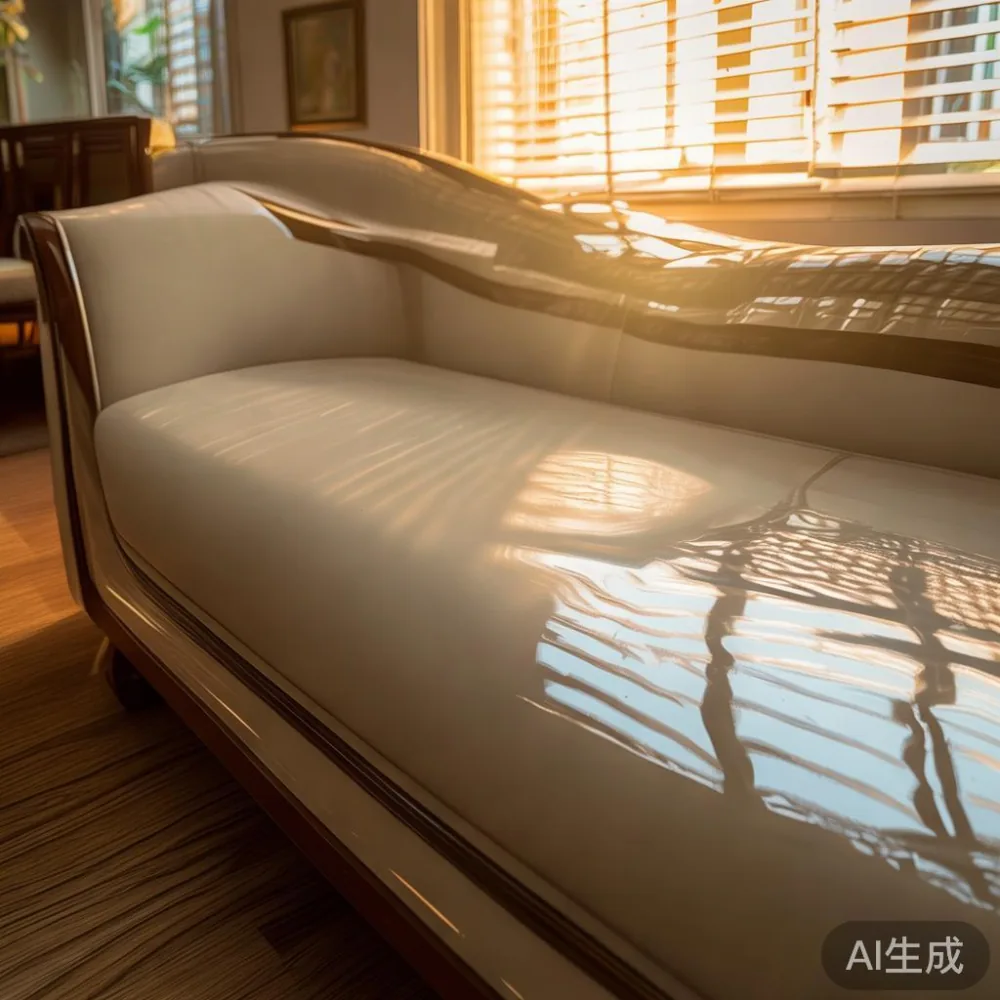
Lacquer finishes differ, so confirm the care instructions before using any product. Some pieces use a water-based lacquer, while others use oil-modified or solvent-based coatings. An incompatible cleaner can soften the finish or leave a cloudy residue, and a household glass cleaner should not be assumed suitable for furniture.
What should I use to clean a lacquered chaise lounge?
Start with a soft, lint-free microfibre cloth, a clean cotton cloth, and lukewarm water. For routine cleaning, lightly dampen the cloth with no more than about 100 ml of water, wring it out, and wipe in the direction of the grain. The cloth should feel damp rather than wet. Dry immediately with a second clean cloth.
For marks, use a tiny amount of mild pH-neutral dish soap: approximately 1 ml mixed into 500 ml of lukewarm water. Apply it to the cloth rather than directly to the lacquer, then remove any residue with a separate damp cloth. Avoid alkaline cleaners, bleach, ammonia, alcohol, acetone, nail-polish remover, wax, and furniture oils unless the manufacturer specifically approves them.
Never scrub aggressively. A dirty cloth can drag grit across the surface, and a stiff pad can leave fine scratches that catch light. Test an inconspicuous area near the rear leg or beneath the seat for at least 24 hours if the finish type is uncertain.
A soft-bristled brush with 2 cm bristles can remove dust from narrow seams, but it should be used gently. Keep liquids away from the underside, frame joints, and any upholstered section. If the chaise has a seat cushion, vacuum it at low suction with a brush attachment and inspect the gaps weekly, especially in a Punggol home where construction dust is common.
Polishing is optional. A lacquer-specific cleaner can restore a minor dull appearance, but applying too much creates an oily film that attracts dust. Use no more than 5 ml per cloth, test it first, and buff with a clean cloth for 2–3 minutes. If a mark remains, resist the temptation to use a scouring pad; a refinishing consultation is usually safer.
How often should I maintain a lacquered chaise lounge?
A light weekly routine is usually enough for a lacquered chaise lounge used most days. Dust it with a dry microfibre cloth every 7 days, clean any damp marks immediately, and check beneath the seat and around the joints once a month. Wipe the top surface every 2–4 weeks with a barely damp cloth, adjusting the frequency for cooking, balcony proximity, or heavy use.
Seasonal checks are useful in Singapore even though the temperature range is modest. During the wetter months, watch for standing water near the legs and use a dehumidifier to keep indoor relative humidity near 50–65% where possible. During drier periods, check that air vents are not aimed directly at the piece. A hygrometer costing around SGD 20–40 gives a clearer reading than guessing from condensation on windows.
Use coasters and trays rather than decorative mats that can trap moisture. A 10 cm coaster should sit under a glass, while a 35 × 45 cm tray can gather books and cups before they reach the lacquer. Keep hot pans at least 30 cm away and avoid placing the chaise directly against an exterior wall where condensation may form.
Pay attention to movement. Lift rather than drag the chaise when repositioning it, and use felt pads under the legs. For a model weighing 45–70 kg, arrange 2 people or 3 people depending on the stated weight. A small 5 mm rise beneath each leg helps airflow and cleaning, but check that it does not make the piece unstable on carpet.
Can humidity cause lacquer to peel or bubble?
Peeling or bubbling can occur when moisture reaches an already weakened coating, when a finish is exposed to persistent dampness, or when incompatible chemicals attack the surface. It is less likely with a sound lacquer applied to properly prepared timber, but edges and joints remain sensible inspection points. Look for a 2–5 mm lifting, a fine crack, or a soft-looking area that does not recover after wiping.
If the lacquer is intact but the timber below has swollen, keep the area dry and avoid adding moisture. If there is a lifted edge, do not press it down with a finger or heat it with a hair dryer. Photograph the affected area in daylight, note its approximate size in centimetres, and contact the supplier or a qualified furniture finisher.
MIDHILL offers lifetime refinishing, which can be valuable when a lacquered surface ages through normal household use. The service terms should be confirmed for the individual piece, including transport and coating details. Local repair visits may be quoted separately, and an in-home assessment can help distinguish surface lacquer damage from a structural issue.
For solid wood sofa, bed frame, dining table, wardrobe, and nightstand pieces in the same room, apply the same moisture discipline. Wipe water promptly, maintain 5–10 cm of wall clearance where practical, and check drawer runners and door edges for tightness every 6 months. This is especially relevant in tightly planned HDB interiors, where furniture is often placed close to balcony doors and corridor-facing walls.
How should I prepare for delivery to an HDB flat or condo?
Measure before the chaise lounge arrives. Record the packaged width and depth rather than relying on the assembled dimensions, and compare them with the lift door, lift interior, turning space, and corridor width. Many older HDB lift openings are about 80–90 cm wide, with lift cars around 110 cm deep and 135–140 cm wide, although block and refurbishment details vary. Newer private-condo service lifts may be larger, but loading bays and basement turns can still be restrictive.
Measure the narrowest point along the entire route, including door thresholds and the shortest corridor turn. Add a working allowance of 5 cm per tight turn. If the packaged chaise cannot pass upright, check whether it can be tilted without exceeding the lift’s safe loading arrangement. The supplier should provide clear packed dimensions and weight, usually in the range of 45–75 kg for a substantial solid wood chaise.
Protect the route with 2–3 mm floor protection and reserve a 120 × 90 cm landing area if space allows. Corner guards on skirting boards cost about SGD 3–8 each, while a purpose-made furniture dolly can cost SGD 25–60. Do not use a wheeled dolly on the chaise itself unless the manufacturer permits it.
For lift bookings, provide the block, floor, and access contact at least 3–7 days before delivery. Condo management may require a service-lift booking, loading-hour form, insurance certificate, or mover registration. Confirm whether the delivery includes unpacking, assembly, placement, and packaging removal. At MIDHILL, delivery and returns policies should be checked at purchase because routes, access charges, and timing can differ by order.
What does Singapore GST mean for the delivered price?
Consumer prices in Singapore normally include GST when sold to the public, so a quoted amount should be checked for tax treatment before comparison. If a product is displayed without GST, 9% is added at checkout. For example, a subtotal of SGD 1,500 becomes SGD 1,635 after GST. If GST has already been included, no further 9% should be added.
For a chaise lounge priced around SGD 1,200–2,500, delivery to the doorstep, lift handling, and placement may be included or charged as a separate service depending on access. A standard HDB delivery in 5–10 working days is common for stocked or configured pieces, while made-to-order items may take 8–12 weeks. A surcharge may apply for carrying beyond the lift, stairs, or restricted loading times.
Compare the total payable amount rather than the sticker price alone. A quoted SGD 1,480 including GST is less likely to produce a surprise than SGD 1,350 before GST plus SGD 45 for a second-person carry. Ask for the break-up of product, GST, delivery, lift booking, and installation charges in writing.
Returns are easier to plan when the reason is documented. Photograph the lacquer before delivery, retain the packaging for 14 days, and record any existing marks. For damage, capture at least 3 views, the package label, and the access route. For a finish concern, note how long the piece has been in the room, the indoor humidity reading, and the cleaning product used.
Can a lacquered chaise lounge fit a compact Singapore room?
Yes, with careful scale and placement. A chaise lounge measures around 150–180 cm long and 65–85 cm wide, so it occupies more visual floor area than a conventional armchair. In a compact living room, position it parallel to a window or sofa rather than across the main circulation path. Leave at least 60 cm for a side table and 75–90 cm for a normal walking route, reducing the latter only where the route is not primary.
Post-modern for small living room planning favours clean lines, restrained storage, and fewer competing forms. A light lacquered chaise can work beside a solid wood sofa if the tones remain close, while a darker frame anchors the composition. For a dining area, a round dining table with a 105–120 cm diameter gives 60 cm of movement around each place setting, although a 150–180 cm rectangular dining table may suit a straight HDB wall better.
The phrase cheap light luxury furniture often describes affordability through proportion and finish quality, not flimsy construction. A properly made piece with solid timber rails, sound joinery, and durable lacquer can suit French light luxury styling without filling the room with ornament. American light luxury tends toward comfortable upholstery and broad silhouettes, so a chaise with a substantial seat can bridge both approaches while keeping tropical practicality.
For storage, a light luxury coffee table should not compete with the chaise for attention. Choose one with a calm surface, stable proportions, and enough space for a 30 cm tray. If the room includes a wardrobe, the question of how to style French provincial wardrobe in room layouts becomes about visual continuity: cream tones, pale timber, and curved details can connect with a French-inspired chaise, provided the room is not overloaded with matching motifs.
Those planning a bedroom can compare European bed vs Nordic bed proportions before ordering. A European bed may suit a formal, panelled look; a Nordic bed generally uses lighter lines and visually reduces bulk. A low nightstand with a 40–50 cm top and 2–3 cm clearance around the wall can maintain the lighter effect. This comparison also prevents a bed frame from making the adjoining lounge feel artificially large.
What should I ask the supplier before choosing a finish?
Ask whether the lacquer is water-based, oil-modified, solvent-based, or factory finished, and request the recommended cleaner. Confirm whether the coating covers all faces, including the underside, rear panels, and edges around the joints. A complete, even finish offers a better barrier against moisture than a partial coating.
Ask for the exact dimensions of the chaise lounge in assembled and packaged form, its weight, the warranty period, and what the refinishing service includes. A 10-year structural warranty should be understood as coverage for qualifying structural defects rather than accidental surface damage. Confirm whether lacquer colour variation is expected and whether free shipping over US$350 applies to the destination and checkout currency, because Singapore delivery terms should be verified directly rather than inferred from an overseas threshold.
For a coordinated interior, request finish samples where possible and compare them in morning, afternoon, and evening light. Modern French provincial furniture can include curved edges and gentle ornament, but the chaise remains the main focus. A marble table introduces a cool counterpoint, yet its maintenance should be understood separately: use a neutral pH stone cleaner, wipe acidic liquids promptly, and keep citrus juice away from both marble and lacquered edges.
One practical test from my own experience came last month when I visited a colleague’s Bedok condo with a lacquered chaise lounge. A chilled glass had left a 6 cm ring after 20 minutes. We used a barely damp microfibre cloth and dried the area immediately; the mark disappeared without polish. Later, the colleague explained that she had been using an oily “wood conditioner” every week. The build-up made the surface look streaky, but it came away with 2 mild-soap passes followed by careful drying. That visit confirmed that less product and more immediate attention worked better than repeated heavy treatment.
For long-term care, follow 3 principles: keep liquids off the surface, keep moisture stable, and respond to damage early. A 2-minute wipe after a drink can prevent hours of work; a coaster can prevent a ring; and a monthly joint check can reveal a loose fitting before it becomes a structural concern. Used consistently, a lacquered chaise lounge can retain its crisp character in Tampines, Bedok, and Punggol homes while fitting the restrained, light-luxury language many Singapore interiors now prefer.