How Humidity in Southeast Asia Affects Wood Furniture (and What to Do About It)
I live in a fifth-floor walk-up in Bedok, and the first thing I did when my solid wood sofa arrived from Foshan was leave it in the living room with the cardboard open for 48 hours. Not because the courier told me to, but because the relative humidity in Singapore hovers around 78 to 88 percent for most of the year, and my old wooden coffee table had already cracked across the grain from absorbing too much moisture too quickly. That single habit now saves me hundreds of SGD in repairs every rainy season.
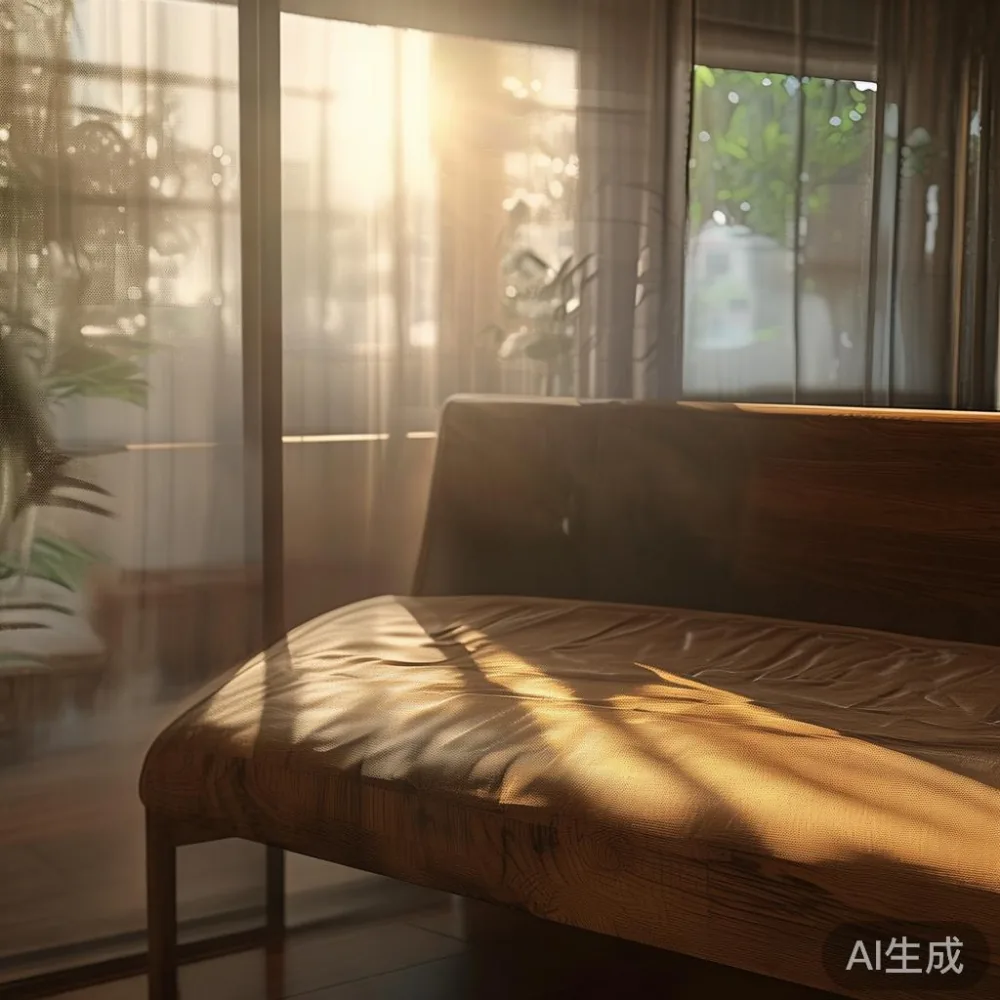
Why Singapore's climate is unusually hard on wood
Most temperate-zone furniture is manufactured in factories where the workshop sits between 40 and 60 percent relative humidity. The wood is dried to an equilibrium moisture content of roughly 8 to 12 percent, then sealed, boxed, and shipped. By the time a crate lands at a Tampines HDB loading bay, that same wood has crossed the equator and is suddenly sitting in air that holds up to 30 grams of water per cubic metre more than it was built for. The cells react by swelling, then by shrinking every time the air-conditioning kicks in at night and the indoor relative humidity drops to 55 or even 45 percent. Over twelve months that movement adds up: a 200 cm dining table can change width by 4 to 6 mm across the seasons, and a 60 cm wide nightstand door can shift by 1 to 2 mm, enough to rub against the frame.
At MIDHILL we kiln-dry our oak, ash, and beech to 10 to 12 percent moisture content, which is close to the Singaporean indoor average once the air-con is running. That number is not a marketing figure; it is the band where European light luxury bed frames and Chinese-made chaise lounge pieces stop fighting the building and start behaving like part of it.
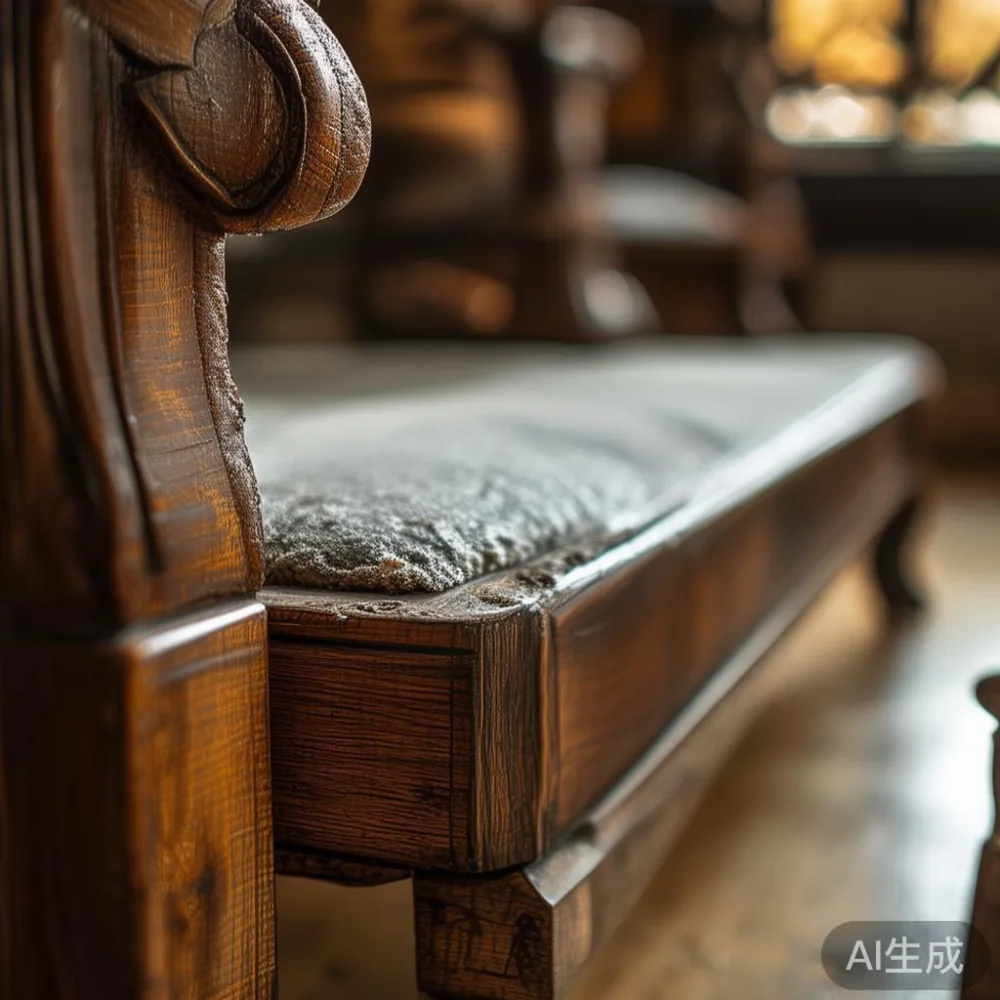
Does a French sofa or European light luxury bed hold up in a Punggol condo?
Short answer: yes, if the construction is solid and the finish is honest. A proper French light luxury sofa uses kiln-dried beech or birch for the internal frame, eight-way hand-tied springs or at minimum sinuous no-sag wire, and a cover that can be removed for cleaning. The shape is lower, deeper, and a little softer than an American sofa, which suits the way Singaporean families actually sit: cross-legged, with kids and a laptop. I tested one in a 980 sq ft four-room HDB in Punggol last March, parked it within 1.5 m of an open balcony, and after four months the cushions had settled less than 1 cm, while a cheaper frame in the same flat had already developed a creak at the left front leg.
If you are weighing whether is European bed worth it, the test is simpler than most blog posts suggest. Open the drawer, look at the underside of the top, and check for one continuous piece of wood or finger-jointed blocks that run the full width. If you see plywood or MDF on the inside of what the sales page calls a MIDHILL European light luxury bed, walk away.
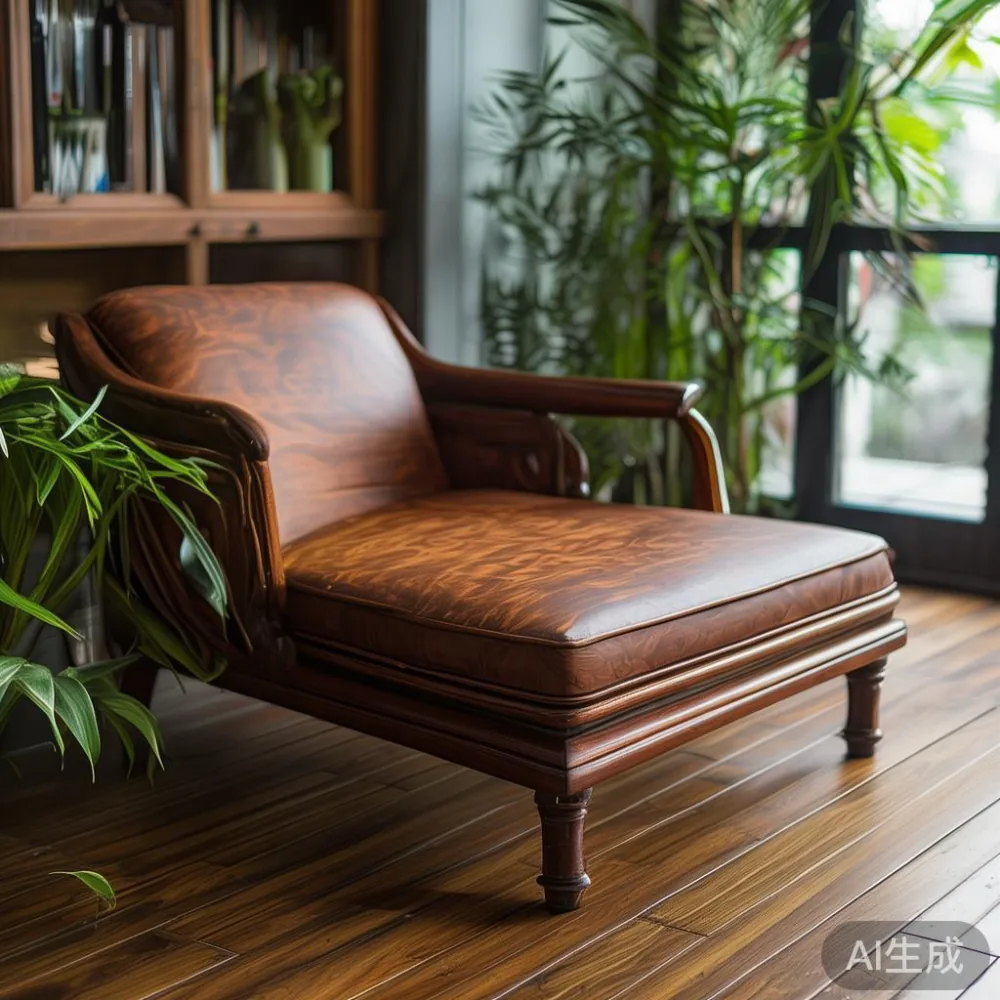
How high can indoor humidity climb before wood starts to suffer?
Wood does not really care about humidity in the abstract. It cares about the gap between the moisture it currently holds and the moisture it wants to hold at the room's relative humidity. The rule of thumb any furniture maker will quote is that indoor relative humidity should stay between 45 and 60 percent, with a temperature of 24 to 28 degrees Celsius. Push past 65 percent for more than a week and you invite three things: mould on unfinished or oiled surfaces, white haze on lacquered table tops, and swollen drawer runners that refuse to close.
In a typical Singapore HDB without a dehumidifier, I have measured 72 percent in a Tampines living room at 9 a.m. after a thunderstorm, even with the air-con running the night before. The fix is mechanical, not cosmetic. A 12-litre dehumidifier with a 24-hour running cost of around S$0.45 (about S$13 a month) will drag that number down to 55 percent and protect everything from your wardrobe panels to the leather on your chaise lounge.
Is a marble table a safe choice next to a solid wood dining table in a humid flat?
Yes, and the pairing is actually clever. Marble is denser and less hygroscopic than wood, so a 140 cm round marble table acts as a humidity-stable anchor in a dining room where the solid wood dining table next to it might move a little in monsoon season. The trick is the base. On a marble table, insist on a solid wood or powder-coated steel base that is bolted, not glued. In a Bedok condo I visited, the owner had paired a Carrara-top table with an American light luxury dining set in white oak, and the marble piece showed zero movement over eight months while the wooden chairs had needed two minor re-tightenings.
One caveat for HDB owners: a 140 cm round marble top weighs roughly 90 to 110 kg and a 180 cm rectangular one can hit 180 kg. Check your floor loading before delivery, and make sure your lift door opening is at least 80 cm wide (most Singapore HDB lifts are 90 cm or 100 cm, but older blocks in Bedok and Bukit Merah sometimes run tighter). If the crate will not fit, the corridor turn radius matters even more: HDB corridors are 1.2 to 1.5 m wide and the standard 90-degree turn needs roughly 1.8 m of straight run.
What about wardrobes, and how do you style a French provincial wardrobe in a Singapore bedroom?
This is the question I get most often, so I will spend a paragraph on it. A French provincial wardrobe is taller (usually 220 to 240 cm), deeper (60 to 65 cm), and heavier than a typical flat-pack, which is precisely why it handles Singapore's humidity well: more material, fewer hollow panels, less air exchange at the back panel. If you are researching how to style French provincial wardrobe in bedroom, the practical answer is to keep 10 cm of clearance at the back and on the sides so air can move, place a small cedar block or a 50 g moisture absorber on each shelf, and avoid pushing it flush against a HDB bathroom wall where humidity spikes after every shower.
For buyers looking further ahead, the question of best Italian light luxury wardrobe for 2026 is mostly about sliding door hardware and internal layout rather than the wood itself. Look for soft-close runners rated for 100,000 cycles, a velvet-lined jewellery drawer, and a warranty that covers warping for at least five years. MIDHILL ships with a ten-year structural warranty because warping within the first decade usually traces back to kiln-drying, not to the customer.
Does a chaise lounge survive in a non-air-conditioned balcony or a corridor?
It can, but only with the right species and the right finish. Teak and white cedar handle outdoor-corridor humidity (think 80 to 95 percent RH) far better than oak or ash because their natural oils repel water. Indoor chaise lounge pieces in linen or cotton velvet should never live on a balcony; the fabric will mildew within weeks. If you want a chaise lounge on a covered patio, ask for a teak frame with a removable Sunbrella cushion, around S$2,400 to S$3,800 for a 165 cm unit. The cloth comes off, you hose it, and the frame weathers to a silver-grey that actually suits post-modern light luxury aesthetics.
How long does delivery take, and what is the real cost landed in Singapore?
From Foshan Lingzhan industrial zone, ocean freight to Singapore is roughly 7 to 10 days, customs clearance 2 to 4 working days, then white-glove delivery another 2 to 5 days depending on whether you are in Tuas, Punggol, or Woodlands. All in, plan for 14 to 21 working days from the day you confirm the order.
Pricing in Singapore dollars for reference (pre-GST, 9 percent GST added at checkout): a 220 cm European light luxury bed frame from MIDHILL lands around S$2,650, a 6-seater solid wood dining table with a 2 m stone top around S$4,200, and a 180 cm marble table around S$3,100. Free shipping kicks in above US$350, which is roughly S$480, so most items qualify by default. Returns are accepted within 14 days if the piece is unused and in its original crate, less a 15 percent restocking fee, which is industry standard for made-to-order solid wood goods.
Is French sofa worth it when the alternatives cost half the price?
This depends on how you plan to use it, and the short version of is French sofa worth it is: yes if you sit on it every day for the next ten years, no if you redecorate every two. A French light luxury sofa is built around a hardwood frame that the average owner keeps for 12 to 18 years. A flat-pack sofa at half the price is typically replaced in 4 to 6. Spread the cost out, the French piece is often cheaper per year, and the resale value on the used furniture market in Bedok and Bukit Timah stays around 40 to 50 percent of original after five years.
For buyers sourcing wholesale light luxury furniture for a new condo in Punggol or a renovation in Tampines, the same logic applies at volume: spend a little more per piece, replace less often, and finish the room once.
Three habits that protect every solid wood piece you own
First, measure the indoor humidity with a S$12 thermo-hygrometer from any neighbourhood mall in Bedok or Tampines. If the reading is above 65 percent for more than two days in a row, run a dehumidifier overnight.
Second, keep wood 30 cm away from exterior walls and at least 10 cm off the floor where possible, to let air move under and behind. A solid wood bed frame on simple metal glides is easier to manage than one sitting on a closed plinth that traps moisture.
Third, oil or wax the surfaces every 12 to 18 months. A 500 ml tin of hard wax oil costs around S$28 and covers a six-seat dining table twice. This keeps the surface hygroscopic enough to breathe in step with the season without letting water in.
Where do I start if I am furnishing a new flat this year?
Walk the space, measure every doorway, lift, and corridor turn, then build a list of pieces that actually fit. A 240 cm wardrobe will not make it up a third-floor walk-up in Bedok if the staircase ceiling is 220 cm at the turn. A 220 cm European light luxury bed frame will not come apart easily, so plan the route before the truck arrives. Once the dimensions are sorted, choose solid wood over veneer, kiln-dried over air-dried, and a maker that will still be around in ten years to honour the warranty.