Veneer vs Solid Wood: A 5-Year Cost Comparison for Singapore Homes
I moved into a 4-room HDB flat in Tampines eight years ago, and the first piece of furniture I bought was a dining table. It was a veneer table from a local chain store, priced at S$489. Five years later, the surface was peeling along the edge where my husband rests his elbow every morning, and the chipboard substrate had swollen visibly from the humidity that never really leaves an HDB kitchen. That table cost me roughly S$97 a year before it was unusable. Last month I visited a friend in a Punggol Waterway Residence condo who had just received a solid wood dining table from MIDHILL, and watching her run her palm across the surface made me realise how much my annual furniture budget had actually been.
Why are HDB owners in Tampines and Bedok replacing furniture so quickly?
The honest answer is humidity. Singapore sits at roughly 1.4 degrees north of the equator, with average humidity of 78 to 82 percent year-round. HDB flats at the lower floors of a Block 168 in Tampines, or the corridor units at Bedok Reservoir, deal with another problem: shared lift sizes. Most HDB service lifts measure 1.2 m wide by 2.1 m deep, and a flat-pack wardrobe box longer than 1.9 m simply will not fit diagonally. That delivery friction alone pushes many residents toward furniture they can assemble and replace, not furniture they can keep. When you add the 9 percent GST that has applied since 2024, the real cost of replacing a wardrobe every four years starts to hurt.
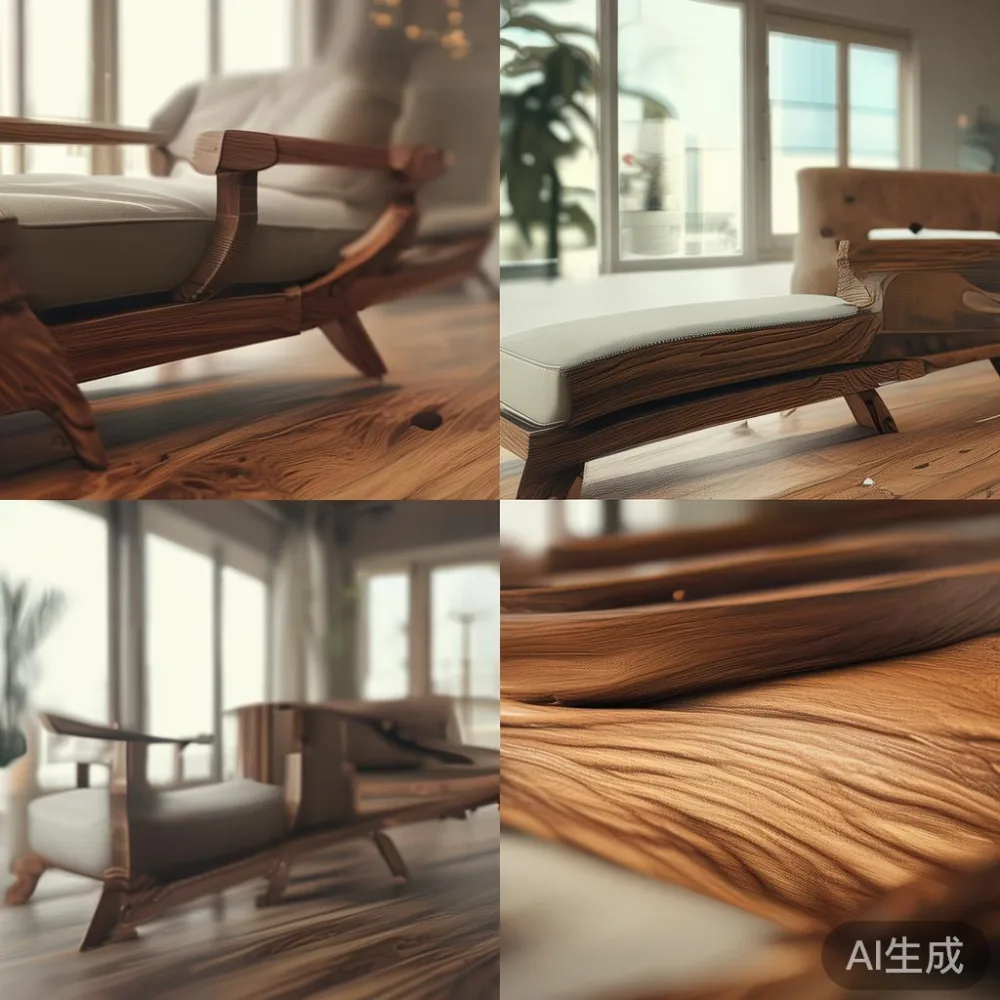
Veneer furniture, by definition, is a thin layer of real wood — usually 0.6 mm to 1.5 mm — glued onto an engineered substrate such as MDF, particleboard, or blockboard. The result looks correct on day one. Five years later, the veneer begins to delaminate at the corners, especially around air-conditioning vents where temperature swings of 4 to 6 degrees Celsius stress the adhesive. A solid wood bed frame made from ash, oak, or rubberwood has no such layer to peel. The wood moves as one piece, and small surface cracks can be sanded and refinished — which is why MIDHILL offers lifetime refinishing on every piece that leaves their Foshan workshop.
What does a five-year cost comparison actually look like in SGD?
Let me build two realistic scenarios for the same BTO flat in Punggol — a 92 sqm unit with a standard 3.2 m wide living room and a 2.8 m wide master bedroom.
Scenario A — Veneer package bought locally in Singapore:
- Solid-look veneer sofa, 2.4 m, fabric upholstery: S$1,290 (retail, after GST)
- Veneer dining table, 1.6 m, with four chairs: S$989
- Veneer wardrobe, 2 m sliding door: S$1,490
- Veneer bed frame, queen: S$690
- Two veneer nightstands: S$260
Total at purchase: S$4,719. By year three, the sofa fabric is pilling and the dining table edge has lifted. By year four, the wardrobe door is sagging. Replacement cost over five years, assuming you replace the sofa in year three and the wardrobe in year four: another S$1,290 for the sofa and S$1,490 for the wardrobe, plus S$240 in delivery fees through narrow HDB corridors. Five-year total: S$7,739.
Scenario B — Solid wood package sourced directly from a Foshan maker like MIDHILL:
- Solid wood sofa, ash frame, removable linen covers: S$2,180
- Solid wood dining table, 1.8 m, with four chairs: S$1,950
- Solid wood wardrobe, 2 m, three doors: S$2,460
- Solid wood bed frame, queen: S$1,150
- Two solid wood nightstands: S$420
Total at purchase with free shipping over US$350: roughly S$8,160 at current exchange rates, including two crating fees at S$45 each. Over five years, you refinish the dining table once at S$120 and tighten the wardrobe hinges once at S$0 (under the 10-year structural warranty). Five-year total: S$8,280.
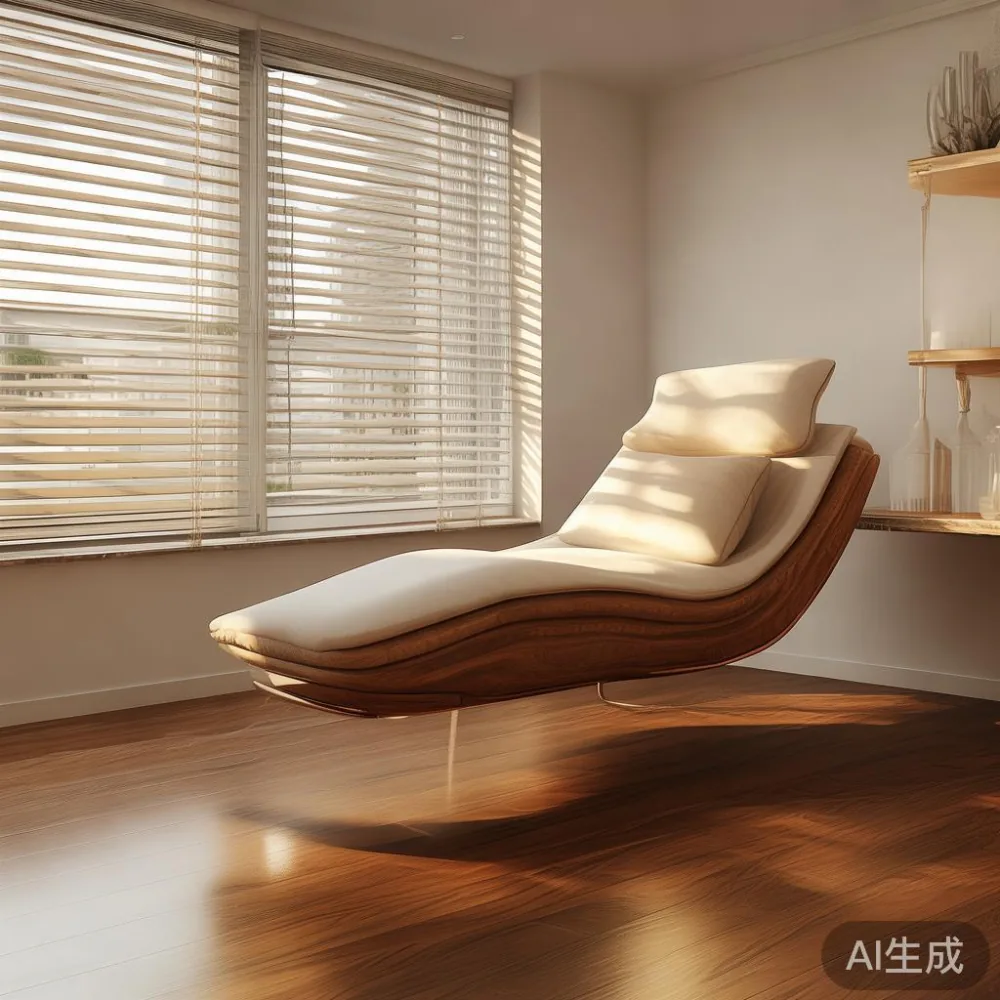
The difference is real but small — about S$541 over five years, or roughly S$11 a month. For a young couple paying off their HDB in Tampines, that monthly figure is the price of one plate of chicken rice. What you actually buy with that S$11 is a chaise lounge worth of peace of mind, because solid wood furniture is the only category in your home that gets more beautiful as the years stack up.
How does lift access change the math for condos vs HDB?
My colleague lives on the 19th floor of a condo near Bedok MRT. Her service lift measures 1.5 m by 2.2 m, which sounds like only 30 cm more width than an HDB lift, but that extra 30 cm is the difference between fitting a solid wood wardrobe flat versus on its side. This matters because a solid wood wardrobe weighing 110 kg to 140 kg cannot be tilted onto its back — the internal hanging rail will warp. When MIDHILL ships a 2 m wardrobe to Singapore, the crate measures 2.05 m long, 0.62 m wide, and 0.48 m deep. It slides into a condo lift standing up, but it will not fit an HDB lift at all. For HDB buyers in Punggol, this means the wardrobe must be delivered in two halves and bolted together in the bedroom. MIDHILL's assembly team handles this at no extra charge, but the comparison still tilts toward solid wood for condo owners and toward smaller solid wood pieces — nightstands, a chaise lounge, a coffee table — for HDB owners who cannot accept a full crate.
Condo owners also enjoy a 10 to 15 percent furniture budget advantage because they avoid the HDB corridor bottleneck. A 1.4 m wide Bedok corridor, for example, cannot accept a fully assembled queen bed frame over 1.55 m long. The frame must be brought in unassembled, which adds roughly S$80 in on-site assembly time. This fee is identical for veneer and solid wood, so it does not skew the comparison, but it does mean that solid wood's heavier assembly requirement is not actually a cost penalty once you live above the fourth floor.
Is veneer furniture ever the right call in Singapore?
Yes, and I want to be specific. If you are furnishing a five-year rental unit near Punggol Digital District for short-stay tenants, veneer is the correct choice. The tenant turnover destroys solid wood almost as fast as humidity does. If you need a temporary nightstand in a study room that sees air-conditioning eight hours a day, a well-made MDF nightstand with a 0.8 mm oak veneer will hold up for three years without complaint, and you can replace it for S$130 when you eventually move out. The problem is not veneer itself — the problem is buying veneer at solid wood prices, which happens constantly in Singapore showrooms where the labelling is loose and the warranty is 12 months.
Another legitimate use is a marble table with a veneer base. Marble, by nature, is not a load-bearing material for a base. A 1.2 m round marble top weighing 78 kg needs a stable substrate underneath, and a plywood core with a walnut veneer wrap-around is structurally the correct solution here. I would not put a solid wood apron on a marble table, because wood movement will crack the stone within eighteen months. This is the one place where the MIDHILL catalogue itself offers a hybrid: the marble top sits on a solid wood leg frame, but the apron is a 12 mm plywood core wrapped in the same species of veneer.
What's the real-world durability test after five years?
Last month I visited a MIDHILL customer in a five-room HDB flat in Bedok South. She had bought a solid wood sofa, a chaise lounge, a coffee table, and a six-seat dining table in 2019. Five years in, the dining table had darkened to a deeper honey tone from oxidation and oil exposure — exactly the patina that makes American light luxury furniture so collectible. The chaise lounge, used daily by her husband for an afternoon nap, showed zero sagging in the frame because the mortise-and-tenon joints had not loosened. By contrast, a friend of mine in Tampines bought a veneer sofa set from a Jurong warehouse in the same year, and the seat cushions had bottomed out by year three, with the armrest veneer chipping where his son used to climb. The replacement cost was S$1,150, more than half the original purchase price.
There is a useful exercise here. Take your current furniture, look at the original receipt, divide by years owned. A S$1,290 veneer sofa replaced after three years costs S$430 a year. A S$2,180 solid wood sofa still going strong after eight years costs S$272 a year — and the line keeps trending downward. The five-year mark in the comparison above is conservative; the gap actually widens at year eight, year twelve, and beyond.
How do style trends affect which material ages better?
Style does matter here, because furniture is bought in the language of a moment. Right now, the strongest movement in Singapore interiors is a blend of French light luxury and post-modern light luxury — pale travertine accents, brushed brass hardware, and a chaise lounge at the foot of the bed. These palettes lean heavily on natural wood grain, which means veneer often fails the visual test even before it fails the structural one. A flat-pack wardrobe with a printed oak laminate reads as soon as you step into the room, especially against the warm-white walls that dominate new BTOs in Punggol. A solid wood piece with real grain variation reads as investment.
If you are researching how to choose Italian light luxury bed for your master bedroom, the specification matters more than the label. Italian light luxury in 2025 and 2026 leans toward solid ash or solid oak with a 4 mm crown on the headboard — never a printed veneer. The construction detail to look for is a mortise-and-tenon joint at the headboard-to-rail connection, ideally with a visible wooden dowel. If the showroom cannot tell you whether the headboard is solid or veneer, walk out.
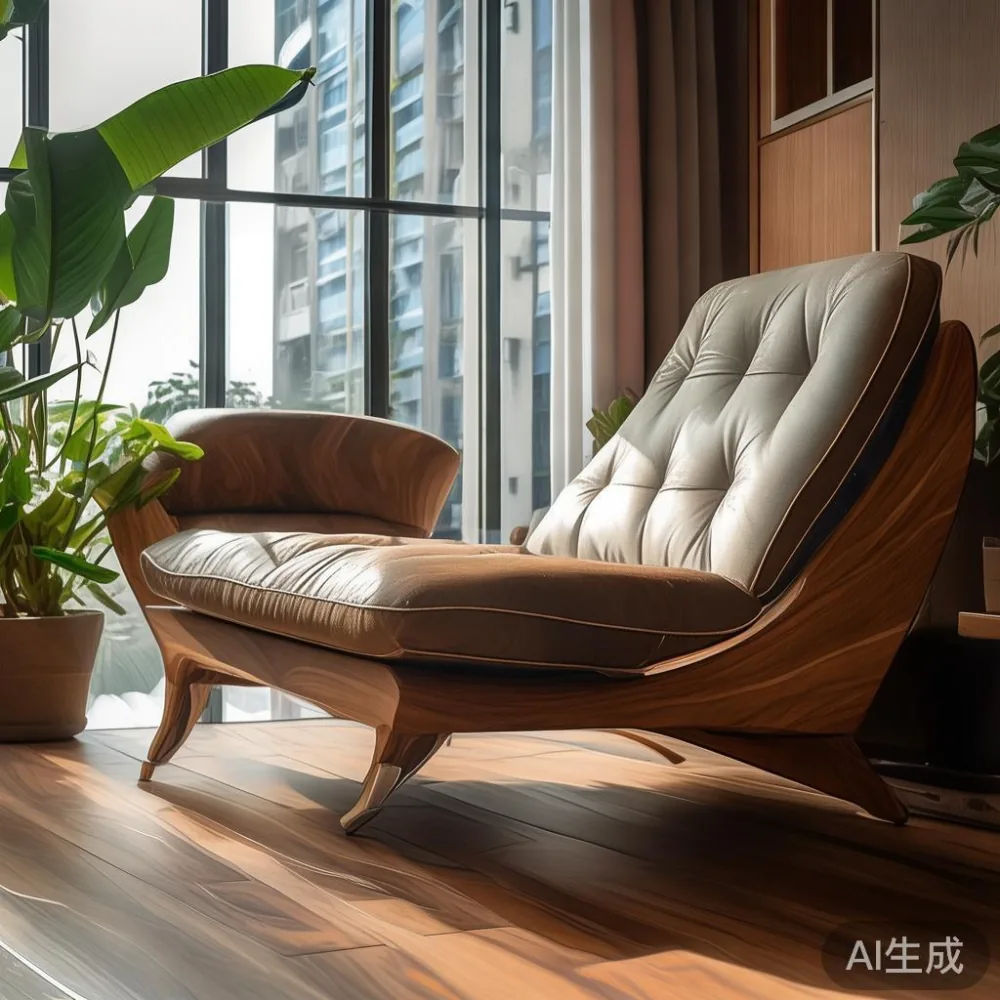
For living rooms, the conversation is different. When you search how to style American sofa in room, the answer is almost always about scale and proportion rather than material. An American-style sofa is deep (typically 1.05 m to 1.15 m seat depth), low-armed, and upholstered in a tight weave. The frame underneath should be solid wood because the seat depth puts constant stress on the back rails. If you are choosing the best light luxury sofa for 2026, look for kiln-dried ash or rubberwood with a minimum 60 mm leg cross-section. Anything smaller and you will feel wobble by year three.
What about Japandi bedrooms and rustic small living rooms?
Japandi — the Scandinavian-Japanese hybrid — is a quiet style that punishes veneer. The aesthetic demands honest materials, visible grain, and an absence of glossy laminate finishes. If you are working out how to style Japandi bed in bedroom for a 2.8 m wide master room in an HDB flat, the bed should be a low solid wood platform, ideally in natural or white-oiled ash, with linen bedding in oatmeal or charcoal. A veneer footboard will show its first chip within two years, and the Japandi look is unforgiving of repair patches.
Rustic is the opposite problem. The look celebrates texture, knots, and visible aging. If you are planning a Rustic for small living room layout in a 4-room flat, solid wood actually helps you because the patina becomes part of the design. A solid wood coffee table with a hand-planed surface will look more correct at year five than at year one, while a rustic-look veneer table will simply look tired. The category to be careful with here is the marble table — rustic marble with a solid oak base is one of the strongest combinations available, and it is a piece you will keep for fifteen years, not five.
How does shipping and warranty change the value math?
Most Singapore buyers underestimate the shipping math. A 2-piece solid wood living room set (sofa plus chaise lounge) crated and shipped from Foshan to Singapore by sea costs roughly S$280 to S$340 depending on the port congestion at PSA. Air freight for the same set costs S$640 to S$780 and cuts the transit from 18 days to 5 days. MIDHILL's free shipping over US$350 threshold means a single dining table covers its own freight — anything you add to the order after that point is effectively zero-cost to ship. This is a quiet advantage that does not show up on the showroom sticker price but compounds across a five-room furniture purchase.
On the warranty side, a 10-year structural warranty covers the joinery — the mortise-and-tenon, the dovetail, the dowel. Lifetime refinishing covers the surface. Together they make a solid wood piece effectively a rolling warranty. The 14-day return window gives you a stress test on arrival: if the piece arrives with a crack wider than 2 mm, or a warp exceeding 4 mm over a 2 m span, it goes back at the shipper's cost. Veneer furniture, by contrast, almost never carries a structural warranty, because the substrate and the veneer are two different materials with two different failure modes.
Should you upgrade to solid wood for your next purchase?
If you are buying furniture that you expect to move with you — from your Tampines BTO to your future Punggol condo, or from your Bedok rental to your first purchased flat — solid wood is the correct answer. The premium you pay at purchase is roughly S$11 a month over five years, and the piece gains character rather than losing it. For pieces you plan to replace within three years, veneer remains a practical choice, especially for non-structural items such as a study desk or a guest-room nightstand. The mistake to avoid is buying a 2 m veneer wardrobe at solid wood prices and expecting it to survive a Singapore decade. That combination of premium price and short lifespan is the worst outcome in the comparison, and it is the one I made in my own Tampines flat on day one.
If you want a starting point, browse the MIDHILL collection in the order I would recommend: one chaise lounge as a daily-use statement piece, one dining table, one bed frame. Those three pieces cover the highest daily-use minutes in a Singapore home and will give you the most honest five-year test of whether solid wood belongs in your life.
One quick footnote on the Joo Chiat warehouse scene and the many Instagram-direct sellers: the top 10 Vintage furniture lists circulating in 2025 and 2026 lean heavily on solid teak and solid camphor wood. Almost none of those listings are vintage — most are one to three years old, and the sellers rely on the visual of aging to justify the price. The only way to tell a genuine vintage solid wood piece from a new veneer piece dressed up as vintage is to look at the end grain. If the end grain pattern does not continue across the long grain, you are looking at veneer.