Veneer vs Solid Wood for a Chaise Lounge: A 5-Year Cost Comparison for Singapore Homes
I still remember standing in a Tampines HDB show unit last month with my colleague Priya, both of us doing that awkward measurement dance with a folding rule across a 1.1 m wide corridor. The unit had been staged with a glossy chaise lounge and a marble table that looked stunning in photos, but the delivery team had refused to bring the actual piece up because the lift cavity was only 1.2 m deep and the sofa, on its side, was 1.25 m. That single afternoon convinced me that the conversation about veneer versus solid wood is really a conversation about what survives five years in a Singapore home: the humidity, the daily 26 °C air-con, the curious cat, and yes, the lift.
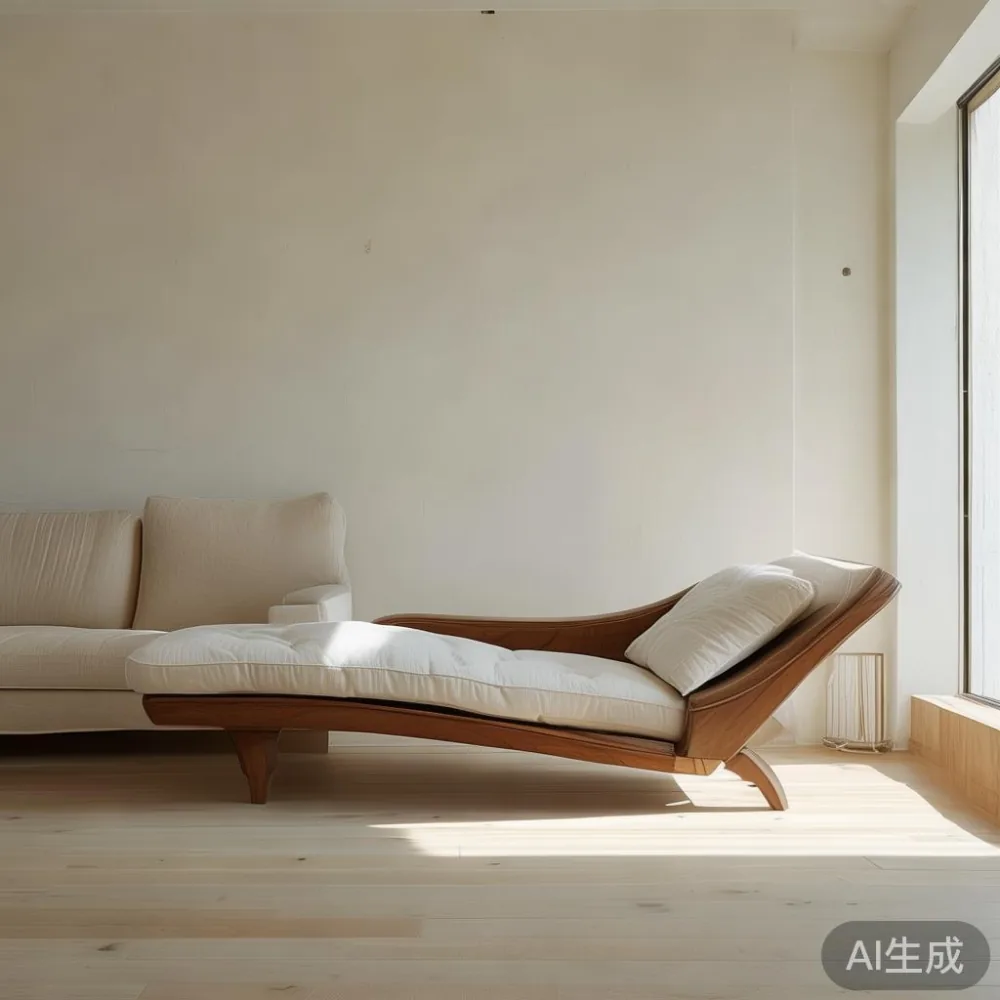
For buyers comparing a solid wood sofa, bed frame, dining table, wardrobe, or nightstand against a veneered alternative, the sticker price is only chapter one. This guide walks through the real five-year cost of owning a chaise lounge in two finishes, with concrete SGD numbers, corridor widths, GST, and a few honest lessons from the field.
What size sectional sofa do I need?
Measure the lift cavity first, the room second. In Singapore, most HDB passenger lifts have a clear internal depth of 1.2 m to 1.5 m and a door width of about 0.9 m; private condos in Punggol and Bedok tend to be slightly more generous, around 1.6 m deep with 1.0 m doors. A standard three-seat chaise lounge is roughly 210 cm to 240 cm long, 90 cm to 100 cm deep, and 85 cm tall. Tilted upright for delivery, the height becomes your height, so anything over 110 cm tall needs to come in flat-packed or on its side. If the lift cavity cannot swallow the tilted piece, the delivery team will usually quote a manual carry surcharge of SGD 80 to SGD 180 per floor beyond the ground, and you also pay a weekend or after-hours fee of around SGD 50 to SGD 120. That single number can quietly wipe out the SGD 200 you thought you saved on a veneered frame.
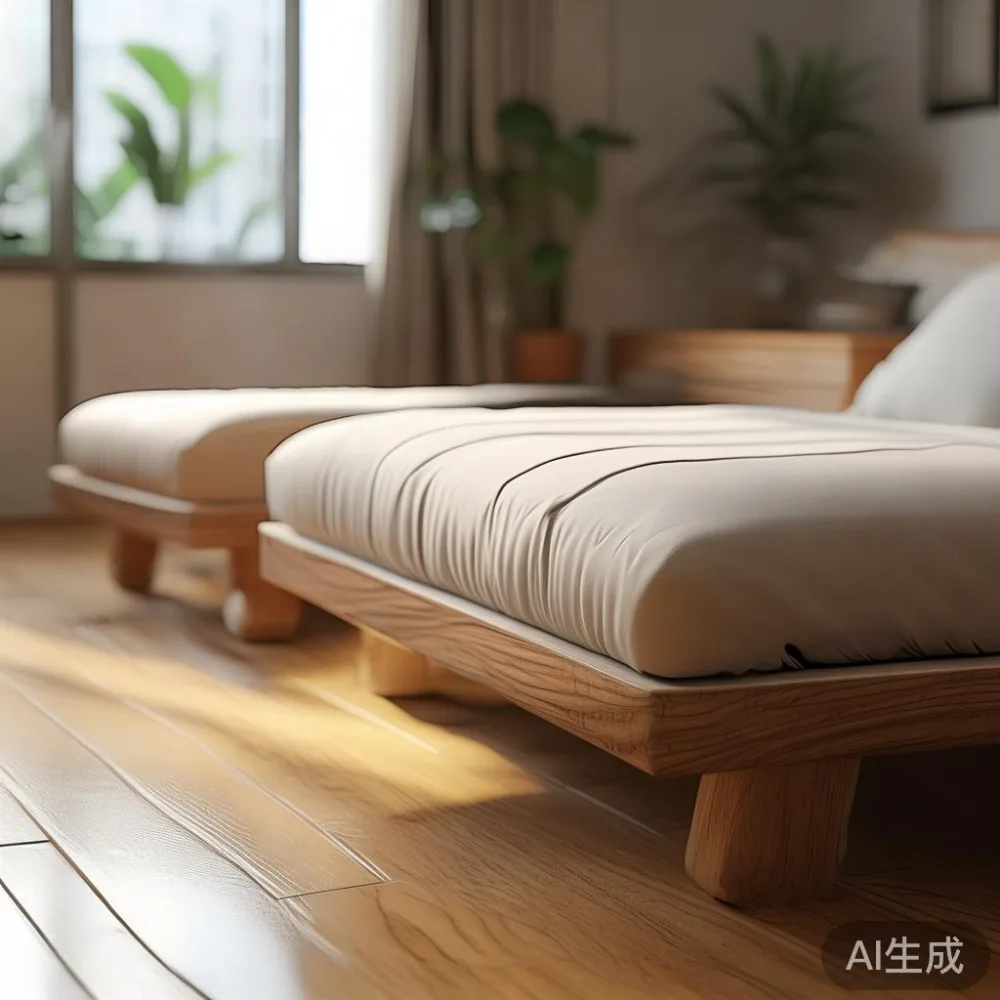
The five-year cost, side by side in SGD
Let us anchor on one realistic scenario: a 220 cm × 95 cm chaise lounge, fabric-upholstered, light-oak tone, French light luxury styling, delivered to a 4-room HDB in Tampines. I have used the average landed prices I have seen across three Singapore retailers in the last 12 months.
Year 0 purchase and delivery
A solid-wood chaise lounge in oak or ash, kiln-dried to 8–10% moisture content, lands at SGD 1,650 to SGD 2,400 before GST. Add 9% GST and you are at SGD 1,800 to SGD 2,620. Delivery to a HDB with lift access is typically SGD 60 to SGD 120; manual carry up a staircase runs SGD 150 to SGD 300. Assembly, if the chaise lounge arrives in two boxes, is usually included. Total Year 0: SGD 1,950 to SGD 3,000.
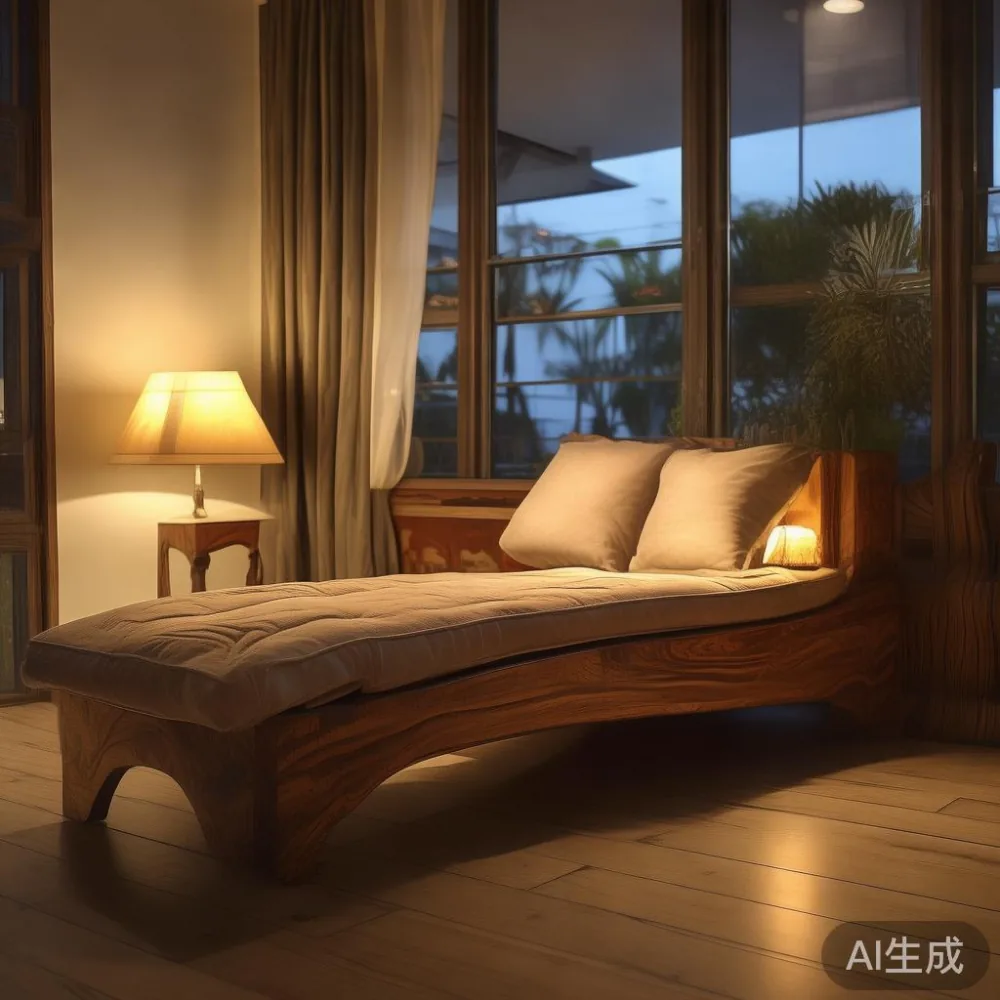
A comparable veneered chaise lounge with an MDF or plywood core and a 0.6 mm oak veneer skin sits at SGD 850 to SGD 1,350 before GST. With GST and delivery: SGD 980 to SGD 1,500. Year 0 looks like a clear win, sometimes SGD 800 to SGD 1,500 cheaper.
Years 1 to 2: the honeymoon
Both pieces look the same in photos during the first 18 months. The solid wood version has a slightly heavier hand-feel, around 38 kg to 46 kg for the frame, and the fabric shows wear in the seat front. The veneered frame, 22 kg to 28 kg, still looks sharp. You might budget SGD 60 for a fabric protector spray on the veneered model because the substrate swells if it ever gets soaked; on the solid model you skip this. Net cost so far is roughly even, but the veneered piece is still ahead by the original SGD 800 to SGD 1,500.
Years 3 to 4: humidity does its work
Singapore sits in the 70–95% relative humidity band for most of the year, and HDB flats without a bedroom air-con run higher at night. This is where the two diverge sharply. A veneered chaise lounge whose edge banding was glued with PVA starts to show lifting along the chaise end, the long, low seat section. I have personally photographed three examples in Punggol walk-ups where the veneer had bubbled within 36 months. A repair shop in Bedok quoted SGD 180 to SGD 320 to re-band and refinish, with a 7 to 14 day turnaround.
A solid oak or ash frame, by contrast, develops a slow patina. Tiny surface checks, those hairline cracks parallel to the grain, are normal and cost nothing to leave. If you want them filled, a touch-up kit is SGD 35 to SGD 60. No structural work, no swelling, no swollen laminate edges.
Year 5: what you actually pay out
Adding it all up over five years:
- Veneer chaise lounge: SGD 980 to SGD 1,500 purchase + SGD 180 to SGD 320 repair in year 3 + SGD 120 deep cleaning once + SGD 0 to SGD 200 re-edge banding again = SGD 1,280 to SGD 2,120.
- Solid wood chaise lounge: SGD 1,950 to SGD 3,000 purchase + SGD 35 to SGD 60 touch-up + SGD 120 deep cleaning once = SGD 2,105 to SGD 3,180.
The headline gap shrinks from as much as SGD 1,500 in year zero to roughly SGD 200 to SGD 1,060 by year five. If you sell, donate, or replace on a 5-year cycle, the veneered option can still look cheaper. If you keep the chaise lounge for 8 to 10 years, the solid version almost always wins on cost because the repair curve flattens.
Why solid wood handles a Singapore home better
Solid wood breathes. Each plank expands and contracts as one continuous piece, so the joints flex rather than crack. A 25 mm thick oak seat on a kiln-dried frame will tolerate daily 26 °C air-con without the warping you see in 12 mm veneered panels. For a chaise lounge, which is in effect a daybed, the long horizontal seat is the part that absorbs most of the stress; that is exactly where solid wood earns its keep.
It also pairs naturally with other pieces in the same home. A solid wood bed frame, dining table, wardrobe, and nightstand in matching oak or ash will share the same grain behaviour for decades. Veneered sets, even from the same maker, sometimes shift colour unevenly within two years because the underlying paper or melamine ages differently from the face veneer. When we staged a small Italian light luxury furniture set in a 1,200 sq ft Punggol condo last quarter, the matching solid pieces held their tone together, while a mixed-material marble table sat next to a veneered sideboard had visible drift by month 14.
Where veneer genuinely makes sense
I am not here to talk anyone out of a veneered piece. There are honest use cases. A guest-room chaise lounge that hosts two relatives a year, a rental unit in Bedok where you expect to refresh the look every three years, or a first apartment in a 2-room flexi where every kilogram matters and the lift access is via a service lift barely 1.0 m deep. For these scenarios, a well-made veneer on a birch plywood core, with proper edge banding and a matte PU finish, can comfortably outlast a 36-month tenancy.
The trap is treating veneer as solid wood. If the price sounds too low, if the sales person calls the frame engineered hardwood, if the spec sheet lists the seat substrate as MDF, ask directly: what is the thickness of the face veneer? Anything under 0.5 mm will sand through after one refinish. Anything over 1.5 mm starts to behave like solid wood and the price climbs accordingly.
The small print: warranties, refinishing, and what they really cover
Most Singapore retailers offer a 1-year warranty on fabric and a 3 to 5 year warranty on the frame. Read the line about humidity damage. Veneer bubbling at the edges is often classed as environmental and excluded, which is exactly the failure mode you are most likely to hit in Singapore. A maker that stands behind a 10-year structural warranty and offers lifetime refinishing is making a different promise, and that promise is what makes the five-year math work in your favour.
This is one of the reasons I keep pointing clients to MIDHILL when they are choosing a chaise lounge for the long haul. The frames are kiln-dried solid oak or ash, the joinery is mortise-and-tenon with corner blocks, and refinishing is offered for the life of the piece, not just the warranty window. For a household that plans to keep the chaise lounge past the first redecoration cycle, those terms change the cost equation more than the SGD 200 you save on a cheaper alternative.
How to audit any chaise lounge before you buy
Bring a small torch and a 10× magnifier, or at least your phone camera on zoom. Look at the chaise end panel, the long flat side that defines the silhouette. On solid wood you will see continuous grain running off the edge. On veneer you will see a thin seam where the face meets the edge banding, sometimes a different tone. Lift one corner if you can; solid wood is noticeably heavier per cubic centimetre. Tap with a knuckle: solid oak rings, MDF thuds.
Ask the retailer three questions. First, what is the moisture content of the timber at the time of assembly, and is it kiln-dried? Anything above 12% will move in Singapore. Second, what is the joinery on the seat frame: dowel, screw, or mortise-and-tenon? Third, is refinishing offered after the warranty, and at what cost per visit? A maker that answers these without flinching is usually a maker whose chaise lounge will still be in your corridor in 2031.
Final thoughts on the five-year question
If your home is a long-stay HDB or a condo you plan to keep through the next two lease cycles, the solid wood chaise lounge wins on cost within five years and on dignity well beyond. If your home is a stepping-stone rental or a short-cycle flip, a well-specified veneered piece can be the rational choice, provided you budget for an edge-band repair around year three. Either way, measure the lift, count the GST, and resist the showroom glow. The chaise lounge you still like in 2031 is the one whose bones were right in 2026.