How to Choose the Right Size Chaise Lounge for a Singapore HDB Living Room
Last month I visited a friend's new 4-room HDB flat in Punggol Northshore, and the moment I stepped out of the lift I knew she had a sizing problem. The unit itself was generous — about 92 sqm — but her chaise lounge, ordered online from an overseas brand, was a 215 cm monster in American light luxury styling that blocked the corridor between the living room and the kitchen. We had to tilt it sideways just to reach the balcony door. After two coffee chats and one furniture swap, she ended up with a 165 cm solid wood chaise in French light luxury proportions that changed how the whole flat felt. That afternoon convinced me that choosing the right size is not a footnote in a sofa purchase — it is the entire decision.
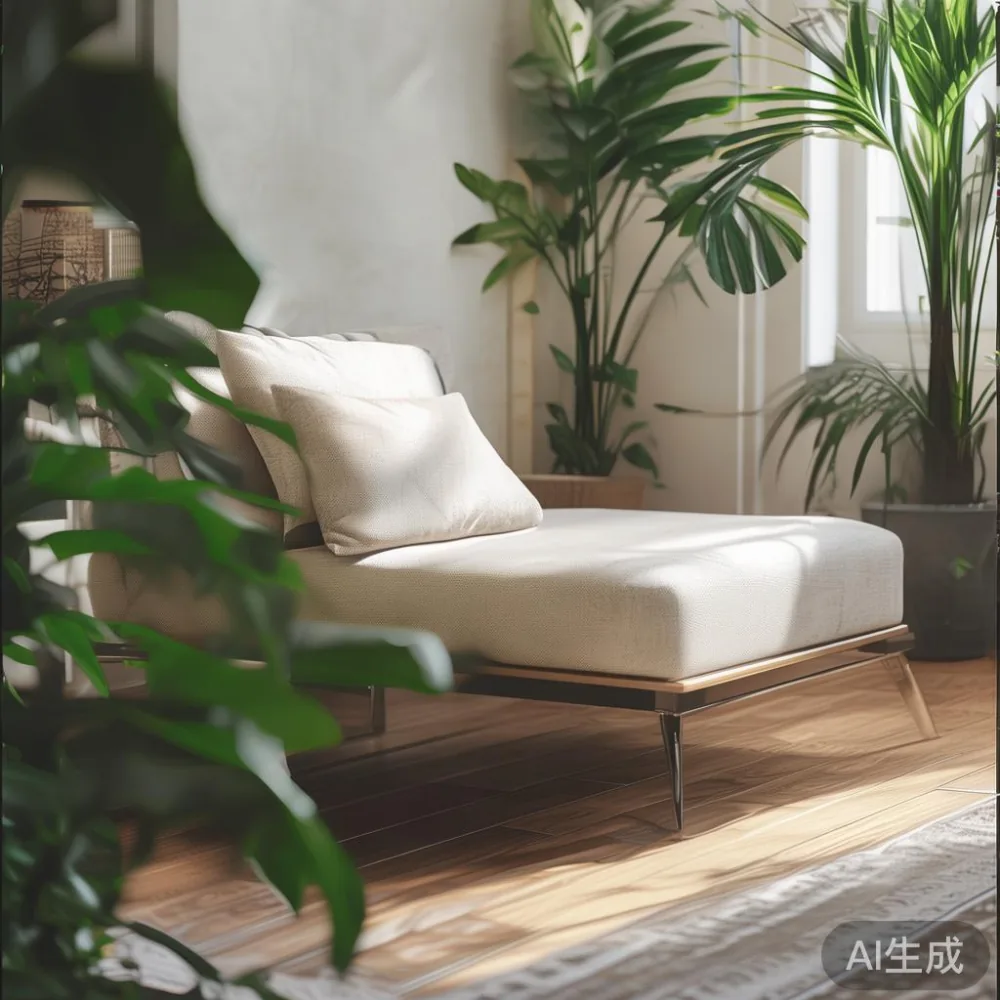
What size chaise lounge actually fits a Singapore HDB living room?
The honest, direct answer for most Singapore HDB flats and 99-year condos is to aim for a chaise lounge between 150 cm and 180 cm in total length, 75 cm to 85 cm in seat depth, and 85 cm to 95 cm in total depth — and that single sentence is the rule of thumb you should carry into any furniture showroom.
Why those numbers? Because the typical HDB living room in a 3- or 4-room flat in estates such as Tampines, Bedok, or Sengkang runs between 9 sqm and 14 sqm of usable floor area after you subtract the TV console, the walkway (aim for at least 90 cm of clear path), and the air-conditioning trunking. A 215 cm sectional would swallow roughly 40% of that footprint, while a 165 cm chaise leaves you with breathing room for a 120 cm marble table, a 180 cm TV console, and a 90 cm walkway to the kitchen.
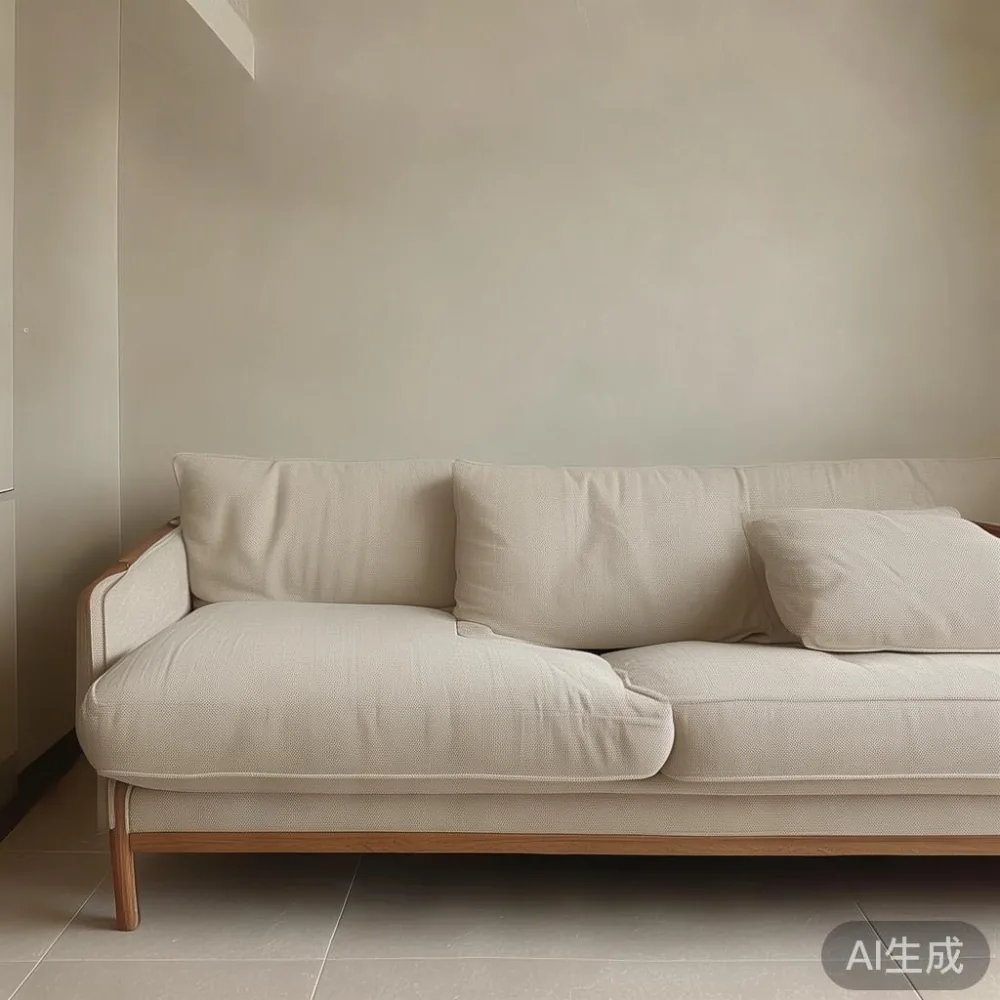
If you live in a larger condominium — think The Interlace, Rivière, or a Punggol executive unit — you can stretch to 200 cm. Below 150 cm, you start losing the lounging function that makes a chaise lounge worth buying in the first place.
How do I measure my lift, corridor, and front door before ordering?
Before you fall in love with a chaise lounge in a showroom, take a tape measure and write down three Singapore-specific numbers:
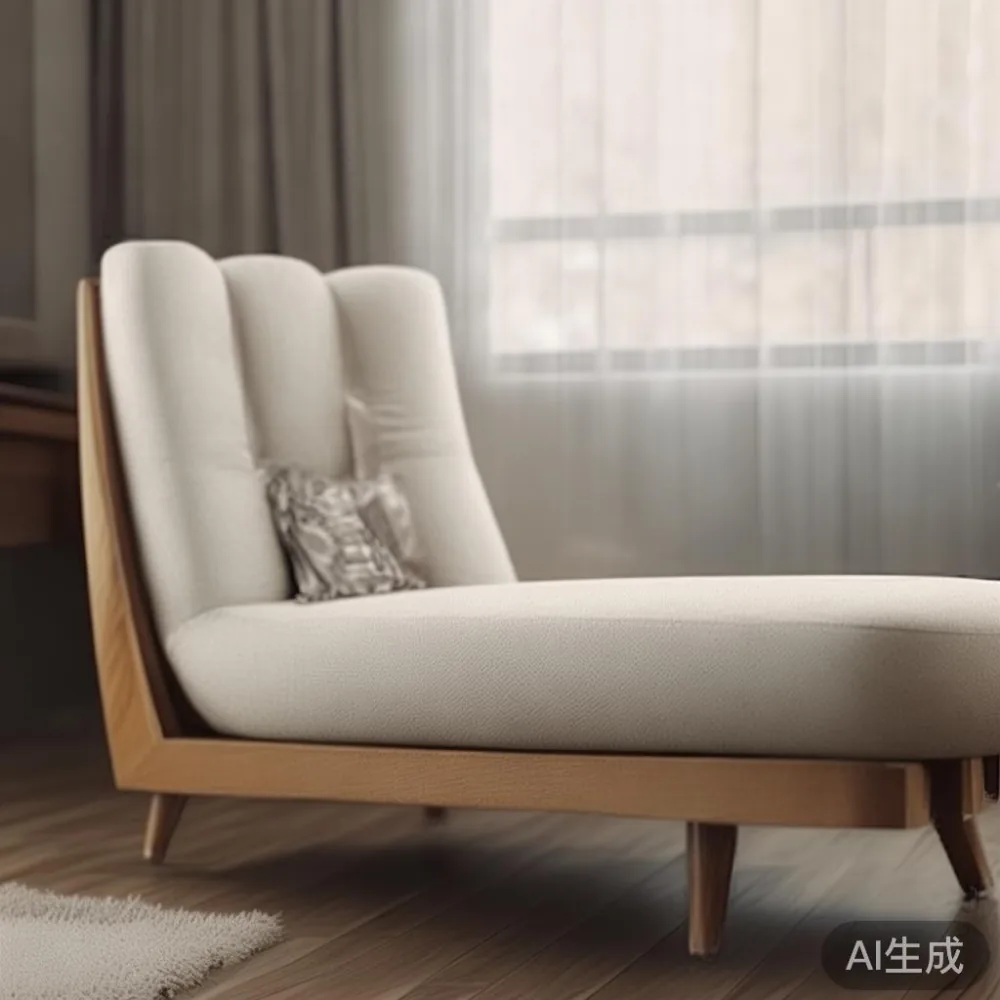
1. Lift depth and height. Most HDB passenger lifts measure roughly 1.6 m deep × 1.4 m wide × 2.4 m tall, but newer ones in Punggol and Tengah can run to 1.9 m deep. A boxed chaise lounge often adds 10–15 cm to the dimensions, so a 180 cm chaise in a flat-pack box of 195 cm should fit, but a 200 cm chaise at 215 cm packed may not clear the lift ceiling diagonal.
2. Corridor width and turning radius. HDB corridors are usually 1.2 m to 1.5 m wide. If your unit is at a corner, factor in the turning radius — generally you need a 1.8 m clear arc to move a long piece of furniture in. I watched movers in a Bedok Reservoir block struggle for 35 minutes with a 210 cm sofa before giving up and returning it; the buyer lost a S$120 redelivery fee.
3. The front door. Standard HDB main doors are 0.9 m wide × 2.1 m tall, while many condo doors run to 1.0 m × 2.3 m. If your chaise lounge backrest is taller than 95 cm or wider than the door, you will not get it in. A tip from a Tampines delivery team I spoke with: remove the door hinges and lift the door frame — it gives you an extra 3–4 cm and saves a return trip.
How do I style a Post-modern armchair in a small apartment?
Post-modern armchair styling in a compact Singapore apartment works best when you treat the armchair as a counterpoint to a curved chaise lounge — pair a 78 cm-wide armchair in a soft boucle or muted leather against a 165 cm chaise in the same wood tone, anchor them on a 200 × 280 cm low-pile rug, and let one warm-metal floor lamp do the work of overhead lighting.
What makes a Post-modern armchair sing in a 10 sqm living room is restraint. Pick one curved silhouette, one tactile fabric, and one accent material — a small marble table in Carrara white (diameter 45 cm is plenty) does the job without overwhelming the visual field. Keep the rest of the wall pale: a warm putty or greige reads larger than pure white under Singapore's afternoon sun. And because ceiling heights in HDB flats run between 2.6 m and 2.8 m, avoid floor lamps taller than 150 cm — anything higher crowds the space.
For cohesion, echo the armchair's curve in a compact bed frame for dining room conversion corner or a low-backed dining bench. A 180 cm dining table in solid oak with a 45 cm bench tucked underneath gives you six seats in the footprint of four, and you can slide the bench out when guests arrive.
Which chaise lounge dimensions pair with which living room size?
Here is a practical reference I share with clients sizing their HDB or condo living rooms:
• Studio apartment or 2-room Flexi (under 8 sqm living area): 140–150 cm chaise, seat depth 70 cm, no console table behind, single seat cushion.
• 3-room HDB, 9–11 sqm living area: 150–165 cm chaise, seat depth 75 cm, paired with a 90 cm round marble table or a 110 × 60 cm nesting coffee table.
• 4-room HDB, 12–14 sqm living area: 165–180 cm chaise, seat depth 80 cm, room for a 120 cm marble table and a 45 cm side table.
• 5-room HDB or executive condo, 15–20 sqm: 180–200 cm chaise, seat depth 85 cm, full lounge layout with a 140 cm coffee table.
• Punggol or Rivière-style condominium, 20 sqm+: 200–220 cm chaise, seat depth 90 cm, ideal for American light luxury proportions.
The numbers above assume 90 cm of clear walkway. Drop below 80 cm and you will feel the squeeze every time you carry groceries from the kitchen to the sofa.
What should I check on weight, frame, and warranty?
A solid wood chaise lounge with a kiln-dried hardwood frame weighs between 45 kg and 75 kg depending on size and upholstery. For HDB lifts, that is well within the 1,000 kg passenger limit, but it matters for the corridor move: every kilogram above 60 kg usually means a two-man team instead of a one-man delivery, and that is reflected in the delivery quote.
Frame construction is where the difference between a S$1,200 flat-pack and a S$3,800 solid wood piece becomes obvious. Look for mortise-and-tenon joinery at the chaise extension joint, corner blocks glued and screwed (not stapled), and webbed suspension with at least 8-way hand-tied coils if you want the cushion to hold shape past year five. MIDHILL, a Foshan solid wood maker since 2008, ships chaise lounges and matching sofas in this construction tier — I have inspected their joinery at a Tampines warehouse viewing, and the ten-year structural warranty they publish is backed by paperwork, not just marketing.
For warranty coverage, ask three questions: (1) Does it cover frame breakage or only manufacturing defects? (2) Is on-site repair included in Singapore, or do you ship the piece back to the factory? (3) What is the cushion sagging threshold — usually 25 mm or more measured without weight on it? MIDHILL's lifetime refinishing offer on solid wood frames is unusually generous for the price tier and a real advantage when you are keeping a chaise for 10+ years.
How do delivery, GST, and returns actually work in Singapore?
Plan delivery for a weekday morning between 9 am and 12 pm. HDB loading bays at estates such as Bedok Reservoir or Tampines GreenRidge enforce 30-minute unloading windows, and a missed slot can push your delivery back three to five working days. Expect to pay between S$60 and S$120 for door-to-door delivery on a single chaise lounge, free above S$350 in many direct-from-factory offers.
GST: imported furniture ships under 8% GST since 2023, and the supplier registers the import. Reputable brands — and this includes MIDHILL's Singapore distributor channel — show GST as a separate line on the invoice so you can claim input GST if you are running a registered business. For personal buyers, the figure is simply added to the subtotal.
Returns: a 14-day return window is the local norm for online furniture sales, but read the small print. Some brands charge a 20% restocking fee, others collect from your door for free. For chaise lounges, the returned unit must be in original packaging with no assembly marks, otherwise the claim is rejected. Photograph the unboxing — this step saved a colleague S$420 when her first chaise arrived with a cracked marble corner.
Can a chaise lounge double as a guest bed in a small HDB?
Yes — a chaise lounge with a 165–180 cm seat depth and an adjustable backrest can comfortably sleep an adult up to 175 cm tall for two to three nights. The key is the backrest mechanism: a three-position ratchet or gas-lift back lets you drop the head section flat without removing cushions.
For families who host visiting parents in Punggol or Tampines regularly, a chaise doubles as both reading seat by day and a guest sleeper by night. Pair it with a compact bed frame for dining room adjacent corner that folds down only when needed, and you keep the flat's dual function without buying a dedicated guest bed. Add a small nightstand on castors (40 × 35 cm is enough) that slides under the chaise when not in use.
If guest sleeping is the priority, push toward a 180 cm chaise with a 195 × 90 cm sleep surface. Anything shorter than that and a 170 cm adult will have their feet hanging off — I learned this the hard way when a friend's father stayed over in a 150 cm chaise and woke up with numb heels.
How do I match a chaise lounge with the rest of my solid wood furniture?
A cohesive American light luxury or French light luxury living room needs three things to line up: wood tone, leg height, and silhouette.
Wood tone: pick one species across the chaise, the dining table, the wardrobe, and the nightstand. White oak, walnut, and ash are the three most common in Singapore imports because they photograph well and tolerate humidity swings between 60% and 90% RH. Mixing two warm tones (say, oak chaise and walnut dining table) is fine if the undertones match; mixing warm and cool (oak with grey-stained ash) usually looks accidental.
Leg height: keep sofa, chaise, dining table, and bed frame legs within 2 cm of each other where possible — for example, 15 cm sofa legs and 18 cm dining legs read as one furniture family, while a 15 cm sofa and a 25 cm dining table feel disconnected. This is one of the small details that make a show-flat look like a magazine spread.
Silhouette: if your chaise has a curved arm in the French light luxury style, mirror that curve in a marble table with a rounded edge or a sideboard with bowed doors. If you choose a square, post-modern light luxury chaise with a low arm, pair it with a rectilinear dining table and a flat-front wardrobe. Consistency in one of these three axes is enough; matching all three can feel staged.
For bedrooms, repeat the chaise's wood species in a 180 × 200 cm bed frame and a 60 cm two-drawer nightstand. A matching wardrobe in the same finish pulls the suite together, and you avoid the common mistake of buying each piece from a different brand and ending up with five different shades of "oak".
What is the price range I should expect for a quality solid wood chaise in Singapore?
For a kiln-dried hardwood chaise lounge with fabric or top-grain leather upholstery, delivered to Singapore:
• Entry tier, S$1,400–S$1,900: mixed hardwood frame, foam-only cushions, 3-year warranty. Common in Tampines furniture mall listings.
• Mid tier, S$2,200–S$3,500: solid wood frame, pocketed coil or webbed suspension, 5–7 year warranty. This is the sweet spot for most HDB buyers — I have recommended it to three neighbours in the past six months.
• Upper tier, S$3,800–S$6,500: full solid hardwood, hand-tied 8-way springs, full-aniline leather, 10-year structural warranty, lifetime refinishing options. Brands like MIDHILL sit comfortably here, with shipping included above S$350.
• Premium tier, S$7,000 and up: Italian leather, custom dimensions, white-glove delivery including packing and debris removal.
A realistic 4-room HDB living room budget for a matching set — chaise lounge, 180 cm dining table, four-seat dining bench, 180 cm TV console, and a 90 cm marble table — runs S$8,500 to S$14,500 at the mid tier, delivered and GST-included. Going below S$7,000 usually means compromising on frame construction; going above S$18,000 means paying for the brand name as much as the materials.
Are there small HDB-specific design tricks that make a chaise lounge feel bigger?
Three tricks I have seen work repeatedly in HDB flats between 70 sqm and 95 sqm:
Float the chaise 15 cm off the wall. Pulling it forward slightly creates a shadow line that reads as depth, and you keep a narrow console behind it for a 35 cm-wide floating shelf.
Use a rug at least 60 cm wider than the chaise on every side. A 280 × 200 cm rug under a 180 cm chaise grounds the seating area and visually expands the floor — anything smaller cuts the seating zone off from the rest of the room.
Pick tapered legs over block legs. A 165 cm chaise on 12 cm tapered legs shows 30% more floor underneath than the same chaise on 6 cm block legs, and that visible floor is what makes the room feel larger than its actual 11 sqm.
Finally, lighting matters. Singapore's HDB flats often rely on a single ceiling downlight, which flattens a small living room. Add one warm 2700K floor lamp beside the chaise and one picture light above the TV console, and the same 11 sqm reads as two distinct zones — a lounging zone and a media zone — without adding a single square metre.
Final checklist before I click "place order"
Run through this 90-second list before paying:
□ Chaise length is 150–180 cm for HDB, up to 200 cm for condos — measured, not estimated.
□ Lift depth plus box dimensions verified at the building management office.
□ 90 cm clear walkway maintained from chaise to kitchen door.
□ Frame is solid hardwood with mortise-and-tenon joints at the chaise extension.
□ Warranty covers structural frame for at least 7 years, ideally 10.
□ Delivery window quoted in working days, with HDB loading bay slot booked.
□ GST shown as a separate line on the invoice.
□ 14-day return window confirmed in writing, with no restocking fee above 15%.
If eight of these eight boxes are ticked, the chaise lounge you bring into your Tampines, Bedok, or Punggol flat will fit, last, and look like it was designed for the room — not for a warehouse showroom. Sizing is the unglamorous part of furniture shopping, but in Singapore HDB living rooms it is the part that decides whether the piece earns its keep for ten years or ends up on Carousell within six months.