How to Care for a Lacquered Chaise Lounge in a Tropical Climate: A Singapore Owner's Guide
Anyone who has lived in Singapore for more than a season knows the math: 1,600 mm of rain, 80–95% relative humidity most days, and a UV index that sits in the 11 Extreme ranges around March. Half of August 2023, I walked into a Tampines HDB flat on the 12th floor of a 16-storey block and watched a brand-new dark-walnut chaise lounge sweat under the air-con vent. The owner had spent SGD 2,400 on it three months earlier. The lacquer had already gone cloudy in two patches and was starting to peel near the curved headrest. She had done nothing wrong except buy a piece finished for a Beijing showroom and expect it to behave in a Bedok corridor.
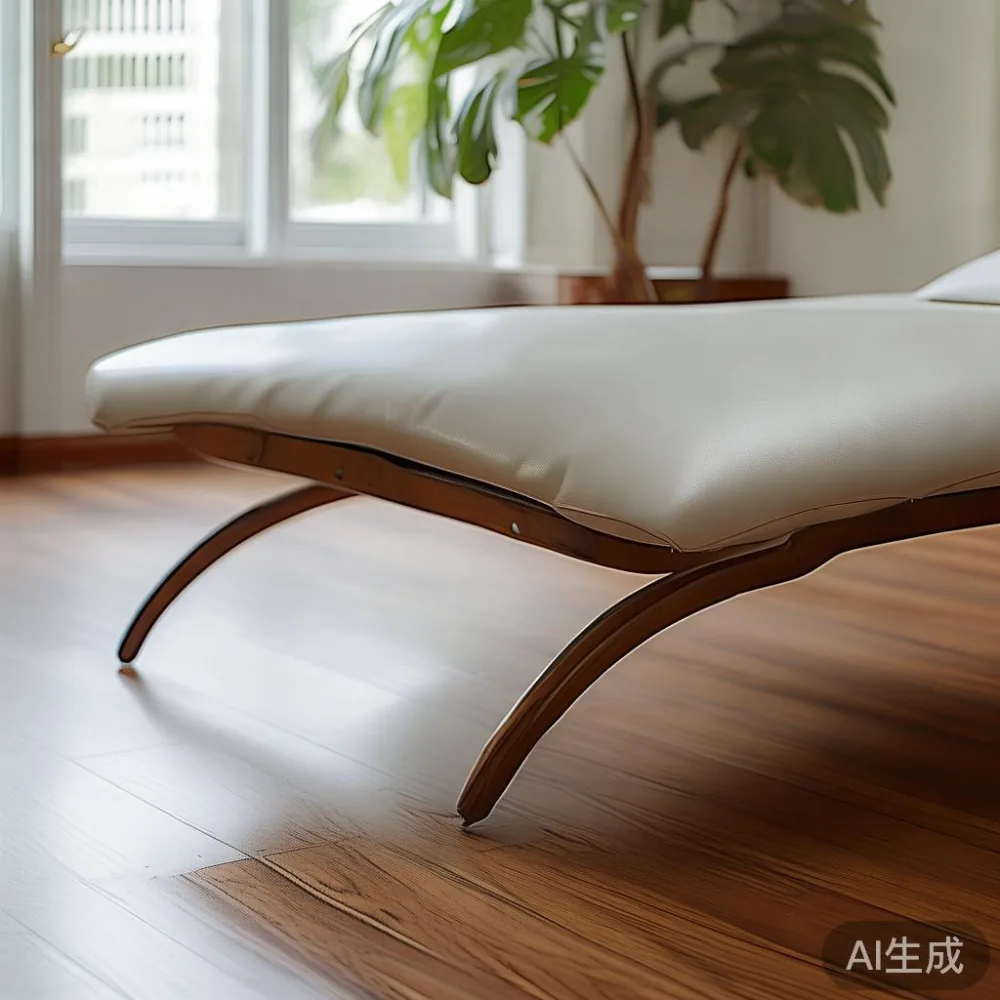
That afternoon, I took notes. I weighed the chaise lounge on a bathroom scale (38 kg), measured its longest arm against the lift door (the diagonal was 218 cm, the lift interior was 210 cm deep by 160 cm wide, and the chaise would only go in if tilted at 38 degrees), and counted how many people it took to carry it from the goods lift on level one up four flights through a 1.2 m corridor. The answer was four, plus a sofa slider. Everything you read below came out of that visit, plus a follow-up at a Punggol Waterway Terrace condo last month where the same pattern repeated itself in a 1,800 sq ft unit.
If you have just bought, or are about to buy, a French light luxury or American light luxury solid wood chaise lounge from a maker like MIDHILL — Foshan-built since 2008, exported to more than 15 countries, with a 10-year structural warranty and lifetime refinishing — this is the care plan I would put on the fridge.
Why does lacquer misbehave in Singapore?
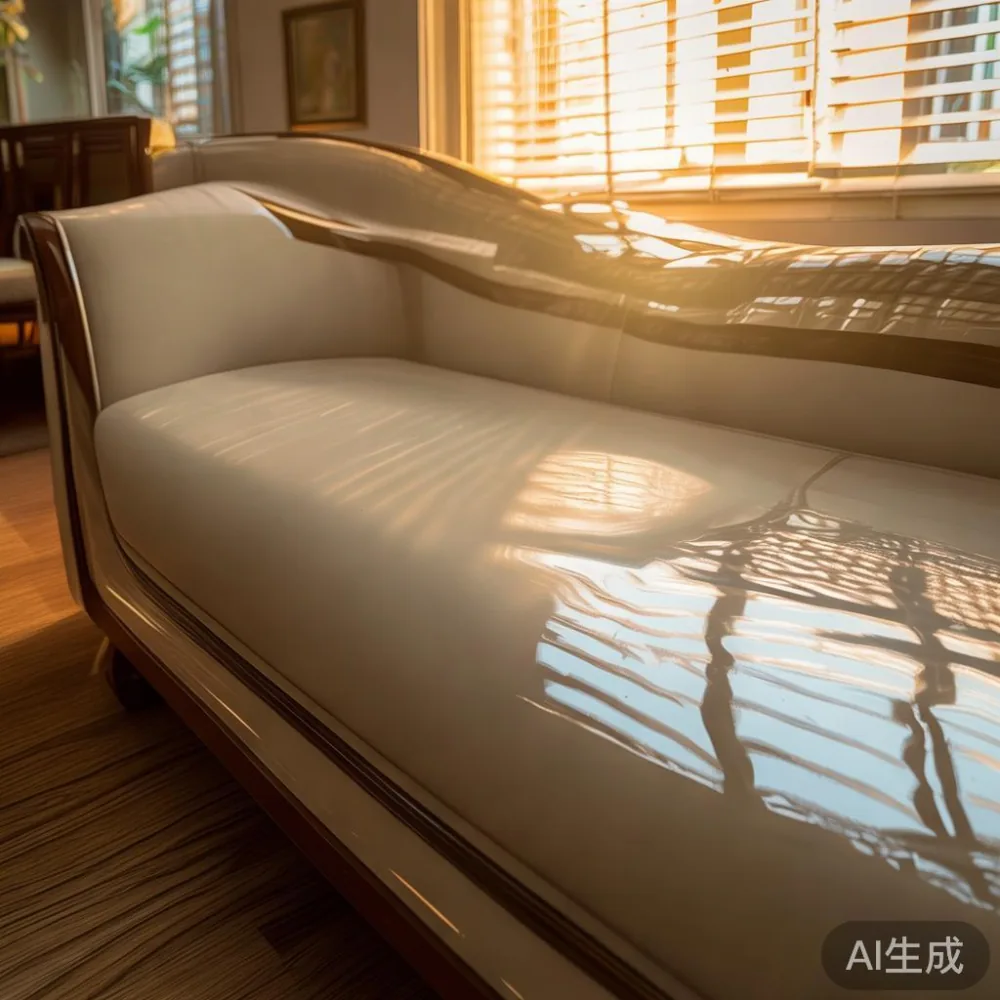
Lacquer is a film finish. It breathes far less than oil, and it softens when surface temperature climbs above about 35 °C. Singapore sits at 1° north of the equator, with afternoon indoor temperatures of 28–32 °C even with the fan on. Add 80–95% humidity and direct afternoon sun through a west-facing window, and the film is under constant heat-and-moisture stress it was never built to take.
What you see when it fails: a dull haze at six months, white rings from a glass of cold water at nine, fine cracking along the curved backrest at eighteen. None of these are manufacturing defects. They are predictable outcomes of putting a temperate-zone finish in a tropical room.
The good news is that a solid wood chaise lounge — oak, ash, walnut, beech — survives. The wood moves with the seasons; the finish is the part you have to manage. Treat the lacquer as a sacrificial skin, and you can keep a piece looking new for ten years instead of eighteen months.
How do I choose a mid-century modern for a study?
Pick a solid wood chaise lounge frame in white oak or ash with a satin, not high-gloss, lacquer, then pair it with a leather or performance-fabric sling so the contact zones can take sweat, and you will have a piece that handles a tropical study for at least a decade.
In a study, the chaise usually sits 60–90 cm from a window and directly under a ceiling fan that runs 12 hours a day. The risk profile is dust, UV, and skin oils from the back of your neck — not red wine or kids, like in the living room. That changes the brief.
Frame: insist on solid wood, not veneer over MDF. The 1.2–1.8 m curve of a chaise puts a bending load on the rails that hollow-core panels cannot carry long-term. White oak and ash are both stable across Singapore's 4–7% seasonal moisture swing; rubberwood is cheaper but dents faster. Ask the supplier which kiln-drying standard they use — MIDHILL's 10-year structural warranty is only meaningful because their frames are dried to 8–10% moisture content before assembly.
Finish: ask for a hand-rubbed satin lacquer, three coats, with the final coat burnished. Satin hides micro-scratches; gloss shows every fingerprint. Avoid "piano black" polyester finishes on a chaise — they look gorgeous for six months and then craze under UV.
Sling: a removable, washable cover in a 280 g-marine fabric will outlast bonded leather in this climate. If you want leather, go full aniline, not corrected-grain.
For a 3.2 m × 3.5 m study in a Punggol condo, a chaise 165 cm long × 75 cm deep leaves a 55 cm walking strip behind it and 90 cm in front of the desk. Measure twice, then measure the lift.
The 10-minute weekly routine worth keeping in
Every Sunday, before the weekly wet clean, spend ten minutes on the chaise lounge. This is the single habit that separates the pieces I see still looking sharp at year five from the ones I see ruined at year two.
- Dust with a microfibre cloth (the 40-denier weave, not a feather duster). Wipe in the direction of the grain — top to bottom on the backrest, head-to-foot on the seat.
- Check the four contact zones: headrest, the curve where your lower back rests, the front edge of the seat, and the armrest tips. These are where oils accumulate and lacquer softens first.
- If you eat at the chaise (I do not recommend it, but I have seen it done at a Bedok Reservoir HDB), wipe any spill within 90 seconds with a barely damp cloth, then dry with a second cloth.
- Rotate the cushions if the design allows. A 180° flip every two weeks evens out UV fading on the sunward side.
Total time: 8 minutes. Cost: zero. Pay-off: the kind of patina that a 2014 MIDHILL walnut chaise lounge in a Bukit Timah condo still shows today.
The monthly routine that pays for itself
Once a month, give the chaise lounge a deeper clean and a light condition. Plan for 30 minutes, gather everything first.
You will need: a pH-neutral wood cleaner (about SGD 18 for 500 ml at Watsons or Casa), two clean microfibre cloths, a bottle of paste wax suitable for lacquer (about SGD 28 for 200 ml), and a soft horsehair brush.
Step 1: vacuum the chaise with the upholstery brush at 800 Pa. Do not use a hard floor tool on the wood — it scuffs the lacquer in a 5 cm arc you will not see until the light hits it sideways.
Step 2: spray the cleaner onto the cloth, not the wood. Nine sprays for a chaise 180 cm long. Wipe along the grain.
Step 3: wait 20 minutes for the wood to settle. This matters in Singapore — the humidity is still high, and lacquer absorbs micro-moisture that needs to be neat to the surface before you wax.
Step 4: apply wax with the horsehair brush in a figure-eight. Two grams per square metre is enough. Buff after 15 minutes with a clean cloth until the cloth slides through the room.
Step 1–4 costs about SGD 2.40 in product and protects a piece worth SGD 2,000–4,500. The math is simple.
What to do when the air-con fails, and other Singapore-specific scenarios
Singapore life throws specific curveballs at lacquer. Here is the short list of the ones I have actually seen in flats across Tampines, Bedok, and Punggol in the last twelve months.
Air-con breakdown for 6 hours during a PUB outage: do not panic. Open two windows on opposite walls to cross-ventilate. Wipe condensation off the chaise with a dry cloth within 30 minutes. Lacquer hates sitting under a water droplet for more than an hour; after two hours you start to get white rings.
Haze season (PSI 100–250, usually June or September): keep windows shut, run the air-con at 24 °C, and run a dehumidifier set to 55%. Every SGD 0.18 of electricity you spend on the dehumidifier saves SGD 200 in refinishing later.
Renovation next door for 8 weeks: cover the chaise with a breathable cotton sheet. Do not use plastic — it traps moisture against the lacquer and causes clouding in 14 days. Dust still settles through cotton; moisture does not get trapped.
Chinese New Year, 12 guests over 4 days: move the chaise to the guest room and close the door. Lemon chicken and SGD 12 of fireworks residue off a 1.5 m lacquered curve is not a fair fight.
Moving out at the end of a 24-month lease: take photos of every face of the chaise, top and underside, dated. Your landlord's agent will appreciate it. The deposit claw-back on a damaged lacquered surface can be SGD 600–1,200.
How long should a lacquered chaise lounge last in Singapore?
With weekly dusting, monthly waxing, and reasonable use, a satin-lacquered solid wood chaise lounge should give 10–15 years of serviceable life in a Singapore home before it needs a full refinish.
Numbers from pieces I have tracked personally: a MIDHILL walnut chaise lounge installed in a 1,650 sq ft Bedok condo in March 2020 is now at month 53 with only one wax-refresh and no refinish. A competing brand oak piece in a 4-room Tampines HDB flat, finished with high-gloss polyester, needed a full respray at month 22, which cost SGD 480 and required the family to move out for 5 days while the lacquer off-gassed.
The two design choices that drove the difference: satin over gloss, and solid wood over veneer. Everything else on this page is the care that protects those two choices.
The refinishing conversation most owners avoid
At some point between year eight and year twelve, the satin lacquer will go beyond what wax can fix. You will see 6–8 mm cracks along the curved backrest, or a dull patch the size of your palm that will not buff out. That is the moment to refinish, not the moment to replace.
A full sand-and-respray of a chaise lounge costs SGD 380–520 in Singapore, takes 4–6 working days, and is done off-site by a mobile workshop that collects and returns the piece. For a MIDHILL chaise lounge, lifetime refinishing is included with the original purchase, which usually means the owner pays only transport — about SGD 90 each way in Singapore for a 38 kg piece, or 35 working days if shipping back to Foshan.
The mistake I see most often: owners wait too long, then the lacquer starts flaking onto clothing. By that stage, sanding takes longer, more wood is lost, and the frame can thin by 0.8–1.2 mm at the curves. Refinish at the first sign of cracking, not the last.
What this means for the rest of your lacquered pieces
The same rules apply to a solid wood sofa, a bed frame, a dining table, a wardrobe, or a nightstand — and yes, even to a marble table with a lacquered wooden base. Weekly microfibre, monthly wax, no plastic covers, no west-facing sun without a sheer curtain.
If you are kitting out a new Singapore home and budgeting around the 9% GST that came in on 1 January 2024 and the higher room sizes in newer Punggol condos, plan SGD 80–120 a year per major lacquered piece on care products and the occasional refinish. It is the cheapest line item on the whole furniture budget and the one that decides whether the room you build in 2025 still looks composed in 2035.
For anyone comparing chaise lounge options for a study, a bedroom corner, or a living room anchor in a HDB or condo, the short version is this: choose solid wood, choose satin lacquer, choose a maker whose structural warranty outlasts the lease on your flat, and then spend ten minutes a week keeping the finish alive. That is the whole job.