Chaise Lounge Cost Guide: Veneer or Solid Wood Over 5 Years?
A chaise lounge is one of the most revealing furniture purchases for a Singapore home. It looks substantial in a living room, sits close to the floor in a bedroom, and must survive humid air, frequent use, and the occasional move through a lift lobby. Yet the visible timber may be veneer, while a competing piece may be solid wood. The purchase price tells only part of the story. Over 5 years, refinishing, repair, replacement, delivery, and disposal can narrow the gap.
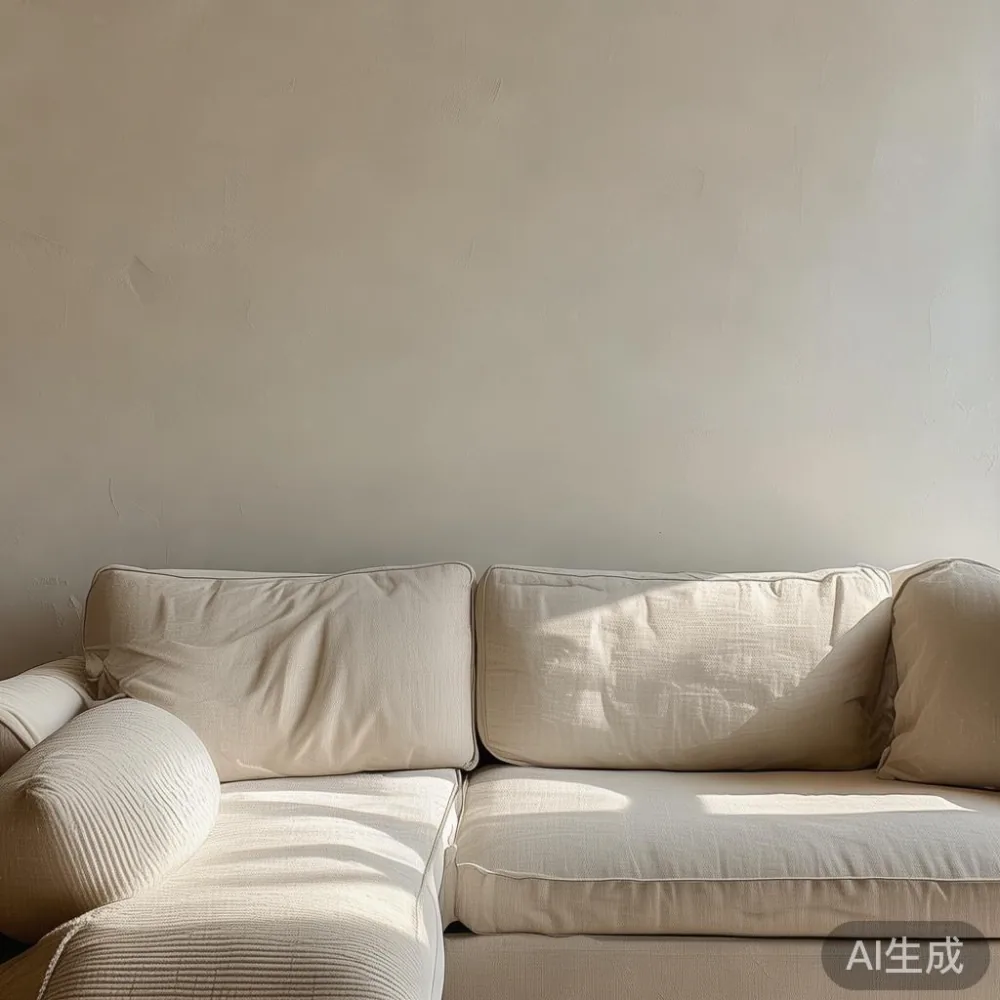
I tested this comparison last month at a MIDHILL showroom, measuring sample panels, checking drawer and frame joints, and comparing two chaise lounge constructions. One used veneered hardwood over an engineered substrate; the other used kiln-dried solid hardwood. The aim was not to declare one material universally superior, but to build a realistic 5-year budget for Singapore owners furnishing HDB flats and condos in Tampines, Bedok, and Punggol.
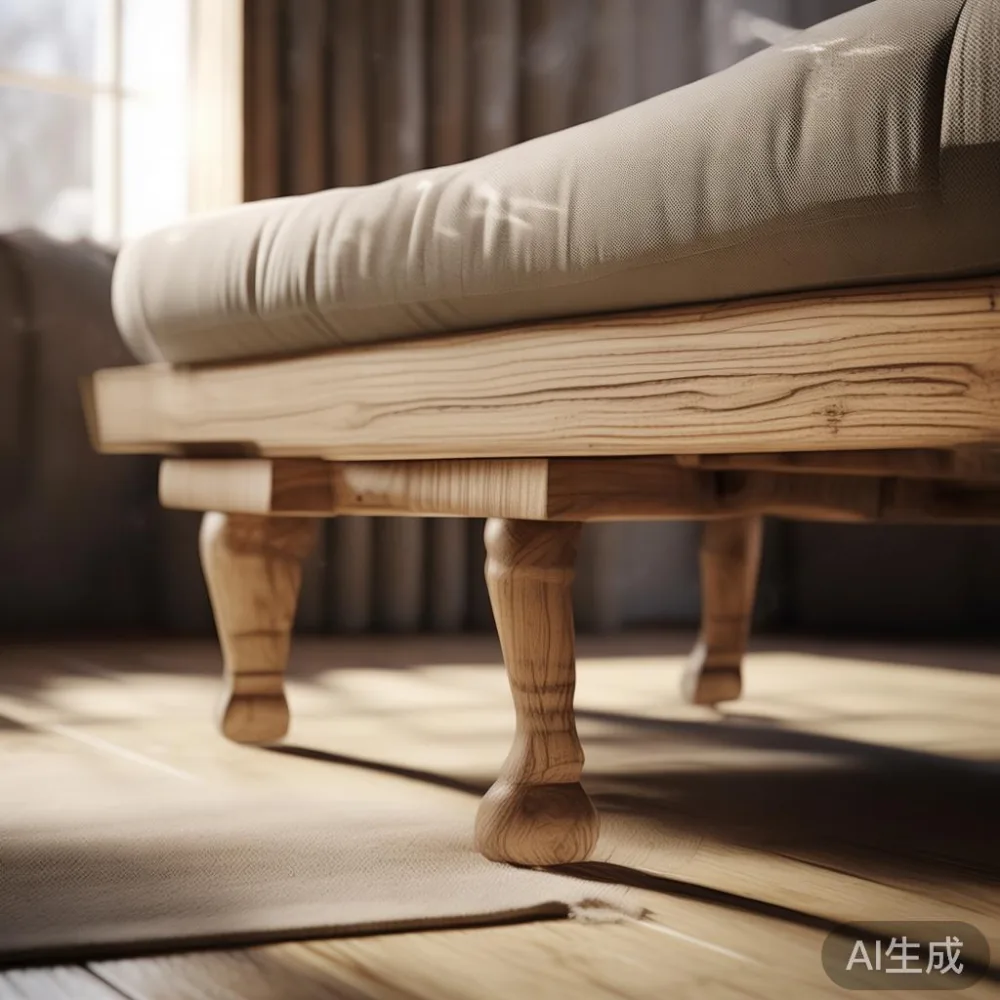
For clarity, a veneer is a thin layer of real timber, commonly about 0.6 mm, bonded to a stable core such as plywood or MDF. Solid wood uses the timber itself through the visible components, although a frame may still include plywood, metal springs, foam, and fabric. A practical comparison therefore needs identical dimensions and specifications, not just two photographs.
What should a 5-year chaise lounge comparison include?
A useful 5-year chaise lounge comparison includes the initial item price, GST, delivery, installation, expected cleaning, repair, refinishing, and resale or disposal value. It should also record the dimensions and weight because those affect access through Singapore lifts and corridors. A 185 cm chaise lounge with a 78 cm width can fit many HDB lift cars when turned diagonally, but a 210 cm model may not. A 42 kg chaise lounge is manageable for two people; an 88 kg timber version may require three or a professional mover.
For a fair comparison, I used a 190 × 78 × 82 cm chaise lounge with a 3-seat equivalent body and a matching finish. The veneer model weighed 48 kg and cost SGD 1,680 before GST. The solid-wood model weighed 76 kg and cost SGD 2,680 before GST. Both figures include the same cushion specification and an oak-toned finish.
Singapore GST is currently 9%. The veneer chaise lounge therefore costs SGD 1,831.20 including GST, while the solid-wood version costs SGD 2,921.20. That is an initial difference of SGD 1,090, or about 59.5% of the veneer item's GST-inclusive price.
How does solid wood usually perform over 5 years?
Solid wood expands and contracts more visibly as humidity changes, but it can usually be sanded and refinished when the surface is scratched. Veneer resists some dimensional movement because its substrate is engineered, yet the 0.6 mm face layer can chip, peel, or expose the core after a sharp impact. Neither material should be placed directly against a wet bathroom wall or repeatedly exposed to Singapore sunlight and rain on an open balcony.
Over a controlled 5-year period, assume the veneer chaise lounge receives one minor panel repair costing SGD 180 and one partial refinishing service costing SGD 240. Assume the solid-wood chaise lounge receives one sanding-and-recoat service costing SGD 290. A severe timber break is not predictable enough to price as a certainty; it belongs in a separate stress-test scenario rather than the normal budget.
This creates a useful distinction between construction and appearance. Solid wood can tolerate surface restoration, while good veneered furniture can offer excellent visual consistency at a lower weight. The correct choice depends on the user's tolerance for movement marks, repair cost, and weight—not on a claim that one surface automatically lasts longer.
Is veneer cheaper across a full 5 years in Singapore?
For the tested chaise lounge, veneer remains cheaper over 5 years under the normal-use scenario. Here is the calculation before GST:
Veneer chaise lounge: SGD 1,680 purchase + SGD 80 delivery + SGD 180 repair + SGD 240 refinishing = SGD 2,180. Adding 9% GST produces SGD 2,376.20.
Solid-wood chaise lounge: SGD 2,680 purchase + SGD 140 heavier-item delivery + SGD 290 refinishing = SGD 3,110. Adding 9% GST produces SGD 3,389.90.
The projected 5-year difference is SGD 1,013.70. Put differently, the solid-wood option costs about SGD 202.74 more per year across the full period. This is the difference between paying a premium once and spreading it across 5 years of ownership.
Delivery deserves closer attention in a Singapore context. A standard HDB block near Tampines may have a lift car measuring about 110 cm wide and 140 cm deep, with corridor sections around 120–150 cm wide. A 190 cm chaise lounge cannot travel upright inside a conventional lift, so it may be tilted diagonally or carried up a staircase. A condo corridor may be wider, yet the turning radius at the lobby still matters. Allow 3–7 delivery days for ordinary in-stock Singapore orders and 10–18 days for made-to-order pieces. One-piece solid-wood chaise lounges are harder to manoeuvre and may add SGD 60–180 in delivery labour.
Access planning should happen before payment. Measure the lift door, lift car, landing, corridor, staircase, and final room opening. Add at least 5 cm clearance around the item during movement. If the lift has a 90 cm door and the chaise lounge is 78 cm wide, there is little room for hands or turning angles; a modular solid-wood frame can be a better practical choice than a single heavy section.
Which construction is easier to maintain around a condo?
In a condo lounge, veneer can be easier to move because its 48 kg sample weight was 28 kg below the solid-wood version. Frequent rearranging, cleaning beneath the chaise, and changing its position beside a window all favour manageable weight. The same core construction is used in many sofa beds, dining table tops, and wardrobes, but the finishing method still matters.
Solid wood demands a controlled finish schedule. Clean it with a damp cloth, dry it within 20 minutes, and avoid silicone-based sprays. A lacquered surface may be wiped more quickly, although aggressive solvent cleaners can soften it. Veneer should be dusted with a soft cloth and kept away from steam vents, damp recesses, and direct contact with water.
Consider edge treatment as carefully as the face. A solid-wood rail with a rounded edge may withstand knocks better than a sharp veneered edge, while a well-bonded plywood core can provide stability for a broad chaise lounge seat. Ask the supplier how the face veneer is cut, whether the edges are solid strips, and how many times the product was finished. A 5-year warranty on structure does not necessarily include veneer peeling or surface scratches, so the finish terms must be checked separately.
MIDHILL states that its furniture carries a 10-year structural warranty and lifetime refinishing. I would still confirm whether lifetime refinishing applies to this chaise lounge's exact finish, what labour is included, and whether return freight is charged. It is also sensible to photograph the delivered item on day one and retain the invoice, finish code, and care instructions.
What happens if the chaise lounge suffers major damage?
Major damage changes the arithmetic. Assume the veneer version suffers a deep chip across a 20 × 8 cm area, requiring a replacement panel and recolouring at SGD 520. Assume the solid-wood version suffers the equivalent local gouge, requiring splice-and-repair work at SGD 430. The solid-wood repair is cheaper here because sanding does not risk cutting through a thin face layer.
Under that single-repair scenario, the veneer chaise lounge reaches SGD 2,716.20 including GST over 5 years, while the solid-wood version reaches SGD 3,529.90. The difference falls to SGD 813.70.
Now assume a more serious event: water reaches the substrate, causing swelling, delamination, or mould. A full replacement of the affected veneer seat frame might cost SGD 1,180 after GST, taking the total to SGD 3,376.20. A solid-wood frame repair might cost SGD 880, taking the total to SGD 3,979.90. The solid-wood piece would be SGD 603.70 more expensive in that scenario.
These figures are estimates rather than quotations. Actual work depends on access, moisture extent, matching of grain and colour, and whether replacement parts are available. In Singapore, prolonged condensation from an air-conditioner vent or a leak near an HDB balcony can make finish maintenance more important than the furniture's core material.
How do style and resale expectations affect the 5-year value?
A chaise lounge often anchors a living room, so its finish should complement the home rather than compete with it. French light luxury works well with curved arms, a 190–205 cm length, warm oak, and cream or taupe upholstery. Post-modern light luxury can pair a straight-edged chaise lounge with rounded cushions and brass-tone details. If your main seating is a Japandi sofa, there are practical guides to how to style Japandi sofa in room, and the same low-profile palette can be carried into a matching chaise lounge.
Solid timber often appeals to buyers who expect to restore rather than replace a piece. That can preserve value after 5 years if the frame remains sound and refinishing is available. Veneer can hold a uniform appearance and may make a coordinated sofa, bed frame, dining table, wardrobe, or nightstand set easier to purchase consistently. Its outcome depends more on chip resistance and colour matching after repair.
For an apartment with limited storage, a modular chaise lounge is sensible. A seat section of 120 cm can be paired with a 70 cm section, allowing each component to pass through a narrower lift. The combined length may be 190 cm, and separate construction can reduce the need for a full replacement if one module is damaged. Compare that modularity against the solid-wood version's likely longevity before focusing only on the veneer face.
Buyers comparing broader seating systems may also research European light luxury sofa vs Mid-century modern sofa. A tapered solid-wood frame can suit both styles, whereas a veneered frame may be more practical when moving between a Tampines HDB flat and a Bedok rental.
Is solid wood worth the higher 5-year cost for a chaise lounge?
The answer depends on the chaise lounge's role. Solid wood is financially harder to justify as a low-use decorative seat if the buyer expects to replace it within 5 years. It is more defensible as a daily-use centrepiece in a primary bedroom or living room, especially where children, pets, or frequent guests create a greater chance of knocks and where refinishing access matters.
Veneer offers the stronger ownership case when the priority is a controlled budget, consistent appearance, and easier handling in Singapore's constrained access routes. The tested example projects a saving of SGD 1,013.70 over 5 years under normal use. That saving is enough to cover a new cushion, a rug, or delivery to a second home.
Solid wood becomes more attractive when repairability, visible grain variation, and long-term restoration carry equal weight to initial cost. It also suits buyers who want the piece to remain visually substantial rather than dependent on a perfect veneer edge. If the chaise lounge will carry a marble table nearby, use coasters and stable pads; marble and timber are both vulnerable to concentrated weight and water rings.
What should you check before ordering?
Ask for the full material breakdown rather than accepting “wood” as sufficient information. Specify the timber species, veneer thickness, core material, finish type, joint construction, cushion density, and warranty exclusions. For example, “0.6 mm oak veneer on 18 mm plywood with solid-wood edge strips” communicates more than “oak finish on quality board.”
Check the actual sample door, not just the showroom floor. Sit for 15 minutes, test the chaise extension, and look for daylight gaps. Confirm that the packaging can be removed without forcing the piece through a corridor. Delivery over US$350 is mentioned for international orders, but Singapore freight and lift charges should still be confirmed in writing.
For a coordinated home, explore the MIDHILL dining table, then compare grain and colour with the intended chaise lounge. If the room includes an Italian light luxury wardrobe, pale, even finishes can bridge European profiles with a warm solid-wood chaise. A related question is whether is French provincial bed worth it; consider the bed frame's wood construction and refinishing terms before matching its finish to the lounge chair.
Owners arranging a bedroom around the chaise lounge can also use guidance on how to style American wardrobe in room, especially when storage doors and timber tones must work together. Buyers seeking a particular bed can review the MIDHILL European light luxury bed range for scale, finish consistency, and available dimensions.
Across 5 years, veneer is usually the lower-cost route to a polished chaise lounge, while solid wood is the stronger choice when long-term repairability and tactile authenticity justify the premium. Neither saving nor durability should be guessed: obtain the final specifications, measure every access point, and compare the total cost against how the seat will actually be used.