How to Choose the Right-Sized Chaise Lounge for a Singapore Living Room
A chaise lounge can turn an awkward corner into a comfortable reading zone, but choosing the wrong size can block a corridor, crowd the dining area, or make a compact HDB flat feel permanently congested. In Singapore, measurements should begin with the room, continue through the lift and stairwell, and end with the way you actually sit. A polished design is less useful if you cannot move it into the home or clear its delivery path.
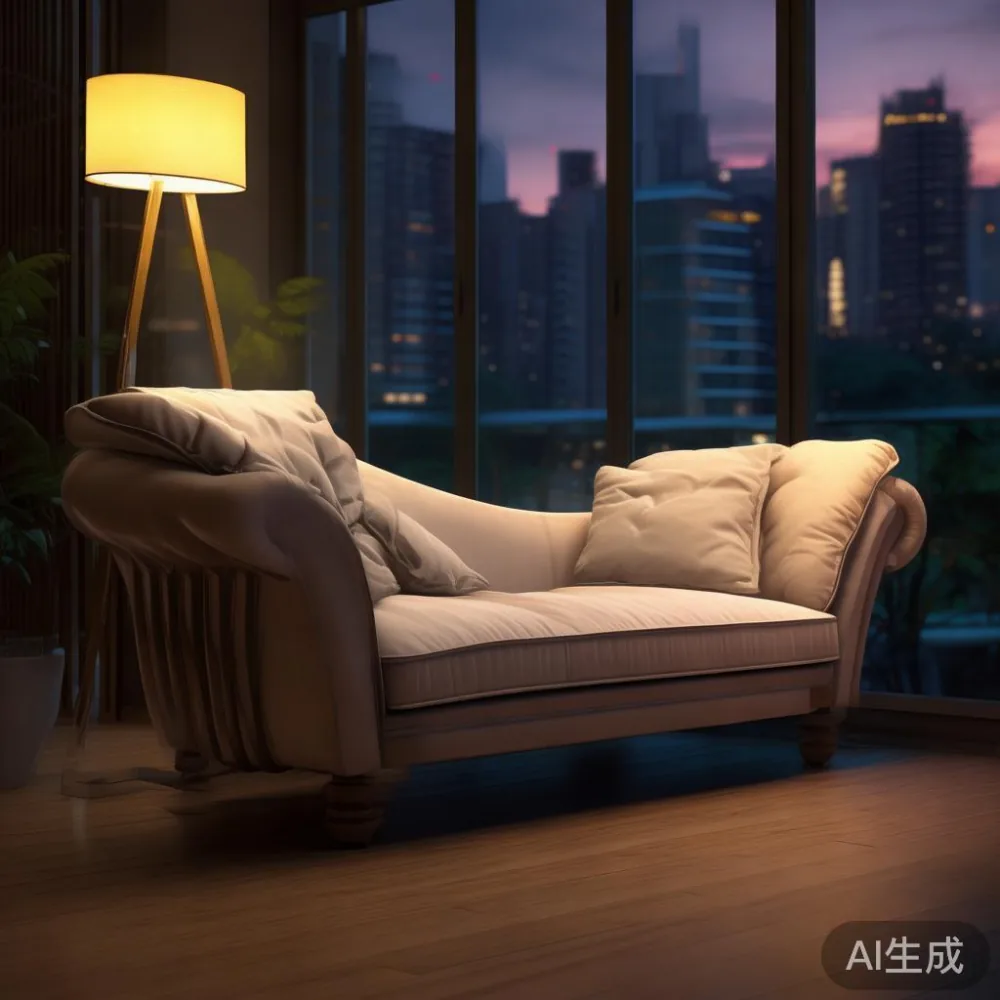
This guide uses typical layouts found in Tampines, Bedok, and Punggol as practical reference points. It also applies to many condos where the living room is generous but the lift, corridor, or turning radius still imposes limits.
What size should a chaise lounge be for a 3-room HDB flat?
For many 3-room HDB flats, a chaise lounge around 160–180 cm long, 75–85 cm wide, and 78–85 cm high is easier to live with than an oversized model. You need enough length to support the legs, enough width for a stable seat, and enough clearance to walk around it. A chaise lounge that is 210 cm long may look handsome in a showroom but can dominate a 3.2-by-4.5 m living room once coffee-table and dining circulation are considered.
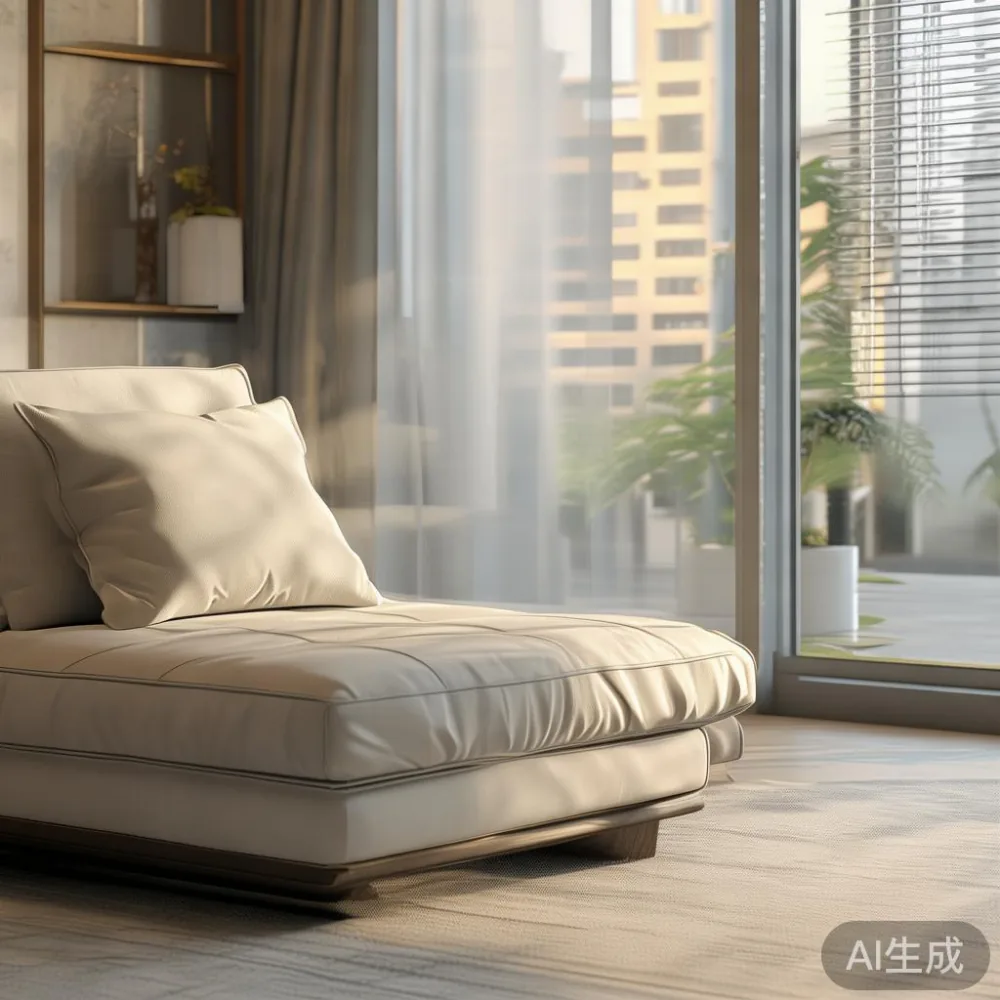
Measure the usable floor area, not merely the wall length. Leave at least 75–90 cm beside the main seat and around 60–75 cm at the foot for normal movement. If the chaise lounge faces a television, maintain a practical viewing distance of roughly 180–250 cm, adjusted for the screen size and your seating habits. Keep at least 90 cm between the chaise and a dining table where possible, especially if the dining zone shares the same open-plan space.
Do not assume that a compact room needs a very small chaise lounge. A poorly scaled 130 cm model may feel cramped, while a balanced 170 cm version can look more generous. The right proportion usually comes from a slim arm, a controlled seat depth of about 55–62 cm, and a back height near 80 cm. For a long reclining position, test the mechanism before purchase and confirm the fully extended depth.
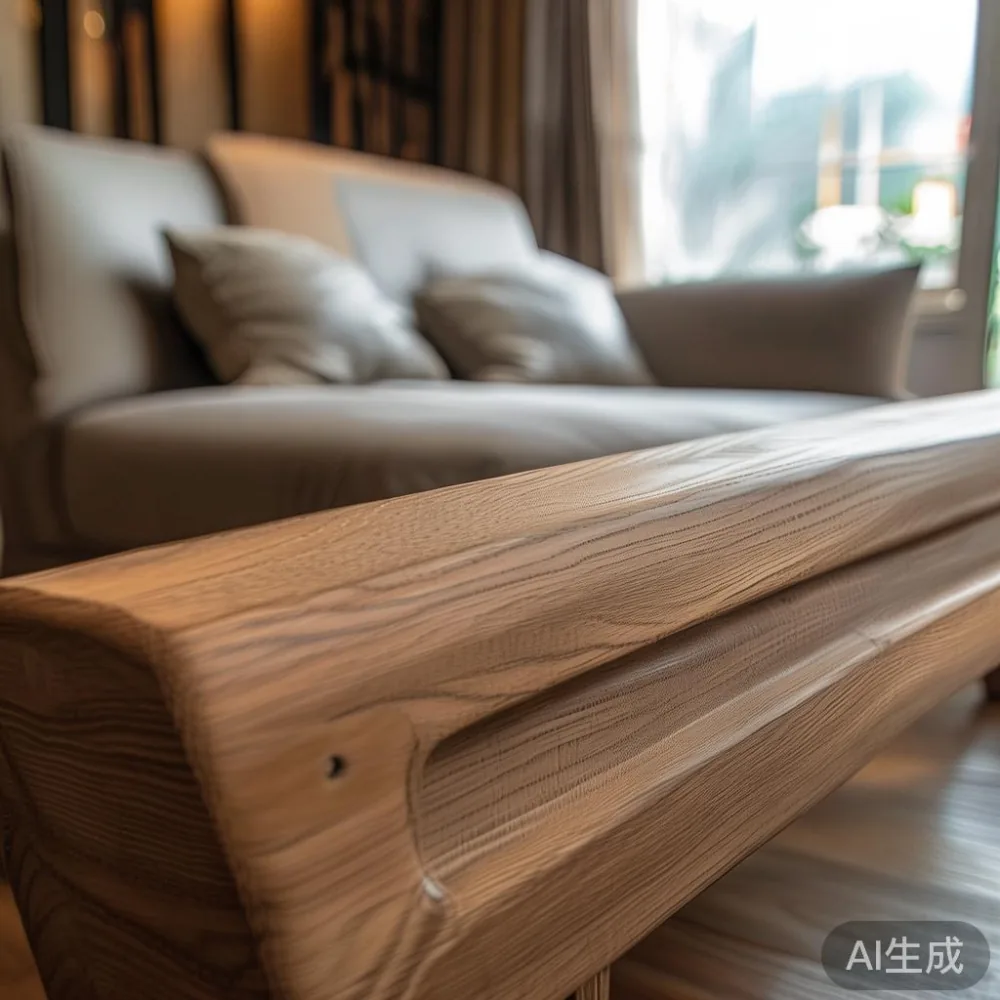
How wide is a typical HDB lift, and can a chaise lounge fit through it?
<Singapore block access varies by age, refurbishment, and building type, so the lift plate and door dimensions should be checked with the property office. A common service-lift opening is about 90–100 cm wide and 200–210 cm high, while the lift car itself may be around 110–140 cm wide and 210–240 cm deep. These are planning figures, not guarantees. Older blocks may have narrower doors, tight corners, or a staircase that is more restrictive than the lift.
Measure the narrowest point along the route: unit door, lift door, lift car, corridor turns, and any threshold. A chaise lounge should ideally enter as a removable or modular piece, with each section no more than the narrowest accessible width. A 175 cm chaise may require diagonal positioning, but a deep or high-backed design can fail at the first turn. Ask for the packed dimensions, weight, number of cartons, and whether the legs detach.
For a condo, the concierge or managing agent can usually confirm freight-lift dimensions and delivery rules. Leave 30–60 cm of maneuvering space where possible. If a sofa, bed frame, or dining table is being delivered at the same time, schedule separate delivery windows rather than stacking large furniture in a shared corridor.
Which chaise lounge style suits a Singapore living room?
French light luxury works well when the room needs a refined focal point without heavy visual weight. Look for curved edges, pale upholstery, slim legs, and a chaise lounge with a restrained profile. American light luxury often suits a larger family room because it combines deeper seating with generous cushions and a relaxed silhouette. Post-modern light luxury can be effective in a condo with strong lines, using a geometric chaise lounge, clean upholstery, and minimal decoration.
Scandinavian for small living room styling is useful for HDB interiors with pale walls and limited storage. Choose a chaise lounge with a light frame, straight arms, and a seat that does not project excessively into the walking route. If you are comparing finishes, consider how the piece relates to a solid wood sofa, bed frame, dining table, wardrobe, or nightstand. Matching wood tones across the room often creates more continuity than filling every surface with separate statement pieces.
For a guest room, European light luxury for guest room planning should keep the chaise secondary to the sleeping function. A 155–170 cm chaise with a low back can serve as a reading seat, but avoid a fully extended version if the door opens inward. For a living room, allow the chaise to face the main seating group rather than sit isolated like a daybed.
If you are building a complete scheme, researching top 10 European light luxury furniture ideas can help with finish selection, but scale remains more important than a trend label. A marble table should not sit directly beside the chaise unless there is at least 45–60 cm of circulation space. Leave room for a side table, a 35–45 cm lamp, or a narrow tray within reach without making the seat feel crowded.
What clearance should remain around the chaise lounge?
Clearance is where many showroom decisions fail. Plan at least 60 cm for occasional passage, 75–90 cm for everyday walking, and 90–120 cm near a doorway, balcony threshold, or dining zone. These figures are not fixed rules: a home with young children may need more open floor area, while a quiet corner used only by one adult can work with less.
Sketch the room on graph paper or use a scale drawing on your phone. Draw the actual chaise dimensions, including the extended footrest. Then add the coffee table, television console, dining chairs, and circulation paths. A 170-by-85 cm chaise may look modest on a furniture website yet consume a large amount of usable space once it is angled toward a window.
Consider where people sit. A chaise lounge against a window may block curtains and make cleaning difficult. Positioned beside a wall, it can preserve openness, but leave access to electrical points, air-conditioning vents, and balcony doors. In Bedok or Tampines homes with long rectangular living rooms, place the chaise parallel to the long wall when possible. In a Punggol unit with a more open kitchen-living arrangement, use the chaise to define the television zone rather than placing it between the entrance and kitchen.
One useful method is to tape the footprint on the floor with painter’s tape. Stay within it for 2–3 days. If you repeatedly step over the boundary, reduce the width or change the angle. If the seat feels too far from the conversation area, move it gradually rather than squeezing in another piece.
How do I check comfort before buying?
Comfort depends on seat height, depth, support, and the angle of the back. A seat height of 40–45 cm is generally easier for many adults to rise from than a very low design. A seat depth around 55–60 cm supports the thighs without pushing the user forward. For a chaise lounge intended for long reading, test whether the back supports the shoulders and whether the leg section supports the calves without forcing the feet upward.
Sit for at least 10 minutes in the intended position. Check your knees, shoulders, and lower back. If you plan to nap, test the full recline and listen for movement in the frame. A solid wood frame can provide stability, but the joint design and finish still matter. Ask whether the seat is upholstered in fabric, leather, or a performance material suited to Singapore humidity.
Last month I visited a client’s 4-room HDB flat in Tampines with a narrow corridor near the lift. The client had assumed a 200 cm chaise lounge would fit because the living room looked large from the entrance. We measured the route and found that the lift turn required the chaise to be separated into two sections. The delivered piece was 175 cm long, 82 cm wide, and 19 kg for the main body, with removable legs. It cleared the corridor and still gave a comfortable reclined position. The lesson was simple: route measurements changed the buying decision.
How much should a solid wood chaise lounge cost in Singapore?
Price depends on frame material, upholstery, mechanism, dimensions, and finish. A compact solid wood chaise lounge in Singapore may range from about SGD 1,200 to SGD 3,500, while a hand-finished or more complex version can reach SGD 4,000–SGD 6,500. A fully reclining electric model may cost more and require a nearby power outlet. Treat the listed price as a starting point, then compare the specification rather than relying on a headline figure.
For buyers watching their renovation budget, under 2000 Modern furniture can be a sensible search range for a smaller chaise lounge, but verify whether the frame is solid wood or veneered, whether the upholstery is removable, and whether the manufacturer offers repairable components. Singapore prices usually show GST for consumer purchases. If a seller presents an ex-GST figure, confirm the final amount before payment.
Ask about delivery days, installation, and access charges. A Singapore supplier may quote 7–14 delivery days for an in-stock configuration and 30–60 days for a made-to-order finish. These ranges should be confirmed in writing. A 10-year structural warranty can provide useful reassurance, but the warranty terms should distinguish frame defects from ordinary wear, upholstery variation, and accidental damage.
For comparison, if the chaise lounge is intended to coordinate with a dining table or bed frame, request finish samples. A satin oak tone may suit a Japandi room, while a darker walnut tone can support European light styling. If you want to know how to style European light luxury sofa in apartment spaces, place the chaise and sofa within the same visual zone, then vary the cushions rather than mixing too many unrelated finishes.
How should a chaise lounge work with a small apartment layout?
A small living room often benefits from a chaise lounge that has visual lightness. Choose arms no thicker than 12–18 cm where possible, legs that raise the frame visually, and a back that does not block a window. A single chaise lounge can replace a separate armchair and create a defined reading area, but it should not force the main sofa into a crowded corner.
For a 3-room flat, the layout may include a sofa, television console, dining table, and coffee table in one room. Keep the longest uninterrupted walking route open, ideally at least 90 cm from the entrance toward the balcony or kitchen. If the dining table is 140–160 cm long, allow roughly 75–90 cm from each occupied chair to nearby furniture. The chaise lounge should not become an obstacle at the start or end of that route.
Storage matters too. Choose a chaise with a lift-up seat or a nearby slim console only if you can access them without scraping the floor. A 30–40 cm gap between the chaise and a wall may be enough for a narrow tray, but avoid placing fragile objects where someone stretching their legs can knock them down. For a family home, rounded corners and washable covers may be more practical than a very low, sharply edged profile.
If you enjoy Japandi styling, searching how to style Japandi sofa in room layouts can help you balance wood, fabric, and empty space. Pair the sofa with pale walls, a plain rug, and one low cabinet. Keep the palette to 3 main colours, such as warm white, light oak, and muted beige. A marble table can add contrast, but its hard surface should be visually separated from the upholstered chaise by a rug or different zone.
What should I confirm before delivery?
Before placing an order, obtain the final dimensions, weight, floor clearance, and packed carton measurements. Check whether the chaise lounge arrives assembled or requires simple leg attachment. Photograph the lift, corridor, door, and turning points. Measure again shortly before delivery, since renovations, shoe racks, or management notices can change the available route.
Confirm the delivery window in days, the person who must receive it, and whether stairs or a service lift surcharge applies. Ask for protection that will not damage door frames or corridor walls. In a condo, concierge booking rules may require the delivery to occur during specific hours. In an HDB block, a resident may need to reserve the service lift and keep the route clear.
Check the solid wood species, frame joints, finish, upholstery composition, cushion density, and warranty exclusions. Request care instructions for humid conditions. Singapore’s year-round humidity can affect untreated wood, leather, and certain fabrics, so a good protective finish and regular dusting are necessary. Test the mechanism several times on arrival and report any transit damage through the supplier’s process.
A practical purchase is one that fits the route, leaves enough movement space, supports the intended posture, and fits the room’s visual character. Measure twice, compare the full specification, and keep the chaise lounge in proportion with the solid wood furniture around it. That balance makes a small HDB living room feel considered rather than crowded.