How to Match a Chaise Lounge to a Warm Minimal Interior
A chaise lounge can make a compact Singapore apartment feel composed rather than crowded, provided its scale, material and colour are handled with care. Warm minimalism is not an empty room: it is a measured collection of solid wood forms, tactile textiles, pale walls and a few objects that create visual breathing space. In HDB flats around Tampines, Bedok and Punggol, the difference between a comfortable reading corner and a blocked corridor often comes down to a few centimetres.
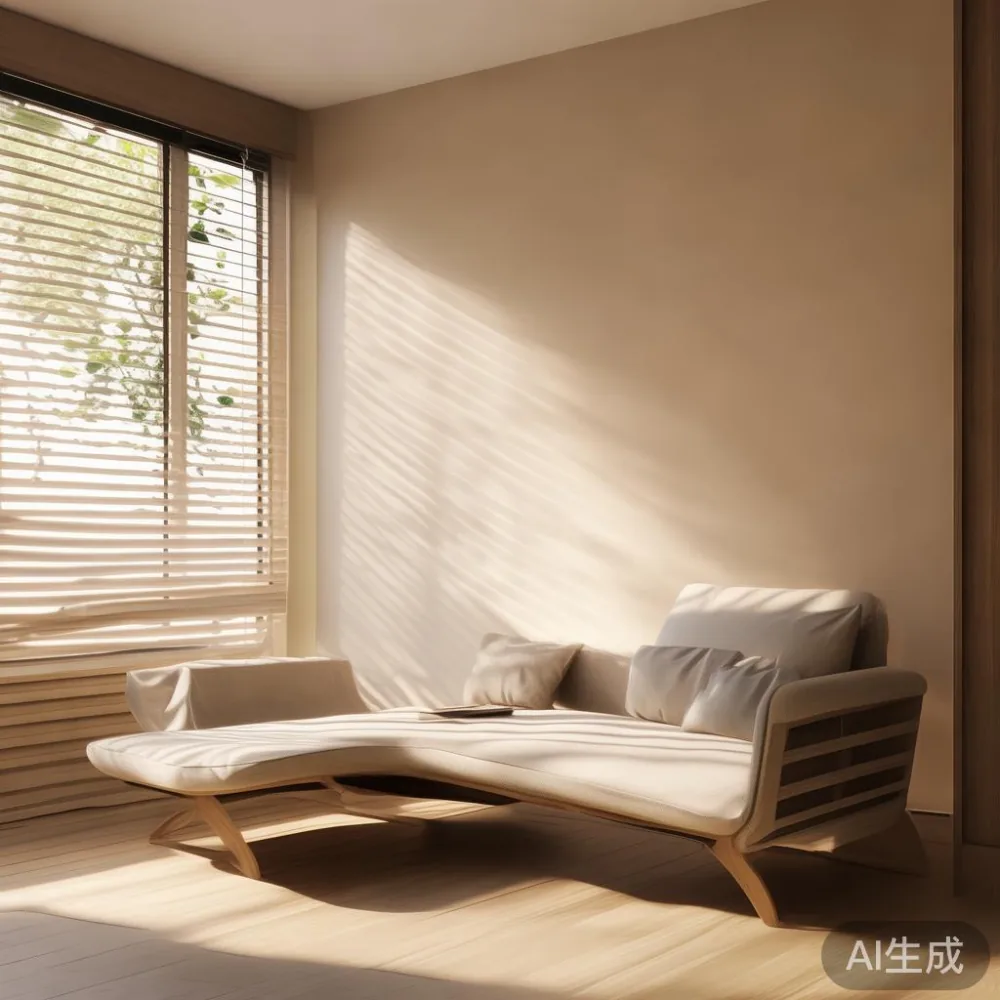
The most useful starting point is the chaise lounge itself. A full-length model may measure 190–220 cm long and 75–90 cm wide, while a compact apartment chaise is usually 150–180 cm long and 65–80 cm wide. Allow at least 75–90 cm of clear circulation space along the main side. Before buying, check the lift door, lift interior and corridor turns; a 70 cm wide corridor can make a 90 cm wide chaise impossible to manoeuvre even when it fits through the front door.
MIDHILL designs solid wood furniture with this practical balance in mind. Founded in Foshan in 2008 and exporting to more than 15 countries, the company offers a 10-year structural warranty and lifetime refinishing. For Singapore homes, delivery commonly takes 7–14 days after production, and orders over SGD 350 qualify for free shipping. A 14-day return policy gives buyers time to assess daylight, proportions and comfort at home.
What makes a warm minimal interior feel welcoming?
Warm minimalism uses restraint without feeling clinical. Choose a base of warm white, oatmeal, sand, pale greige or light timber, then add small areas of deeper colour through cushions, a rug, art or a lamp. A wall in warm white can visually expand a 28–35 sqm living room, while a solid oak or ash feature surface brings warmth that cool white laminate alone cannot provide.
Limit the main palette to 3 colours and 2 major textures. For example, use warm white walls, light oak furniture and muted olive textiles, with black metal appearing only in a lamp or tray. Keep visual contrast controlled: the chaise lounge should relate to the bed frame or dining table, rather than compete with every object in the room.
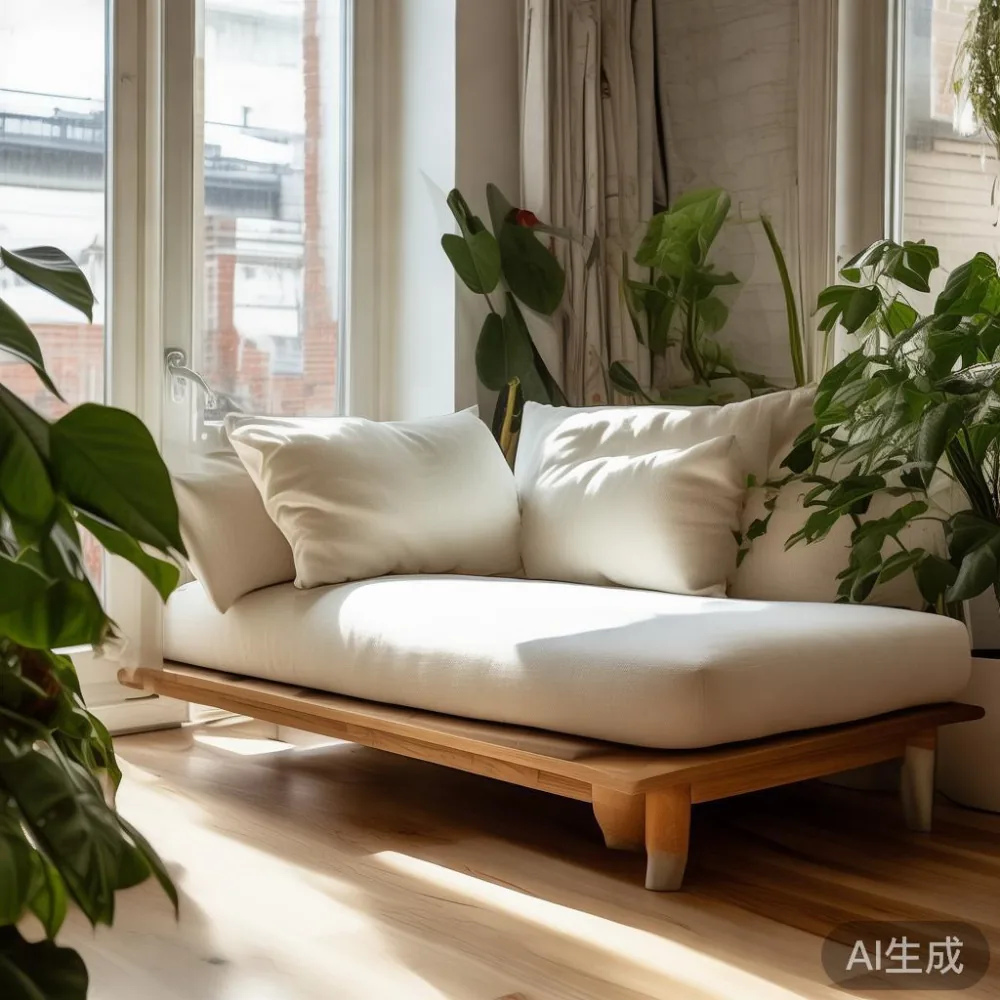
Natural light matters just as much as colour. Place the chaise near, but not directly against, a window with direct glare from a west-facing condo window. In a Tampines HDB flat, sheer curtains can diffuse strong afternoon sun while preserving privacy. Use a rug with a low pile, around 160 × 230 cm for a compact seating arrangement, and keep its edge visible by 15–30 cm where space permits.
How do I choose a chaise lounge for a small Singapore apartment?
Measure the room twice, including the ceiling height, skirting and any air-conditioning ledge. Leave 60 cm for a side table and 90 cm for a walking route. A chaise with a firm rectangular seat, low back and tapered legs will occupy less visual space than a deep, tufted model. Check the seat height too: 40–45 cm suits most adults and makes the piece easier to rise from, while a 38–42 cm height can feel more relaxed.
For a Punggol or Bedok condo, an L-shaped chaise may work in a living room but can be awkward in a narrow bedroom. A straight chaise is usually easier to rotate through a lift and corridor. Confirm that the packaged width is below the lift door width; the actual frame may fit, while the carton may not. Record the delivery route from the void deck to the unit, especially if the lift turns sharply.
Choose a neutral upholstered seat such as oatmeal, mushroom or warm grey. A light fabric shows dust more readily, so ask for removable covers or plan for professional cleaning. If the chaise is paired with a solid wood sofa, matching the wood tone creates continuity. If the sofa is upholstered, select a chaise with a wood base or visible legs rather than introducing a different wood colour.
The goal is not simply to fill a corner. The chaise lounge should support one clear activity, such as reading, working on a laptop or resting with a cup of tea. A small side table within 30–45 cm of the front edge keeps objects reachable without requiring a person to stretch across the seat.
Which wood tones work with warm minimal walls?
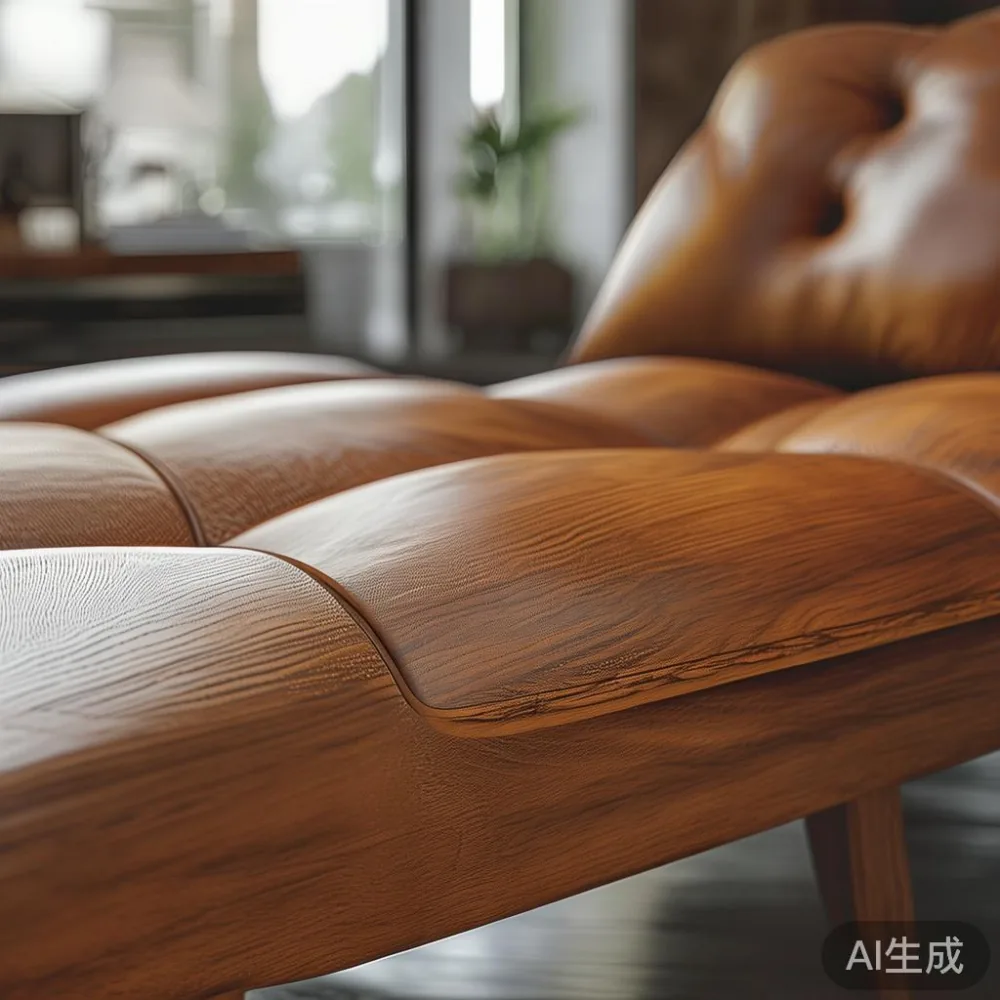
Light oak and natural ash are forgiving choices for warm minimal interiors because their fine grain adds texture without strong visual lines. Walnut can provide contrast, but it is better used as a controlled accent through a bed frame, nightstand or dining table rather than making every large furniture piece dark. If the floor is laminate with a honey or golden tone, choose pale ash or light oak to avoid a yellow cast.
A practical test is to place samples against the wall at different times of day. Warm white paint may look cream near an evening lamp, while a cool grey wall can make pale wood appear slightly dull. Compare 3 finishes—matte, satin and natural oil—although the finish should not be judged under showroom lighting alone. Singapore’s humidity can affect how untreated timber responds, so stable solid wood construction and proper care instructions matter.
Keep legs slim and straight, around 4–6 cm in visual thickness, to preserve the airy quality associated with French light luxury or post-modern light luxury design. Avoid overly ornate carving if the room already contains patterned cushions or detailed lighting. One curved edge or one upholstered surface can provide softness; several decorative features can make a compact room feel busy.
A marble table can work here, provided it remains small. A 60–80 cm round or 90–120 cm oval marble table introduces a cool, mineral texture against oak, but it needs balance from a solid wood dining table or wood-toned side table nearby. Use 1 marble surface rather than 2 competing pale stone surfaces, and check whether the marble is sealed for everyday food and drink use.
How should I compare a European sofa vs Japandi sofa for a chaise?
When comparing a European sofa vs Japanski sofa, look at the proportions, arm profile and level of visual detail. A European-style sofa often has a broader silhouette, deeper seat or more tailored appearance, which can pair well with a slim chaise if both share the same upholstery colour. A Japandi-style sofa tends to use simple lines, lower profiles and visible wood, creating a quieter transition to an oak or ash chaise.
For a 3.5–4.5 m living room wall, a sofa around 180–220 cm wide can sit behind a chaise without blocking a window. In a smaller room, choose a 150–180 cm sofa and a chaise no longer than 160–180 cm. Avoid placing both pieces tightly against the wall; a 10–15 cm gap behind a low-backed sofa can make cleaning easier and let daylight travel across the floor.
Use one consistent material story: solid wood sofa with oak legs, a wood bed frame in the same finish, and a marble table with a simple white or pale grey top. If the sofa is fabric upholstered, the chaise can repeat that fabric for a unified appearance. If the sofa is already patterned, keep the chaise plain.
The chaise should not become an accidental second sofa. Keep at least 45–60 cm between the chaise arm and the main sofa arm if they face one another, and maintain a clear 75 cm route from the entrance. This arrangement supports conversation and prevents the room from feeling like a showroom arrangement assembled for scale rather than use.
What should I consider when choosing European bed and bed frame options?
Bed choice affects the entire room before the chaise is placed. A queen bed measures approximately 150 × 200 cm in Singapore, while a king bed measures 180 × 200 cm. A European bed may use a more architectural headboard, while a French provincial bed often introduces curved lines, carved details or a more decorative silhouette. The comparison European bed vs French provincial bed is useful because visual weight differs even when the mattress dimensions are identical.
For warm minimal interiors, a European-style bed frame with a plain upholstered or timber headboard is usually easier to control. Keep the headboard below 110 cm if the room is narrow and the ceiling is 260 cm. A low frame also leaves space for a nightstand and allows a soft lamp to create a warm pool of light.
One concise guide is how to choose European bed: measure the mattress first, compare the frame’s external dimensions, inspect the headboard clearance, and check whether the bed can be assembled inside the bedroom rather than only inside the living room. The same process applies to how to choose European bed when deciding between a compact single, queen or larger king frame.
Style decisions depend on the degree of ornament. The phrase light luxury bed vs French provincial bed captures the trade-off: light luxury usually favours clean geometry and restrained materials, while French provincial design welcomes more shape and detail. If considering how to style European light luxury bed in apartment, use linen bedding in oatmeal or warm white, one charcoal throw and a wood nightstand rather than adding several patterns.
In a small condo, the bed frame should not compete with a tall wardrobe. Choose a wardrobe in the same light wood family, with flat doors or subtle vertical pulls. A 45–55 cm wide nightstand is enough for a lamp, book and phone, but place it 5–10 cm from the headboard to make the surface easy to reach.
How do I compare a Japanese bed vs Mid-century modern bed?
A Japanese bed vs Mid-century modern bed comparison should begin with function and room dimensions. Japanese-influenced storage beds can include drawers beneath the mattress, useful in a compact HDB bedroom, while Mid-century modern beds often display tapered legs and a lighter floating profile. Both can suit warm minimalism when the wood is matte and the surrounding textiles remain soft.
Allow 60 cm beside a queen bed for one nightstand, or 45–55 cm on a tighter side. The bed should sit at least 5–10 cm away from the side wall where possible, allowing curtains and skirting to remain visible. A low-profile frame visually calms the room, but it should still offer stable support and a mattress height of around 45–55 cm from the floor.
For a Japanese-influenced room, pair the bed with plain cotton bedding, a paper-like lamp shade and a restrained solid wood dining table elsewhere in the home. For a Mid-century modern direction, use a walnut or darker oak bed with one sculptural chair or a small marble table. Do not mix tapered legs, carved furniture, heavy upholstery and many textures in a 30 sqm room.
Lighting should be layered. A ceiling light can provide general illumination, while a bedside lamp at 45–60 cm above the nightstand adds warmth. Check that the lamp shade does not touch the curtain. Warm white light around 2700–3000K works well with oak, cream walls and brass or black accents.
Can I build a complete warm minimal room around one chaise lounge?
A chaise lounge becomes a useful anchor when the other furniture supports its scale and material. Start with the largest surface, usually a dining table or bed frame, then repeat one wood tone through a nightstand, side table or wardrobe. Keep the number of visible objects lower than the number of open surfaces, especially in a compact flat.
A 120–160 cm dining table with 4 chairs can fit a 25–35 sqm open-plan living and dining area, provided the chairs have enough room to pull back. Keep the chaise at least 90 cm from the dining table edge if people use the same circulation path. In a 3-room HDB layout where the living area is narrow, a round 90–110 cm dining table may ease movement compared with a rectangular table.
Use a wardrobe with closed storage to reduce visual noise. A 150–180 cm wide wardrobe may suit a bedroom, but check the door swing and lift route. The same practical measurement applies to every large piece. A solid wood wardrobe can last for many years, yet it should still be delivered with clear packaging, assembly instructions and a realistic delivery estimate.
Decorative restraint does not mean leaving every surface bare. Place 1 tray with 2–3 objects on the nightstand, 1 book beside the chaise and 1 plant near a window. A plant in a 20–30 cm pot can soften the geometry without adding another colour family. Keep cables hidden, cushions aligned and daily items stored so the room returns to its calm composition quickly.
Cost planning should include delivery and assembly, not only the product price. In Singapore, GST is generally displayed separately or included depending on the seller’s pricing format, so compare the final payable amount carefully. A chaise lounge may cost SGD 700–1,800 depending on timber, upholstery and custom dimensions; a smaller solid wood nightstand may add SGD 120–350, while a marble table may range from SGD 500–1,600.
MIDHILL’s Foshan workshop can be a practical reference for buyers comparing custom solid wood furniture with ready-made pieces. Ask for a dimension drawing, timber sample and finish sample before confirming a large order. A delivery window of 7–14 days is useful for planning a condo renovation, but custom pieces may require more time. Confirm the final lead time, lift access, assembly fee and return conditions in writing.
A warm minimal interior works when proportion comes before decoration. Measure the chaise lounge, preserve the route from the lift to the entrance, and repeat one timber tone through the solid wood bed frame, dining table or wardrobe. Add softness through linen, light and 1–2 controlled accent colours. With those decisions made in advance, the chaise lounge becomes a comfortable focal point rather than an obstacle, and the whole room feels calm without appearing empty.