Preserving the Shine: Caring for Your Lacquered Chaise Lounge in Singapore
In the humid embrace of Singapore, where the air is thick with moisture and the sun beats down relentlessly, maintaining the pristine finish of a fine piece of furniture can feel like a delicate dance. For owners of a lacquered chaise lounge, this is a daily reality. The sheen that makes your chaise lounge the centerpiece of your living space is a beautiful but vulnerable surface. Unlike a simple wood stain, lacquer is a high-gloss, multi-layered finish that requires specific care to prevent it from dulling, cracking, or developing the dreaded white haze known as blushing. This guide will walk you through the practical steps to protect your investment, drawing on local conditions and expert advice.
Understanding Your Lacquered Surface: More Than Just a Pretty Finish
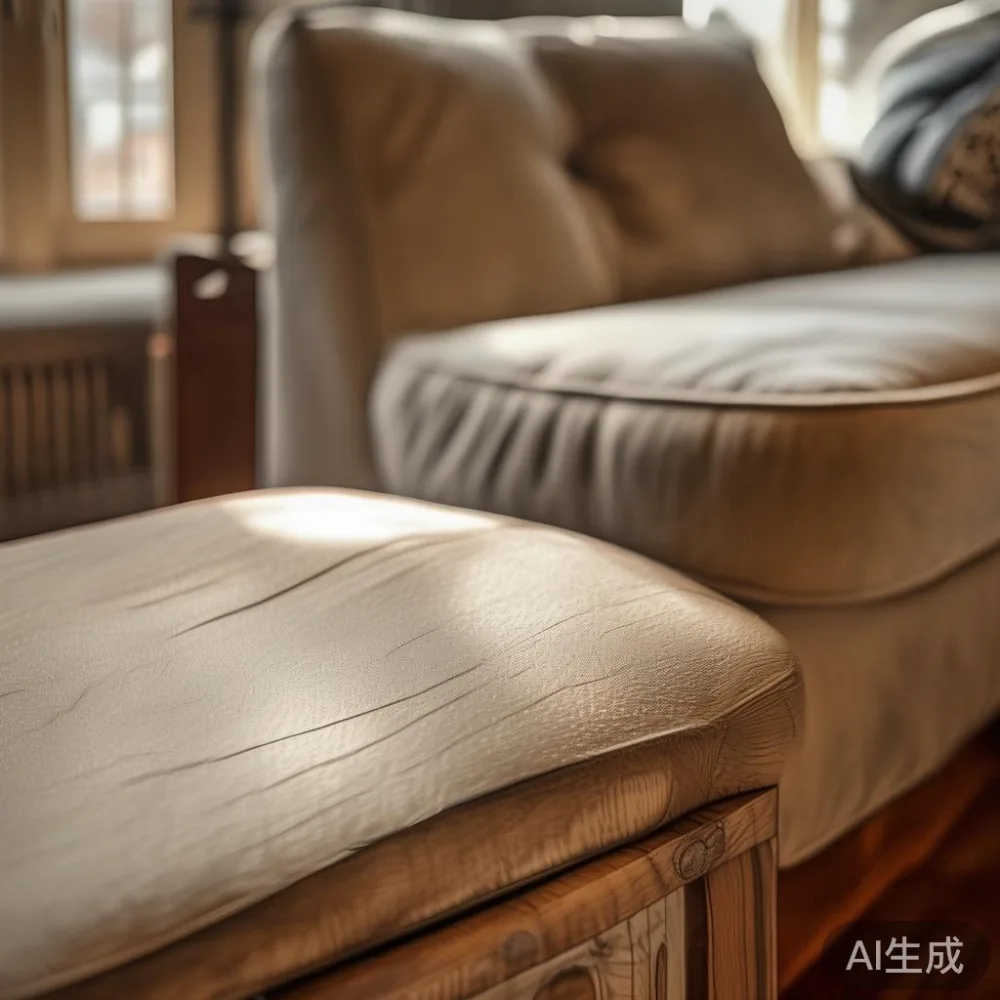
A lacquered chaise lounge is not merely painted; it's a work of craftsmanship. The process involves applying multiple thin layers of a clear, hard resin, often derived from the sap of the Chinese lacquer tree. Each layer is sanded and polished before the next is applied, building up a deep, mirror-like finish that is both durable and exceptionally beautiful. This finish is what gives your chaise lounge its high-end, light-luxury feel, reminiscent of French light luxury design principles where every detail is considered.
However, this beauty comes with a vulnerability. Lacquer is sensitive to changes in temperature and humidity. In Singapore, where the relative humidity can hover between 70% and 90% for much of the year, the wood underneath the lacquer can absorb moisture. When the air-conditioning is switched on, the surface of the wood cools rapidly, causing the moisture trapped within to be drawn to the surface. This condensation, trapped under the non-porous lacquer layer, manifests as white, cloudy spots or a milky film—a condition known as blushing. Understanding this science is the first step in preventing it. A colleague of mine in our Singapore showroom recently had to explain this to a customer in Tampines whose new chaise lounge had developed a small patch of blushing after a particularly humid week. The key takeaway is that prevention is far easier than correction.
Is It Safe to Use Any Furniture Polish on My Lacquered Chaise Lounge?
This is a common and critical question. The answer is a firm no. Standard furniture polishes, especially those containing silicone or waxes, are the enemy of a lacquered finish. These products create a temporary shine but do so by leaving a greasy film on the surface. Over time, this film builds up, attracting dust and creating a dull, hazy appearance that is impossible to remove with regular cleaning. It can also interfere with the lacquer's ability to breathe, trapping moisture and increasing the risk of long-term damage.
The correct approach is to use a product specifically designed for lacquer or high-gloss surfaces. These are typically pH-neutral cleaners that gently lift away dust and fingerprints without stripping the protective layers. For a DIY solution, a mixture of one part distilled white vinegar to ten parts water can be effective, but it must be used with extreme caution. Always test any cleaning solution on a small, inconspicuous area first, such as the underside of the chaise lounge's armrest, and never apply it directly. Instead, dampen a soft, lint-free cloth with the solution and wring it out until it is almost dry. Wipe the surface gently in a circular motion, following the grain, and immediately buff with a separate, dry, microfiber cloth to restore the shine. This method is far gentler than the chemical-laden sprays found in most Singaporean supermarkets.
Positioning and Placement: The First Line of Defence
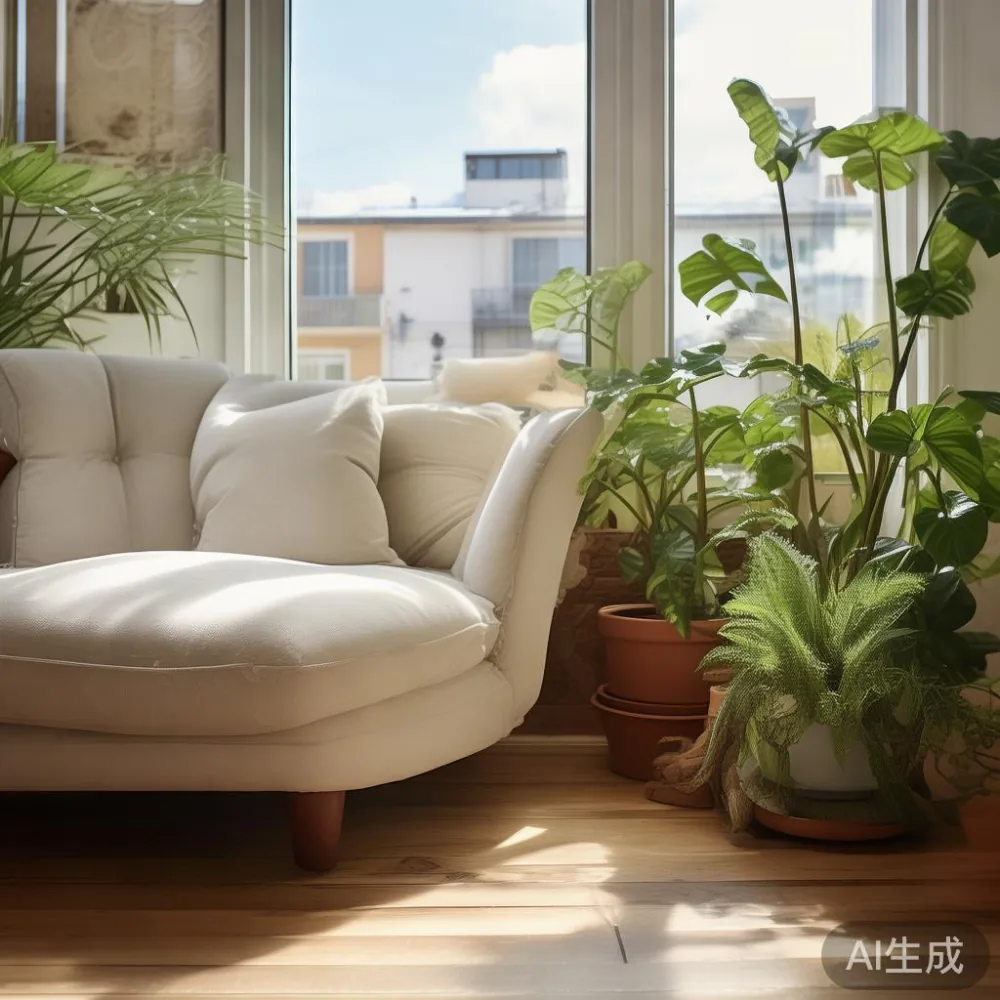
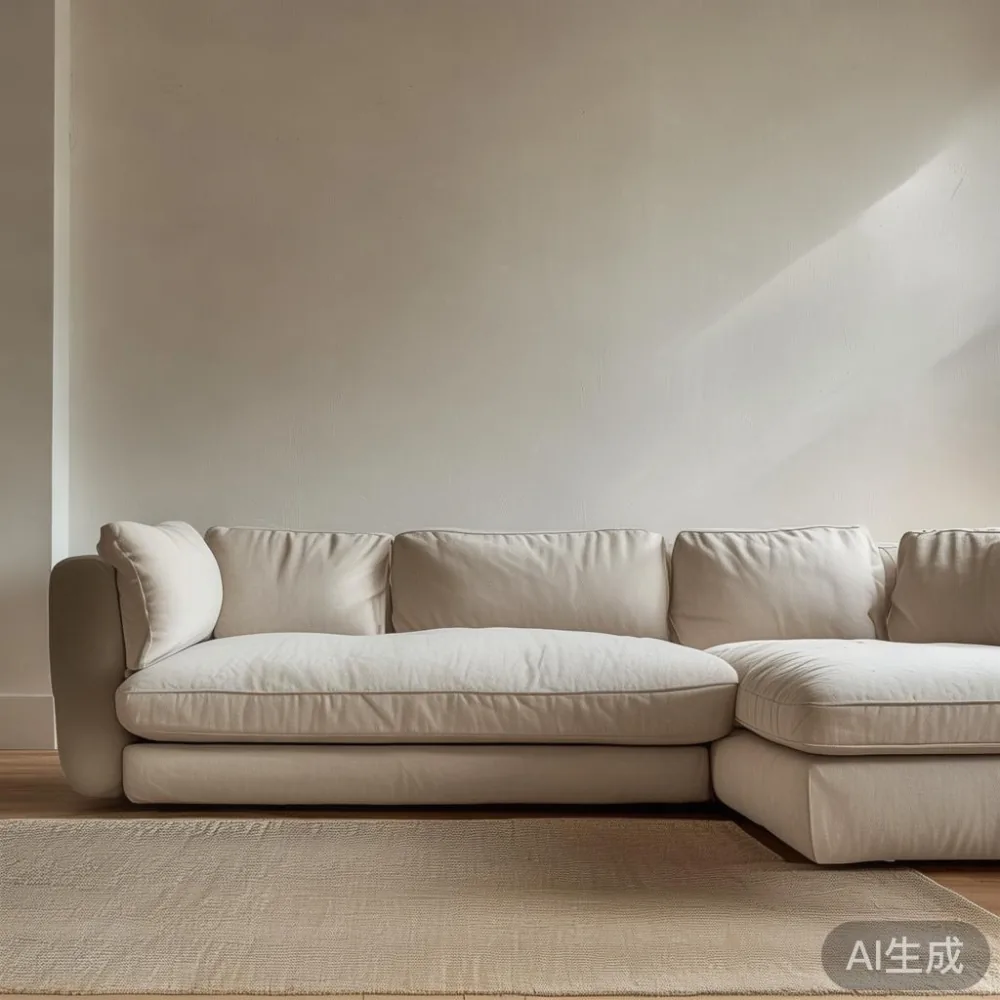
Where you place your chaise lounge in your HDB flat or condo is as important as how you clean it. Direct sunlight is one of the most significant threats to a lacquered finish. The intense UV rays in Singapore can cause the lacquer to fade, yellow, and eventually become brittle over a period of 3 to 5 years. If your chaise lounge sits near a window, invest in high-quality, UV-blocking curtains or blinds. For those in units with large windows in Bedok or Punggol, this is non-negotiable. The afternoon sun can be particularly punishing, so ensure the curtains are drawn during the peak hours of 12 PM to 4 PM.
Air-conditioning vents are another hidden danger. The constant, direct blast of cold, dry air can cause the lacquer to contract and expand rapidly, leading to stress cracks. This is especially true for a large piece like a chaise lounge. Ensure your chaise lounge is positioned at least 150 cm away from any air-conditioning unit. Also, be mindful of placing it directly under a ceiling fan. The constant airflow can accelerate the drying process of any accidental spills and may contribute to the wood losing moisture. In a typical Singapore HDB corridor or living room, this simple adjustment can add years to the life of your furniture's finish. Proper placement is a simple, zero-cost preventative measure that protects your investment.
The Gentle Art of Cleaning: A Step-by-Step Routine
Establishing a regular, gentle cleaning routine is the cornerstone of lacquer care. Dust is an abrasive, and over time, it can scratch the high-gloss surface of your chaise lounge. The frequency of cleaning depends on your home's environment, but a good rule of thumb is to dust the surface with a soft, dry microfiber cloth at least once a week. For a deeper clean, follow this monthly process:
- Prepare a soft, lint-free cloth. A microfiber cloth is ideal.
- Dampen the cloth with distilled water. Distilled water is preferred as it contains no minerals that could leave water spots. li>Wring the cloth thoroughly until it is damp, not wet. Excess moisture is the enemy of lacquer.
- Gently wipe the surface of the chaise lounge, using light pressure. Always wipe with the grain of the wood if it's visible underneath the sheen. li>Immediately follow with a second, dry microfiber cloth to buff the surface to a brilliant shine. This step is important for preventing streaks and water spots.
For spills, the rule is to act immediately. Never let a liquid sit on the surface. Use a dry cloth to blot up as much of the spill as possible, then follow with a slightly damp cloth to clean the area. Avoid using paper towels, as their rough fibers can cause micro-scratches. This routine will keep your chaise lounge looking its best without risking damage from harsh chemicals.
When to Call a Professional: Repairing Deep Scratches and Blush
Despite your best efforts, accidents can happen. A deep scratch that has penetrated the lacquer layer or a significant patch of blushing requires professional attention. Attempting to repair these yourself with store-bought scratch removers or polishes can often make the problem worse, creating a dull spot or uneven sheen.
Professional furniture restoration services in Singapore can address these issues. For a deep scratch, a technician can carefully sand the area, apply new layers of lacquer, and polish it back to a perfect match with the surrounding surface. This is a delicate process that requires skill and the right materials. For blushing, the process involves carefully removing the affected layers of lacquer and allowing the wood to acclimate before refinishing. The cost for such a repair on a chaise lounge can range from SGD 250 to SGD 600, depending on the extent of the damage. While this may seem like a significant expense, it is a fraction of the cost of replacing a high-quality light-luxury piece. Remember, a well-maintained chaise lounge from a reputable maker like Midhill is built to last, and these repairs are part of preserving its value for years to come.
Extending the Life of Your Chaise Lounge: Beyond the Surface
Caring for the lacquered surface is only part of the equation. The underlying solid wood frame of your chaise lounge also needs protection. Wood is a natural material that breathes and responds to its environment. In Singapore's climate, the wood can expand and contract with changes in humidity. To help it acclimate, avoid placing your chaise lounge next to sources of heat like radiators or direct sunlight from unfiltered windows, as mentioned earlier.
Using coasters under glasses and placemats under dishes is non-negotiable. Even a small amount of moisture, like a cold glass of water or a hot cup of tea, can create a ring of condensation that, if left, can damage the lacquer and seep into the wood. When rearranging your living space, always lift the chaise lounge rather than dragging it across the floor, as this can scratch both the floor and the furniture's feet. For those who enjoy styling their space, the principles of how to style a European light luxury bed in a bedroom can be applied to your chaise lounge: keep the area around it uncluttered to let the piece itself be the star. When considering complementary pieces, a solid wood nightstand or a marble accent table can add to the cohesive, high-end look without overwhelming the space. The key is to create a harmonious environment that respects the craftsmanship of your furniture.
How Does Singapore's Climate Specifically Impact a Lacquered Finish?
Singapore's climate presents a unique set of challenges for furniture care, unlike the more temperate conditions found in many of the countries where our products are exported. The constant high humidity is the primary factor. This moisture-laden air is constantly trying to penetrate the wood. While the lacquer provides a strong barrier, the wood itself can still absorb small amounts of moisture over time. This is why, when the air-conditioning is turned on, the temperature differential can cause this internal moisture to be drawn to the surface, leading to blushing.
The second factor is the temperature itself. Singapore doesn't have the extreme seasonal temperature swings of some countries, but the daily cycle of hot, humid days and cooler, air-conditioned nights creates a persistent stress on the materials. A solid wood chaise lounge in a condo in Tampines will experience this cycle daily. The wood expands slightly in the heat and contracts in the cool. While a high-quality piece is designed to handle this movement, the lacquer finish is less forgiving. Over many years, this constant expansion and contraction can contribute to fine, hairline cracks in the finish, a process known as checking. This is why proper placement away from direct sources of temperature change is so important. Understanding these specific environmental pressures allows you to take targeted preventative measures, ensuring your chaise lounge remains a beautiful part of your home for decades. It's a proof of the durability of a well-made piece, like those from Midhill, that they are designed to withstand these very conditions.