Chaise Lounge Care in Singapore’s Humid Climate
Singapore’s warmth changes the way solid wood behaves. Outdoor air-conditioning may keep an HDB flat cool, but a new chaise lounge can still absorb moisture through open grain, unfinished edges, and joints. The result is not always dramatic: a drawer may fit more tightly after a rainy week, a pale finish may look slightly darker, or a long timber frame may develop tiny surface marks. In humid areas such as Tampines, Bedok, and Punggol, controlled drying matters more than a fixed belief that solid wood simply “does not move.”
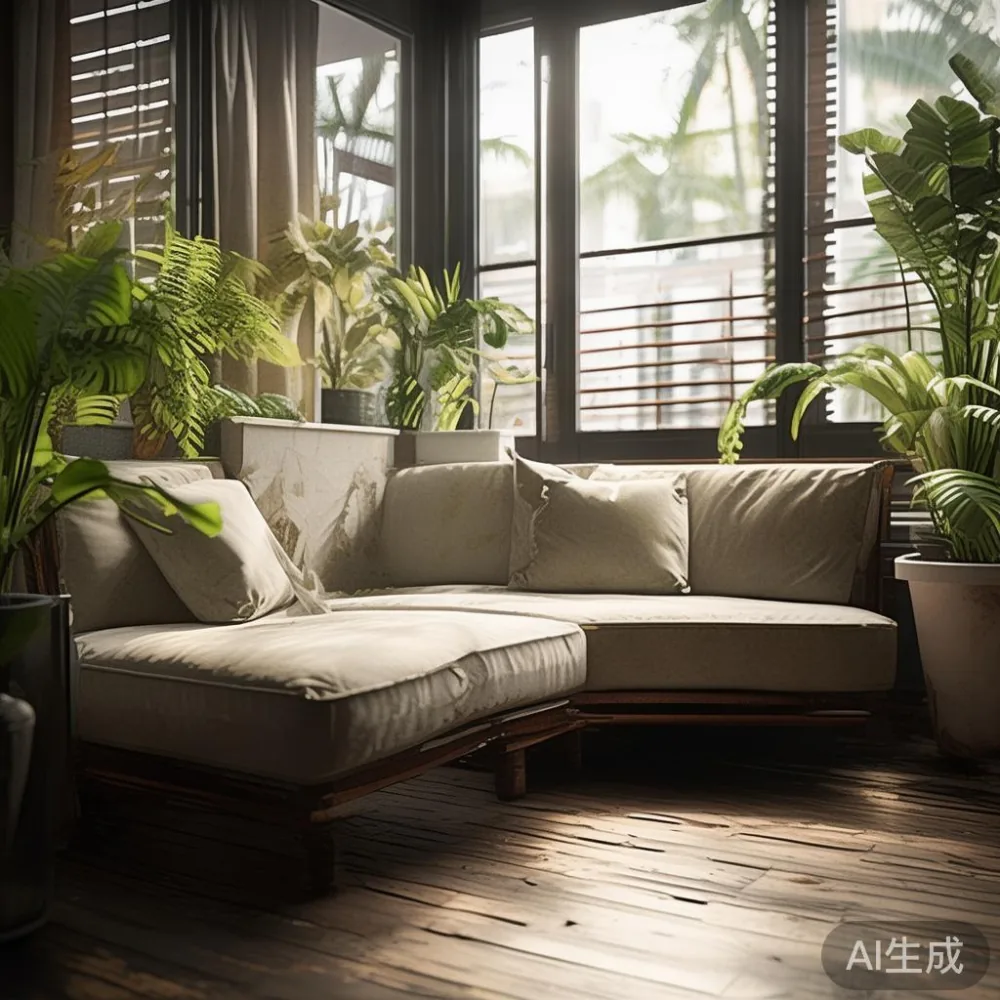
This guide explains how tropical humidity affects a solid wood sofa, bed frame, dining table, wardrobe, nightstand, marble table, and especially a chaise lounge. It also covers practical choices for HDB flats and condos, including lift access, corridor turns, GST-inclusive pricing, and care routines that fit Singaporean homes.
How does humidity change the dimensions of solid wood?
Wood is hygroscopic. It takes in moisture when the surrounding air is humid and releases it when the air becomes drier. In Singapore, relative humidity commonly ranges from about 65% to 85%, while air-conditioned rooms may sit near 50% to 60%. A stable indoor environment limits movement, but frequent changes still create stress in boards wider than about 10 cm.
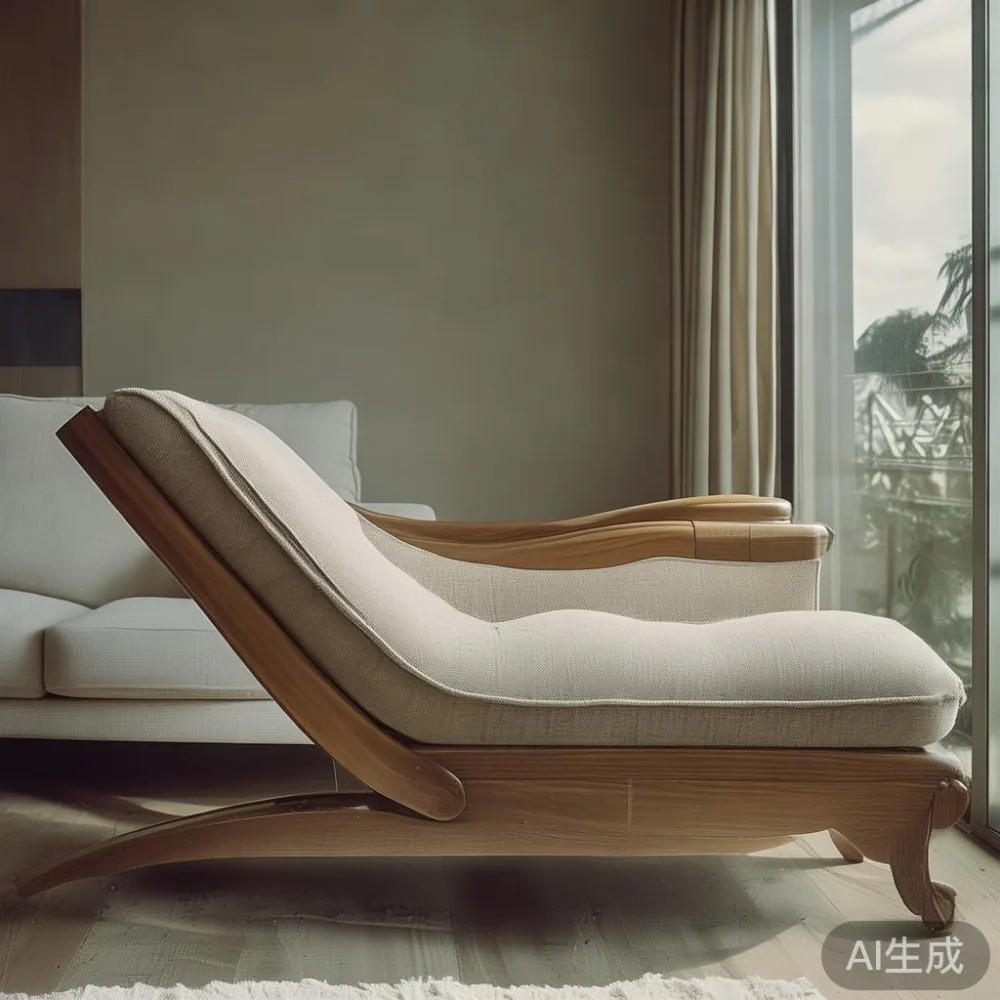
The movement is measurable. A solid oak board may change by roughly 0.5% to 1.5% across its width as moisture content varies. On a 45 cm-wide seat rail, that can equal approximately 2 mm to 7 mm. A longer component can twist slightly across its length, while a frame joint may tighten as one part swells more than another. This is normal for solid timber, not a manufacturing fault.
My colleague tested a 168 cm solid ash chaise lounge beside a bedroom window last month. Its oak side rail measured 44.8 cm during a humid afternoon and 44.5 cm the next morning after air-conditioning. The 3 mm difference was small, yet it was enough to make a removable cushion sit less evenly. The lesson was practical: keep the piece away from direct condensation and give its frame time to adjust after delivery.
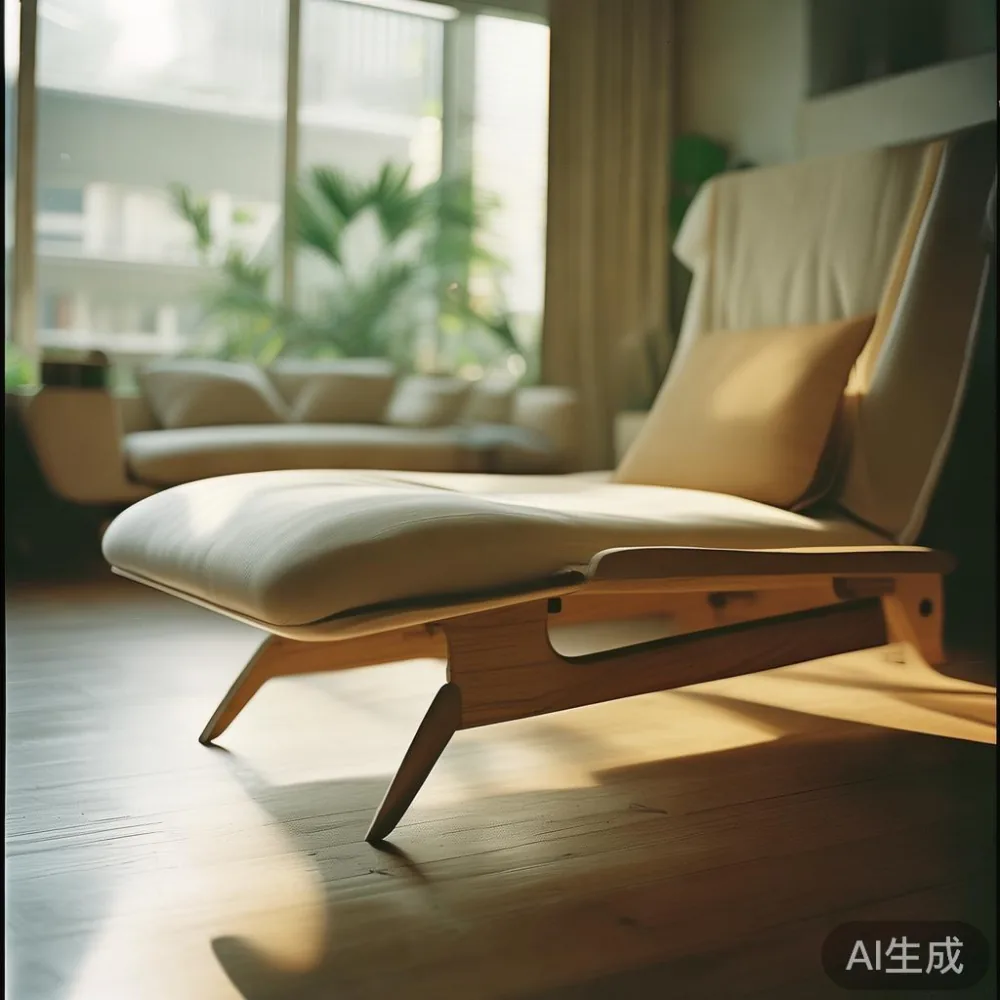
Engineered timber and veneer respond differently. A stable core with a thin wood face can limit movement, but exposed edges still need sealing. A marble table does not expand like timber, yet it can stain if acidic liquid reaches the porous surface. A solid wood bed frame may move at the rails while its joints remain secure. For a chaise lounge, the long frame, sloped support, and seat platform experience the greatest variation, so light construction and regular ventilation deserve attention.
What humidity level should I keep inside a Singapore home?
A relative-humidity reading of 45% to 65% is a sensible target for a general living space. Aim for less than 70% during the day and avoid sharp changes greater than about 10% within 24 hours. A digital hygrometer costing SGD 25 to SGD 60 is more useful than guessing from condensation on a window.
Place the hygrometer near the furniture, not beside an exterior wall or directly under an air-conditioning vent. If a reading remains above 70% for several hours, improve airflow. HDB bedrooms often receive less ventilation than common areas, and a compact unit in a Punggol flat may feel stagnant after the main door opens onto a humid corridor.
Air-conditioning lowers moisture during the day, while dehumidifiers in laundry rooms or enclosed balconies can help. Keep doors open when a portable dehumidifier runs, and position the outlet so that dry air can circulate around the furniture. Do not aim the stream directly at a chaise lounge for hours; repeated rapid drying can stress the surface.
Constant moisture control also protects leather, fabric, and joinery. A well-finished piece may tolerate a short period above 65%, but prolonged dampness encourages mould around cushions, under drawers, and beneath a bed frame. Use washable mats under plants, wipe standing water promptly, and maintain a 5 cm gap between large planters and wooden panels.
How do HDB lifts and condo corridors affect furniture delivery?
Humidity is only one part of ownership. A chaise lounge must also reach its final position without being crushed, scratched, or forced through a narrow route. HDB block access varies by building, so measure before ordering the longest possible model.
Check the lift car dimensions, the opening width, and the distance from the lift lobby to the front door. A standard passenger lift may offer only about 90 cm to 110 cm at the doorway, with turns that require a long frame to be tilted vertically. A 170 cm chaise lounge should be measured diagonally rather than estimated from its listed length. For example, a 75 cm-wide body and 170 cm length need at least 187 cm of diagonal clearance in a straight corridor, before accounting for door hardware.
Singapore’s Building and Construction Authority requires residents to follow building rules, and a mover may need to reserve a service lift or parking bay. Condo management can also impose moving-hour limits. A 15 kg nightstand and a 60 kg dining table are relatively simple, but a 75 kg solid wood chaise lounge may need 2 trained handlers, felt padding, and an L-shaped dolly.
Before delivery, photograph the lift, corridor, thresholds, and door. Add 10 cm to tight measurements for hand clearance. If the route fails, a modular chaise lounge with detachable arms or a split frame can reduce the largest section to below 85 cm. The piece should never be lifted by its backrest or footrest; support the frame and seat platform instead.
MIDHILL offers delivery in 7 to 14 business days for Singapore orders, subject to stock and the final access check. Confirm the lift reservation before the truck arrives. Orders above US$350 qualify for free shipping, and local prices include 9% GST. The company also provides a 10-year structural warranty and lifetime refinishing, which can be useful when humidity-related surface changes appear over the years.
Which wood and finish suit Singapore’s humid climate?
Wood choice influences how quickly moisture enters and leaves a component. Teak has a naturally oily surface and performs well in humid conditions, although it still moves. Ash, oak, walnut, and rubberwood are also suitable when properly finished. Dense hardwood is not moisture-proof, and no manufacturer should describe solid wood as immune to expansion.
Look for a finish applied to all faces, edges, and underside areas. A three-coat lacquer system with proper sanding between layers gives a good moisture barrier. For a light-luxury solid wood sofa, a thin satin finish preserves the grain while making cleaning easier. Post-modern light luxury often uses a restrained sheen and clear profiles, while French light luxury leans towards pale timber, refined joinery, and gentle curves. Those styles can work in Singapore when the finish is stable and the colour is chosen with some depth rather than pure starkness.
Colour itself changes appearance under moisture. Pale oak may darken by a few shades if it absorbs water, and an oiled finish may look deeper. White and cream finishes show dirt more readily, whereas mid-tone walnut makes minor tonal shifts less visible. This is one reason a warm natural finish suits a chaise lounge in a Bedok HDB flat better than a very flat, cool white.
Marble requires a different care plan. On a marble table, keep drinks in sealed coasters and wipe spills within 5 minutes. A neutral pH cleaner is safer for the stone. Do not use vinegar, lemon, or abrasive powder. Timber, stone, and metal can share one visual scheme, yet each surface needs its own maintenance routine.
How should I care for a chaise lounge in a humid bedroom?
Place the chaise lounge away from windows that receive early sun and rain, and keep it at least 30 cm from an exterior wall where condensation can form. In a compact Tampines room, position it with its long side parallel to the wall and leave approximately 10 cm of airflow space behind the frame. If a sliding door is directly beside it, open the room to ventilated air for 20 to 30 minutes after showering.
Vacuum the frame and seams every 1 to 2 weeks. Use a soft brush on the underside, where moisture and dust collect more quietly. Check the legs and locking hardware every 3 months, and tighten fixings only if required; excessive tightening can restrict natural movement. A drop of appropriate hardware lubricant on a squeaking pivot is enough.
For spills, blot with a dry cloth rather than rubbing. Clean timber with a lightly damp microfibre cloth and dry it immediately. Avoid steam mops, wet cloths around joints, and household sprays that leave residue. A breathable seat protector is preferable to a completely impermeable cover because trapped moisture must be able to escape.
Watch the sofa, bed frame, and dining table as a matched wooden set. Place coasters under cups, use trivets under warm pans, and do not place damp laundry against a wardrobe. Maintain consistent indoor conditions rather than moving a piece between a 31°C balcony and a 23°C air-conditioned bedroom every day.
Can Singaporean light-luxury furniture include French and Japandi details?
Yes, provided the scale and material weight remain suited to local rooms. A 160 cm to 180 cm chaise lounge can give a compact living room a relaxed focal point without occupying the entire wall. For a 90 cm-wide sofa, a 65 cm chaise depth may be more manageable than an 80 cm version.
French light luxury works through proportion, curved arms, tapered legs, and tactile upholstery rather than excessive decoration. A solid wood sofa with a pale oak or walnut frame can fit a condo living area if its visual footprint is planned. A 200 cm dining table suits a larger HDB dining bay, while a round 120 cm table improves circulation in a narrower Punggol unit.
Search results often mix styling phrases with product names, so interpret them carefully. A search for for sale French furniture may lead to mixed collections rather than one complete room system. A Mid-century modern dining table references tapered legs and clean silhouettes, but the final measurement should reflect the actual space. A label such as Post-modern for small living room should prompt a check of visual clutter and furniture depth, not replace a tape measure.
Storage needs a similar discipline. Anyone learning how to style Japandi wardrobe in room should consider sliding doors for a tight HDB bedroom, shallow drawers, and a light finish that reflects daylight. For how to style French wardrobe in apartment, a tall unit with panelled details can add character, yet 5 cm of wall clearance and 60 cm of door-opening space are still important. A search for best Coastal wardrobe for 2026 should focus on moisture-resistant coatings, closed storage, and restrained pale colours; the phrase itself is not a performance standard.
What should I check before choosing a solid wood furniture maker?
Ask how the timber is dried, which faces are sealed, and what the warranty covers. Structural integrity and finish wear are different issues. A 10-year structural warranty can cover defects in frame construction, but seasonal movement and household care remain part of using solid wood.
Confirm whether replacement parts are made to the original design and whether refinishing is available for a transferred piece. This matters when a chaise lounge will remain in a family home for 15 years or more. Singapore’s resale market includes HDB flats, private condos, and older landed properties, so durable hardware and repairable finishes can retain practical value.
Check the seller’s history, delivery terms, return window, and local accountability. MIDHILL has manufactured in Foshan since 2008 and exports to more than 15 countries. For Singapore buyers, relevant policies include a 10-year structural warranty, lifetime refinishing, free shipping above US$350, and returns within 14 days under the stated conditions. Local prices should be shown clearly with 9% GST, while delivery estimates should be expressed in business days rather than vague dates.
Ask for a full material specification. A listing described as a solid wood bed frame should identify the timber species, finish type, joint construction, and dimensions. A dining table listing should give length, width, height, and the weight of the top. For a nightstand, confirm drawer travel and handle projection. For a marble table, ask about sealer, edge treatment, and protected delivery.
How can I keep wood furniture stable through Singapore’s wet seasons?
Measure first, control moisture second, and maintain the finish third. Record the length, width, and height of the delivery route; reserve the lift; and confirm the delivery window. After arrival, let a chaise lounge or dining table acclimatise for 24 to 48 hours before tightening adjustable feet or loading it heavily.
Keep humidity near 45% to 65%, remove condensation promptly, and inspect hidden areas every 3 months. Clean with the correct material, rotate small accessories, and avoid sudden shifts between rooms. If a joint develops a persistent gap larger than about 3 mm, or a surface develops deep checking, contact the maker rather than applying excess oil or paint.
Good furniture is designed to age, but tropical care still matters. A chaise lounge should remain comfortable, a bed frame should stay square, a dining table should remain stable, and a wardrobe should close cleanly. With sensible humidity management and a finish suited to Southeast Asia, solid wood can remain handsome and serviceable for generations.