Chaise Lounge Pairings for a Warm Minimal Interior
Singapore homes have a particular rhythm. Tampines five-room flats, Bedok resale condos, Punggol waterfront units — most of us live with one sofa wall, one dining wall, and a corridor roughly 1.2 m wide that has to fit a bed frame, a wardrobe, and a dining table without a single scratch on the walls. I spent last month visiting three resale HDBs in the east with my colleague who runs a small interior styling studio, and the question that came up in every single home was the same: which chaise lounge, which dining table, which bed frame will make a 90 sqm flat feel warmer, calmer, and slightly more grown-up?
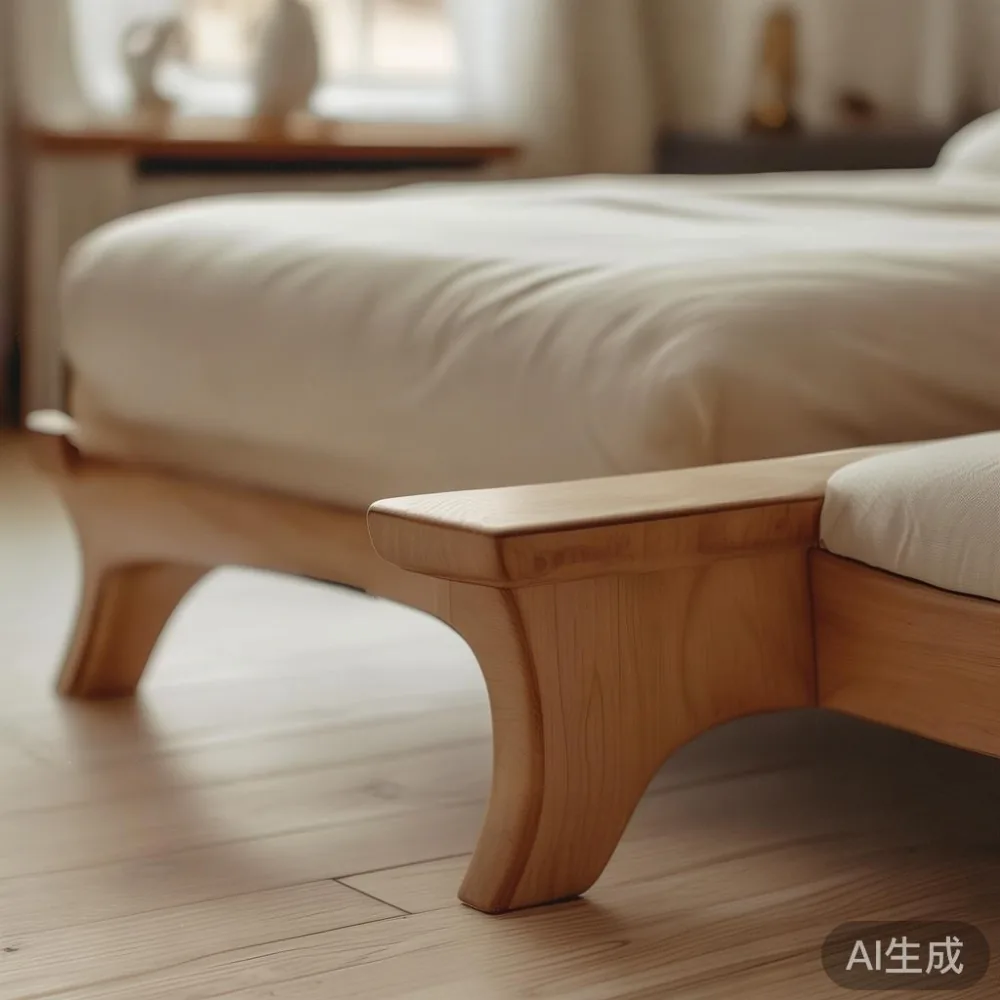
Warm minimalism is not a sparse white box. It is bone-coloured walls, oak-toned solid wood, one or two curves, and the kind of textile weight that you actually notice when you sink into it. Most Singapore families also need pieces that survive the lift door at 2.1 m deep and the lift cabin at roughly 2.0 m by 1.4 m. Anything taller than 1.9 m needs to be tested, anything wider than 1.6 m has to be tilted through the corridor. With those constraints in mind, here is how to match furniture to a warm minimal interior without losing the softness.
And about budget: with the prevailing 9% GST on top of a typical SGD 2,500–SGD 6,500 furniture spend, the careful buyer tries to get the most character per dollar, usually by anchoring the room with one statement solid wood piece and surrounding it with quieter neighbours.
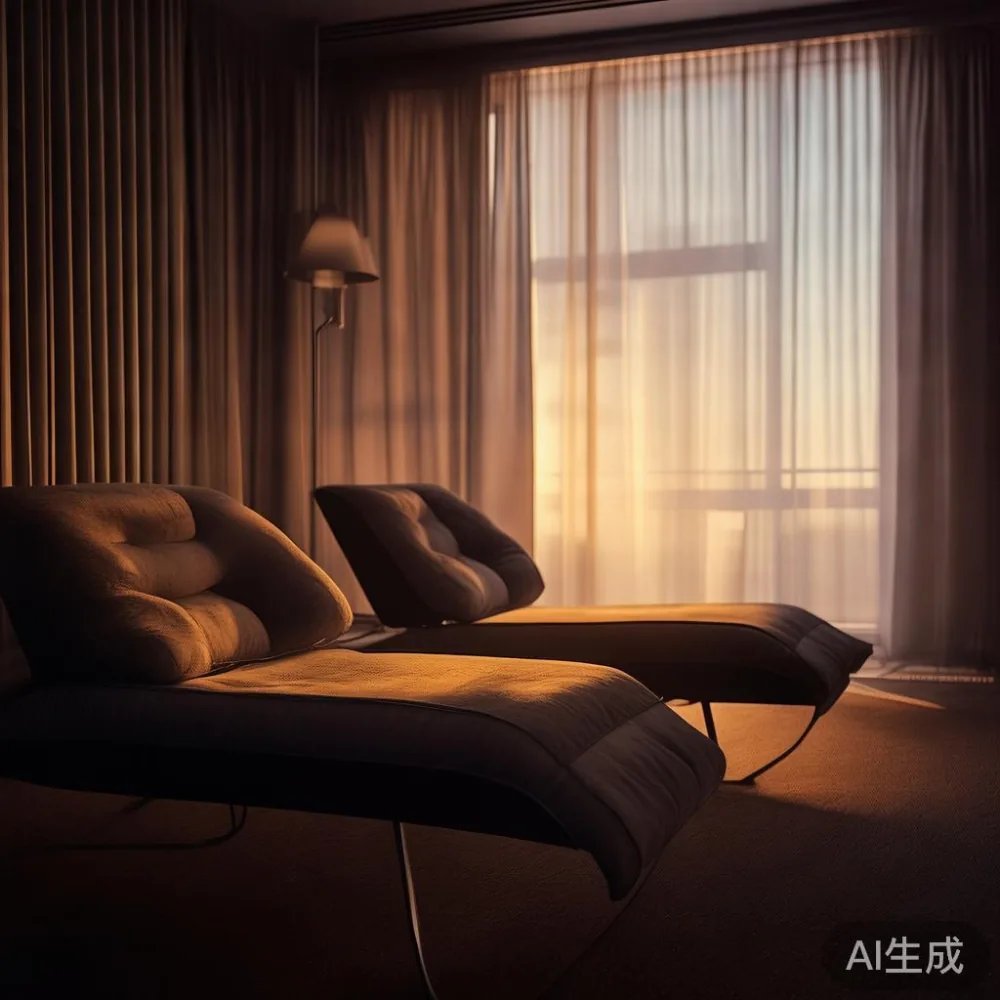
What does "warm minimal" actually mean for a Singapore flat?
Warm minimalism in a HDB or condo is the offspring of Scandinavian restraint and Japanese material honesty, with a slightly softer palette. Walls are usually Warm White 2 or a pale putty. Floors are either European oak laminate or resin-bound terrazzo. Lighting is warm at 2700K, never the bluish 4000K stock from renovations. The furniture should feel grounded, not loud.
The staple pieces of a warm minimal home are a solid wood sofa with a linen-blend cover, a low-profile bed frame in ash or walnut, a chunky oak dining table that seats four to six, a three-door wardrobe in plain veneer, a rattan-or-travertine nightstand, and one curved accent chair. A chaise lounge is what ties the living room together — it gives you somewhere to lie down on a Sunday afternoon without dragging a yoga mat out of the wardrobe.
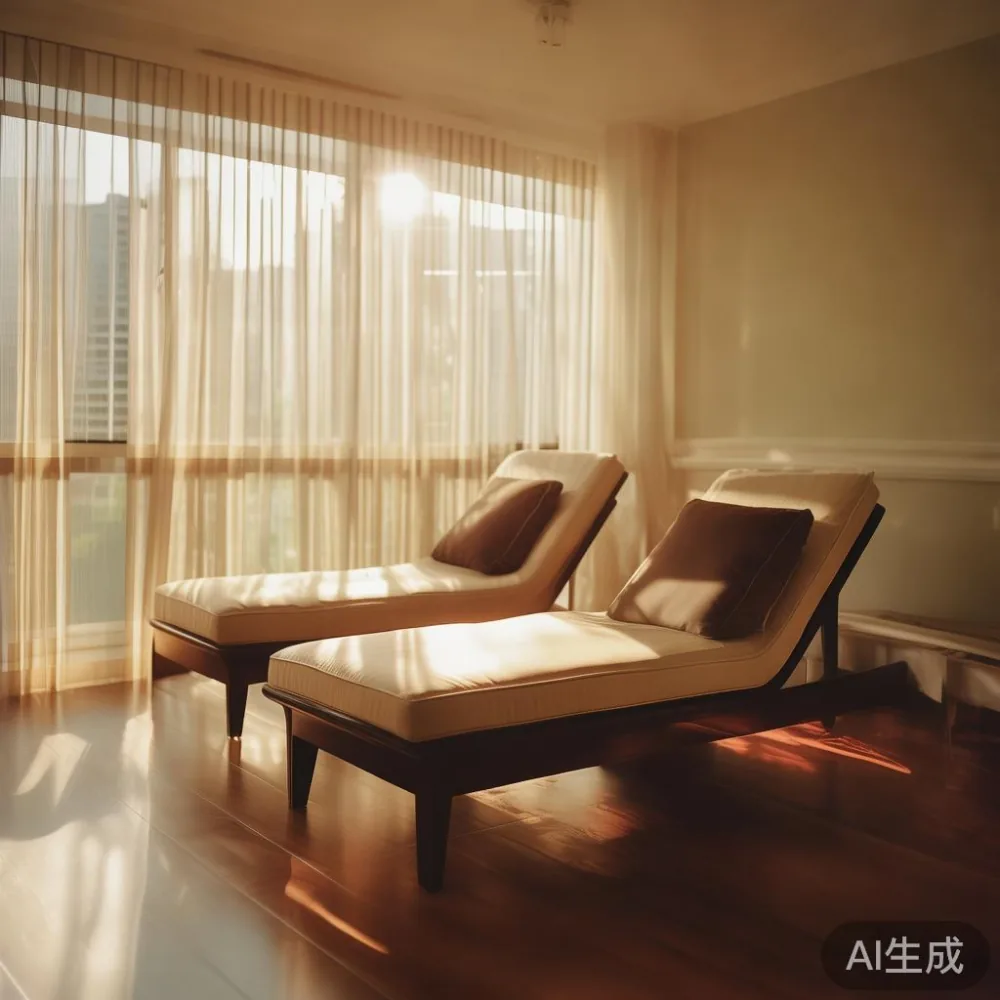
If you are browsing chaise lounge options in Singapore showrooms, the trick is to resist the high-gloss showroom staging and picture the piece against your own wall. A 180 cm chaise in boucle, oatmeal boucle, or sage linen will read warmer than the same shape in cold grey velvet.
Which chaise lounge fits a 90 sqm HDB living room?
Most Singapore living rooms — even in newer BTOs — run from about 3.0 m to 3.6 m long, with the TV wall opposite a sofa wall of similar length. That sounds generous, but you lose about 30 cm of depth to a TV console, another 30 cm to a coffee table, and 60–70 cm behind the sofa for curtains and walking space. A queen-size chaise of 170–185 cm eats the rest of the wall if you are not careful.
Two seat-and-a-half chaise layouts work nicely for a four-person household. Look for chaise lounges between 165 cm and 185 cm long, 85–95 cm deep, with a seat height around 42 cm. Avoid anything over 200 cm — it will dominate the wall, fight your curtains, and look stretched.
The practical lift test matters too. A typical HDB lift cabin is roughly 2.0 m deep by 1.4 m wide with a door opening of about 0.9 m. A chaise lounge of 180 cm in length usually comes in two pieces, each under 90 cm, which a two-man team can carry in around 12 minutes. I watched a delivery crew at a Punggol unit last Tuesday carry a boucle chaise in two halves, plus a solid wood frame box weighing 38 kg, through a corridor that I genuinely did not think would fit. It did.
American bed vs Modern bed — which one warms up a neutral bedroom?
This is a question my colleague gets at least twice a week in Tampines. The American bed, meaning a tall solid wood headboard with a low platform base, often in walnut or dark oak, has chunkier proportions and reads warmer against plain walls. A Modern bed, meaning a low platform on slim metal legs with an upholstered headboard in linen, reads lighter and more minimal.
In a 12 sqm HDB master bedroom, I usually steer clients toward the Modern bed if the wardrobe is already a dark solid wood, because doubling up on dark surfaces tends to suck the light out of a small room. If the wardrobe is white-laminate or pale ash, the American bed in a warm walnut under SGD 2,400 is a friendlier anchor. A queen bed frame in ash veneer typically weighs 55–65 kg and takes about 40 minutes to assemble in-room.
The chaise lounge usually does not belong in the bedroom here — leave that to a reading chair or a bench. The bedroom needs the air.
Will a French sofa vs Italian light luxury sofa feel warmer?
Yes, almost always. The French sofa leans on curves, scroll arms, and bouclé or linen-blend upholstery, which texturally catches light and feels slightly lived-in. The Italian light luxury sofa tends to be firmer, sleeker, with a higher seat height (45–47 cm) and tighter cushions.
For a warm minimal interior, I would pair a French-style sofa with an oak coffee table and a low oak bookcase. The combination is the textbook look that designers call French light luxury — restrained ornament, curved silhouettes, one statement mirror, a marble table rather than a glass one. A 110 cm round travertine or Carrara marble coffee table at SGD 1,800–SGD 3,200 sits well next to a French sofa, and there is genuine for sale French provincial furniture in the secondary market if you would rather hunt than buy new.
The Italian light luxury sofa, by contrast, wants a colder, more post-modern light luxury setting — polished plaster walls, brushed brass, a glass-and-marble console. Both can work in Singapore, but only one of them flatters a family with two kids and a corgi.
Japanese sofa vs Italian light luxury sofa — what suits a small HDB?
For a HDB where every square metre counts, the Japanese sofa wins on practicality. It sits lower (around 36 cm), has a smaller footprint (typically 150–170 cm wide for a three-seater), and often comes with removable covers you can wash at 30°C — a real consideration when your air-conditioning condensation leaves faint marks on the cushions over a Singaporean year.
The Italian light luxury sofa is built for showrooms, not 90 sqm flats. Even the most compact 200 cm three-seater takes up a huge chunk of the wall and usually weighs 70–85 kg, which is fine for the floor load but tricky during delivery if you live above the seventh floor.
That said, the way Japanese sofa vs Italian light luxury sofa designs handle a small living room is also worth studying. Japanese low-profile design language (sometimes summarised as Japanese for small living room solutions) is in effect about keeping the horizontal line low, the legs short, and the wood tones warm. Borrow those rules even if you buy a non-Japanese piece.
How do I keep a warm minimal interior under SGD 2,000 on furniture?
You can absolutely furnish a HDB living-and-dining core under SGD 2,000 if you skip the statement sofa and buy cleverly. The realistic allocation looks roughly like this:
- A 120 cm round dining table in solid rubberwood, seats three to four: SGD 480–SGD 720.
- A pair of dining chairs in beech with a washable cushion: SGD 220–SGD 350 for two.
- A small wardrobe upgrade or sideboard: SGD 380–SGD 550.
- One MIDHILL coffee table style piece in oak veneer on steel legs: SGD 380–SGD 580.
- Two nightstands in ash laminate: SGD 240–SGD 360 for the pair.
- One accent chair in boucle: SGD 280–SGD 420.
That leaves room under SGD 2,000 for one curated pendant light and a small mirror, and it still keeps the warm minimal aesthetic intact. If you also want under 2000 French furniture in the mix, hunt the Curve Road and Jalan Besar vintage shops — there is almost always a sturdy oak piece under SGD 600 that was made before 1990 and is genuinely better built than the mass-market version.
How long does delivery actually take from Foshan to Singapore?
This is the practical bit Singapore buyers care about most. Sea freight from Foshan to Singapore typically takes 7–10 days door-to-door for in-stock items, plus another 3–5 days for customs clearance and a final-mile appointment. Allow 14–18 working days from order to assembly. Air freight is 5–7 days but adds about 18–22% to the landed cost.
A solid wood dining table for four weighs around 28–34 kg packed, a queen bed frame around 55–65 kg, a three-seater chaise lounge 52–70 kg, and a three-door wardrobe between 90 and 110 kg. Heavier pieces are split into two cartons so two movers — never one — can handle each section through the corridor. A two-man team usually needs 35–55 minutes for a full HDB furniture install, slightly longer if the lift is shared and busy on a weekend.
Free shipping above an order threshold (often around USD 350, or roughly SGD 470 at current rates) lands these pieces in Singapore without a surcharge, which matters when you are buying a full living-room set in one go. Returns within a 14-day window are useful if the colour in your home reads different from the catalogue swatch under a 4000K downlight — a common complaint I have heard from buyers in Bedok and Toa Payoh.
What holds up best in Singapore's humidity?
Solid wood, but only when it is kiln-dried and finished properly. Rubberwood, ash, oak, and walnut all handle Singapore's 70–85% average humidity reasonably well, while MDF and untreated pine do not — they swell, crack, or develop surface mould within a couple of humid seasons.
A 10-year structural warranty on frames is worth more than people realise. In Singapore, sofa frames and bed frames both take more punishment than in temperate climates because we use them daily, year-round, and the air-conditioning cycle creates mild but constant expansion-and-contraction stress on joints. MIDHILL's own warranty terms (10 years on structure, lifetime refinishing on most solid wood pieces) are the kind of clauses I read out loud to clients who are torn between a SGD 1,200 flat-pack and a SGD 2,400 solid wood sofa. Refinishing matters too: a sand-and-re-oil at year eight can honestly make a 2018 oak dining table look like a 2026 one, at a fraction of replacement cost.
Where do families get the warm minimal look wrong?
Three recurring mistakes. First, going all-natural-fibre on a HDB balcony-facing wall — linen curtains and a jute rug will yellow in six months under Singapore's UV. Solution: lined linen-look polyester curtains, washable rug. Second, mixing too many wood tones. Pick one warm wood tone for the major pieces (the dining table, the bed frame, the wardrobe), and one cool or neutral tone for the smaller pieces (the nightstand, the coffee table). Third, skipping the chaise lounge altogether because the room feels too small. A right-sized chaise (around 170 cm in boucle) actually opens a small room more than a tightly packed two-seater sofa does, because it provides a single visual anchor instead of three fragmented ones.
The deeper rule is fewer pieces, more texture, one quiet curve per room. That is what a warm minimal Singapore home actually feels like when you walk into it in the evening, with the kitchen lights dimmed and the air-conditioning humming.
Putting it together without losing the room
Warm minimalism rewards buyers who slow down. Choose one warm wood tone. Choose one curved piece per room — usually a chaise lounge in the living area, a curved-headboard bed frame in the master, a soft-cornered dining table if your space allows. Keep the textiles to three patterns maximum across the whole flat, and let the lighting do the rest of the work.
If you are starting fresh in a Punggol or Tampines BTO, order early so pieces arrive before the renovation dust settles in. If you are refreshing a resale, walk your room with a measuring tape and a notebook before you click anything. A 180 cm chaise next to a 120 cm round dining table and a queen-size Modern bed in ash will quietly outlive every trend cycle Singapore throws at it — and it will still look considered a decade from now, when refinishing season rolls around.
The pieces I have been quietly recommending to family and friends this year come from a Foshan maker I trust for solid wood quality, including their chaise lounge range, their oak dining tables, and their three-door wardrobes. With a 10-year structural warranty and lifetime refinishing on the wood, the math works out cheaper per year of use than anything you would find at a big-box store. That, more than any styling trick, is what makes a warm minimal home worth building.