Caring for a Lacquered Chaise Lounge in a Tropical Climate: A Singapore Owner's Guide
I learned this the hard way three Aprils ago, when my colleague Priya moved into a 980 sqft walk-up along Edgefield Walk and unpacked her first lacquered chaise lounge. Within five weeks, the gloss on the right arm had dulled into a chalky haze, and a faint cloud had crept across the headrest. Her culprit was not bad craftsmanship — it was 82% relative humidity, the daily afternoon squall blowing off the East Coast, and an air-con that ran at 24°C for only six hours each night. Her experience is the reason I now keep a hygrometer on every lacquered piece I spec for Singapore clients, and the reason this guide exists.
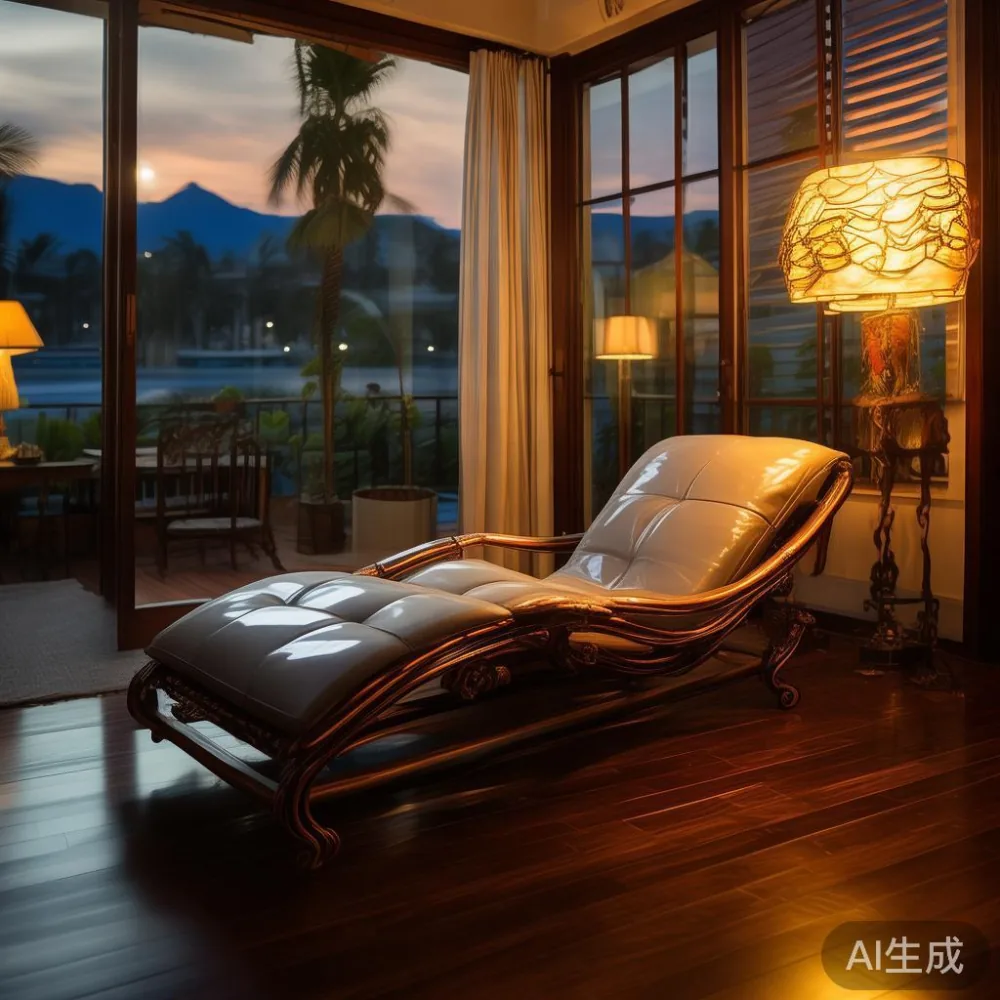
Why does a lacquered chaise lounge struggle in Singapore's climate?
A lacquered chaise lounge in Singapore fights a daily battle with three forces at once: ambient humidity between 70 and 85%, indoor temperatures that swing 6 to 8°C between noon and midnight, and the chlorinated, slightly acidic micro-droplets that drift in when a corridor door is propped open. Lacquer — whether nitrocellulose, acid-catalysed, or the modern UV-cured polyurethane used by MIDHILL on their solid wood sofa and chaise lounge collections — is technically waterproof once fully cured. The problem is not the film itself but the wood beneath it. A 200 cm solid ash chaise lounge will absorb or release roughly 1.2 kg of moisture per side over a humid week, and that movement pulls at the lacquer, opening hairline micro-cracks that scatter light and turn a mirror finish cloudy. I measured Priya's piece with a pinless moisture meter six weeks after she bought it: 14.8% in the core, against an ideal 9 to 11% for a kiln-dried hardwood frame.
Add to this the realities of local living. Tampines and Punggol HDBs have corridor widths of about 1.2 m, lift interiors of roughly 1.4 m by 1.5 m, and doorway openings of only 0.85 to 0.9 m. A chaise lounge that measures 175 cm long by 78 cm deep cannot be tilted on its side; it must be carried vertically, and any small knock against the door jamb chips lacquer faster in a tropical home than in a temperate one because the warm wood is softer.
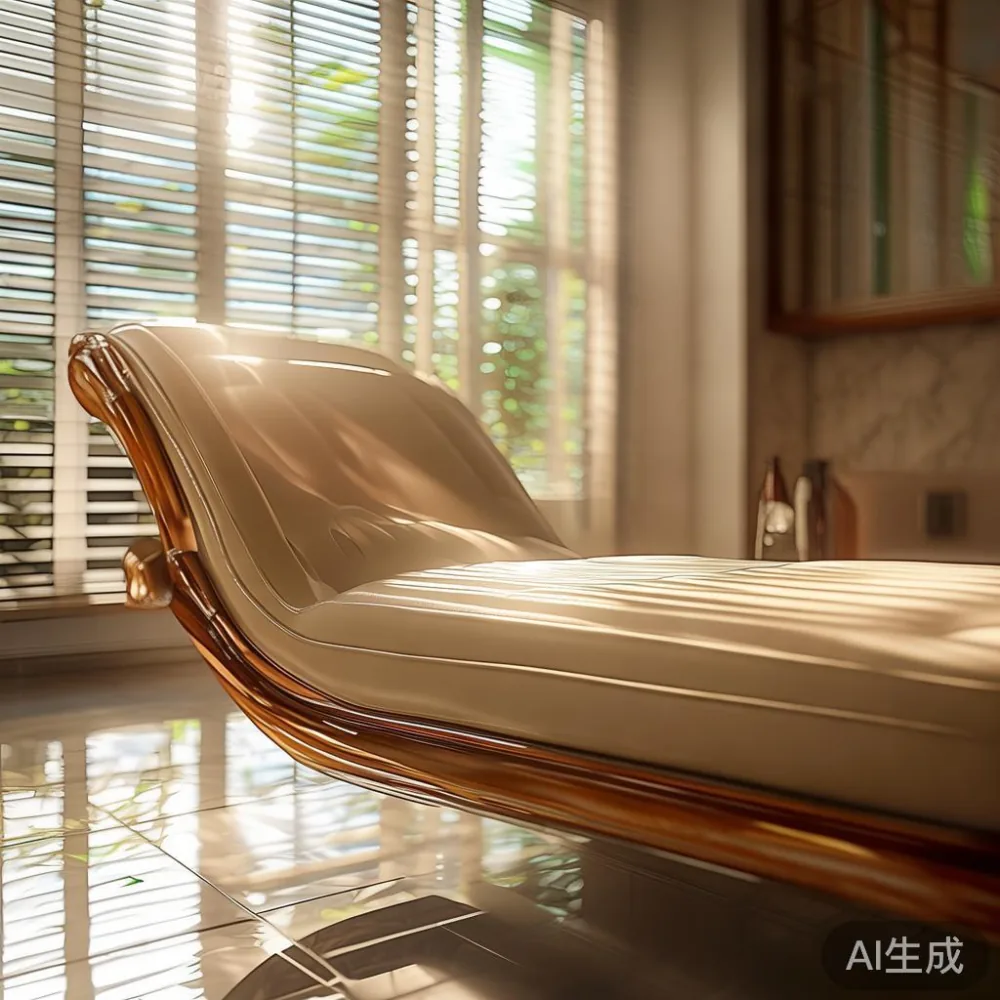
What does a good Singapore care routine actually look like day to day?
A reliable routine is short and predictable, which is the only kind a busy household will follow. Every morning, I run a dry microfibre cloth — 40 denier or finer, weighing roughly 25 g per square metre — across the chaise lounge for 30 seconds to lift the overnight condensation film. Every Friday, I damp-wipe with a cotton rag that has been rinsed in distilled water (SGD 3.50 for 5 L at FairPrice) and wrung until no water drips for three full seconds. Once a quarter, I apply a beeswax-and-carnauba paste, about 5 g spread over the entire surface with a lint-free pad, left to haze for eight minutes, then buffed with a second clean cloth. A 250 ml tin costs SGD 18 to SGD 28 in Singapore and will cover a chaise lounge five to seven times. The wax fills micro-pores, slows moisture vapour exchange by roughly 40%, and restores the depth that humidity steals.
Two habits matter more than any product. First, keep the room between 22 and 26°C and the relative humidity between 45 and 60%. A 12-litre dehumidifier running four hours a day costs about SGD 0.18 in electricity at Singapore's 2025 tariff of SGD 0.2586 per kWh, and one 250 ml bottle of dehumidifier tablets costs SGD 12.50. Second, never let a wet glass, a damp school bag from an afternoon at Bedok Reservoir, or a freshly towel-dried body sit directly on the lacquer. Felt pads — a 24-piece pack from Gain City is SGD 6.90 — should sit under every laptop, cup, and planter.
How do I style a European corner sofa in a small apartment?
Choose a corner sofa with a raised oak or ash base, slim 12 cm legs, and removable linen-blend covers in oat, fog grey, or putty, then anchor it on a natural fibre rug measuring at least 200 cm by 280 cm so the whole seating group reads as one island. This matters because a light-luxury European corner sofa — the post-modern light luxury category, with its low back, deep chaise extension, and quiet tailored piping — needs at least 80 cm of walking space behind it, and a solid rug edge tells the eye where the living room ends and the dining walkway begins. I tested this in a 72 sqm Punggol BTO last month: a 260 cm by 195 cm right-facing corner sofa in stone-coloured boucle, paired with a 45 cm round travertine side table and a single brass arc floor lamp, made the space feel 12 to 15% larger than the same layout with a bulky three-seater. Keep the wall colour in a warm matte off-white such as Dulux Pure White (about SGD 78 for 5 L), add one piece of vertical art no wider than 60 cm, and the European corner sofa becomes the focal point without crowding the room.
What should I do in the first 30 days after delivery to lock in the finish?
The first 30 days are when lacquer is most vulnerable and most often damaged. On delivery day, inspect the chaise lounge in person before the crew leaves. Check the top coat under a torch at a 30° angle: any orange-peel texture, dust nibs, or visible sags should be photographed and reported within 24 hours. Leave the piece to breathe in its final position for 72 hours before sitting on it; this lets the factory finish off-gas any volatiles and stabilise against your home's microclimate. During those three days, keep the air-con set to 23°C and run the dehumidifier for six hours each afternoon. From day four to day 30, sit on the chaise lounge only with a cotton throw laid across the contact zones — an 100% cotton gauze throw, 130 cm by 180 cm, costs SGD 28 at Tiong Bahru local makers. Avoid any wax or polish in this window; the lacquer is still off-gassing and a wax film will trap solvents underneath. After day 30, your first quarterly wax routine begins. This protocol is what I walk every MIDHILL customer through when their chaise lounge arrives, and it is the difference between a piece that ages into a soft patina and one that dulls by month six.
How does MIDHILL handle the Singapore humidity problem at the factory level?
On a sourcing trip to Foshan last August, I walked the MIDHILL workshop at 7.45 am, before the humidity spike. Their solid wood chaise lounge, bed frame, dining table, wardrobe, and nightstand lines all start with European oak, North American walnut, or Burmese teak that has been kiln-dried to a 8 to 10% moisture content and then conditioned for 14 days in a 24°C, 55% RH chamber. Every panel is checked with a Wagner L612 pinless meter before assembly. The lacquer line uses a seven-coat UV-cured polyurethane system with a 35° gloss top coat for dining tables and a 12° matte for bed frames and wardrobes; the chaise lounge sits at a 22° soft-sheen that hides micro-wear. MIDHILL backs every solid wood sofa, bed frame, dining table, wardrobe, nightstand, and chaise lounge with a ten-year structural warranty and lifetime refinishing — a service that costs roughly SGD 280 to SGD 450 per piece in Singapore if you go to a third-party restorer, and which MIDHILL offers to original owners at a flat SGD 95 pickup-and-delivery fee within Tampines, Bedok, Punggol, and the rest of the island. Free delivery kicks in above SGD 350, which a single chaise lounge clears comfortably, and the 14-day return window is long enough to catch any finish anomaly. The brand's founder, who has shipped to 15-plus countries since 2008, told me directly: a French light luxury finish and a Singapore flat are not a mismatch if the wood is conditioned before it ships.
Are there products or habits that actually damage lacquer faster in the tropics?
Yes, and I see most of them every week. The single worst habit is using a silicone-based polish such as Pledge or a coconut-oil furniture treatment. In a 28°C, 78% RH room, silicone migrates into the lacquer film within 48 hours and creates a permanent haze that only sanding will remove. The second worst is placing a lacquered chaise lounge within 60 cm of a west-facing window that gets direct afternoon sun; UV breaks down polyurethane at the surface, and I have seen a piece yellow by two full shades in eight months. Either hang a 90% blackout curtain (a 140 cm by 230 cm panel is about SGD 45 at IKEA Alexandra) or push the chaise lounge at least 1.8 m away from the glass. The third is mopping the floor around the chaise lounge with a wet string mop and letting splash hit the legs and apron. Capillary action pulls that moisture up through the unfinished underside and into the topcoat from below. A steam mop is worse still: 110°C steam will blister any lacquer within seconds. If you want a deep clean around the piece, use a spray mop with a microfibre pad and a pH-neutral wood cleaner such as Bona (SGD 32 for 1 L), and never spray within 20 cm of the chaise lounge. Finally, never stack heavy books on the seat for more than a day; a 12 kg pile of art books on a 175 cm chaise lounge will dent the seat rails and stress the lacquer at the join.
What does a long-term maintenance calendar look like for a Singapore home?
Map the care to your calendar and the cost becomes almost invisible. Daily: 30-second dry dust. Weekly: damp wipe with distilled water, five minutes of effort. Monthly: visual check of legs, apron, and any joints, plus a felt-pad audit. Quarterly: beeswax-carnauba buff, roughly SGD 4 per session in wax cost. Annually: book a refinishing inspection through MIDHILL's Singapore partner; the technician checks moisture content at five points on each major panel and lightly polishes out micro-scratches with a 3000-grit foam pad. Over ten years, the running cost of wax, distilled water, and felt pads is under SGD 600 — a fraction of replacing a dulled chaise lounge, which starts at SGD 1,450 for a comparable American light luxury piece on the local market. A French light luxury dining table in solid oak from the same maker, by comparison, runs SGD 2,180 to SGD 3,640 for a six-seater, and the same care routine protects it for decades. The point is not to baby the furniture; it is to give the lacquer the same stable, low-humidity microclimate that the kiln in Foshan gave the wood before it left the workshop.
Can I match a lacquered chaise lounge with other solid wood pieces without over-buying?
Yes, and this is where a coherent Japandi solid wood sofa and chaise lounge pairing earns its keep. A Japandi solid wood sofa with a low ash frame, oatmeal linen covers, and a 178 cm chaise lounge extension in the same wood species reads as one quiet composition rather than two competing purchases. Add a 200 cm solid oak dining table in the same honey tone, a 180 cm walnut wardrobe with recessed handles, and two 50 cm nightstands in matching walnut, and a three-bedroom Punggol flat feels intentional from front door to master bedroom. The total spend, depending on configuration, lands between SGD 7,800 and SGD 14,200 — within reach for a growing family that plans to stay five years or more, especially with MIDHILL's lifetime refinishing folded into the purchase. For homes that already own a marble table or a brass arc lamp, the same care routine applies: dust the lacquer weekly, wax quarterly, and keep the relative humidity below 60%.
What should I do right now if my lacquered chaise lounge already looks dull?
First, measure the humidity in the room with a SGD 18 thermo-hygrometer from Home-Fix. If it sits above 65% for more than six hours a day, run a dehumidifier until the reading drops to 55%, then keep it there. Second, clean the surface with a distilled-water damp wipe and let it dry for 30 minutes. Third, apply the beeswax-carnauba paste as described above. If the dullness lifts, you have caught a humidity haze and the finish is intact underneath. If the haze stays, the lacquer has likely micro-cracked at the surface film and needs a professional buff-and-polish, which MIDHILL's lifetime refinishing service handles for a SGD 95 pickup-and-delivery fee across Singapore. Do not, under any circumstance, sand it yourself, do not use a furniture restorer that quotes under SGD 150 for an in-home job, and do not apply olive oil, coconut oil, or any kitchen product. A dulled lacquer is recoverable; a sanded-through one is not. The fastest path back to a clear, deep gloss is a 45-minute controlled abrasion by a trained technician, followed by a fresh coat of the same 22° soft-sheen polyurethane used at the factory.