Singapore's Humidity & Solid Wood Chaise Lounges
The air in Singapore is thick, a living entity that clings to your skin and settles into the pores of your home. For residents in HDB flats from Tampines to Punggol, and condos across Bedok, this relentless humidity is more than just a weather report; it's a constant environmental factor that quietly shapes our living spaces. Nowhere is this influence more visible, and often more concerning, than with our furniture. A beautiful, solid wood chaise lounge, for instance, is not merely a piece of seating; it's a natural object, responsive to its surroundings. Understanding the relationship between Singapore's climate and your furniture is the first step towards preserving both the beauty of your home and the integrity of your investment.
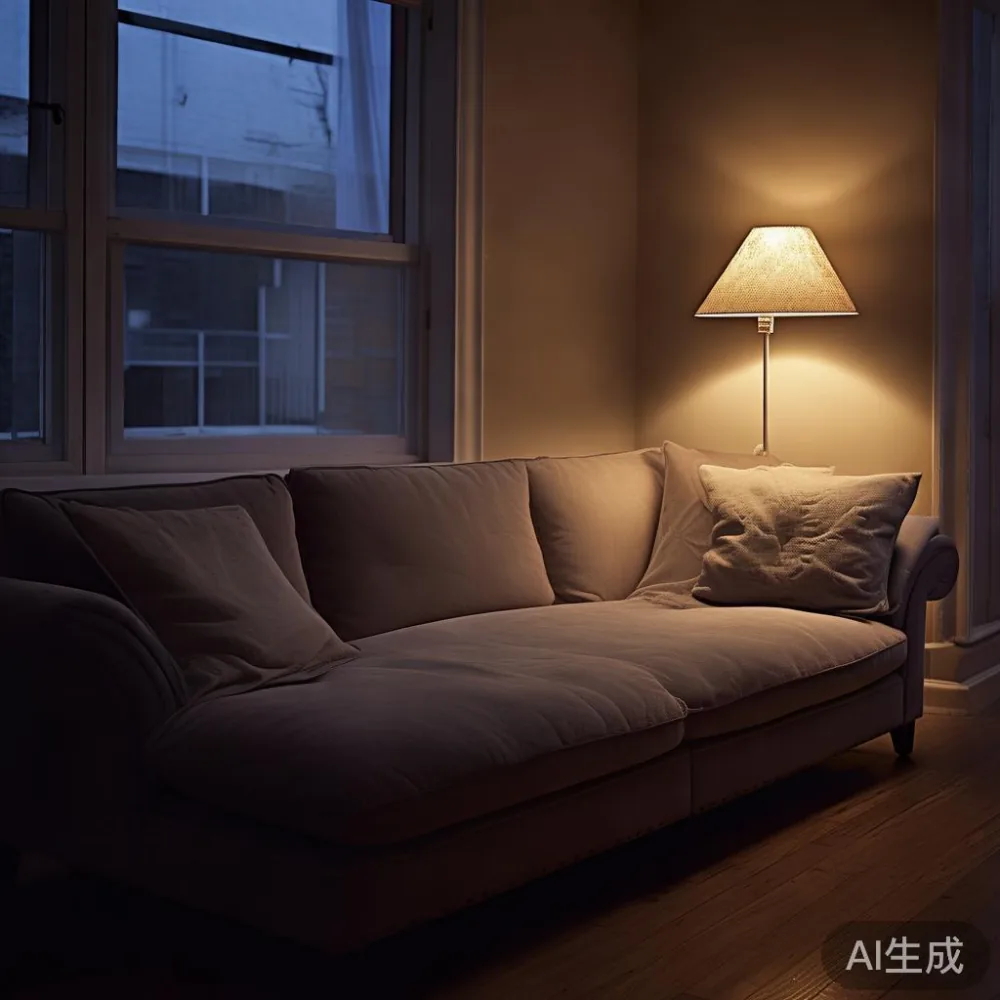
Understanding the Science: Wood's Natural Reaction to Humidity
Wood is hygroscopic, a scientific term meaning it absorbs and releases moisture from the air. Think of it like a living sponge. In a high-humidity environment like Singapore, where relative humidity can hover between 70% and 90% for much of the year, wood absorbs this moisture. This process causes the wood fibres to swell. Conversely, during the drier months or in air-conditioned rooms, the wood releases moisture and contracts. This natural cycle of expansion and contraction is the fundamental reason why humidity affects furniture.
The degree to which wood reacts depends on its species. Hardwoods like oak, walnut, and teak, commonly used in quality furniture, are generally more stable than softwoods. However, no wood is completely immune. For example, a solid wood dining table made from American white oak might swell by as much as 1/16 of an inch across its width for every 10% change in relative humidity. In a Singaporean context, where daily humidity swings can be significant, this translates to tangible movement. A 120 cm wide table could expand and contract by over 3 millimeters, which might not sound like much, but over years, this repeated stress can lead to structural issues. This is why a well-made piece, like a chaise lounge from a reputable maker, will be constructed with this natural movement in mind, using techniques like floating panels and specific joinery to prevent cracking or warping.
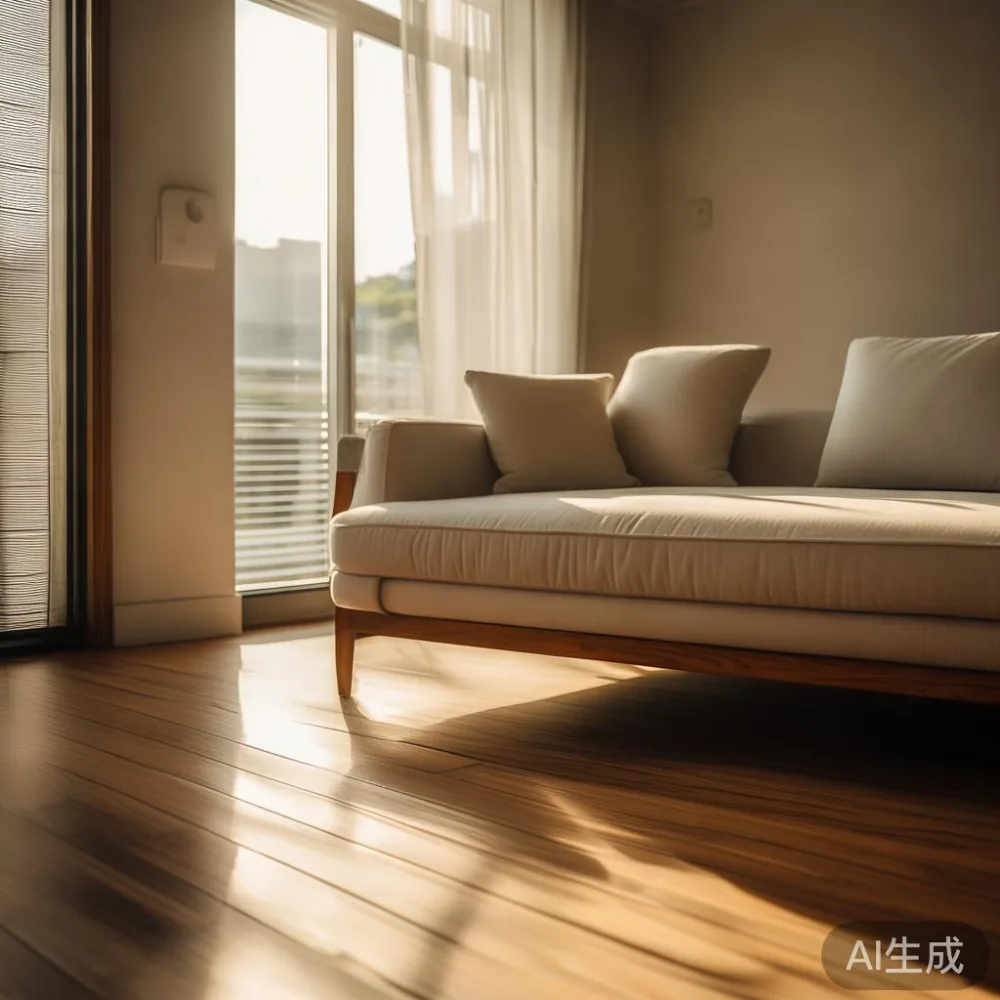
Visible Signs of Humidity Damage on Your Chaise Lounge
When wood absorbs too much moisture too quickly, the damage can be both cosmetic and structural. The most common signs of humidity stress are:
- Cracking and Splitting: This occurs when the surface of the wood dries faster than the interior, causing tension that results in cracks. A chaise lounge's armrest or the slats on its back are particularly vulnerable points.
- Warping and Bowing: The entire frame of a chaise lounge can begin to warp. A straight back might start to curve, or the legs could become unlevel, making the piece unstable and uncomfortable.
- Sticking Drawers and Doors: While not a chaise lounge feature, this is a classic sign. In a chaise, it could manifest as a stiff or unsmooth reclining mechanism if it has one.
- Cloudy or Hazy Finish: A high-quality lacquer or oil finish can be compromised by excessive moisture. The finish may appear milky, white, or feel tacky to the touch as it absorbs water from the air.
My colleague, Sarah, who lives in a 4-room HDB flat in Tampines, learned this the hard way. Last month, she visited a client who had stored a beautiful solid wood chaise lounge in a non-air-conditioned storeroom for six months. The once-smooth surface was covered in fine, hairline cracks, and the frame had visibly bowed. The repair cost was nearly SGD 800, a significant expense that could have been avoided with proper care. This kind of damage is a proof of how unforgiving the Singaporean climate can be to unprotected furniture.
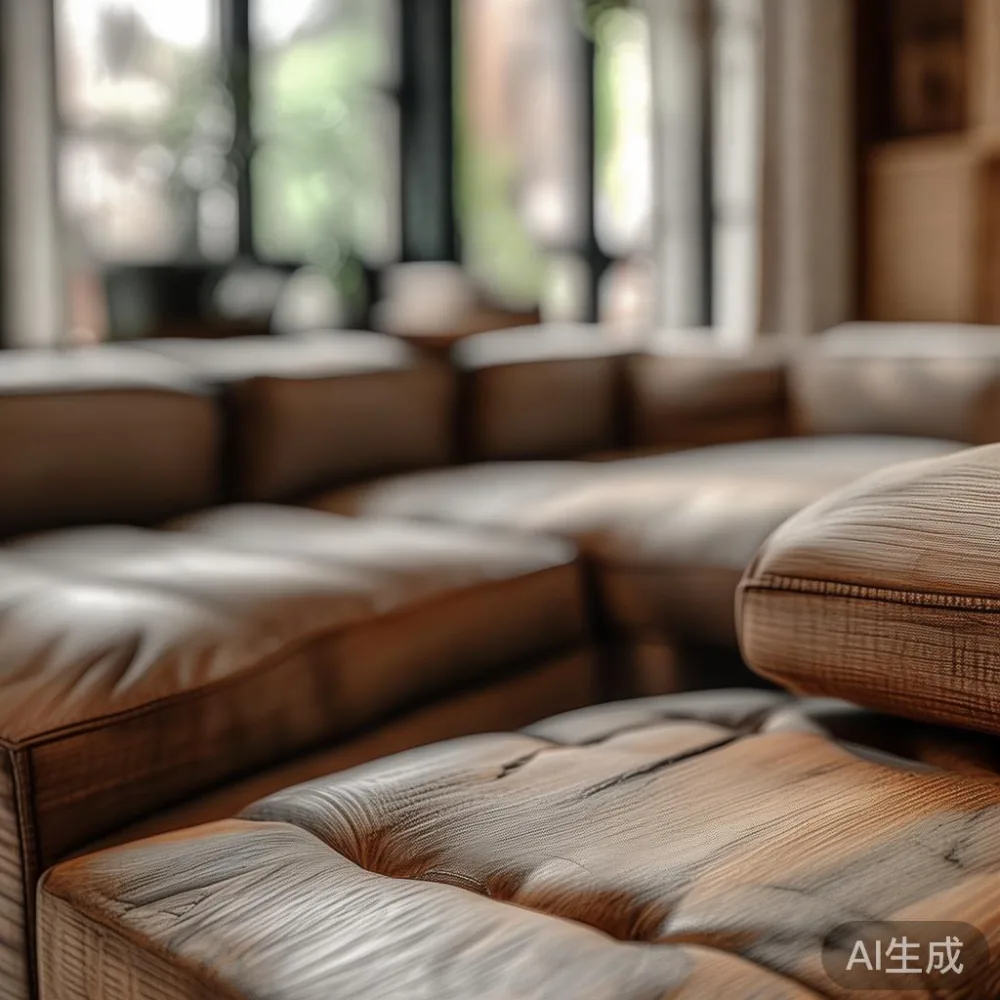
Protecting Your Investment: Practical Care for Solid Wood Chaise Lounges
Protecting your furniture doesn't require a herculean effort. It's about consistent, mindful habits that work with the environment rather than against it.
1. Embrace Air Conditioning: The most effective way to control the humidity around your furniture is to control the humidity in your home. Air conditioning units not only cool the air but also act as powerful dehumidifiers. Maintaining an indoor relative humidity between 45% and 55% is ideal for wood furniture. This is a standard setting for most modern condos and HDBs, and it creates a stable microclimate for your chaise lounge.
2. Use a Dehumidifier: For rooms without air conditioning, such as a study or a guest room, a dehumidifier is an excellent tool. A small-capacity dehumidifier, suitable for a room of about 20 square meters, can extract up to 20 litres of moisture per day from the air. Placing it near your chaise lounge during the humid evenings can make a significant difference.
3. Create Distance from the Walls: Never push a chaise lounge flush against an external wall. These walls are constantly exposed to the outside temperature and humidity, creating a damp zone. Leave a gap of at least 5-10 cm between the back of the chaise and the wall to allow for air circulation and prevent moisture from being drawn into the wood.
4. Mind Your Cleaners: When cleaning your chaise lounge, always use a soft, dry cloth. Avoid spraying any liquid directly onto the wood. If the surface needs a deeper clean, use a barely damp cloth followed immediately by a dry one to wipe away any moisture. Never use harsh chemical cleaners or abrasive sponges, as they can strip the protective finish and leave the wood more exposed.
What About Outdoor Chaise Lounges? A Different Challenge Altogether
The rules change completely for outdoor furniture. A chaise lounge intended for a balcony or garden must be specifically designed to withstand the elements. Solid wood outdoor furniture is typically made from highly durable and weather-resistant species like teak, shorea, or eucalyptus. These woods have a high natural oil content that makes them resistant to rot and insect damage.
Even so, outdoor chaise lounges require specific care. Teak, for example, will naturally turn a silvery-grey patina when exposed to the sun and rain. If you prefer to maintain its original honey-brown colour, you will need to apply teak oil or sealant every 3 to 6 months, depending on the level of sun exposure. The structural design is also different; outdoor chaise lounges often use wider slats to allow water to drain quickly and are constructed with stainless steel or other corrosion-resistant hardware to prevent rust. A standard indoor chaise lounge will not survive outdoors in Singapore for more than a season without significant damage.
How is a Chaise Lounge Made for Humid Climates Different?
When selecting a chaise lounge for a Singaporean home, the construction quality is paramount. Furniture designed for high-humidity regions incorporates specific techniques that are invisible to the eye but critical for longevity.
One of the most important aspects is the joinery. Instead of using glue alone, which can fail as the wood expands, quality furniture makers use techniques like mortise and tenon joints or dovetail joints. These interlocking mechanical connections are much stronger and can accommodate the natural movement of the wood. The finish is another key differentiator. A high-quality, multi-layered lacquer or a hard oil-wax finish creates a more effective moisture barrier than a simple stain or varnish.
This is where the choice between styles like French light luxury and post-modern light luxury becomes relevant. A French-inspired chaise lounge might feature more ornate carvings and upholstery, which can trap moisture if not properly maintained. A post-modern design, with its cleaner lines and often more open structure, might allow for better air circulation. Ultimately, the best European sofa for 2026, or the best Japandi sofa for 2026, will share these core principles of solid construction and protective finishing, regardless of their aesthetic. They are built to be, not just beautiful, but resilient.
Customer Question: Is a Solid Wood Chaise Lounge a Practical Choice for My Singapore Home?
This is an excellent question that gets to the heart of the matter. The answer is a resounding yes, but with a important condition: it must be a well-made piece of furniture from a manufacturer who understands the challenges of the local climate. A cheap, mass-produced chaise lounge made with low-quality wood and poor construction will quickly succumb to Singapore's humidity. The joints will fail, the finish will crack, and you will be left with a frustrating and expensive problem.
However, a high-quality chaise lounge, like those from established makers, is an entirely different story. These pieces are crafted from stable hardwoods and built with techniques that account for expansion and contraction. They are designed to last for decades, not just years. When you invest in a solid wood chaise lounge from a reputable source, you are not just buying a piece of furniture; you are acquiring a durable and beautiful object that can become a treasured part of your home. The key is to view it as a long-term investment, protected by proper care and a stable indoor environment. The 10-year structural warranty offered by some manufacturers is a clear indicator of their confidence in their product's ability to withstand the test of time and climate.
Making the Right Choice: Style, Warranty, and Value
Choosing a chaise lounge is a personal decision that blends aesthetic preference with practical considerations. The styles available today are incredibly diverse. You might be drawn to the elegant curves of a French light luxury piece, or you might prefer the clean, functional lines of a post-modern design. The best Japanese bed for 2026 might inspire you to look for a chaise lounge with a similar minimalist aesthetic, focusing on natural materials and understated beauty.
Regardless of the style you choose, always look beyond the surface. A reputable furniture maker will be transparent about their materials, construction methods, and warranty terms. A 10-year structural warranty is a significant promise, indicating the manufacturer's belief in the durability of their joinery and frame. A lifetime refinishing warranty is even more impressive, suggesting that the wood itself is of the highest quality and can be restored to its original beauty even after years of use. These warranties provide peace of mind, ensuring that your investment is protected.
Consider the logistics of delivery and returns. Free shipping over SGD 350 is a standard offer that makes purchasing larger items more affordable. A 14-day return policy allows you to live with the piece for a short period, ensuring it fits your space and lifestyle perfectly. When considering a purchase, think about the practicalities: will the chaise lounge fit through your HDB lift or condo corridor? A standard chaise lounge is usually around 180 cm long and 70-80 cm wide, which fits comfortably in most living spaces. These small details matter when bringing a new piece of furniture into your home.
Conclusion: Living in Harmony with Your Furniture
Living in Singapore means embracing its humidity, not fighting it. This same philosophy applies to caring for your solid wood furniture. A chaise lounge is more than just a place to sit; it's a statement of style and a piece of functional art. By understanding how wood behaves in our climate and taking simple, proactive steps to protect it, you can ensure that your chaise lounge remains a beautiful and comfortable part of your home for many years to come.
The right furniture, cared for correctly, becomes a smooth extension of your life. It ages gracefully, developing a unique patina that tells the story of your home. Whether you are furnishing a new condo in Punggol or updating your living room in a Bedok HDB flat, choosing a well-crafted chaise lounge is a decision you will enjoy every day. It's about creating a space that is not only stylish and comfortable but also intelligent and enduring, perfectly suited to the rhythm of life in the Lion City.