The Chaise Lounge Conundrum: What to Check Before Buying a Sofa You Cannot Sit On
In Singapore, where living spaces are often a study in efficient design and compromise, the chaise lounge represents a bold statement of relaxation. It’s a piece that invites you to stretch out, to recline, to steal a moment of quiet from the city's hum. But what happens when that perfect piece is in a showroom across town, or worse, on a website in another country? How do you commit to a significant purchase for your Tampines HDB flat or your Bedok condo without the simple act of sitting down to test it? The answer lies in a meticulous, almost detective-like approach to evaluating a chaise lounge from a distance. It requires shifting your focus from tactile sensation to a detailed analysis of specifications, materials, and logistics. This guide will walk you through the exact steps to take, ensuring your new chaise lounge is not just beautiful, but perfectly suited to your life, your space, and your budget.
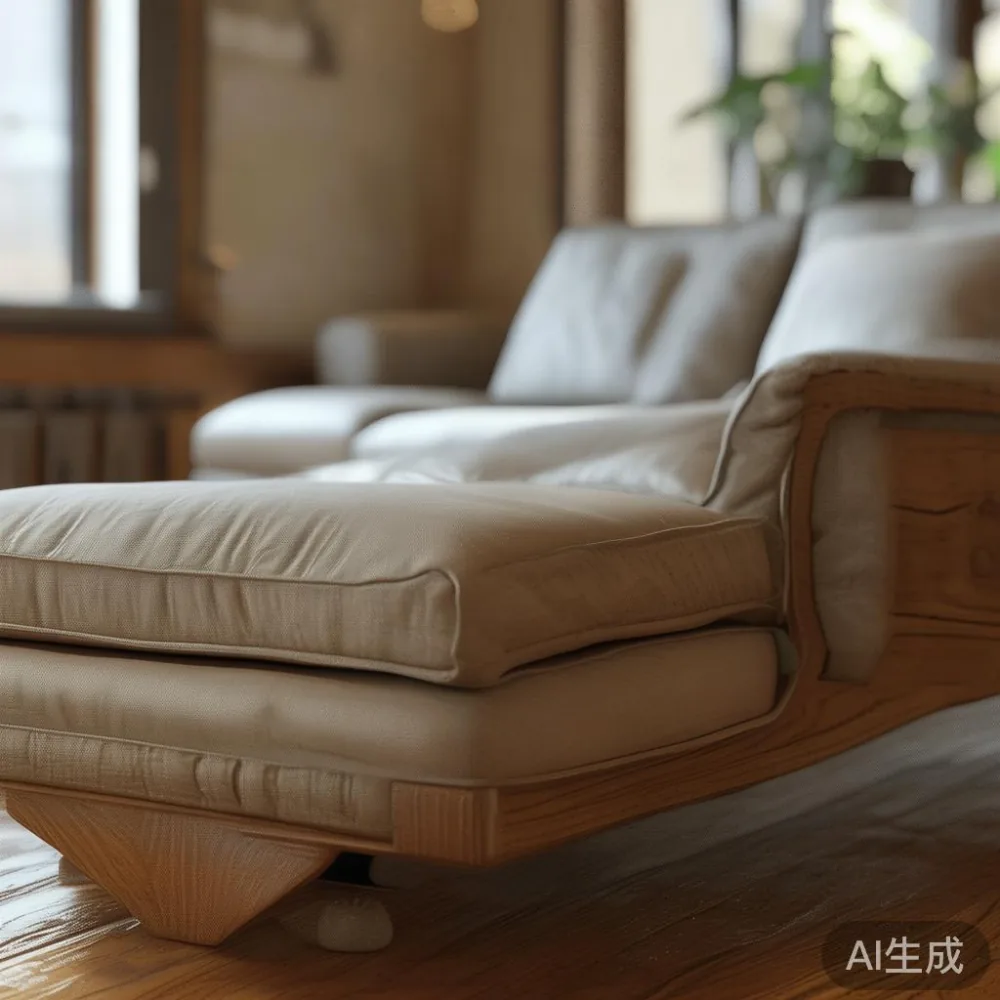
Why You Can't Sit on Your Dream Chaise Lounge
The reasons for this predicament are as varied as the chaise lounges themselves. Perhaps you are browsing online for a specific style—a post-modern light luxury chaise lounge with clean lines and a low profile—and the seller is based overseas. Or maybe you found a stunning solid wood chaise lounge in a boutique showroom in Singapore, but it's the last floor model, and you can't bring it home until it's purchased. Another common scenario is ordering directly from a manufacturer like MIDHILL, a Foshan-based company with a reputation for quality, where the focus is on craftsmanship and global delivery, not in-person trials. Regardless of the reason, the challenge remains the same: making a confident decision without the most obvious step. This isn't a flaw in the buying process; it's an opportunity to become a more informed and discerning customer. By understanding what to look for beyond the sit, you can eliminate uncertainty and invest in a piece of furniture that will bring you joy for years to come.
Blueprint for Bliss: Measuring Your Space with Precision
The single most critical factor when buying a chaise lounge without sitting on it is a comprehensive understanding of your available space. A beautiful chaise lounge that doesn't fit through your door or blocks your corridor is not just a poor purchase; it's a logistical nightmare. Start with the chaise lounge’s exact dimensions. Don't rely on the 'approximate' size listed in the product description. You need the precise measurements in centimetres: the total length, the width at the widest point (including any arms or legs), and the height from the floor to the top of the backrest. Write these numbers down.
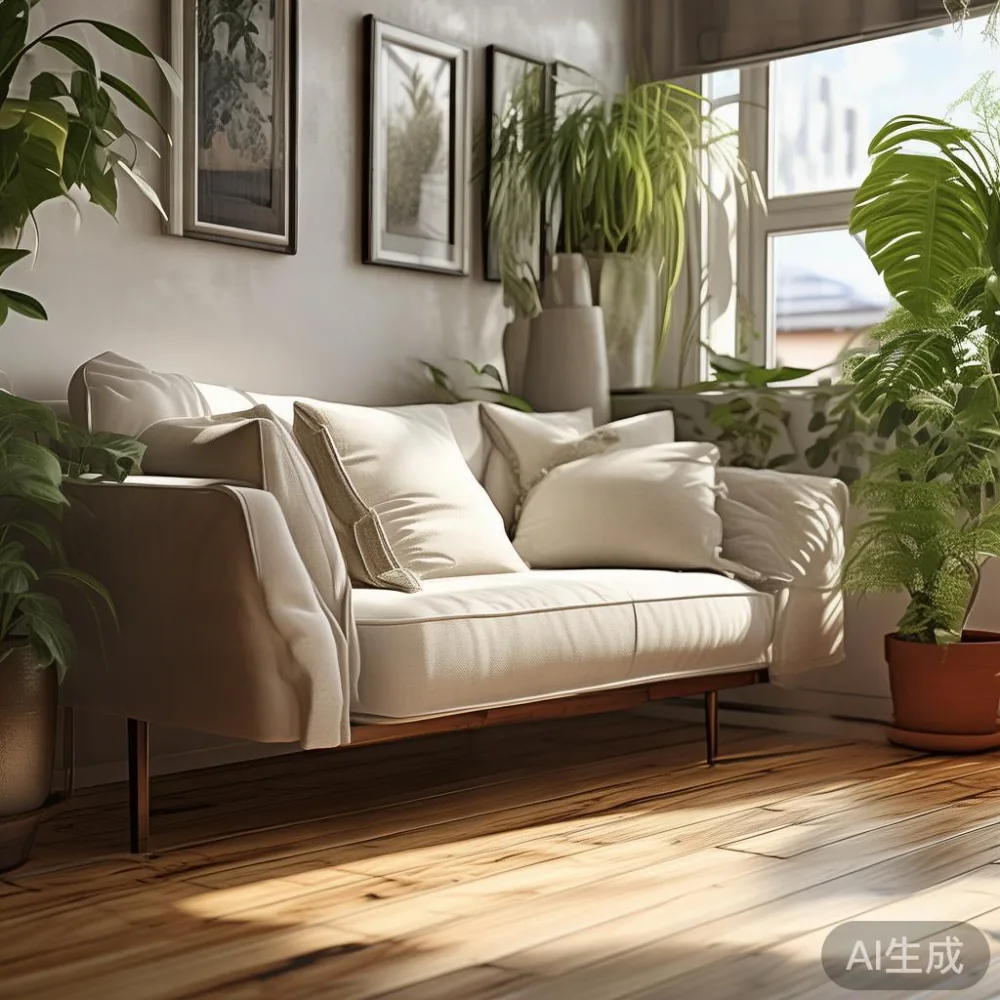
Next, measure your intended location. In a Singapore HDB flat, standard corridor widths are approximately 1.2 metres. For condos in areas like Punggol, corridors might be slightly wider, but never assume. Measure the clear width of your hallway, from wall to wall. Then, measure the height and width of your lift. A standard HDB lift is about 1.1 metres wide and 2.1 metres tall. If your chaise lounge is 190 cm long, you need to ensure it can be manoeuvred into the lift and through your corridors without being tilted at an awkward angle. Consider the path from the lift to your living room. Are there any tight turns? A sharp 90-degree corner might require the chaise lounge to be carried diagonally, which affects the required clear space.
Finally, measure the exact spot where the chaise lounge will live. Leave at least 45 cm of clearance on all sides for comfortable movement. A common mistake is to place a 180 cm chaise lounge in a 200 cm space, leaving only 10 cm at either end, which makes it impossible to walk around or clean behind. Visualise the chaise lounge in the room. Does it block a window or a walkway to the kitchen? A chaise lounge is a statement piece, but it should enhance the flow of your space, not obstruct it. This spatial planning is non-negotiable and forms the foundation of a successful purchase.
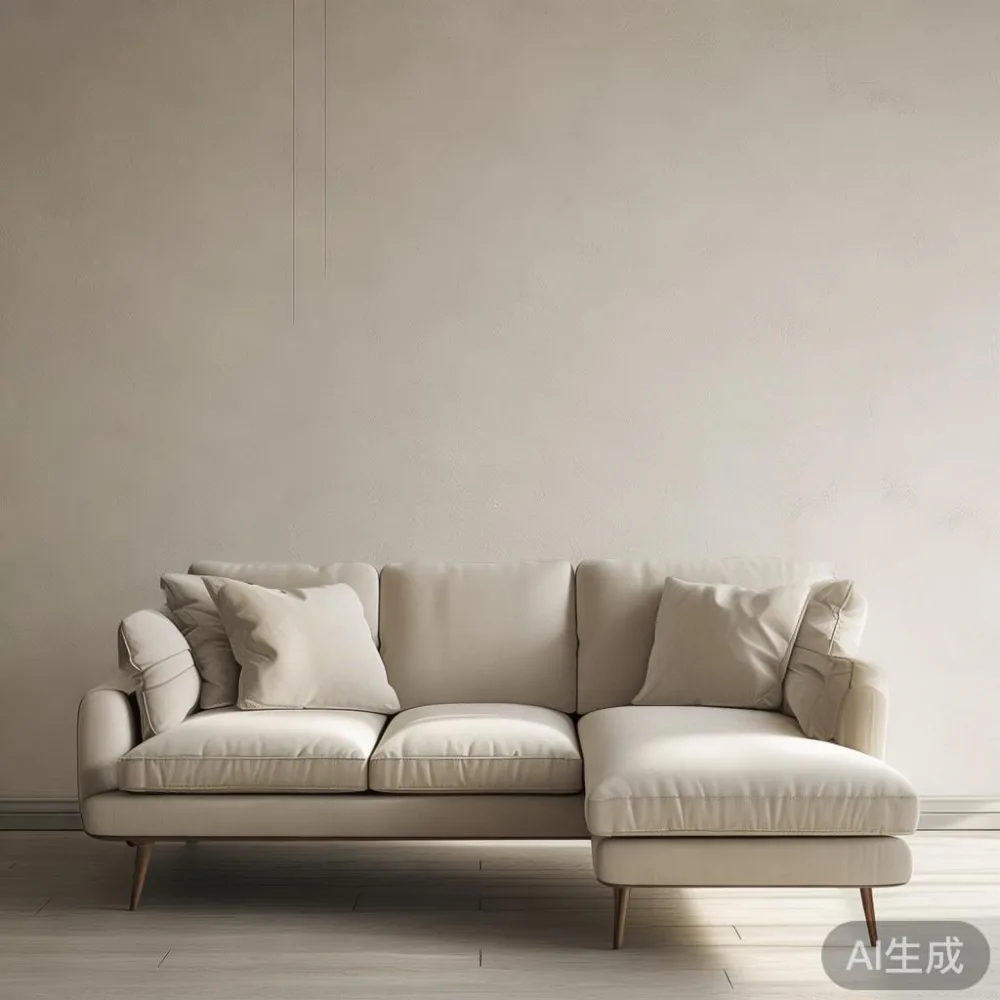
Decoding the Details: Frame, Fabric, and Feel
Once you've confirmed the chaise lounge will physically fit, it's time to investigate its quality. Since you can't feel the cushions or test the recline, you must become an expert in the product's specifications. The frame is the skeleton of your chaise lounge. For a piece that will be used for years, a solid wood frame is the gold standard. Ask the manufacturer about the type of wood—common high-quality choices include rubberwood, beech, or oak. A solid wood frame provides superior stability and longevity compared to a particleboard or MDF frame, which can sag or break over time. Inquire about the joinery. Dovetail or mortise-and-tenon joints are indicators of superior craftsmanship and are far more durable than simple screws or staples.
The cushioning determines comfort. Look for high-density foam, rated by its density in kilograms per cubic metre (kg/m³). A good quality foam for a seat cushion will have a density of at least 30 kg/m³, while back cushions might be slightly less, around 25 kg/m³. Higher density foam will feel firmer initially but will provide better support and last much longer than cheaper, low-density foam that quickly loses its shape. Ask about the filling for back and armrests. A combination of high-resilience foam and polyester fibre filling is common and offers a good balance of support and softness. Avoid cushions filled only with loose fibre, as they tend to clump and flatten unevenly.
The fabric is the chaise lounge's skin and its first line of defence against wear and tear. Pay close attention to the material. Linen, cotton, and performance fabrics like Sunbrella are excellent choices for Singapore's climate, as they are breathable and durable. Check the fabric's rub count, measured in Martindale tests. A count of 30,000 to 60,000 Martindale rubs is suitable for a residential piece used daily, indicating it will resist pilling and fading. For a touch of light luxury, consider a chaise lounge with a bouclé or chenille fabric, which adds a soft, textured, and sophisticated feel to a space, aligning with the French light luxury aesthetic that many homeowners in Singapore admire.
What is a Good Warranty for a Chaise Lounge?
A warranty is your promise of quality and the manufacturer's confidence in their product. When buying a chaise lounge sight unseen, a comprehensive warranty is not just a bonus; it's a necessity. A warranty that covers only manufacturing defects for one year is a baseline, but it may not be sufficient for a significant investment. Look for a structural warranty. This is a critical component that guarantees the frame of the chaise lounge against defects for an extended period. A 10-year structural warranty, for example, is a strong indicator of a well-built piece that is designed to last for decades, not just a few years.
Beyond the frame, consider coverage for the cushions and upholstery. A warranty that includes cushion resilience for 3 to 5 years ensures that if the foam sags or loses its shape prematurely, you can get it replaced or repaired. This is particularly important for a chaise lounge, which often bears the full weight of a person reclining. Also, check for a refinishing or re-upholstery warranty. Some premium brands offer a lifetime refinishing service, meaning if the fabric or finish becomes damaged, they will help restore it. This long-term commitment to the product's lifecycle is a hallmark of a reputable manufacturer. When you see a 10-year structural warranty paired with a lifetime refinishing promise, you can be confident you are dealing with a company that stands behind its craftsmanship, similar to the standards upheld by established makers like MIDHILL.
The Unseen Journey: Understanding Delivery and Returns
Even the most perfect chaise lounge can become a source of stress if the delivery process goes wrong. This is an area where the details matter immensely, especially in a dense urban environment like Singapore. First, clarify the delivery timeline. When you place your order, ask for the exact number of days for production and shipping. A solid wood chaise lounge is not mass-produced; it's crafted, which takes time. A lead time of 60 to 90 days from a manufacturer in Foshan is not uncommon. Factor in this timeline if you have a specific date in mind, like moving into a new condo in Bedok.
Next, understand the delivery service. Is it a simple 'curb-side' delivery, where the box is left at your door? Or is it a 'room-of-choice' service, where the delivery team will bring the chaise lounge into your specified room and unpack it for you? For a large, heavy item like a chaise lounge, room-of-choice is highly recommended. Ask about the delivery team's capabilities. Can they disassemble the chaise lounge if necessary to work through tight corners in your Punggol apartment? A professional service will be able to advise on this.
Cost is another critical factor. Shipping a chaise lounge internationally or even across Singapore can be expensive. Look for companies that offer free shipping for orders above a certain value. For example, free shipping on orders over SGD 3,500 is a common and attractive offer that can save you a significant amount. Finally, consider the return policy. What happens if the chaise lounge arrives damaged, or if it simply doesn't look right in your space? A 14-day return policy gives you a safety net. This allows you to inspect the piece thoroughly once it's in your home. Be aware that return shipping costs are often the responsibility of the buyer, so factor this potential expense into your decision. A clear and fair return policy provides peace of mind and protects your investment.
From Foshan to Your Flat: A Real-World Test
My colleague, Sarah, recently went through this exact process. She was furnishing her new 4-room HDB flat in Tampines and had her heart set on a specific chaise lounge from a Foshan-based supplier. She couldn't visit the showroom, so she had to rely entirely on her research. She started by creating a detailed floor plan of her living room, marking every dimension in centimetres. She then found the exact specifications for the chaise lounge: 185 cm long, 85 cm wide, and 75 cm high. She confirmed it would fit through her 1.2-metre-wide corridor and into her living room with 50 cm of clearance on each side.
She spent a week scrutinising the product details. The frame was solid rubberwood with a 5-year warranty, but she dug deeper and found the company actually offered a 10-year structural warranty. The seat foam density was 35 kg/m³, and the fabric was a performance linen with a 50,000 Martindale rub count. She was impressed. The price was SGD 2,800, which qualified her for free shipping. She placed her order. The production took 45 days, and shipping took another 18 days, for a total of 63 days. When it arrived, the delivery team was professional, carried the chaise lounge into her living room without a single scratch, and even helped her position it. The final piece was perfect, exactly as she had envisioned it from the photos and specs. Her experience proved that with careful preparation, buying a chaise lounge you cannot sit on is not just possible, but can lead to a perfect result.
Cost Considerations: The True Price of Relaxation
When evaluating a chaise lounge, the price tag is the most visible number, but it's rarely the full story. It's important to look beyond the initial SGD amount and understand the total cost of ownership. A cheap chaise lounge might seem like a bargain, but it could cost you more in the long run. A poorly constructed frame with a 1-year warranty might need to be replaced in 3 years, meaning you're paying twice for the same piece. Low-density foam cushions will lose their shape quickly, leading to an uncomfortable and unsightly seat long before their time.
Instead of focusing on the cheapest option, consider the value. A well-made chaise lounge from a reputable source is an investment. It's a centrepiece for your living room that will be used daily for years, if not decades. Think about the cost per year of use. A chaise lounge that costs SGD 4,000 and lasts 10 years costs you SGD 400 per year. A cheaper one that costs SGD 2,000 but needs to be replaced in 5 years costs SGD 400 per year as well, but without the same level of quality or longevity. The initial higher price often reflects better materials, superior craftsmanship, and a more durable design.
Also, don't forget to factor in additional costs. If the price of the chaise lounge is SGD 3,200 and free shipping is only for orders over SGD 3,500, you'll need to pay for delivery, which could be another SGD 150 or more. Similarly, if you need to hire someone to assemble it or move it into your condo, that's an extra expense. A chaise lounge from a company like Foshan Lingzhan might seem expensive at first glance, but when you factor in the 10-year warranty, the high-quality materials, and the included delivery, the total value often becomes clear. The goal is to find a chaise lounge that represents fair value for its quality, ensuring it remains a source of comfort and style, not a source of regret.