Preserving the Polish: A Guide to Caring for Your Lacquered Chaise Lounge in Singapore's Humid Climate
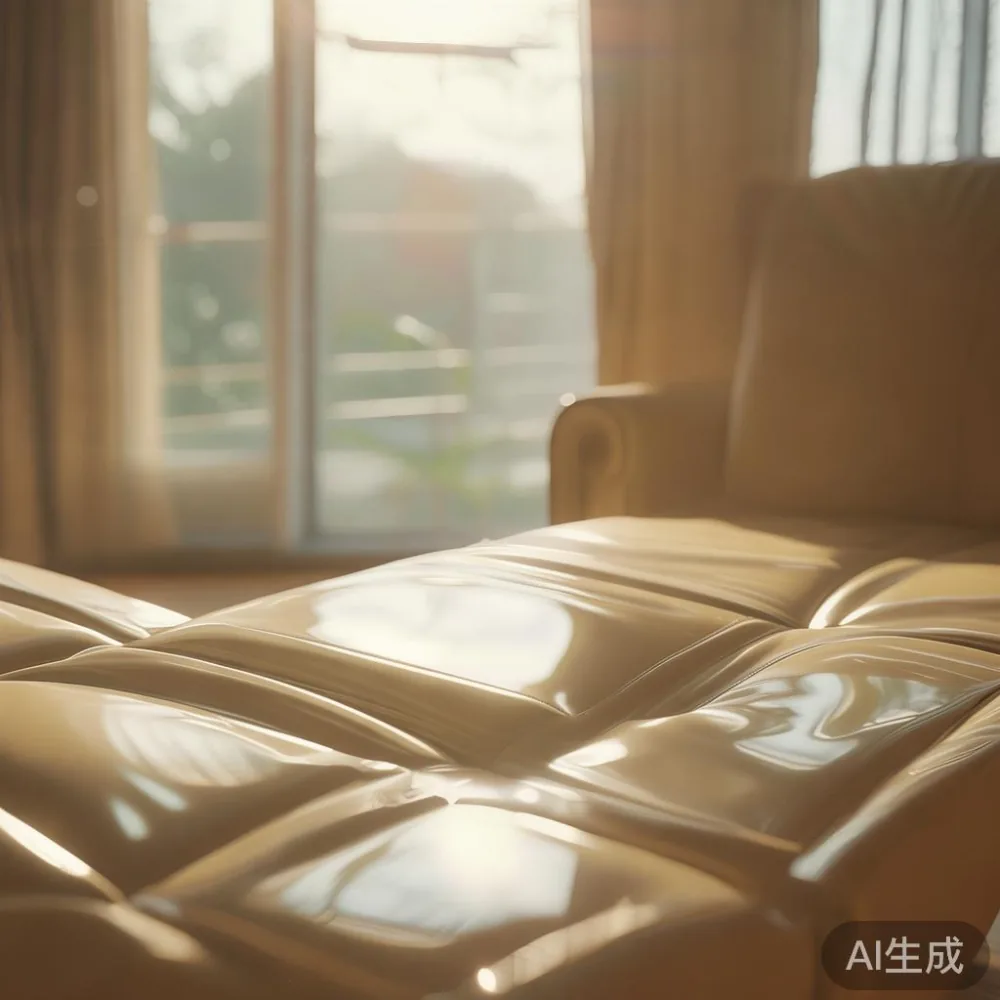
Imagine sinking into the plush cushions of your new chaise lounge after a long day. The afternoon sun streams through the window of your Tampines HDB flat, catching the deep, reflective sheen of the lacquered wood surface. It’s a moment of pure, unadulterated comfort. But in Singapore, where the average humidity hovers around 85% and temperatures can climb to 32°C, that beautiful finish is in a constant battle against the elements. A lacquered surface, while stunningly elegant, requires a specific kind of care to maintain its lustre and prevent the long-term effects of moisture and heat. This guide will walk you through the practical steps to protect your investment, ensuring your chaise lounge remains a centrepiece of your home for years to come.
Understanding Your Lacquered Finish
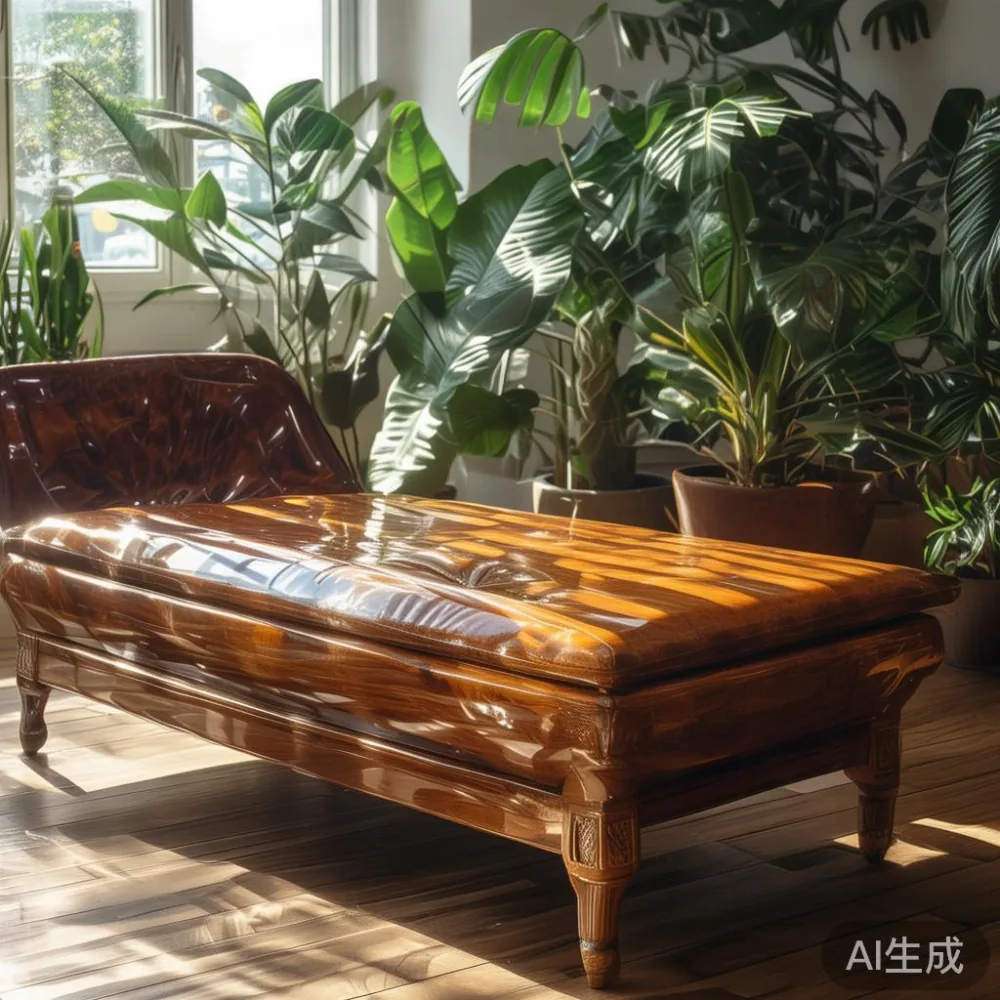
Before we discuss care, it's important to understand what you're working with. A lacquered finish, often seen on high-end solid wood sofa and bed frame pieces, is created by applying multiple layers of a clear, hard resin to the wood. This process, known as lacquering, creates a glass-like, durable, and water-resistant surface. It’s this very quality that gives furniture its premium, light luxury feel, reminiscent of French or American design philosophies where finish is paramount. However, this hard, non-porous surface, while protective, can also be sensitive to sudden changes in temperature and humidity, which can cause it to expand, contract, or even develop a milky-white haze known as blush.
The specific type of lacquer used by quality manufacturers like those found at midhill.co is designed for longevity. It’s different from a simple varnish or wax. A proper furniture lacquer forms a tough, chemical-resistant shell that can withstand the rigours of daily life. But even the best finish needs a helping hand in a tropical climate. The goal of care is not to restore the finish, but to maintain its integrity by preventing damage in the first place. Think of it less as cleaning and more as preventative preservation.
Preventative Measures: Your First Line of Defence
The most effective way to care for a lacquered surface is to prevent problems before they start. In Singapore's climate, this means managing the environment where the furniture lives. Your chaise lounge in a Punggol condo or a Bedok HDB flat faces unique challenges. Positioning is key. Avoid placing your chaise lounge directly in front of an air-conditioning vent. The constant, cold blast of dry air can cause the wood and its lacquer to contract and crack over time. Similarly, keep it at least 50 cm away from any direct heat source, like a radiator or even a powerful halogen lamp, which can create hot spots that damage the finish.
Sunlight is another silent enemy. UV rays can discolour and fade the rich tones of the lacquer over a period of 6 to 12 months, depending on the intensity of exposure. If your chaise lounge sits in a sunny spot, consider using sheer curtains or blinds to filter the light. This simple step can prevent the need for costly refinishing down the line. For those with a marble table in the same room, remember that marble also reacts to sunlight and can fade, so the same principle applies.
Finally, be mindful of what comes into contact with the surface. Place coasters under glasses, especially those containing cold liquids or acidic beverages like orange juice. A cold glass can leave a ring of condensation that, if left, can seep into the wood and cause a permanent white stain. Similarly, use placemats under hot dishes or plates to protect the finish from heat marks. These small habits, costing less than SGD 20 for a set of quality coasters, can save you hundreds in potential damage repairs.
Is it safe to use a regular household cleaner on my lacquered chaise lounge?
The short answer is a resounding no. Using common household cleaners is one of the fastest ways to ruin a lacquered finish. Products like Windex, Pledge, or even multi-surface sprays contain ammonia, alcohol, and other solvents that are designed to cut through grease and grime. While effective on countertops, these chemicals will strip away the protective lacquer, leaving the wood underneath exposed, dull, and sticky. You might think you are cleaning, but you are actively dissolving the finish.
My colleague, Sarah, who manages our Singapore showroom, learned this the hard way. Last month, a customer brought in a beautiful designer Modern light luxury furniture chaise lounge that had been 'cleaned' with a popular furniture polish. The result was a cloudy, patchy mess where the lacquer had been chemically burned. It took a professional refinishing job to restore it, a process that cost the owner over SGD 450 and took 14 days. This experience is a powerful reminder that the right products are not just a recommendation; they are a necessity. Always opt for products specifically formulated for lacquered or high-gloss furniture surfaces. These are typically pH-neutral and free of harsh abrasives and solvents.
The Gentle Art of Dusting and Cleaning
Dusting is the most frequent form of care your chaise lounge will need, and doing it correctly is paramount. Dust, sand, and other abrasive particles can act like fine sandpaper on the surface, creating micro-scratches that dull the finish over time. For daily dusting, use a soft, lint-free microfiber cloth. A dry cloth is often sufficient. Gently wipe the surface in the direction of the wood grain. Avoid circular motions, as these can catch on dust particles and create fine swirl marks.
For a more thorough cleaning when the surface has fingerprints or light smudges, a slightly damp cloth is acceptable. The cloth should be wrung out until it is almost dry—just barely damp. Use a separate, clean microfiber cloth to immediately buff the surface dry. Never let moisture sit on the lacquer. For those with a wardrobe or nightstand in the same finish, apply this same gentle cleaning technique across all your pieces to maintain a consistent look and level of care.
For deeper cleaning, you will need a dedicated wood cleaner. Look for a product that is labelled 'for lacquered finishes' or 'for high-gloss furniture'. Apply a small amount, about the size of a 20-cent coin, onto a soft cloth, not directly onto the furniture. Work in small, manageable sections, wiping with the grain. Follow up immediately with a clean, dry microfiber cloth to buff the surface to a brilliant shine. This process should be done no more than once every 3 to 4 months, or only when necessary, to avoid over-cleaning.
Dealing with Common Tropical Problems
Living in Singapore means you will inevitably encounter specific issues related to the climate. The most common is the dreaded 'blush' or 'bloom'. This is a white, cloudy film that appears on the lacquer when moisture gets trapped beneath the surface. It often happens when a cold object is placed on the wood, causing condensation. If you notice blush, do not rub it, as this will make it worse. Instead, let the surface acclimate to room temperature for several hours. Often, the blush will dissipate on its own as the moisture evaporates. If it persists, you can try buffing it gently with a soft, dry cloth. For stubborn cases, a very mild solution of water and a drop of pH-neutral soap can be used on a cloth, followed by immediate drying.
Another problem is heat marks or rings. These occur when a hot object or a very cold object with condensation is left on the surface. For very new, faint marks, you can try applying a small amount of non-gel toothpaste to a soft cloth and gently rubbing the spot in a circular motion. The mild abrasives in the toothpaste can sometimes buff out the mark. However, this is a risky technique and should be used with extreme caution. For older, more established marks or if you are unsure, it is always best to consult a professional furniture restoration service. Attempting to fix it yourself could make the damage permanent.
Long-Term Protection and When to Call a Professional
Even with the best preventative care, a lacquered surface will eventually show signs of wear. Over a period of 5 to 7 years, you might notice the finish losing some of its original sheen or developing minor scratches. This is normal. At this stage, a professional furniture polishing or refinishing service is the best option. A professional technician can carefully sand the surface and apply new layers of lacquer, restoring it to its original condition. This is a service that is often covered under a lifetime refinishing warranty from reputable manufacturers, a key consideration when making a purchase.
When considering new furniture, it's wise to think about the long-term care involved. For example, a question often asked is, is Japanese wardrobe worth it? The answer often lies in its construction and finish quality. A well-made piece with a durable lacquer will be far easier to maintain in our climate than a cheaper alternative with a poor finish. The same logic applies to a solid wood sofa or a dining table. You might ask yourself, is American bed worth it for its style, but you must also consider the practicality of its care. For those who love a classic look, incorporating Vintage for dining room pieces can add character, but ensure they are properly sealed with a modern, moisture-resistant lacquer. Alternatively, a light luxury for dining room aesthetic, focusing on clean lines and impeccable finishes, can be a more practical choice for a modern Singaporean home. If you're planning for the future, you might even search for the best Japandi wardrobe for 2026, a style that blends Japanese minimalism with Scandinavian comfort, often featuring durable, easy-to-maintain finishes.
Caring for a lacquered chaise lounge in Singapore is about respecting the material and understanding its environment. It’s a commitment to preserving beauty through simple, consistent actions. By following these guidelines, you can ensure that your chaise lounge continues to be a source of comfort and style, a perfect spot to relax in your condo or HDB flat, for many years to come.