The Long-Term Value of a Chaise Lounge: A 5-Year Cost Comparison Between Veneer and Solid Wood in Singapore
For many residents in Singapore, from the compact HDB flats of Tampines to the spacious condos of Punggol, the living room is the heart of the home. It is a space for relaxation, conversation, and unwinding after a long day. A key piece of furniture that defines this space is the chaise lounge. It offers a unique spot to lounge and read, making it a desirable addition. However, when selecting a chaise lounge, a significant decision arises: veneer or solid wood? This choice impacts not just the initial purchase price but also the long-term value and cost of ownership over a five-year period. This article provides a detailed cost comparison, incorporating local Singaporean context like GST, delivery logistics, and the realities of living space.
Understanding the Materials: Veneer vs. Solid Wood
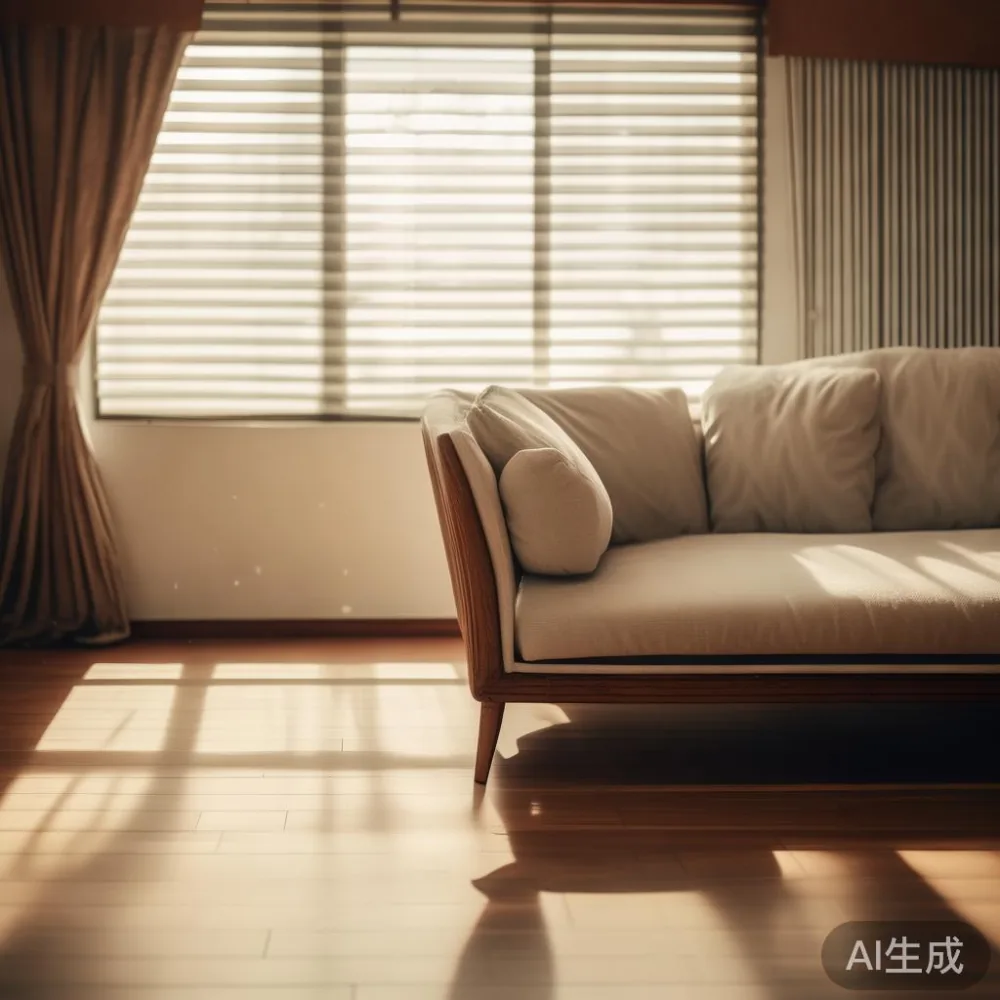
To begin, it is important to understand what these terms mean. A solid wood chaise lounge is constructed from a single, solid piece of timber, such as oak, walnut, or teak. The entire frame, from the legs to the armrests and the main body, is carved or assembled from this solid wood. This results in a piece of furniture that is exceptionally durable, heavy, and possesses a natural, timeless beauty. The weight of a solid wood chaise lounge can range from 45 kg to 75 kg, depending on the wood species and dimensions. Its longevity is measured in decades, and it can be refinished multiple times to restore its original appearance.
In contrast, a veneer chaise lounge uses a thin layer of real wood (the veneer) applied over a core made of a less expensive material, such as MDF (Medium-Density Fiberboard), particleboard, or plywood. The veneer provides the look of solid wood at a fraction of the cost. However, the underlying core material is susceptible to damage from moisture and weight. Over time, the veneer can peel, chip, or bubble, especially in Singapore's humid climate. The weight of a veneer chaise lounge is significantly lower, typically between 25 kg and 40 kg, making it easier to move but less structurally sound.
The Initial Investment: A Singaporean Perspective
The most immediate difference between veneer and solid wood is the price point. In Singapore, where a 9% Goods and Services Tax (GST) applies to all furniture purchases, the initial outlay is a critical factor. Let's consider a standard chaise lounge measuring 180 cm in length, 80 cm in width, and 75 cm in height.
A chaise lounge made with a veneer finish might be priced at SGD 1,800 before GST. After tax, the cost becomes SGD 1,962. This price point makes veneer an attractive option for those furnishing a new apartment, such as a 4-room HDB flat in Bedok or a smaller condo unit. The lower initial cost allows for budget allocation to other pieces like a dining table or nightstand. The lighter weight is also a practical benefit for working through Singapore's narrow lift corridors and doorways, which often have a width of 80 cm.

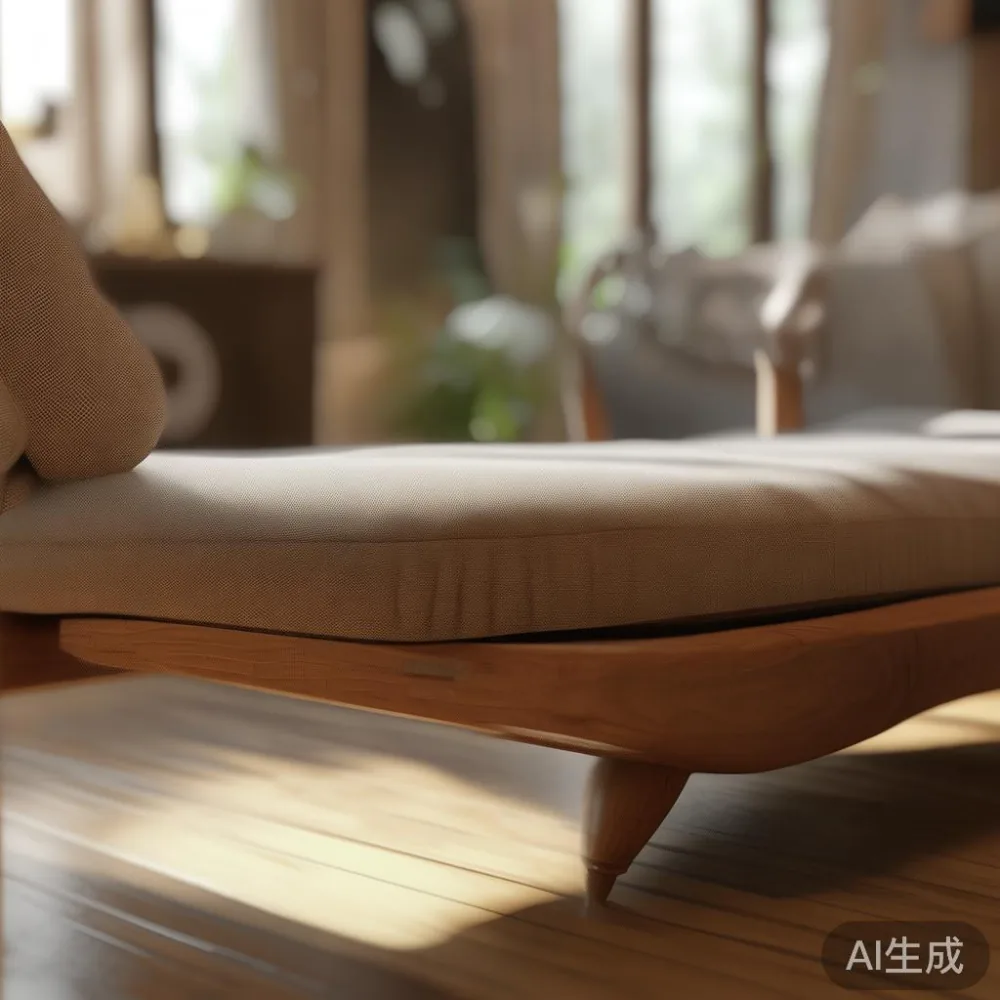
A solid wood chaise lounge, on the other hand, commands a higher price. For a similar-sized piece made from high-quality solid wood like oak or walnut, the pre-GST price could be SGD 3,500. After adding the 9% GST, the final price is SGD 3,815. This represents a significant upfront investment of nearly SGD 2,000 more than the veneer option. For a family moving into a new build-to-order (BTO) flat in Punggol, this difference can influence the furnishing budget. The solid wood chaise lounge's weight of around 60 kg also means that delivery and placement require more care, potentially incurring additional handling fees if the building has no elevator.
Year 1-2: Aesthetics and the First Signs of Wear
In the first two years, both types of chaise lounges will look beautiful and serve their purpose well. The veneer piece provides the aesthetic of solid wood without the high cost. It fits perfectly into a light-luxury living room design, perhaps with a minimalist sofa and a marble table to create an elegant yet uncluttered space. The owner might even be thinking about how to style Japandi sofa in apartment settings for a guest room, using the chaise lounge as a complementary piece.
However, subtle issues may begin to emerge with the veneer. In Singapore's high-humidity environment, the MDF core can absorb moisture, especially if the chaise lounge is placed near an air-conditioning vent or a window. This can cause the veneer to warp slightly or develop small bubbles. Minor scratches on the surface are also more problematic. A deep scratch on a veneer surface can expose the composite core, which is difficult and expensive to repair properly. A solid wood chaise lounge, while susceptible to scratches, will show them as marks on the wood itself, which can be sanded out during refinishing. The natural patina of solid wood also begins to develop, adding to its character.
Year 3-4: The Turning Point in Costs and Durability
By the third and fourth years, the cost of ownership begins to diverge significantly. The veneer chaise lounge is more likely to show visible signs of deterioration. The constant sitting and shifting of weight can cause the internal joints, often held by staples or glue, to loosen. The veneer on the armrests or seat might start to lift. Repairing these issues is costly. A professional repair to re-glue a veneer patch and re-finish it to match the surrounding area can cost between SGD 300 and SGD 600 per session. Also, if the structural integrity is compromised, the entire piece may become wobbly and unsafe.
The solid wood chaise lounge, in contrast, remains structurally sound. Its mortise-and-tenon joints or sturdy screw construction are built to last for decades. The only maintenance required in this period might be occasional polishing with a suitable wood oil to keep the finish nourished. This simple task costs less than SGD 50 a year. The owner might also consider a minor design refresh. For instance, they could swap out the existing nightstand for a French provincial coffee table to complement the chaise lounge's classic lines. The question of French bed vs French provincial bed might arise if they are also furnishing the bedroom, highlighting a consistent appreciation for quality craftsmanship.
Is a Solid Wood Chaise Lounge Really Worth the Higher Price?
This is a common question for homeowners weighing their options. The answer lies in the total cost of ownership over five years. Let's break it down. For the veneer chaise lounge, the initial cost was SGD 1,962. If we budget for two minor repairs at an average of SGD 400 each, the total cost after five years is SGD 1,962 + (2 x SGD 400) = SGD 2,762. This does not account for potential major structural repairs, which could add another SGD 800 to SGD 1,200.
For the solid wood chaise lounge, the initial investment was SGD 3,815. Over five years, the owner spends approximately SGD 250 on maintenance (polishing and perhaps one professional deep clean). The total cost is SGD 3,815 + SGD 250 = SGD 4,065. While the solid wood option is still more expensive, the difference narrows considerably. More importantly, the solid wood piece retains a much higher residual value. A well-maintained five-year-old solid wood chaise lounge could be sold for 50-60% of its original price. The veneer piece, with its potential repairs and visible wear, might only retain 20-30% of its value. When factoring in resale value, the long-term financial advantage tilts towards solid wood.
Local Logistics and the MIDHILL Advantage
Purchasing furniture in Singapore involves more than just the price tag. Delivery is a key consideration. A veneer chaise lounge, being lighter, is easier for two delivery persons to handle. They can work through standard HDB corridors (typically 1.2 meters wide) with relative ease. However, a solid wood chaise lounge's weight and bulk require a more experienced delivery team. Some companies charge extra for handling heavy items in buildings without lifts. This is a logistical cost that must be factored in.
This is where the experience of a manufacturer like MIDHILL, with its Foshan factory, becomes relevant. They understand the nuances of the Singapore market. Their 10-year structural warranty provides immense peace of mind, covering any defects in the wood or construction that might arise. This warranty alone can save a homeowner thousands in potential repair costs for a solid wood piece. Also, their offer of free shipping for orders over SGD 350 simplifies the purchasing process. A colleague of mine last month visited their Singapore showroom and noted how their post-modern light luxury chaise lounges were not only beautiful but also designed with practical dimensions in mind, ensuring they fit comfortably in Singapore's living spaces without overwhelming them.
The Final Verdict: A Lifestyle Investment
Choosing between a veneer and a solid wood chaise lounge is ultimately a decision about long-term value versus short-term savings. Veneer furniture offers an affordable entry point into a stylish home but comes with the risk of higher maintenance costs and a shorter lifespan. For a European for small living room aesthetic, a veneer piece might suffice for a few years, but its durability is questionable.
Solid wood furniture represents a significant upfront investment. However, it is an investment in durability, timeless beauty, and longevity. A solid wood chaise lounge is a piece of furniture that can be passed down, becoming a part of the home's history. For those who value quality and are looking for a Coastal for guest room option that offers both comfort and lasting style, the choice becomes clearer. The five-year cost comparison shows that while the initial price is higher, the solid wood option offers superior value, especially when considering the total cost of ownership, maintenance, and eventual resale value. It is not merely a purchase; it is a lifestyle investment that pays dividends in quality and peace of mind for years to come.