The Silent Rival: How Southeast Asia's Humidity Challenges Your Chaise Lounge
Living in Singapore, with its year-round warmth and high humidity, presents a unique set of conditions for homeowners. The air, thick with moisture, can feel like a constant, invisible presence in our HDB flats and condos, from the open-plan layouts of Tampines to the more compact corridors of older Bedok estates and the modern, airy spaces of Punggol. This environment, while pleasant for people, creates a silent and persistent rival for any piece of furniture made from natural materials, especially a cherished chaise lounge. Wood, in its solid form, is a hygroscopic material, meaning it actively absorbs and releases moisture from the surrounding air. This natural process, when not understood or managed, can lead to warping, cracking, and a loss of structural integrity over time. For those who appreciate the enduring beauty and tactile quality of solid wood furniture, understanding this relationship is key to preserving both the aesthetic and functional value of their investment.
Why Does Humidity Affect Solid Wood Furniture So Much?
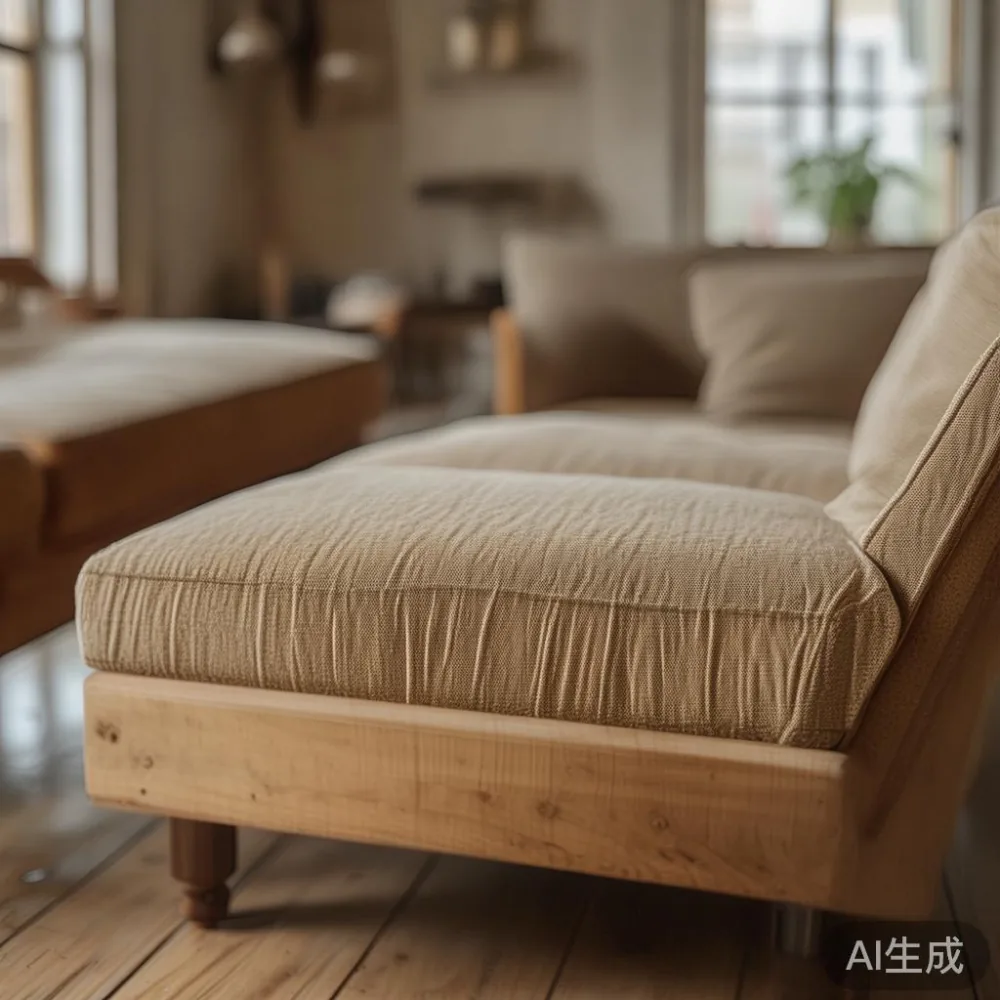
To understand the challenge, we must first look at the nature of wood itself. A solid wood chaise lounge is not a single, monolithic block. It is composed of countless cells, much like a microscopic sponge. These cells contain water within their structure. In a low-humidity environment, like an air-conditioned room set to 24°C with 50% humidity, wood tends to lose this moisture, causing the cells to shrink and the entire piece to contract. Conversely, in a high-humidity environment, like a balcony or a room without air-conditioning in Singapore, the wood absorbs moisture from the air, causing the cells to expand and the piece to swell.
The problem arises when different parts of a furniture piece absorb moisture at different rates. A solid wood chaise lounge has grains running in various directions. The surface of the wood, with its greater exposure to the air, will absorb and release moisture faster than the core. This differential movement creates internal stress. Think of it like bending a piece of paper; one side stretches while the other compresses. Over time, this stress can manifest as cracks across the grain, known as 'checking,' or warping, where a flat surface like the seat of a chaise lounge becomes curved or uneven. The dimensions of the furniture are not static; a 180 cm long chaise lounge might expand by 1-2 cm during the humid months and contract in the drier season. This constant cycle of expansion and contraction is the primary reason why poorly constructed or untreated wood furniture fails in the tropics.
What Does Humidity Damage Look Like on a Chaise Lounge?
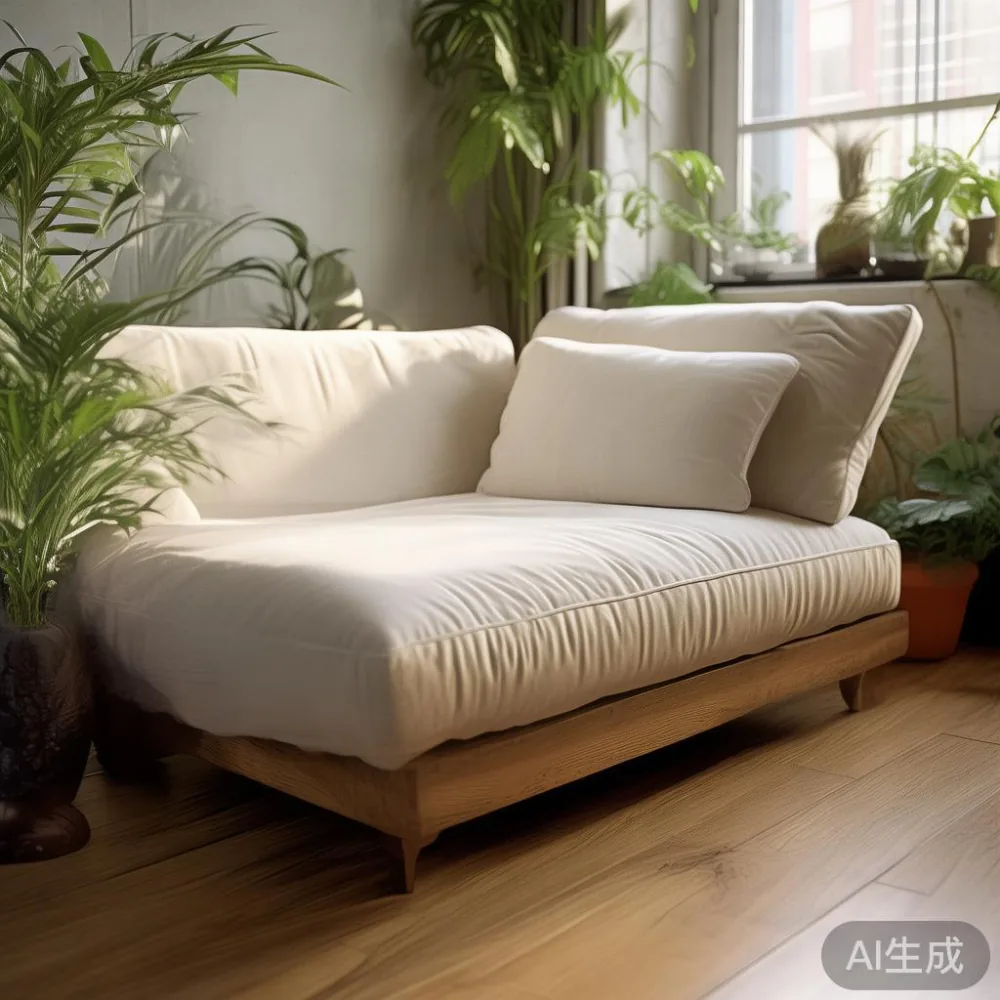
The effects of unchecked humidity are not always immediately apparent, but they manifest in several distinct ways that can compromise the look and function of your chaise lounge. The first and most visible sign is often surface-level damage. As the wood swells and shrinks, the protective finish—be it oil, lacquer, or wax—can become stressed. This leads to fine cracks in the finish, a phenomenon known as 'crazing,' which makes the wood look dull and tired. The natural colour of the wood may also appear uneven, with some areas looking lighter or darker as the grain absorbs moisture differently.
More severe damage occurs within the wood's structure. A chaise lounge relies on a solid frame for support. If the frame components are not properly joined or acclimated, they can begin to pull apart at the joints. You might notice a slight gap forming where the armrest meets the backrest, or the legs becoming slightly unsteady. The most dramatic failure is cracking. A deep crack running along the armrest or across the seat of the chaise lounge is a clear indicator that the wood has been under significant stress. This not only ruins the aesthetic appeal but also compromises the piece's structural stability, making it potentially unsafe to use. For a homeowner in Singapore, investing in a SGD 2,500 chaise lounge only to see it crack within a year is a frustrating experience that highlights the importance of choosing furniture designed for the local climate.
How to Choose a Chaise Lounge Built for Singapore's Climate
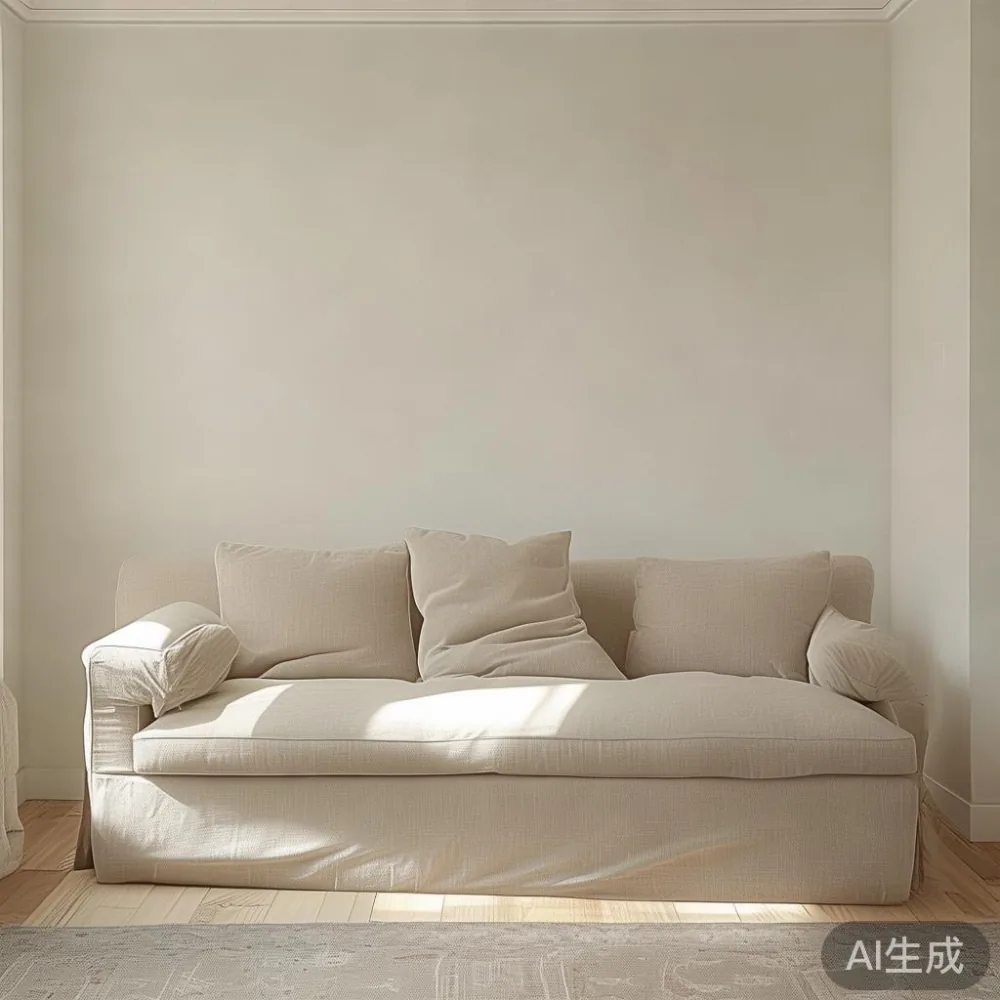
When selecting a chaise lounge for your Singapore home, the material and construction are paramount. The first consideration is the type of wood. Hardwoods like teak, oak, and walnut are generally more stable and resistant to warping than softer woods like pine or rubberwood. However, even the best hardwoods need proper treatment. Look for furniture that has been kiln-dried. Kiln-drying is a process where the wood is placed in a special chamber and its moisture content is carefully reduced to a level that is appropriate for the intended climate. For Singapore, this means a moisture content of around 8-10%, which allows the wood to acclimate to the indoor environment without excessive movement. A reputable manufacturer will always specify the moisture content of their wood.
Construction quality is the next critical factor. A well-made chaise lounge will use joinery techniques that allow for natural movement. Dovetail joints, mortise and tenon joints, and dowel joints are superior to simple butt joints or screws, which can loosen as the wood expands and contracts. The finish is also your first line of defense. A high-quality, multi-layered finish acts as a barrier, slowing down the rate at which moisture can penetrate the wood. For those who appreciate a specific aesthetic, a European light luxury TV console might feature a similar high-gloss lacquer finish designed to protect the wood while maintaining a sophisticated sheen. The key is to avoid furniture that feels cheaply made or has a thin, single-layer of paint, as it will not withstand the test of time and humidity in Singapore.
Can You Protect Your Existing Chaise Lounge from Humidity?
If you already own a solid wood chaise lounge, there are several practical steps you can take to protect it from the damaging effects of Singapore's humidity. The most effective strategy is environmental control. Air conditioning is your best friend. By keeping your home's temperature around 24°C and maintaining a relative humidity between 50-60%, you create a stable microclimate for your furniture. Using a dehumidifier in rooms that are not air-conditioned, such as a study or a spare bedroom, can also be very effective. Placing a chaise lounge away from direct sources of moisture is equally important. This means keeping it at least 50 cm away from air-conditioning units that drip condensation, and ensuring it is not placed in a spot where it might be splashed with water.
Regular care and maintenance are also important. Dust your chaise lounge with a soft, dry cloth every week to remove any abrasive particles. Once a month, apply a high-quality furniture polish or oil that is suitable for your specific type of wood. This replenishes the natural oils in the wood and helps maintain the integrity of the finish. Be careful not to over-oak, as this can trap moisture. For extra protection, consider using a humidity monitor in the room where the chaise lounge is located. These inexpensive devices can tell you exactly what the humidity levels are, allowing you to adjust your air conditioning or dehumidifier settings accordingly. My colleague recently visited a client in a Punggol condo who had a beautiful solid wood bed frame that was beginning to show signs of stress. After we placed a dehumidifier in the master bedroom and adjusted the AC to run more consistently, the swelling in the wood frame subsided within a month, proving how effective environmental control can be.
What is the best way to clean a solid wood chaise lounge in a humid climate?
Cleaning your chaise lounge correctly is a simple but often overlooked aspect of maintenance. The golden rule is to avoid using excessive water or harsh chemical cleaners. A damp cloth is sufficient for wiping away dust and minor spills, but be sure to wring it out thoroughly so it is only slightly damp, not wet. Immediately wipe the surface dry with a separate, clean, soft cloth. Never let water sit on the wood, as it can seep into the grain and cause damage. For stubborn stains, use a specialized wood cleaner recommended by the manufacturer. Avoid all-purpose household cleaners, as they can strip the wood's natural oils and damage the finish. A light vacuuming with a soft brush attachment can also be useful for removing dust from hard-to-reach crevices, such as the base of the chaise lounge or the intricate details on the armrests.
For a deeper clean, you might consider using a natural wood soap. These products are formulated to clean without stripping the protective oils. After cleaning, applying a thin layer of paste wax or a specific furniture polish can restore the sheen and provide an additional layer of protection against moisture. This routine care helps to preserve the wood's appearance and ensures that the finish remains intact, which is the wood's primary defense against the humid Singaporean air. Remember, a chaise lounge is not just a piece of furniture; it's an investment in comfort and style, and proper care will ensure it lasts for many years to come.
How Long Should a Quality Chaise Lounge Last in Singapore?
The lifespan of a chaise lounge in Singapore depends heavily on its initial quality and how well it is cared for. A poorly made piece of furniture, constructed from unstable wood and cheap hardware, might show significant signs of deterioration within 2-3 years. The joints may loosen, the finish may crack, and the wood itself may warp, rendering it unusable. In contrast, a high-quality chaise lounge made from properly kiln-dried hardwood, using superior joinery techniques and a multi-layered finish, can last for decades. A 10-year structural warranty, which is offered by reputable manufacturers like MIDHILL, is a good indicator of the confidence a company has in its product's durability. This warranty covers the core frame and joinery, ensuring that the chaise lounge remains structurally sound.
Beyond the structural warranty, the beauty of the furniture can be maintained through refinishing. A lifetime refinishing warranty is an even more compelling promise, as it acknowledges that the surface of the wood is the first thing to show wear from environmental factors like humidity. Over many years, the finish may become scratched or dull, but with refinishing, the original beauty of the wood can be restored. This means that a chaise lounge purchased for SGD 3,500 today could potentially look as good new in 15 or 20 years, making it a truly long-term investment. When considering a wholesale Italian light luxury furniture purchase, for example, the longevity and the ability to refinish are key factors that justify the higher initial cost, ensuring the piece remains a centrepiece in your home for generations.
Where to Find a Humidity-Resistant Chaise Lounge in Singapore
For homeowners in Singapore seeking a chaise lounge that can withstand the local climate, the source of the furniture is just as important as its specifications. The ideal scenario is to purchase directly from a manufacturer that understands the environmental challenges of the region. Foshan, in China's Guangdong province, is a global hub for furniture manufacturing, and many producers there have extensive experience creating pieces for export to Southeast Asia. These manufacturers, such as Foshan Lingzhan, have developed specific processes, like advanced kiln-drying techniques and specialized finishing formulas, to ensure their furniture performs well in humid conditions. They understand that a chaise lounge must be more than just beautiful; it must be resilient.
When shopping, look for brands that offer comprehensive warranties. A 10-year structural warranty and a lifetime refinishing warranty provide peace of mind, indicating the manufacturer stands behind the quality and durability of their product. Also, consider the practicalities of ownership. Free shipping over SGD 350 is a significant benefit, as it saves you from the hassle and expense of arranging transport for a large, delicate item like a chaise lounge. A 14-day return policy allows you to inspect the furniture in your home to ensure it meets your expectations and fits your space, from the lift width in an HDB block to the corridor dimensions in a condo. For those who appreciate a particular design ethos, a post-modern light aesthetic might be found in a chaise lounge with clean lines and minimalist forms, while others might prefer the classic curves of French sofas for sale. The key is to find a piece that aligns with your personal style while being built to last in Singapore's unique environment.