Furniture Warranties: How to Understand Them
A furniture warranty can sound reassuring until a joint loosens, a finish peels, or a marble table arrives with a damaged corner. The promise on the box may cover one part but exclude installation, movement, or ordinary wear. For Singapore households buying a chaise lounge, bed frame, dining table, wardrobe, or nightstand, the warranty should be read as a precise service contract rather than a general slogan.
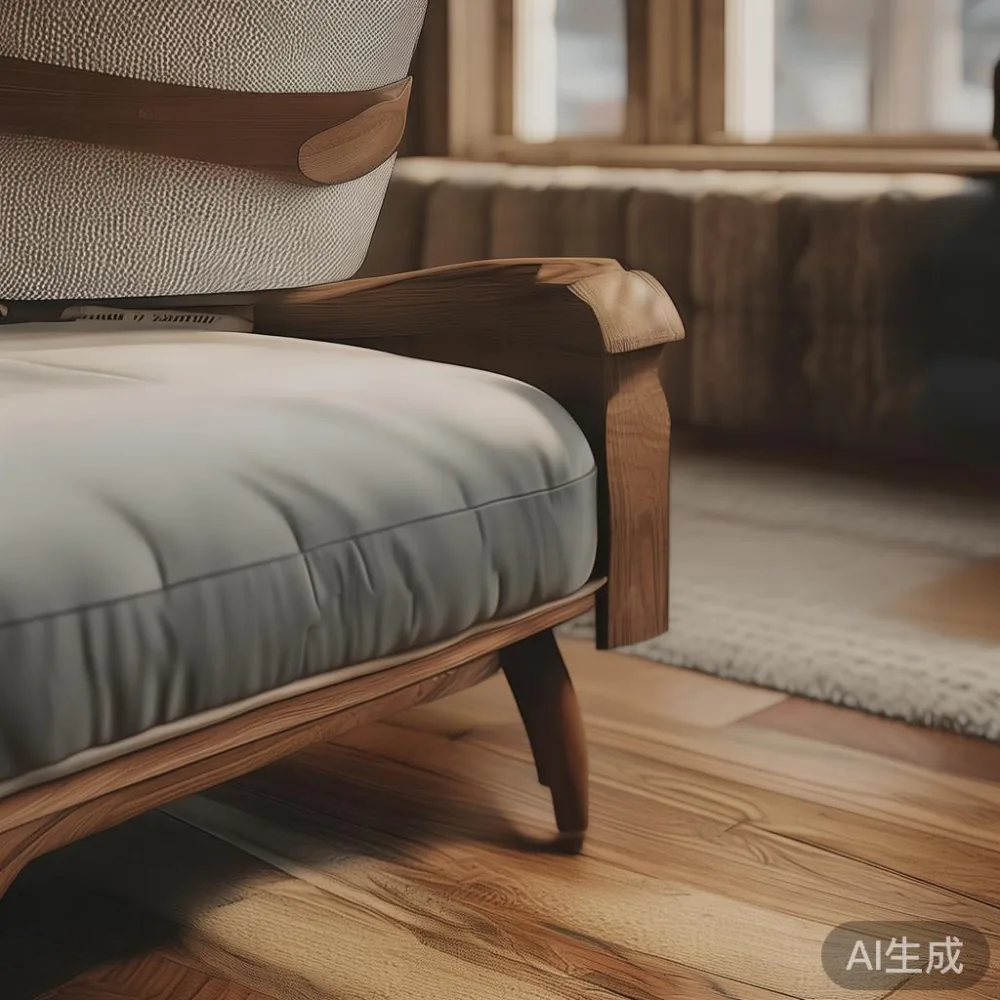
This guide explains the clauses worth checking, the measurements worth taking before delivery, and the questions to ask before payment. It also considers the practical realities of HDB flats and condos in Tampines, Bedok, and Punggol, where lifts, corridors, turning radii, humidity, and building rules can affect what happens after a piece reaches your home.
What does a 10-year furniture warranty actually cover?
A 10-year structural warranty usually refers to defects in the load-bearing construction of eligible solid wood furniture. Depending on the manufacturer, it may cover frame joints, structural components, or specified hardware under defined conditions. It does not automatically mean every part can be replaced free of charge for 10 years.

Check whether the warranty applies only to the main frame or also to mechanisms, springs, cushions, legs, handles, drawer runners, and surface finishes. A solid wood sofa or chaise lounge may have a 10-year frame warranty while its upholstery is covered for 3 years, its moving mechanism for 5 years, and its finish for 1 year. Those durations should be printed clearly rather than inferred from a single headline.
Look for the start date. The period may begin on the purchase date, delivery date, invoice date, or the date shown on the serial-number label. Keep the tax invoice and order confirmation for at least 10 years for a structural claim. If the supplier offers lifetime refinishing, establish whether it covers scratches, water marks, sun fading, and worn edges, or only manufacturing defects.

For MIDHILL, the stated 10-year structural warranty and lifetime refinishing service should be checked against the written terms for the specific product. Confirm what “structural” includes and whether chaise lounge mechanisms, marble table tops, or custom dimensions are treated differently.
Which exclusions are common in Singapore furniture warranties?
Common exclusions include accidental damage, misuse, improper assembly, unauthorised modification, commercial use in a high-traffic venue, and normal movement or shrinkage of solid wood. Singapore’s humidity can cause timber to expand and contract across seasons, so a warranty may treat small seasonal checks as natural behaviour rather than a defect. Ask for the permitted measurement, such as a movement gap of no more than 3 mm, instead of relying on an undefined phrase.
Floor-level exposure can also matter. Water, cleaning chemicals, pets, and direct sunlight may not be covered. A leather or fabric chaise lounge may be excluded from finish protection if the colour fades after prolonged UV exposure. Outdoors, a patio set would usually need a separate weather-resistance warranty; an indoor chaise lounge should not be treated as an outdoor product.
Check who bears removal and return costs. A claim involving a 65 kg dining table may require dismantling, carrying to a workshop, and returning it after repair. If the supplier says “warranty replacement” but charges S$180 for collection, that detail changes the value of the promise. In a condo, include service lift booking, corridor access, and any floor-protection requirements.
How do I check measurements before a large piece is delivered?
Photograph and measure the delivery route, not just the furniture. A standard HDB lift opening may be around 90 cm wide and 140 cm deep, but the usable dimensions can be smaller because of door panels and controls. Condo service lifts may accommodate a 120 cm-wide item, while a private lift may have a 210 cm door and a 220 cm turning space. These figures vary by block, so obtain the actual measurements from your building manager.
For a chaise lounge, compare the packaged width with the narrowest lift doorway and the diagonal needed to turn it into the corridor. A chaise lounge with a 78 cm width and a 165 cm length may fit through a 90 cm opening, but handle projections and carton corners can add 6 cm. For a bed frame, check the assembled dimensions and whether the headboard can be separated. For a wardrobe, check whether panels can be carried vertically; a 220 cm-tall panel needs more overhead clearance than a 200 cm corridor turn allows.
Record the route from the loading bay to your door in a phone video. Note turns tighter than 100 cm, steps without a ramp, ceiling obstructions below 205 cm, and narrow corridors under 105 cm. A 10-person lift may have an internal floor area near 1.4 m by 2.0 m, but a larger dining table can still be impossible to rotate inside. Ask the supplier for the carton dimensions and weight, then compare them with your lift capacity.
I last month visited a customer’s Bedok condo to watch the delivery of a 82 cm-wide chaise lounge. The lift was large enough, but the carton was 168 cm long. The delivery crew turned it upright, passed the 91 cm doorway, and used the 15 cm space beside the corridor wall. That site check prevented an expensive redelivery; a second visit would have cost at least S$120 in transport and handling. This is why route access belongs in the pre-purchase conversation.
What should I ask before paying the balance?
Ask: “Does the 10-year structural warranty cover my exact chaise lounge model, including the mechanism and joints?” Ask: “Which parts have shorter coverage periods?” Ask: “Can the manufacturer repair the item locally, and how many working days should I allow?” Ask: “What evidence do you need for a claim?”
Also ask how the product is graded. A showroom sample may have a different finish from the delivered piece. Natural solid wood can vary in grain, colour, and minor marks. If the contract says “no two pieces are alike,” that does not excuse a chipped corner, deep scratch, or finish defect present on arrival. Inspect the furniture under daylight before the delivery crew leaves.
Confirm the total price, including GST and delivery. A chaise lounge quoted at S$1,280 before GST becomes S$1,344 at 9% GST. Singapore does not apply GST to most residential imports by consumers, so a local furniture purchase should display the tax treatment clearly. Free delivery over US$350 may be referenced internationally, but Singapore buyers should ask for the actual SGD delivery charge because the threshold and currency conversion should not be assumed.
Check the return policy too. MIDHILL offers a 14-day return window, but ask whether assembled or custom-made pieces are returnable, whether the original packaging is required, and who pays for collection. A custom chaise lounge with a 175 cm length may be non-returnable, while a standard nightstand may qualify. Get the answer in writing before checkout.
How should I inspect a chaise lounge on arrival?
Inspect a chaise lounge before signing the delivery sheet. Check the frame from underneath, looking for loose joints, exposed screws, splits, or moisture marks. Test the reclining mechanism through 5 full cycles. It should move evenly without catching, and the locking position should hold the backrest at the intended angle. A 70 kg test at the seat edge is useful, but do not use the furniture as a step or place unnecessary weight on the arm.
Check cushions for stains, tears, and uneven filling. Sit for 5 minutes and note whether the seat feels level. Measure the chaise lounge at its widest point and compare it with the seller’s dimensions. For a solid wood sofa, inspect each joint and run a finger along edges to detect splinters. For a bed frame, test every slat and fastener; 14 slats across a 160 cm bed may still be insufficient for the selected mattress.
For a dining table, look for movement under pressure at the centre of a 200 cm top. A marble table needs particular attention to edges, corners, and protective packaging; do not assume a hairline mark is cosmetic. Inspect a wardrobe for panel alignment and drawer clearance. A nightstand should have level feet and doors that close without rubbing.
Photograph the packaging, furniture, and damage from several angles. Note the time, model, and delivery condition on the receipt. If there is damage, refuse the piece or have the exception recorded before accepting it. Send the evidence to the supplier immediately, preferably on the same day.
How do I maintain a warranty-covered chaise lounge?
Follow the care instructions and keep a copy of them. Dust a solid wood chaise lounge with a soft cloth rather than a wet cloth. Keep it at least 30 cm from an air-conditioning vent and away from windows with direct afternoon sun. In Singapore, indoor relative humidity often ranges from 55% to 75%; stable conditions are more useful than chasing a fixed number every day.
Rotate loose cushions every 2 weeks and avoid standing on the chaise lounge. Tighten loose screws only if the manual permits. Use coasters and felt pads, and keep moisture away from timber joints. If the piece has a French provincial accent chair nearby, coordinate its finish with the chaise lounge without stacking accessories on the recliner arm. For softer schemes, the question of how to style French provincial sofa in room can be answered with restrained colours and 1 or 2 patterned cushions rather than crowding the seating area.
Upholstery care may require a different product from timber care. Test a cleaning agent on a hidden 5 cm square and allow 24 hours before treating a larger area. Keep warranty documents for at least 10 years, preferably in a dated folder with the invoice, product code, finish sample, and delivery photos. If the family wants a coordinated apartment rather than a matching suite, knowing how to style light luxury bed in apartment can help with scale; allow 75 cm beside the bed and 90 cm in front where circulation permits.
Are online product descriptions enough to judge the warranty?
No. Product copy, showroom display, and contract terms serve different purposes. A description may say “solid hardwood” without identifying the species, while the warranty may cover only selected parts. Ask for the material list, exact dimensions, weight, finish, mechanism, and coverage schedule in writing. If a seller uses a broad guarantee but cannot explain its exclusions, treat the missing details as a purchasing risk.
Light-luxury design should not obscure practical specifications. French light luxury often pairs pale timber with curved profiles; American light luxury uses clean geometry and restrained contrast; post-modern light luxury can mix forms with deliberate tension. Each style still needs clear dimensions and care rules. A marble table, solid wood sofa, bed frame, dining table, wardrobe, and nightstand can share a visual language without sharing one warranty document.
For planning purposes, a search for for sale Japandi furniture may lead you toward pale oak, straight lines, and compact forms, but a slim appearance can hide a wide carton. If you are comparing a rustic wardrobe, a headline phrase such as best Rustic wardrobe for 2026 is not a substitute for checking panel thickness, drawer construction, hinge coverage, and moisture exclusions. Likewise, Boho for guest room layouts can suggest a lighter visual mood, but the selected nightstand still needs a stable footprint and documented warranty.
What should the warranty contact process look like?
A workable process has 6 steps: claim intake, document review, inspection or photo assessment, repair or replacement decision, scheduling, and return of the repaired item. Ask how long each stage takes and whether the supplier offers a loaner unit. A claim may involve a technician visit within 14 working days, although the final repair can take 30 to 60 days if a part is manufactured to order.
Keep a claim log with dates, names, reference numbers, and photographs. Do not repair a covered defect yourself unless the supplier authorises it in writing, because unauthorised work can void the claim. Keep the original item and packaging where practical. A 95 cm-long wardrobe panel or 70 kg dining table may need specialist handling, so clarify whether collection is arranged and whether the customer must provide lift access again.
Read the warranty for what it protects, who pays, and how service is delivered. Check exclusions, dates, evidence, and local repair support. A credible 10-year structural warranty is useful because it reduces uncertainty around a long-term purchase; it becomes meaningful only when the supplier can explain the process and honour the terms for the actual piece delivered to your home.