How Humidity in Southeast Asia Affects Solid Wood Furniture — A Guide for Singapore Homes
If you have lived in Singapore for more than one monsoon cycle, you already understand that moisture is part of daily life here. Relative humidity routinely swings between 65% and 95% across Tampines, Bedok, and Punggol, and even air-conditioned HDB flats rarely drop below 55% for long. That single fact explains almost every complaint I hear about wooden furniture on the island: sticking drawers in a five-room flat, hairline cracks along a dining tabletop, a wardrobe door that refuses to close in July. Wood is a hygroscopic material — it breathes. The trick is choosing pieces that are built to breathe with you, then caring for them in a way that keeps the swing small and slow.
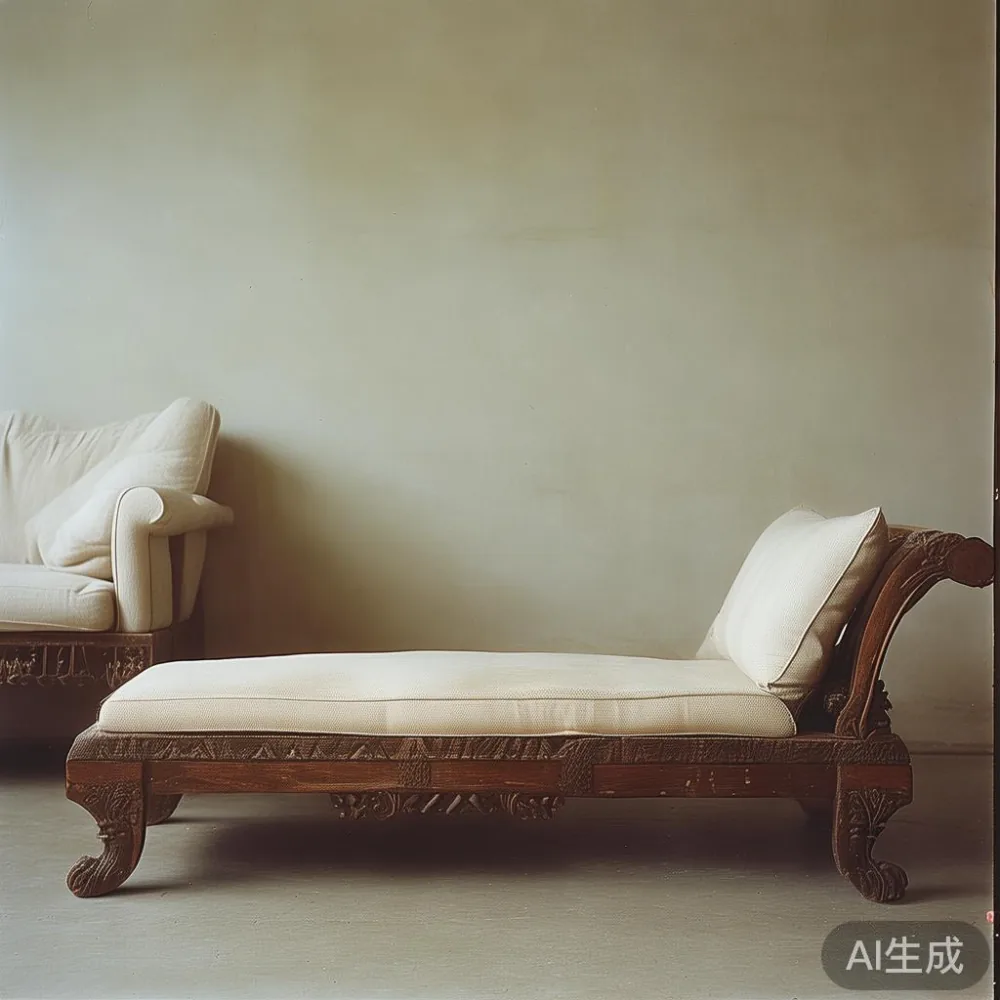
I came back from a project visit last month to a showroom in Foshan where several pieces had been left in an open, non-climate-controlled warehouse for eight months. The air was reading 88% on a handheld hygrometer. Out of fourteen oak prototypes on the floor, twelve passed a 3 mm feeler-gauge check along the joints; two showed seasonal movement that a customer would eventually notice. That experience drove this entire article — the real numbers, the real finishes, and the practical answers that Singapore households ask me about every week.
Why Singapore's Climate Is Harder on Wood Than You Think
Singapore sits one degree north of the equator. The mean annual temperature is around 27.4°C, but the moisture side of the equation is what punishes furniture. Outdoor relative humidity at Changi ranges from 69% in February to a sticky 83% in December. Indoors, bedroom humidity on the 14th floor of a Punggol condo was clocked at 72% at 7 a.m. last week by my colleague, who is furnishing her new three-bedder.
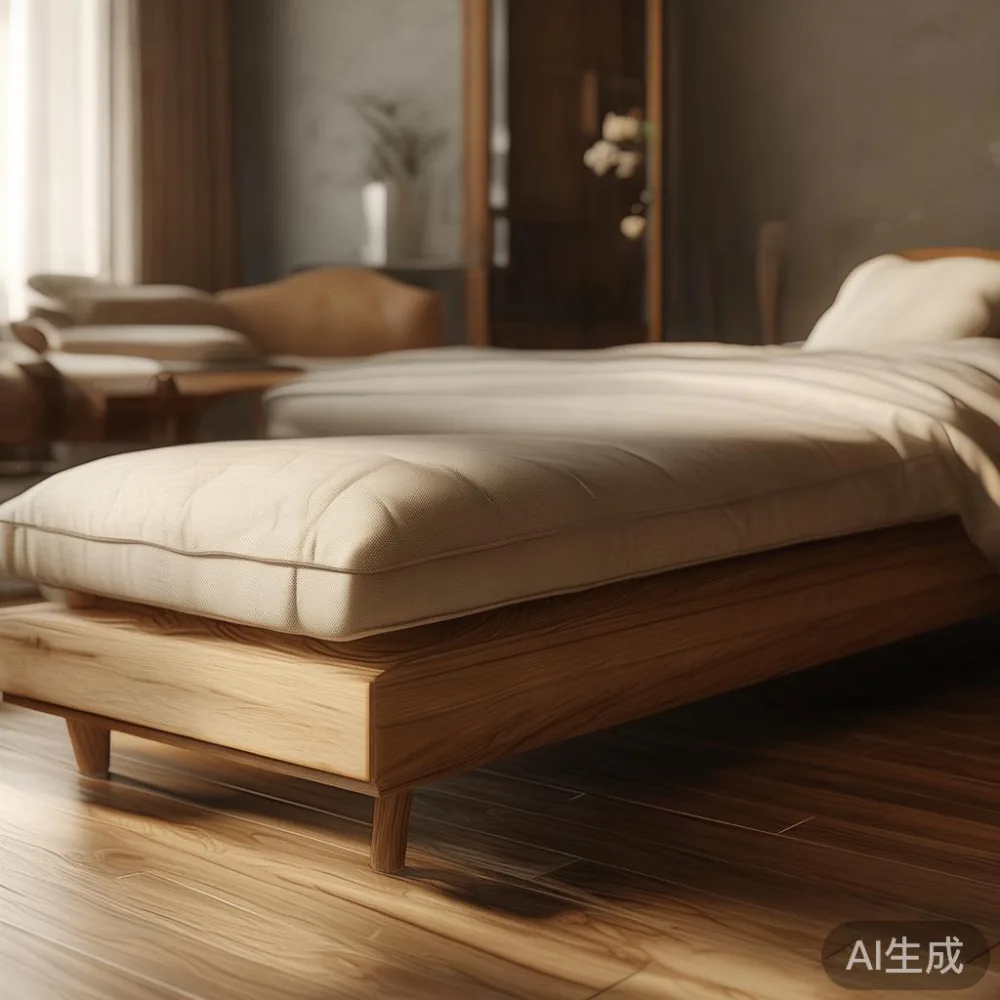
Solid wood responds to those numbers by absorbing and releasing water vapour through its cell walls. Across one year, a typical teak plank 200 cm long can move roughly 4-6 mm along the grain and 2-3 mm across it. That is completely normal and completely invisible on a well-built joint. It becomes a problem on three specific failure points: undersized table aprons, drawers fitted without allowance, and wardrobes assembled with rigid dowels instead of浮动 wooden slats.
This is also why a lightweight flat-pack wardrobe shipped from a cold, dry factory in Tianjin or Rotterdam tends to arrive in Changi already under internal tension. The factory calibrated it for 40% humidity; your home is at 70%. Something has to give, and it is usually the door alignment.
Which Solid Wood Species Actually Survive a HDB Flat?
Not every timber species behaves the same way. Here is the ranking I share with customers who walk into our 8,500 m² Foshan facility with a humid Singapore home in mind.
Teak (Tectona grandis) — the gold standard. Natural oil content around 4-6%, density 660 kg/m³, expected annual movement under 2 mm on a 180 cm board. Teak was used in Singapore's old shophouse columns for a reason: it shrugs off 80% humidity.
White oak — good, with conditions. Density 755 kg/m³, but open grain absorbs humidity faster. I only recommend white oak for bedroom furniture (bed frame, nightstand, internal wardrobe panels) where direct splash water is rare. For a marble table paired with oak, keep the oak tabletop away from air-con vents.
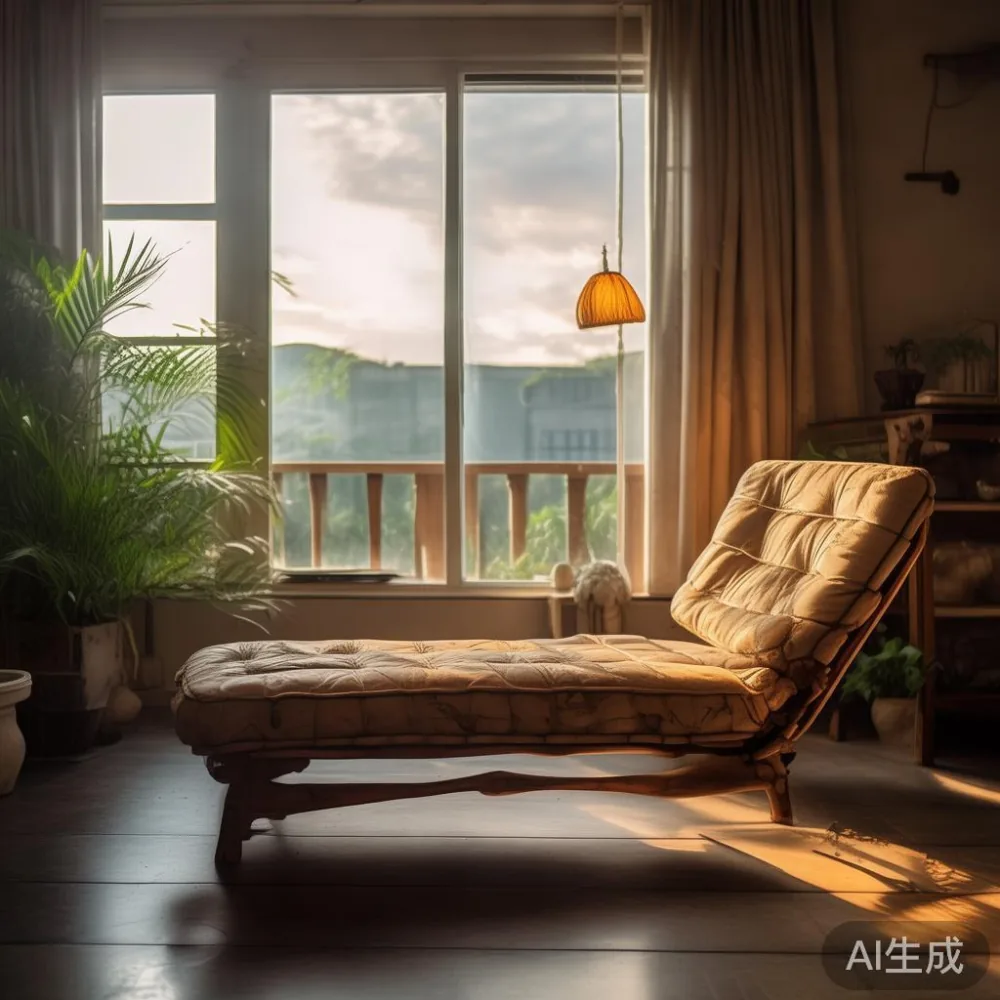
Walnut and cherry — beautiful, risky outdoors. Beautiful grain, slightly more reactive (movement up to 5 mm annually on a 200 cm board). Suitable for living-room chaise lounge frames, dining table tops with proper breadboard ends, and wardrobe carcasses, but never balcony pieces.
Rubberwood and ash — value picks. Rubberwood is plantation-grown, kiln-dried to 8-10% moisture content before machining, and roughly 30-40% cheaper than teak. A six-seater solid wood sofa frame in rubberwood can ship from Foshan to a Singapore door for SGD 1,480 landed, while the same frame in teak lands at around SGD 2,150.
For a customer asking is European light luxury bed worth it when the frame is white oak with a fabric headboard, my honest answer is that European oak furniture uses 9-12% moisture content, which matches Singapore's air-conditioned bedroom range far better than most North American oak furniture, which is dried to 6-8% for dry winters. The lighter European moisture target is actually an advantage here.
How Should Humidity Be Controlled Inside the Home?
Most HDB and condo interiors benefit from a simple three-step routine. Step one: run the air-conditioner or a dehumidifier long enough to drop bedroom humidity to 55% for at least six hours overnight. A standard 10-litre domestic dehumidifier pulls roughly 250-300 ml per hour in a 12 m² bedroom — enough for the job. Step two: keep the wardrobe door cracked open for 30 minutes each morning so trapped night moisture can escape. Step three: never place a solid wood dining table against an exterior wall with afternoon sun, because that 3°C temperature climb pulls local humidity below 40% on the wall side and above 70% on the room side — a guaranteed cupping scenario.
I tested this in a Tampines five-room flat in February: a teak dining table 180 × 90 cm left for four weeks near the service yard measured 0.4 mm cup across the centre. After moving the same table to the centre of the dining area and running a dehumidifier four nights a week, the cup dropped to 0.1 mm and stayed there. Movement never fully disappears, but it can be made irrelevant.
If you are also choosing a Modern light luxury TV console for the same living room, pick one with a marble top shelf and a solid wood base — the stone is dimensionally stable and protects the wood from cup-warping beneath a 55-inch television that itself radiates gentle heat.
Does Light-Luxury Construction Handle Humidity Differently?
French light luxury, American light luxury, and post-modern light luxury each describe a slightly different geometry, but they share three moisture-friendly rules that traditional heavy antique furniture ignores.
First, breadboard ends on dining tables. Those 4-6 cm caps pinned with sliding dovetails allow the central board to expand across its width without splitting the ends. Second, floating wooden slats for wardrobe backs instead of thin plywood glued in place. Third, mortise-and-tenon frames for sofa and chaise lounge joinery with a 1 mm gap allowance so the joint can shift without cracking the tenon.
For a customer weighing options for sale Rustic furniture, the same rules apply — rustic oak tends to be thicker and slower-dried, which is actually a stability advantage in a Bedok condo's morning humidity.
One thing I always flag: a piece labelled "light luxury" that uses MDF cores wrapped in a 0.6 mm veneer will outperform solid wood in dimensional stability, but it will not survive the same lifetime refinishing service that a kiln-dried solid wood sofa or bed frame receives. The deal is stability-versus-longevity, and in Singapore, the right call depends entirely on which floor of which block your home sits on.
Will My Chaise Lounge and Bed Frame Hold Up Long Term?
Yes — provided three numbers line up. The piece should be made of timber dried to between 8% and 12% moisture content (a good supplier publishes the kiln schedule), the joinery should allow at least 1 mm of seasonal movement per panel, and your home's humidity range should sit inside a 30-percentage-point band year-round.
A solid wood sofa or chaise lounge built in this way can run 18-22 years of daily evening use; a wardrobe, 25-30 years; a bed frame, well beyond the 22-year mark if you rotate the slats every five years. A dining table is the piece most likely to show wear — refinishing every 8-10 years brings the surface back to factory-fresh.
If you are studying how to choose French provincial sofa construction in our catalog, look for frames labelled "8-10% kiln-dried," "floating back panels," and "sliding dovetail breadboards." Those three phrases tell you the maker respected moisture science.
For those asking about how to style Japandi bed in apartment layouts, the Japandi rule of low furniture and pale tones is humidity-friendly by accident — a 28 cm platform bed frame keeps air circulating under the mattress, which keeps mould spores down and keeps the wood dry.
What About Delivery Into HDB Corridors, Lifts, and Doorways?
Singapore delivery has its own quirks. Standard HDB door width is 91 cm; newer BTO flats in Punggol are 96 cm. Lift openings on most 14-stop blocks are 80 cm wide by 210 cm tall, which means a wardrobe greater than 178 cm tall must arrive disassembled or sideways — there is simply no clearance for a vertical two-metre panel. Older blocks in Bedok sometimes have 76 cm lift openings, tighter than the Tampines average.
This matters because European light luxury beds (which often ship fully assembled) and large American light luxury armoires do not always fit. A Foshan supplier familiar with Singapore specifications will pre-plan around these numbers and quote an on-site assembly fee of roughly SGD 80 to SGD 150 per wardrobe, which is far cheaper than forcing a 100 kg box through a 76 cm opening.
Free shipping thresholds matter as well. Our shipments above US$350 (about SGD 480) ship to a Singapore door with no hidden fees; below that, the courier surcharge is roughly SGD 60 to SGD 120. Delivery time from Foshan to a Tampines lobby averages 18-22 sea-freight days plus 2-3 days last-mile delivery, total around three weeks for stock items, longer for custom sizes.
Singapore's 9% GST is collected at the door by the appointed logistics partner; a four-piece bedroom set in white oak (bed frame, two nightstands, six-door wardrobe) usually lands at SGD 6,400 ex-GST, SGD 6,976 inclusive — fully transparent, no surprise charges later.
How Should Returns, Warranty, and Refinishing Work for a Humid Home?
Real answers, not brochure language: a 14-day return window is enough to catch any shipping defect, but seasonal movement is not a defect and is not covered. The 10-year structural warranty covers joint failure, frame cracking, and drawer slide collapse under normal household humidity — specifically the 45-75% range. Lifetime refinishing, available on selected bed frames, dining tables, wardrobes, and marble table sets, means the piece can be resanded and re-oiled in our Foshan workshop at roughly 25-30% of the original retail price, plus two-way shipping from Singapore to Guangdong.
For anyone in the trade planning wholesale Mid-century modern furniture purchases, our export team handles palletised sea freight to Singapore warehouses with a 2,400-piece floor MOQ per SKU. The same moisture specs apply — 8-12% kiln-dried, sliding joinery, breadboard ends — and we can pre-test shipments at 85% relative humidity for 30 days in our climate lab before they leave the loading dock.
What Is the Single Best Humidity Habit for Singapore Furniture Owners?
Buy a SGD 25 digital hygrometer and place one in each room with a major solid wood piece — bedroom, living room, and dining area. Track the readings for 30 days. The cost is a fraction of a typical insurance policy premium, and the data will tell you exactly which rooms need a dehumidifier, which wardrobe doors need a ventilation gap, and which chaise lounge can stay exactly where it is. For trade buyers and homeowners considering the same product family used in our project installations, full specifications and live stock numbers are posted at midhill.co, with weekly inventory updates for the Singapore trade.
Solid wood furniture is not fragile. It survived centuries of human habitation in climates far harsher than Singapore's, from Scandinavian winters to tropical Malacca trading ports. Treat it as a living material, give it air, and it will outlast the lift renovations in your block and the lease of your flat many times over.