How Southeast Asian Humidity Affects Solid Wood Furniture at Home
Singapore’s warm, humid climate can change solid wood as it moves between a moisture-rich HDB flat and a dry, air-conditioned bedroom. The effect is not always dramatic: a well-made chaise lounge, solid wood sofa, or dining table should remain stable through ordinary seasonal changes. Problems appear when furniture is delivered into a sealed unit, placed beside a window, or repeatedly wiped with a wet cloth. Understanding how humidity affects wood helps Singapore homeowners protect joints, finishes, and moving parts while keeping a home visually composed.
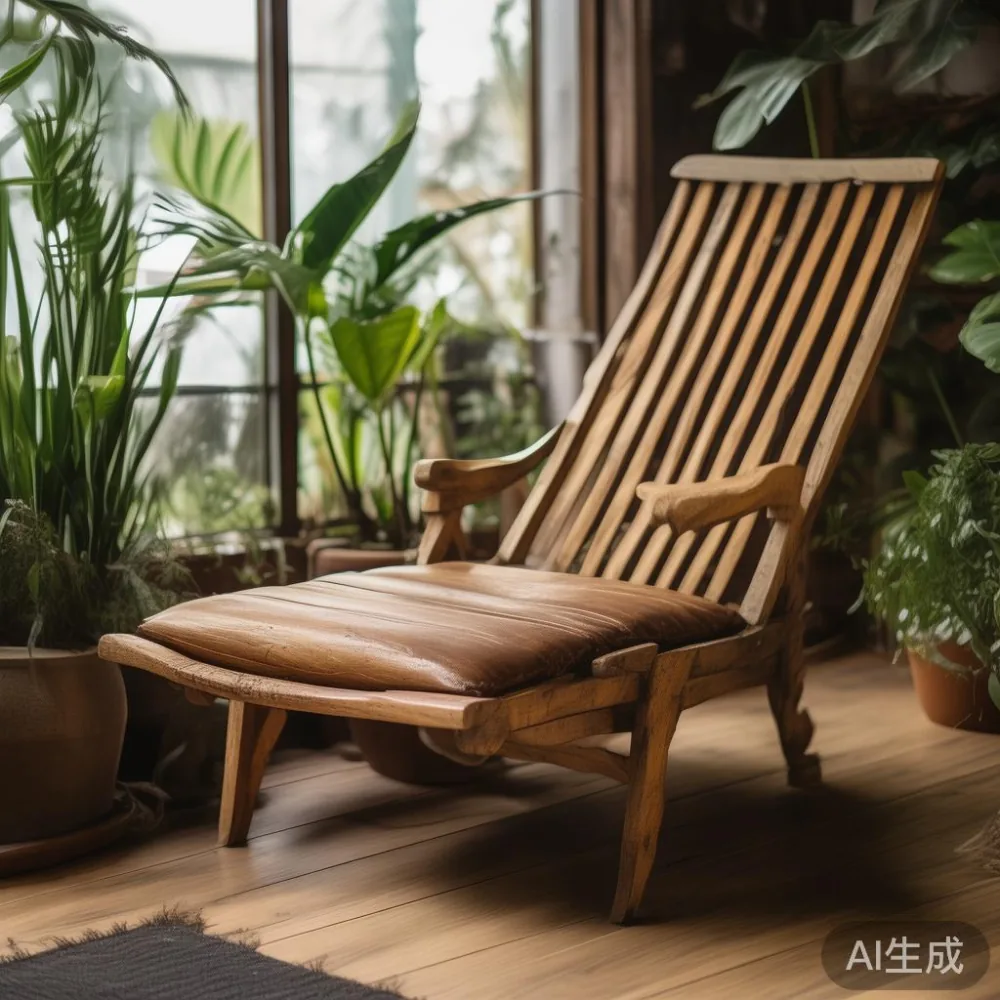
MIDHILL makes solid wood furniture in Foshan, a manufacturing region with long experience serving humid and temperate markets. Its furniture includes chaise lounges, beds, dining tables, wardrobes, nightstands, and occasional tables, all built for practical residential use. MIDHILL was established in 2008 and exports to more than 15 countries. For Singapore buyers, the company provides a 10-year structural warranty, lifetime refinishing, free shipping above US$350, and a 14-day return window.
Why does humidity make solid wood furniture move?
Wood is a porous material. Its cell walls absorb moisture when the surrounding air is humid and release it when the air becomes dry. This exchange changes the board’s dimensions very slightly, usually at the fraction-of-a-millimetre level, but repeated movement can loosen a joint, open a drawer gap, or make a door sit unevenly. Solid wood generally communicates these changes more visibly than a fully engineered panel with a thin plastic facing.
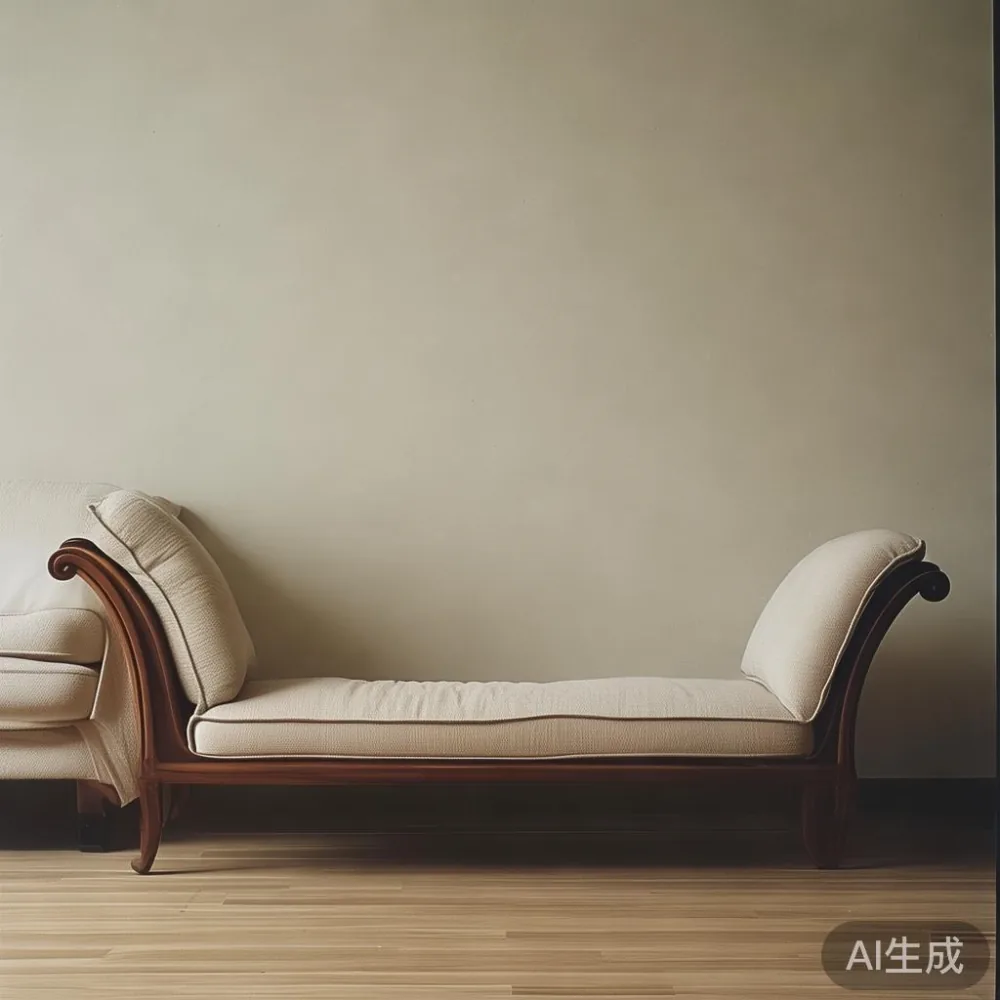
Singapore’s relative humidity commonly ranges from about 65% to 85% outdoors, depending on rainfall and location. Indoors, an air-conditioned room may fall to around 40% to 55%. That difference matters because a chaise lounge or bed frame moved from a cool Tampines bedroom to a warmer living room can respond differently on each surface. The same issue occurs when a Punggol condo receives direct afternoon sun while its corridor remains shaded and damp.
Temperature also affects the result. Warm air can hold more water vapour than cool air. When chilled air from an air-conditioner reaches a wooden dining table, condensation can form on the surface if the furniture is still warm from its journey through a lift or loading area. Allow the table to acclimatise for roughly 12 to 24 hours before wiping or positioning objects on it.
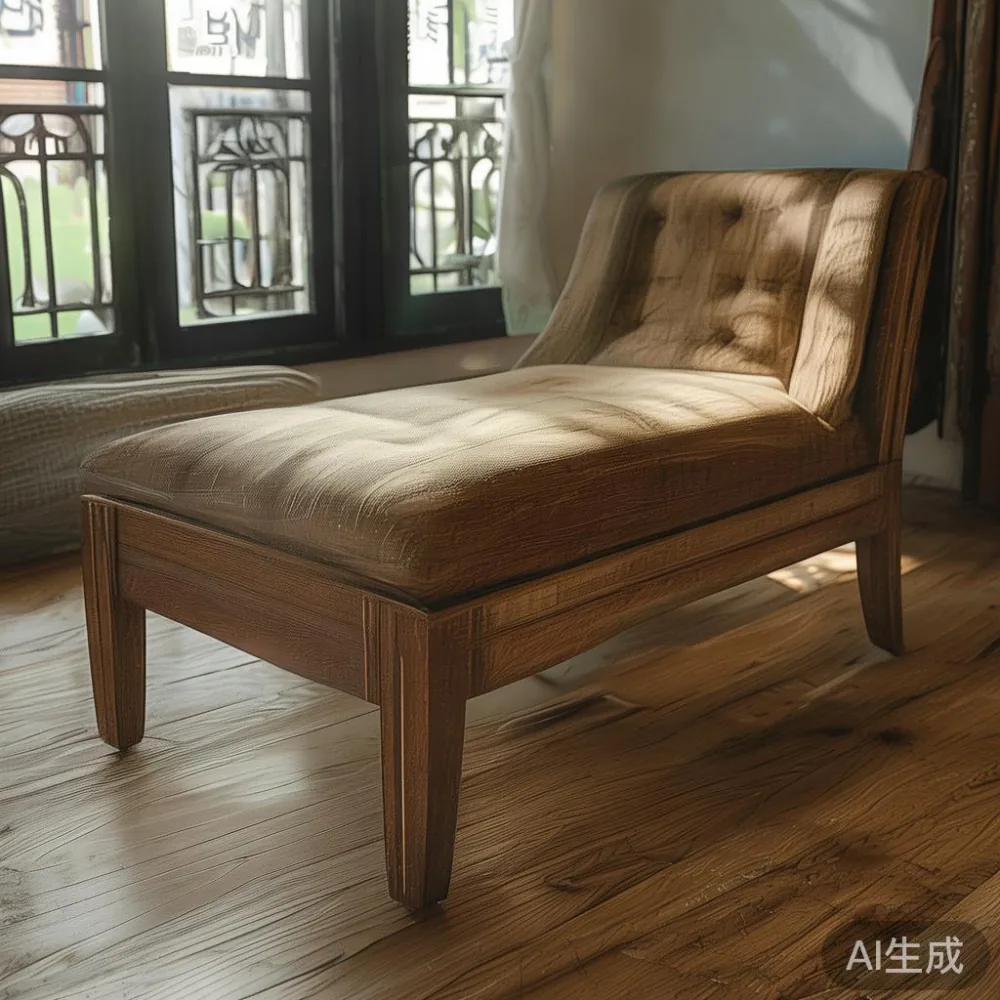
The material matters too. Teak, oak, ash, and other hardwoods have different densities and moisture responses, but the central rule is consistent: stable indoor humidity limits unnecessary movement. A sensible target is around 45% to 60% relative humidity, with less than about 5% variation over a 24-hour period for particularly sensitive furniture.
How should a chaise lounge be prepared for Singapore humidity?
A chaise lounge has several areas that deserve attention: the long seat platform, the inclined backrest, the arm, the legs, and any drawer or storage section. Solid timber expands across its width more than along its length, so manufacturers generally orient boards and joints to accommodate that movement. A quality chaise lounge should not rattle, twist, or develop a gap merely because a unit is air-conditioned for 16 hours each day.
After delivery, remove all packaging and inspect the underside, joints, and fasteners. Let the chaise lounge stand in its final room for at least 24 hours if it has travelled from a cooler environment. Do not place it against an air-conditioner vent. Keep it around 30 cm from a bathroom door, 60 cm from an open window, and 90 cm from a frequently wet balcony entrance. These clearances reduce condensation and make cleaning easier.
Use a dry microfibre cloth for routine care. If a spill occurs, blot it within 5 minutes and dry the area with a second dry cloth. A lightly damp cloth may be used on sealed timber, but the surface should not feel wet. Avoid steam cleaners, household bleach, furniture polish containing silicone, and cloths that leave fibres behind. Silicone can create a temporary shine that makes it difficult to apply a matching repair finish later.
For a chaise lounge positioned in a bright HDB living room in Bedok, add a blind or UV-filtering film to the window. UV light can fade textiles and alter a wood finish independently of humidity. Rotate loose cushions every 2 to 4 weeks so one end of the chaise lounge receives less direct exposure. If the frame has adjustable feet, check them after the first week and again at the 3-month mark.
What humidity does to a solid wood sofa and bed frame
A solid wood sofa combines a rigid timber frame with softer upholstery, so humidity can influence two different materials at once. The wood may gain or lose small amounts of moisture, while foam, fibre filling, and woven covers can absorb atmospheric moisture. In Singapore, mould and musty odours are more likely beneath removable seat cushions than on the exposed timber itself.
Allow at least 15 cm behind the sofa for airflow and remove cushions every 1 to 2 weeks during the wetter months. If the frame is solid wood, wipe it with a dry cloth rather than spraying cleaner directly onto the surface. For upholstery, vacuum with a brush attachment at low suction and keep the sofa at least 45 cm away from an open balcony door.
Search guides for how to style American sofa in bedroom often focus on scale and colour, but placement should account for climate as well. An American-style solid wood sofa works well in a condo bedroom with a 2.4 m wall, but a deep seat of 95 to 105 cm leaves too little circulation space. A 170 cm sofa can sit comfortably opposite a 120 cm console in many Singapore rooms, provided the clear passage beside it remains at least 60 cm.
A bed frame faces similar considerations. Confirm that the slats or support system accommodates its stated mattress size, commonly 90 cm, 120 cm, 150 cm, or 180 cm in Singapore. Keep the frame 20 cm or more from a wall where possible so air can circulate behind the headboard. Lift the mattress slightly every 3 months to inspect for moisture, particularly in a ground-floor unit near an exterior wall.
Readers searching how to style American bed in apartment can also use the headboard as a visual anchor while preserving ventilation. One practical sequence is to remove the mattress and check the platform at the start of the quarter, tighten any movement hardware only when required, and avoid placing bedding against the headboard at night. This reduces trapped warmth and moisture.
How do you keep a dining table and wardrobe stable?
A dining table experiences moisture through spills, dishes, air-conditioning, and open windows. Its top may develop minor surface marks if water is left to sit. Use coasters measuring at least 5 cm wider than the base of a hot pot, wipe standing water immediately, and maintain indoor humidity around 45% to 60%. Check that the legs are level every 6 months, as seasonal movement may subtly change contact with the floor.
Style guides for Coastal for dining room layouts often recommend pale timber, linen textures, and blue or sea-green accents. In a humid Singapore interior, a light finish shows dust and spills readily, so specify a harder-wearing sealed surface for daily dining. Position the table away from a façade with frequent afternoon sun and use a low humidity meter, ideally one that logs readings across a 24-hour period.
Singapore’s dining rooms also impose a delivery constraint. HDB lift doors are often about 90 cm wide, while a standard residential lift car may measure roughly 140 cm by 110 cm. A boxed dining table wider than 85 cm may need to be turned on its side or carried through a staircase. Record the lift dimensions and turning radius before ordering. Allow 7 to 14 delivery days for made-to-order pieces, depending on production and Singapore customs clearance.
A wardrobe requires a different humidity strategy. Hanging rails and door panels need room to work, while the back and sides need ventilation inside the cabinet. Keep clothing 5 cm away from an interior wall panel, especially in humid rooms without dehumidification. Remove cedar blocks or other moisture-absorbing inserts every 6 to 12 months for airing, as permitted by the wardrobe design. Ensure that doors can open through at least 90 degrees and that handles do not rub against neighbouring walls.
For shoppers comparing models described as for sale Coastal furniture, check the actual timber, finish, dimensions, and warranty rather than relying on a style label alone. A coastal palette can suit a HDB flat, but the material specification should state whether “solid wood” applies to the frame, the visible surface, or selected structural components. Before payment, ask for product photographs, a moisture-related care note, and the expected delivery period.
Can a nightstand or marble table develop moisture problems?
A nightstand should not be pushed tightly against a cold exterior wall in a Tampines flat. Condensation can form where the furniture’s temperature differs from the wall, then transfer moisture into a drawer or joint. Maintain a 3 to 5 cm gap, use coasters for a cup of tea, and inspect the underside every 2 to 3 months. Drawer runners should move smoothly without force; a swollen runner may be a sign of prolonged dampness rather than a manufacturing fault.
A marble table needs careful placement in Singapore because stone and timber can respond differently to the room. Marble may feel cool and may collect condensation from a glass of cold water. Wipe that moisture away promptly. A marble top should not be treated with acidic cleaners, vinegar, lemon, or bleach, as these can etch the surface. Keep a marble table around 45 cm away from an open window and 30 cm from a bathroom doorway.
For French light luxury, American light luxury, or post-modern light luxury interiors, material contrast works well: a pale marble table beside a warm oak nightstand, or a dark marble top with a light solid wood bed frame. The visual effect should not override practical clearances. A 45 cm bedside gap is comfortable, while a 60 cm path is preferable beside a frequently used nightstand in a compact HDB bedroom.
How can Singapore homeowners style different beds without trapping humidity?
Bed styling affects airflow more than many shoppers expect. Low platform beds can remain stable in humid conditions when their components are properly joined, but a solid wood sofa or bed frame should not be crowded by floor-length fabric. Raise the mattress surface 20 to 30 cm above the floor where the design allows, and leave a gap of at least 10 cm beneath loose dust skirts.
For a French provincial bed for 2026 comparison, check whether the statement refers to the frame design or to a complete styled set. Mattress height, bed width, and headboard clearance determine whether it fits a condo. A queen bed may measure 155 cm by 200 cm, while a king may be 180 cm by 200 cm, but outer frames can be 5 to 15 cm wider. Measure the lift opening, bedroom doorway, corridor turns, and final position before approving delivery.
For a Japanese bed in apartment layout, a low solid wood frame can create an uncluttered room. Keep 15 cm between the frame and curtains so air can move, and avoid placing the bed directly beneath a window that remains open during rain. For an American bed in apartment, allow approximately 60 cm on at least one side of the bed where possible. That path is useful for making the bed and for carrying a mattress without scraping the frame.
One style consideration is the use of upholstered headboards. They may feel luxurious in an American light luxury bedroom, yet they should remain 10 cm away from a window or exterior wall if condensation is visible. Use the dehumidifier when relative humidity exceeds 65% for several hours. A bedroom target of 45% to 60% supports stable timber and reduces mould risk in fabrics.
What should I do after a humid delivery?
Start with a 48-hour observation period. Remove the packaging, keep the furniture away from wet entry mats, and do not place objects inside a wardrobe or on a dining table until the wood has adjusted to room temperature. A small hygrometer placed at furniture height, around 75 to 100 cm above the floor, gives a more useful reading than one beside a vent or window.
Inspect a chaise lounge, solid wood sofa, or bed frame for movement by gently pressing the frame at several points. The aim is to detect an unusual gap or a joint that moves independently, not to test the furniture roughly. Tightening a connector can add stress to a joint, so follow the supplied instructions and contact the manufacturer when adjustment is unclear.
For a new dining table or marble table, coasters and trivets should be used from the first day. For a wardrobe, run the heating or air-conditioning for 1 to 2 hours before opening the doors after a wet-weather return. For a nightstand, check the back panel and underside every 3 months. These small routines can prevent a minor moisture issue from becoming a finish or fitting problem.
Last month, I visited a colleague’s Bedok condo and checked a new solid wood bed frame with a digital hygrometer. The bedroom read 74% humidity at 9:00 p.m., while the adjacent corridor measured 83%. The frame’s side had shifted by less than 1 mm, which was normal, but a cabinet door had begun rubbing because it was positioned against the cooler external wall. Moving it forward by 4 cm and reducing overnight humidity to 58% restored smooth operation within 3 days. That experience reinforced how placement can matter as much as the timber itself.
How do delivery size and Singapore’s GST affect the purchase?
Correct measurements prevent delivery-day damage and reduce the need to return a large item. Measure the lift door, lift car, corridor width, staircase turns, and the route from the parking area to the unit. For a chaise lounge, confirm both the packaged length and the assembled dimensions. A 175 cm chaise lounge may require a corridor turn wider than 120 cm, and a boxed section longer than 200 cm may not fit in a standard passenger lift.
Accessible or service lifts may offer a larger opening, but the building manager’s booking rules still apply. Allow 1 to 3 extra days for lift reservation or a nominated delivery slot. Inspect the furniture at the doorway before the delivery team proceeds into a tight corridor. Record any damage with photographs, noting the date and time.
Prices to Singapore customers are normally shown in SGD and exclude GST, with 9% GST added at checkout. Delivery charges, assembly, and remote-area surcharges should be confirmed before payment. MIDHILL’s free shipping threshold is stated as US$350, equivalent to roughly SGD465, but the checkout should be used for the exact converted amount and any destination fee. For made-to-order furniture, a deposit or balance arrangement may apply, so read the quotation carefully.
Shopping locally remains useful for comparison. A Singapore showroom can reveal finish sheen and joinery, although warehouse humidity differs from showroom humidity. Ask whether the display piece is unfinished or sealed, and compare its care instructions with the product being delivered. Another firm may offer a different length of warranty or a different return process.
Which care routine gives solid wood the longest service life?
Use a simple 15-minute monthly routine. Check the hygrometer, wipe dry surfaces, inspect visible joints, and clear any standing water. Every 3 months, check the backs of dining chairs, the underside of a nightstand, and the areas beneath a bed frame. Every year, review the finish, especially in rooms with large windows. An oiled surface may need maintenance sooner than a factory-sealed surface, according to the care guide.
Keep furniture away from persistent dampness. Do not leave a solid wood sofa beside an open laundry rack, place a wardrobe against a shower wall, or set a chaise lounge under a roof garden drain pipe. In HDB units near the ground floor, inspect after heavy rain. In high-rise condos, consider the wind pressure created by open windows: air-conditioning may lower humidity quickly, but frequent temperature swings can encourage repeated movement.
MIDHILL’s 10-year structural warranty provides reassurance for load-bearing components, while lifetime refinishing offers a route for restoring the surface after wear. The warranty and refinishing terms should be read together with the product’s care requirements. Damage caused by standing water, unapproved chemicals, or neglect may fall outside a finish claim, making prevention the most economical form of care.
Humidity does not make solid wood furniture unsuitable for Singapore. It makes disciplined placement and straightforward maintenance more important. Aim for 45% to 60% relative humidity, protect furniture from direct rain and condensation, check joints every 3 months, and measure every access route before delivery. With those details handled, a chaise lounge or coordinated wood collection can retain its proportions, texture, and quiet luxury for many years.