How Southeast Asian Humidity Affects Wood Furniture
Singapore’s warm, humid climate can change the dimensions, finish, and joint stability of solid wood furniture. The effects are especially noticeable in HDB flats and condos around Tampines, Bedok, and Punggol, where rooms may receive little direct airflow and furniture sits close to windows, air-conditioning vents, or shared corridors. Humidity does not automatically ruin wood, but it deserves careful control around a solid wood sofa, bed frame, dining table, wardrobe, nightstand, marble table, or chaise lounge.
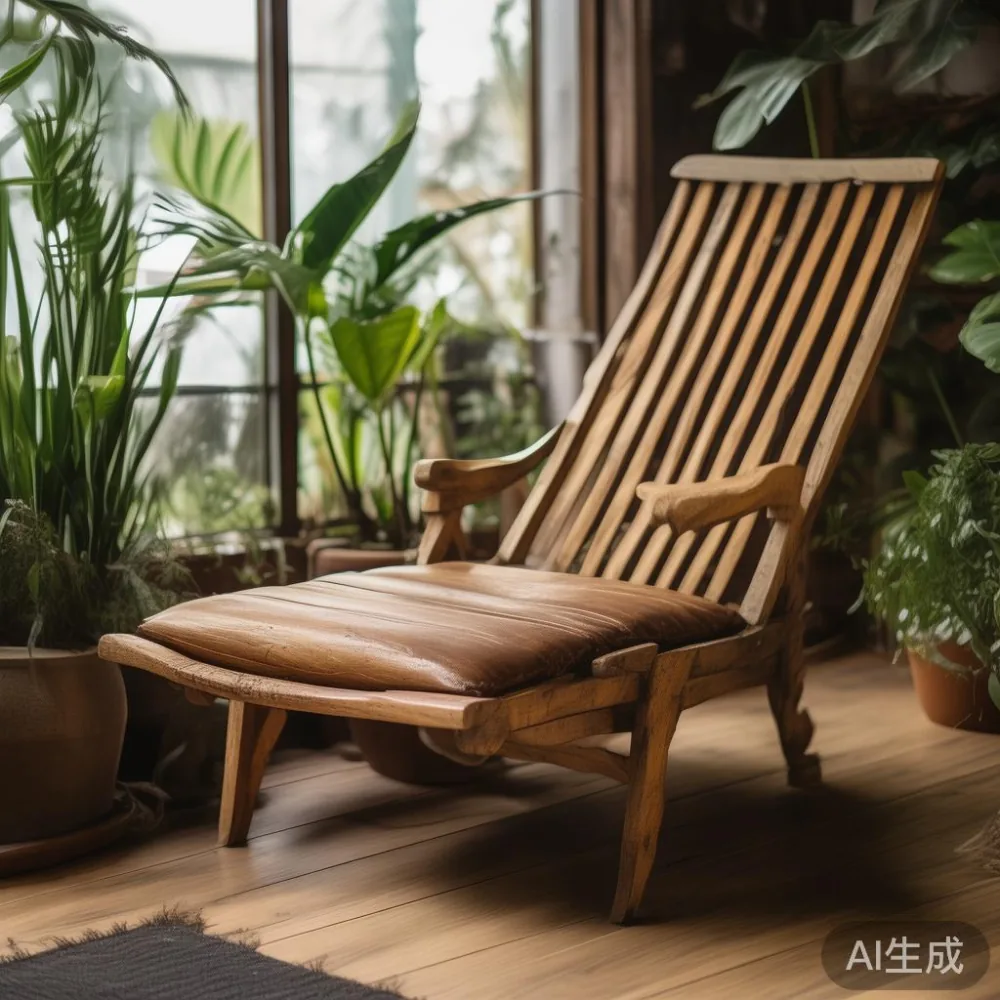
Singapore’s monthly relative humidity commonly ranges from roughly 65% to 85%, with heavier moisture content during the wet months. An HDB flat may fluctuate more sharply than the outdoor forecast because a living room can humidify after cooking, a shower, laundry drying, or several occupants gathering indoors. Air-conditioning often lowers humidity to 40%–60%, yet the switch between these environments causes repeated expansion and contraction.
MIDHILL designs furniture with this regional rhythm in mind. The company was established in 2008, exports to more than 15 countries, provides a 10-year structural warranty, and offers lifetime refinishing. Those details matter because a solid wood piece should remain serviceable after years of tropical use rather than being discarded after one humid season.
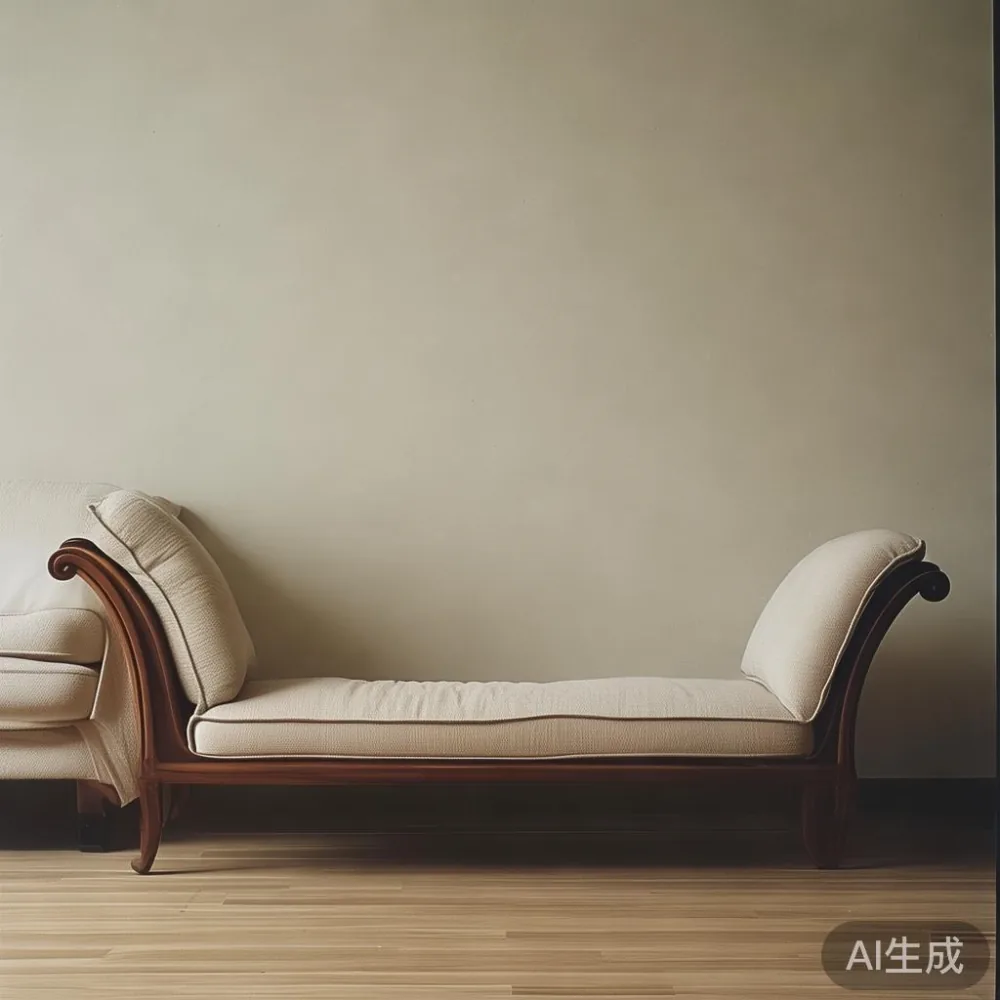
What does humidity do to solid wood in Singapore?
Wood is hygroscopic: it absorbs atmospheric moisture and releases it when the surrounding air becomes drier. Changes in moisture content can make rails and panels swell, shrink, cup, or twist. A drawer that slides easily at 55% relative humidity may tighten at 75% if its runners, joints, and timber moisture content do not match the room.
For a practical household target, keep relative humidity between 45% and 65% where possible. A digital hygrometer placed near, not directly against, a chaise lounge makes readings easier to interpret. Check it during several ordinary days, including after a 30-minute shower with the bathroom door open or after an evening meal. The aim is steady variation, not chasing a perfectly identical number.
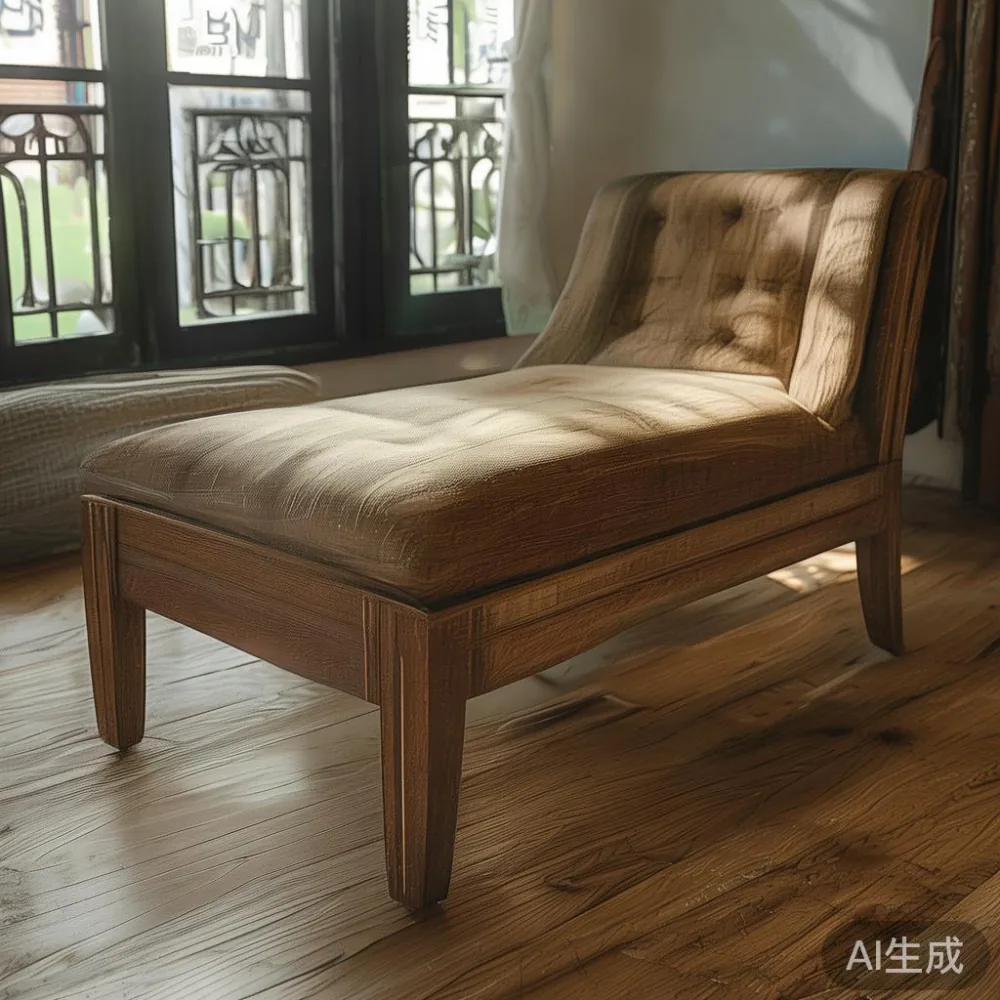
Large upholstered pieces such as a solid wood sofa or chaise lounge also respond through their frames, webbing, cushions, and finish. A leather or fabric seat can feel damp while the timber underneath expands only 1–2 mm. That small movement may be invisible, yet repeated cycling can loosen a fastener, distort a seam, or alter how a movable lounge chair closes.
Wood species and finishes behave differently. Solid oak, ash, beech, and similar commercial hardwoods used for furniture may show dimensional movement around 3%–6% across the grain when moisture changes substantially. A sealed lacquer film can slow moisture exchange, but it cannot prevent movement in the timber itself. Water-based polyurethane, oil, and wax finishes offer different levels of protection, so the care instructions should be checked for each product.
Should a chaise lounge be kept away from windows and air-conditioning vents?
Aim for distance from strong direct airflow. Air-conditioning vents can lower humidity rapidly and then stop, producing swings similar to opening a window during a downpour. A chaise lounge placed 1–2 m from a louvre, radiator-style unit, or frequently opened sliding door experiences more variation than one near a quieter wall. For a 210 cm long chaise lounge, that means checking every end as well as the centre.
In a Tampines HDB flat with a narrow corridor, furniture often arrives through a lift opening of about 90 cm and a common corridor of roughly 120–150 cm. Measure the route before delivery: record the narrowest doorway, lift car dimensions, landing turns, and the tightest stair or corridor corner. A solid wood sofa may have separate legs and cushions that make its packed components manageable, while a fixed chaise lounge may require one large frame to enter without turning.
Use protective blankets and corner guards, but avoid plastic wrapping around solid wood for more than 24–48 hours after delivery. Wrapping can trap factory or transport moisture. On humid days, place the furniture in its final room, leave the packaging open if safe, and allow the timber to acclimatise for 3–7 days before tightening fittings or applying decorative styling.
How do I stop a solid wood dining table from sticking or warping?
A dining table should sit on a level surface with its top supported evenly. For a large table, use manufacturer-approved adjustable feet or support blocks beneath long spans; improvised blocks placed 3–5 cm from an end can create stress that encourages cupping. Do not place a hot pot or damp flower vase directly on the surface. A trivet with a 3–5 cm air gap underneath protects the finish.
Singapore dinner tables also face grease, spills, and rapid cleaning. Wipe water promptly rather than letting it sit for 30 minutes. Clean lacquered wood with a soft cloth and mild neutral cleaner, then dry it. For an oiled finish, follow the scheduled maintenance interval, often every 6–12 months, and avoid generic household oils that may leave sticky residue.
Style should not compromise stability. In a condo, a Mid-century modern dining table with clean tapered legs can work in a compact dining zone, while a marble table needs an even load path and secure fixing because stone is less forgiving of support errors. Searches for Italian light luxury for dining room or European for dining room can lead toward marble, carved profiles, and layered textures, but humidity management applies just as much to a stone-topped base as to timber.
A Boho for dining room scheme often combines a substantial wood table with woven textures and plants. Keep humidity-sensitive leaves away from the tabletop’s edge, use a waterproof liner beneath a vase, and maintain 30–45 cm of air circulation behind chairs when the room permits. A dining table that receives airflow and uses coasters, placemats, and felt pads is easier to maintain than one surrounded by constant dampness.
What is the safest way to clean a solid wood bed frame or wardrobe?
Use a dry microfibre cloth for routine dust and a barely damp cloth for marks. Never spray cleaner directly onto timber. Keep liquid away from veneer edges, joints, and the back panel of a wardrobe. If mould appears, address the water source first; cleaning without fixing a leaking pipe or failing seal allows the problem to return within days.
For wardrobe interiors, allow wet towels to dry fully before closing doors. Leave the doors open for 20–30 minutes after a humid bathing routine if ventilation allows. For a bed frame, check that headboard fixings remain firm after the room’s humidity changes, particularly on a platform model. Avoid pushing the frame against an exterior wall where condensation may occur.
Japanese-inspired rooms can make furniture feel light even in small apartments. Guidance on how to style Japandi bed in apartment layouts can include low visual profiles, simple bedding, and uncluttered circulation paths. Keep the bed 5–10 cm from a curtain that touches damp skin or damp bedding, and maintain a clear route from the bedroom door to at least one side of the bed.
Can air-conditioning prevent furniture movement during wet weather?
Air-conditioning helps, but it is not a complete solution. A room cooled to 24°C may still record 60%–70% relative humidity because cooling air can carry substantial moisture. Set a moderate target rather than assuming 24°C equals dry furniture. A hygrometer remains useful; aim for gradual changes over several hours.
During wet afternoons, avoid opening a window and running the air-conditioner simultaneously, as this mixes humid outdoor air with cool indoor air. After cooking, use a range hood for 10–15 minutes and let steam escape through a dry route. Drying laundry indoors is a larger risk than a short bathroom shower, so use a dehumidifier or vent damp clothing outside the timber-furniture zone where practical.
French light luxury and American light luxury often share pale woods, generous upholstery, and quiet profiles. A French sofa vs French provincial sofa comparison may focus on carving, arms, and ornament, yet both should be positioned with air movement in mind. On a balcony or in a humid bedroom, keep upholstery 10–20 cm from the wall when possible, and lift cushions occasionally so trapped moisture can dry.
How should I move a heavy chaise lounge through a lift and corridor?
Measure the furniture before buying and record the route from the ground floor to the apartment. A typical passenger lift may offer an internal opening near 90 cm, a car depth near 140–180 cm, and a door width around 90–100 cm, though building specifications vary. A 190–220 cm chaise lounge can be difficult to rotate if its arm or back cannot be removed.
Check the manufacturer’s packing dimensions and whether the chaise lounge separates into modules. Use 2–4 people based on the listed weight, protect stair and lift edges, and plan a 20–30 minute carry window. Avoid dragging a solid wood frame: small plastic or felt glides can prevent scratches while keeping the load stable. If a corridor narrows below the planned turning radius, book professional movers rather than forcing the piece through.
After placement, let the furniture rest for 3–7 days in the room before making close adjustments. This gives the timber time to respond to the local moisture level. Check leg levelers, drawer runners, wardrobe doors, and bed-frame bolts, then tighten only where the manufacturer recommends. MIDHILL’s delivery terms should be read carefully for access charges, lift reservations, and assembly requirements.
What should I inspect after 6 months in a humid HDB flat?
Look at movement, finish, hardware, and airflow together. Drawer fronts should open without rubbing; table leaves should sit flush; wardrobe doors should close cleanly; and a bed frame should not rock. Put a straightedge across a tabletop for 2–3 minutes and compare the gap to the underside, then test any suspected cupping with the same method after cleaning the surface. Small seasonal changes are different from a split, loose joint, or unexplained gap.
Check near windows after rain, beside air-conditioning vents, and around the kitchen or bathroom doorway. If a nightstand develops a damp mark, move it 20–30 cm away and identify the source. For a marble table, inspect the base and fixing points as well as the stone; a level base prevents stress that no finish treatment can solve.
Protect the finish with coasters, placemats, felt pads, and fabric liners. Re-oil or renew lacquer only at the specified interval, typically 6–12 months depending on use and product. Avoid “quick fixes” that trap moisture or soften a film before its cure time.
For ongoing humidity control, a compact hygrometer is inexpensive, while a dehumidifier can help in a persistently damp room. Keep vents clear by 10–15 cm where space permits, and inspect seals, drainage, and room use rather than treating humidity as a furniture problem alone. If the building has persistent condensation, consult the management office or a moisture professional.
Is humidity a warranty problem or a care issue?
Humidity-related movement is not automatically a structural failure. Normal expansion and shrinkage can occur within a product’s design range, while flooding, prolonged wetting, or neglect may fall outside care guidance. Keep delivery records, maintenance notes, humidity readings, and photographs of the furniture and room. If a joint loosens or a frame develops a serious crack, stop forcing the component and contact the supplier.
MIDHILL’s 10-year structural warranty and lifetime refinishing policy provide a useful framework for long-term ownership, but the exact terms, exclusions, and service process should be confirmed for each order. Free shipping over US$350, 14-day returns, delivery timing, and GST should also be checked before purchase. For a chaise lounge or any solid wood piece, realistic care matters more than occasional polishing with the wrong product.
In a Singapore home, stable humidity, honest measurement, protected finishes, and careful access planning make furniture easier to live with for 20 years or more. The wood will still respond to the climate; good decisions simply keep those responses small, even, and under control.