How Humidity in Southeast Asia Affects Solid Wood Furniture
Singapore’s warm, humid climate can change the dimensions, finish and appearance of solid wood furniture, especially a solid wood chaise lounge placed near an open window, sliding door or air-conditioning vent. The effects are not limited to outdoor furniture. Inside an HDB flat in Tampines, a Bedok condo or a Punggol home, seasonal rain, night-time condensation and frequent air-conditioning changes can create moisture swings that make timber move.
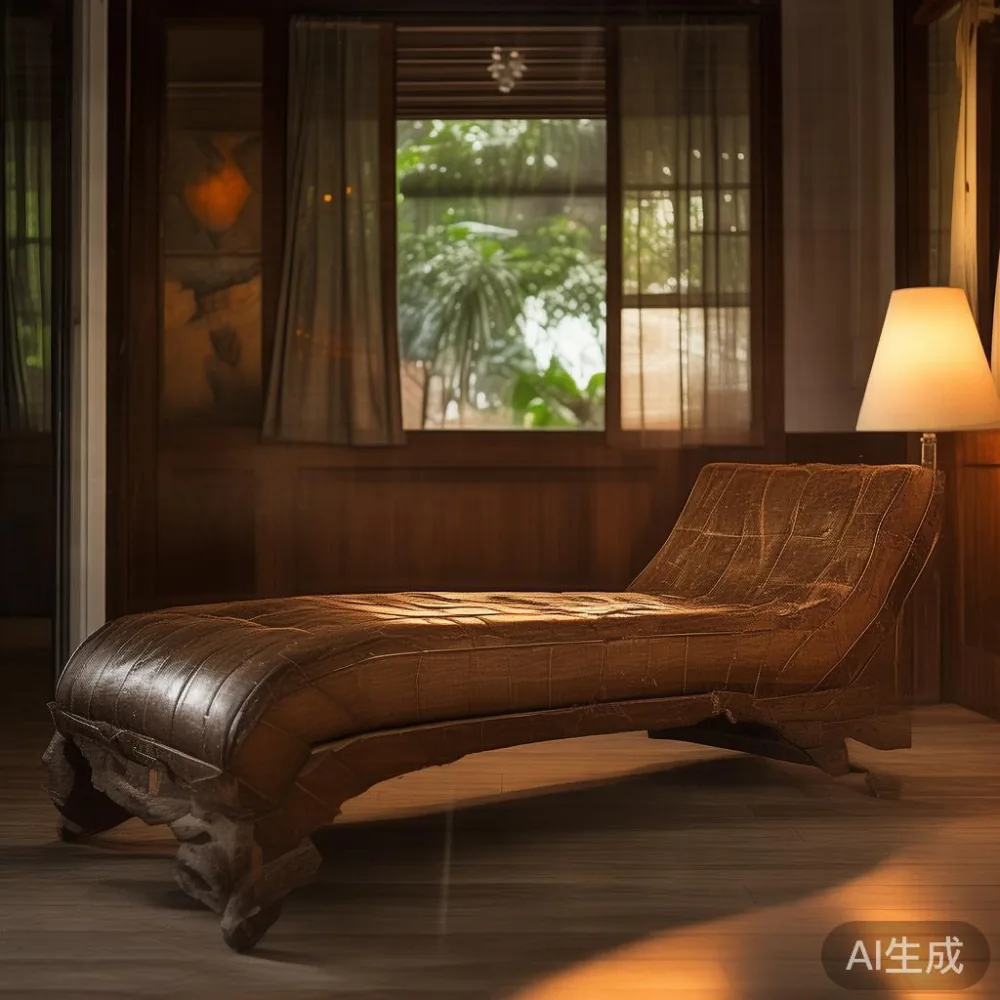
Good furniture design accounts for those movements without treating every darkening mark or small gap as a defect. A well-made chaise lounge should tolerate normal humidity cycles while preserving its shape, joints and surface finish. Similar care applies to a solid wood sofa, bed frame, dining table, wardrobe, nightstand and marble table, although stone and timber respond differently to moisture.
This guide explains how relative humidity affects furniture in Singapore, how to read small changes, and how to choose pieces that suit local homes. It also considers the practical limits of HDB corridors, common lift dimensions, GST, delivery timing and returns.
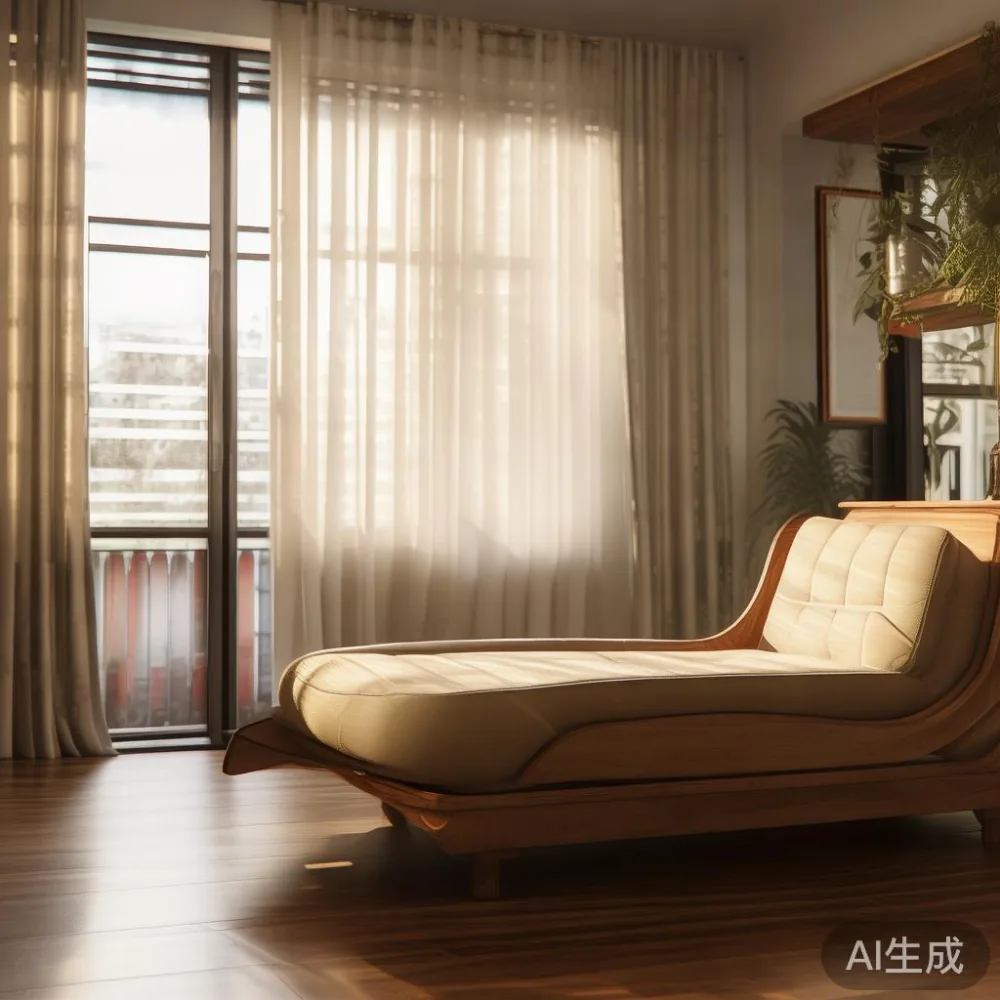
Why does humidity make solid wood furniture move?
Wood is hygroscopic: it absorbs moisture when the surrounding air is humid and releases it when the air becomes drier. In Singapore, outdoor relative humidity commonly ranges from roughly 65% to 90% during wet periods, while air-conditioned interiors may fall to about 40% to 60%. A day with 85% humidity outside and 45% inside a bedroom can therefore produce a marked moisture difference of 40 percentage points.
That movement is measured in millimetres, not centimetres, but it can still affect fit and appearance. A 180 cm-long solid wood bed frame may expand by several millimetres along its grain. A dining table top may develop a slight crown or cupping, and a wardrobe door may catch briefly if the carcass has changed dimensions. A timber chaise lounge can show tiny shifts at the joints, though a sound joint should not rattle or pull apart.
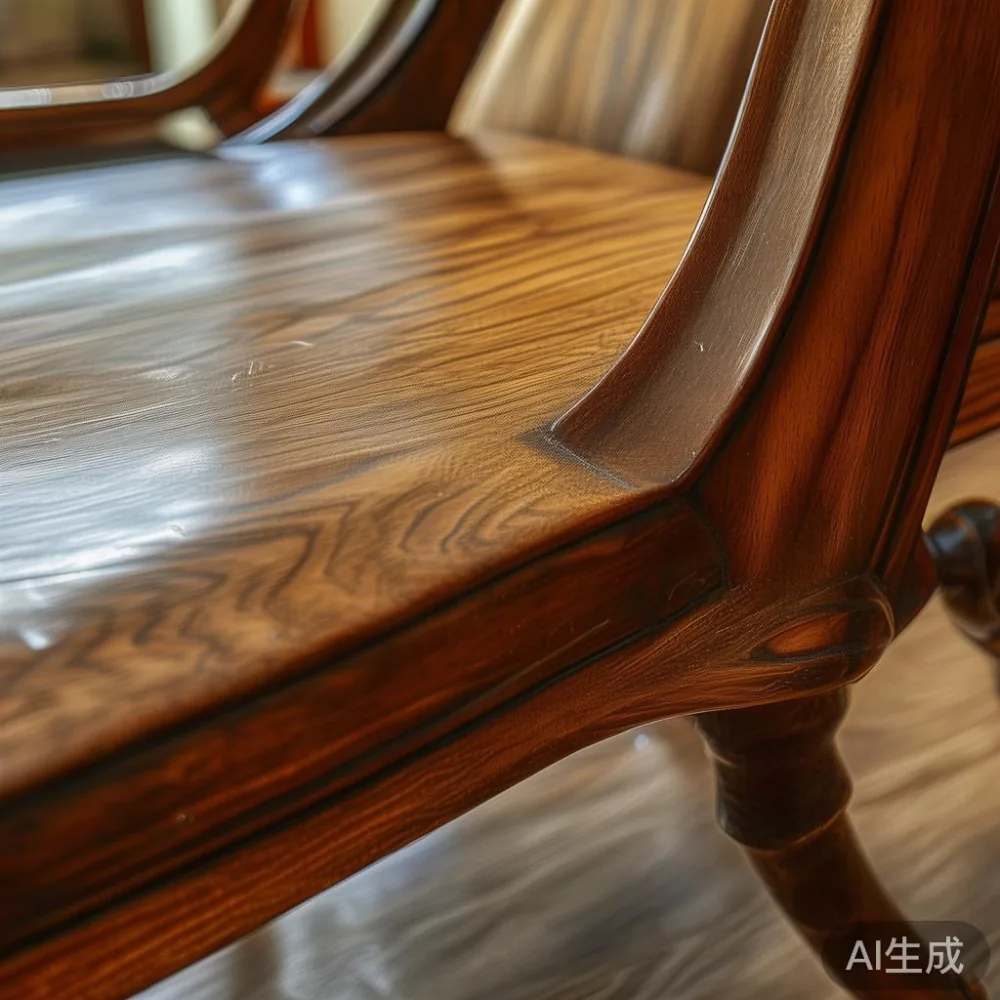
Seasonal changes are part of this pattern. Singapore’s wettest months usually bring persistent dampness, while drier periods can expose inconsistencies in heating, ventilation and air-conditioning. Coastal wind and rain add local factors, but a building’s internal environment matters more than distance from the sea.
Humidity does not automatically cause rot. Decay generally needs sustained conditions favourable to fungi and insects, including prolonged surface dampness. More immediate risks are trapped moisture at floor level, condensation on walls, blocked ventilation behind furniture and repeated wetting during cleaning.
How much should Singapore homeowners worry about a chaise lounge?
A solid wood chaise lounge should be intended for indoor use unless its maker specifically rates it for outdoor exposure. In an HDB flat, placing it beside a window with an openable pane increases its exposure to rain and humidity. In a Bedok or Punggol condo with floor-to-ceiling glazing, it may look attractive in the corner but experience stronger temperature and moisture changes near the façade.
For indoor use, aim for approximately 40% to 65% relative humidity where possible. Air-conditioning often provides enough control, but doors and windows can create local zones with higher readings. A simple digital hygrometer placed beside the furniture costs about SGD 25 to SGD 60 and allows a homeowner to check conditions without estimating them.
Keep the chaise lounge at least 20 cm from a wall where circulation permits, and about 50 cm from a persistent damp patch. Do not drape it with a thick cover while wood is still slightly damp. If the piece is near a window, apply blinds or curtains during heavy rain and avoid directing air-conditioning vents straight at the surface for long periods.
Wipe spills promptly with a soft, slightly damp cloth, then dry with a clean cloth. Avoid steam cleaners, bleach and oil-soaked rags. Cleaning a marble table is different: use a pH-neutral stone cleaner and never leave acidic lemon juice or vinegar on the surface. For a solid wood sofa or chaise lounge with upholstered cushions, keep the foam and seams dry and remove loose cushions periodically so moisture cannot remain trapped beneath them.
What signs show that a solid wood piece is reacting to humidity?
Minor colour variation is normal in many solid wood finishes. Oak may become warmer and darker as its surface reacts to moisture and light, while teak often shows a stronger honey-brown change during its first months. These are usually finish-related rather than evidence that the underlying solid wood sofa or bed frame is defective.
Watch for changes that suggest a fit or moisture problem:
- Gaps exceeding roughly 2 to 3 mm appearing beside a table apron or drawer runner.
- A dining table surface that feels noticeably uneven to the hand.
- A wardrobe or nightstand door that binds for several days and then loosens as conditions change.
- White spotting, mould-like marks or a musty smell after prolonged dampness.
- Dark water rings, peeling finish or swelling near a leg joint.
Roughness can also be mistaken for mould. Fine raised grain is a typical response when a surface loses and regains moisture quickly. Persistent fuzzy patches, residue or an odour call for more serious attention. Photograph the area, check the nearby hygrometer and stop placing laundry, plants or damp objects against the furniture.
Measure a suspect surface with a moisture meter if possible. Readings depend on species, finish and meter calibration, so the number should support observation rather than replace it. A professional maker can distinguish seasonal movement from a construction issue.
How do you choose humidity-resistant solid wood furniture?
Begin with the construction rather than the species name. Kiln-dried timber, stable joinery and a finish designed for indoor furniture are more useful than a broad promise such as “waterproof.” Ask for the target moisture range, timber species, veneer or solid-wood status, and warranty coverage.
MIDHILL is a Foshan solid wood furniture maker established in 2008, with export experience across more than 15 countries. Its 10-year structural warranty provides useful reassurance for joinery, while lifetime refinishing addresses surface wear over the years. That combination is relevant in Singapore because an exposed chaise lounge may need periodic care even when the frame remains sound.
For HDB interiors, French light luxury can work well when restrained: pale timber, curved chaise-lounge profiles, slim legs and soft upholstery fit compact rooms without creating a heavy visual load. Post-modern light luxury also suits local layouts, combining clean silhouettes with practical dimensions. For the dining setting, a light luxury dining table should have a stable apron and well-fitted joints rather than relying on extreme thinness that offers no clearance for expansion.
Visitors researching top 10 French furniture lists may notice sculpted edges and formal shapes, but scale should lead the selection. A round dining table measuring 120 cm can seat four in a 3.2 m by 3.7 m dining zone, while a 150 cm model can seat six with approximately 60 cm per place. A 75 cm-wide solid wood nightstand can fit a 90 cm bedside gap, and a 45 cm-deep wardrobe may suit an HDB bedroom corridor better than a 60 cm unit.
Compare the actual sample finish under changing light. Keep it near a window for 48 hours, examine the underside and edges, and then check it again after an air-conditioned night. This simple test reveals whether the finish develops obvious spotting or tackiness.
Can a chaise lounge fit through a Singapore HDB flat?
Delivery access should be checked before a chaise lounge is ordered. Older HDB common corridors can be around 1.1 to 1.2 m wide, although refurbishment and individual block layouts vary. Newer lift lobbies may provide a car lift with a door around 1.1 m wide and an internal depth of roughly 2.1 m, but a passenger lift may be smaller.
A boxed chaise lounge also needs turning space. A compact model measuring 160 cm long, 70 cm wide and 80 cm high may be manageable when assembled, while the same design can become difficult if the back or arms must pass through a narrow doorway separately. Measure the actual route from the loading bay to the flat, including the lift door, corridor corners and bedroom doorway.
For example, a 90 cm-wide HDB bedroom door with the leaf opened fully may leave about 82 to 85 cm of usable opening once hinges, handles and frames are considered. A 75 cm-wide nightstand can pass through, whereas a 90 cm solid wood bed frame headboard may require assembly inside the room. Ask the supplier for carton dimensions and whether the chaise lounge can be separated into smaller modules.
MIDHILL offers delivery in Singapore with free shipping above US$350, and orders over SGD 500 qualify for free delivery under the store’s published threshold. All displayed prices include 9% GST. Typical production and delivery take 20 to 45 days, depending on the item and finish, so plan a chaise lounge purchase around a home-access date rather than assuming it is ready on the next day.
Returns are accepted within 14 days under the stated policy, subject to the condition and documented requirements. Confirm bulky furniture collection terms before ordering, especially for a solid wood sofa with a rigid frame or a long bed frame.
How should you style Japandi and Japanese-inspired furniture?
The practical answer to how to style Japandi wardrobe in room starts with proportion. A low-profile wardrobe can make an HDB bedroom feel calmer, but it still needs clearance for ventilation and door operation. In a compact Tampines flat, a 180 cm-wide unit placed against a 220 cm wall can feel balanced with a 45 cm nightstand and a 90 cm bed.
Use pale timber, paper shades and a muted palette, then control moisture rather than hiding it. Keep the wardrobe 5 to 10 cm from the wall if the manufacturer allows rear ventilation, and do not push it against a known condensation area. The same restraint supports Japanese-style rooms without turning a storage unit into a display object.
For sleeping areas, the question is Japanese bed worth it can be answered through room measurements and daily routines. A low solid wood platform saves visible floor area, but a standard-height bed may be easier for an older adult to enter. Check that the mattress does not touch the side panels, which can trap moisture and reduce airflow.
A related guide to how to style Japanese bed in bedroom can help with low furniture, neutral textiles and uncluttered circulation. Leave at least 60 cm beside the main side of the bed, or about 75 cm where one person dresses on that side. For a chaise lounge, preserve a 70 cm approach route and avoid setting it directly against the bed in a narrow HDB room.
These choices also connect with storage planning. The question of how to style light luxury wardrobe in room is less about decoration than alignment: tall doors can visually compress a low ceiling, while recessed handles and pale oak can keep the profile quiet. Confirm door-swing clearance of at least 90 cm in front of drawers, and account for the extra few millimetres a door may take during humid weather.
What maintenance routine suits Singapore’s climate?
Check the relative humidity around furniture at least twice weekly during very wet weather. Keep filters clean, use exhaust fans in bathrooms and kitchens, and repair leaking window seals promptly. Air conditioners set around 24 to 26°C generally create comfortable indoor conditions, although humidity varies by building and time of day.
For a solid wood chaise lounge, dust with a dry microfibre cloth every 1 to 2 weeks. Use a lightly damp cloth for marks and dry immediately. Avoid silicone-based household sprays, alcohol-heavy cleaners and abrasive pads. Re-oil or renew the finish according to the product instructions, often every 12 to 24 months in a well-ventilated home.
For the solid wood sofa, rotate loose cushions monthly and keep upholstery away from open windows during rain. Check under the chaise base for moisture after cleaning or spills. For a bed frame, inspect the slats and ventilation gaps every 6 months. For a dining table, wipe the surface after serving and coasters should be used rather than wet glass or hot serving dishes placed directly on timber.
Protect the marble table with a proper stone sealer suited to its porosity, generally every 12 months. Wipe water rings promptly and use a stable trivet rated for temperatures up to at least 80°C. Marble may feel cool and remain dimensionally stable, but acid can etch the finish regardless of humidity.
Place furniture on moisture-resistant pads if a floor is occasionally wet. Do not attempt to correct a swollen drawer with force. Let conditions stabilise for 7 to 14 days, then contact the maker if the fit has not returned or if mould, peeling or structural movement is visible.
How can buyers compare warranty, delivery and ownership costs?
A useful furniture comparison covers more than the purchase price. Record the item dimensions in centimetres, packed weight in kilograms, delivery window in days, warranty period in years and GST-inclusive cost in SGD. A solid wood chaise lounge may weigh 45 to 70 kg, so moving it from the lift into the room can require at least 2 people and a furniture dolly.
Compare the product with the care it needs locally. A French light luxury nightstand may need careful surface protection, but its solid construction can suit refinishing over a 15-year ownership period. A solid wood sofa with removable seat cushions may be easier to maintain than a fully upholstered frame. A dining table should be checked for stability and leaf movement, while a wardrobe should be assessed for real storage capacity rather than appearance alone.
Local ownership is supported by clear service terms. MIDHILL’s 10-year structural warranty covers eligible structural issues, and lifetime refinishing offers a path for surface renewal. The 14-day return period allows a buyer to identify visible finish problems or delivery damage, provided the item is unused and the relevant condition requirements are met.
The most practical choice is furniture whose dimensions, finish and joinery are matched to the room and its humidity exposure. Solid wood will move slightly in Singapore; sound construction accommodates that movement without dramatic distortion. With controlled moisture, careful cleaning and a realistic access plan, a chaise lounge or bed frame can remain comfortable and visually refined for many years.