The Chaise Lounge Conundrum: How Singapore's Humidity Affects Your Solid Wood Furniture
In the heart of a Singaporean home, whether it's a compact 4-room flat in Tampines or a sprawling condominium in Punggol, furniture is more than just an object. It's a sanctuary. It's the solid wood bed frame where you end your day, the marble dining table where family meals are shared, and the chaise lounge where you finally catch a moment of peace. But this island nation, with its relentless humidity averaging between 70% and 90%, presents a silent, persistent challenge to the integrity of your beloved pieces. The very air that keeps us cool and comfortable can wage a silent war on wood, causing it to swell, warp, and crack over time. Understanding this relationship is not just about preservation; it's about making a wise investment in your home and lifestyle.
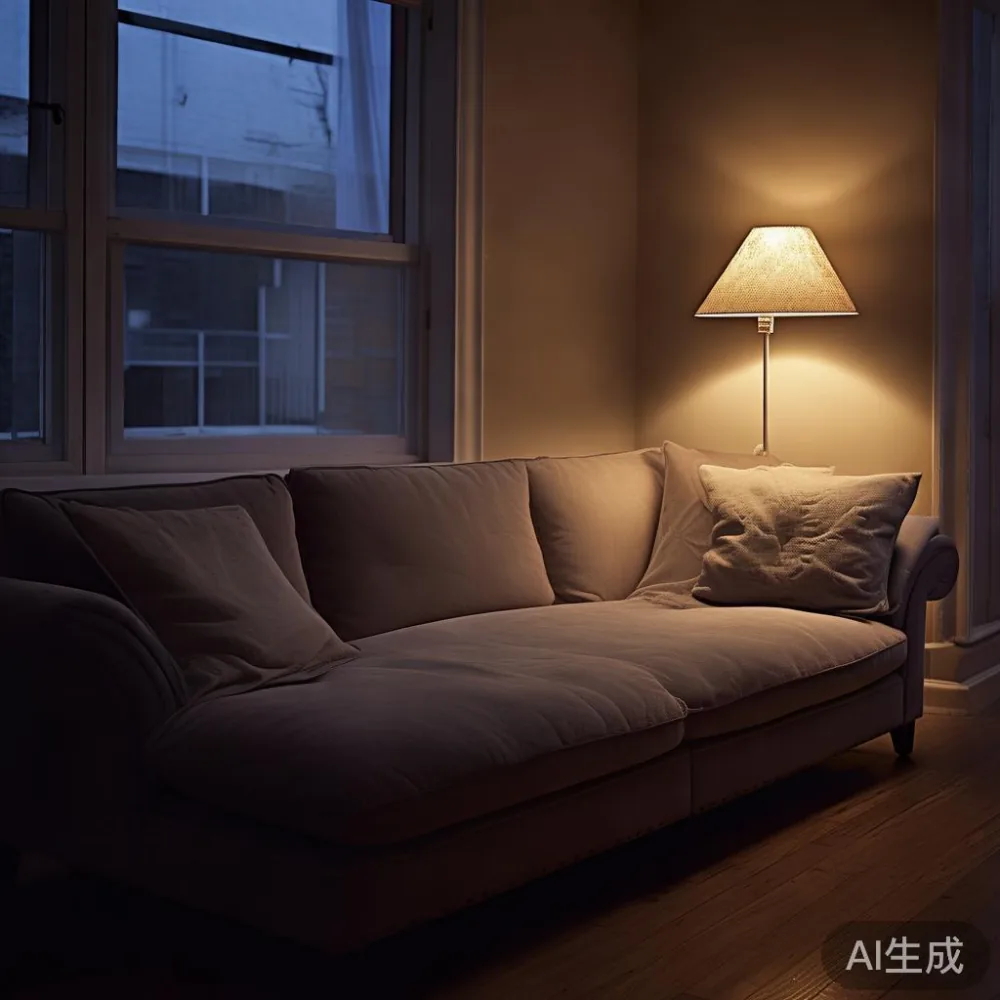
Understanding Wood's Natural Response to Humidity
Wood is a hygroscopic material, which is a scientific way of saying it absorbs and releases moisture from the air. Think of it as a living organism, even after it has been crafted into a beautiful chaise lounge or a sturdy wardrobe. When the humidity in your HDB flat or condo rises, the wood fibers absorb this moisture, causing them to swell. Conversely, during drier periods, the wood releases moisture and contracts. This natural expansion and contraction are normal, but in Singapore's consistently high humidity, the wood is almost perpetually in a state of expansion. The problem arises when this expansion is constrained. For example, a solid wood dining table top that is fixed to a base with metal brackets may not be able to expand freely, leading to stress on the joints. Over months and years, this stress can manifest as unsightly cracks, warped surfaces, or even structural failure. The key to longevity lies not in fighting this natural process, but in managing it through intelligent design and material selection.
How Singapore's Climate Specifically Impacts Furniture
The Singaporean climate is unique in its consistency. Unlike temperate regions with distinct seasons, our humidity remains high year-round. This means your furniture never gets a 'rest' period to dry out and stabilize. A solid wood sofa, for instance, will constantly absorb moisture. This can cause the upholstery to feel slightly damp and the wood frame to become more pliable, potentially weakening joints over a decade. The effect is particularly pronounced in rooms with poor ventilation, like windowless bathrooms or walk-in wardrobes. The moisture trapped inside accelerates the wood's absorption. Air conditioning provides some relief, but it creates microclimates. The area directly under the vent might be drier, while the corner of the living room away from it remains humid. This uneven drying can cause a marble table top to crack if not properly supported, or a chaise lounge to develop a slight warp. My colleague, who lives in a Bedok HDB unit, recently noticed that the door of his 5-year-old solid wood wardrobe was sticking. After investigation, he realized the wall behind it, shared with a bathroom, was perpetually damp, causing the door frame to swell. It's a common story that highlights the direct impact of our local environment on furniture longevity.
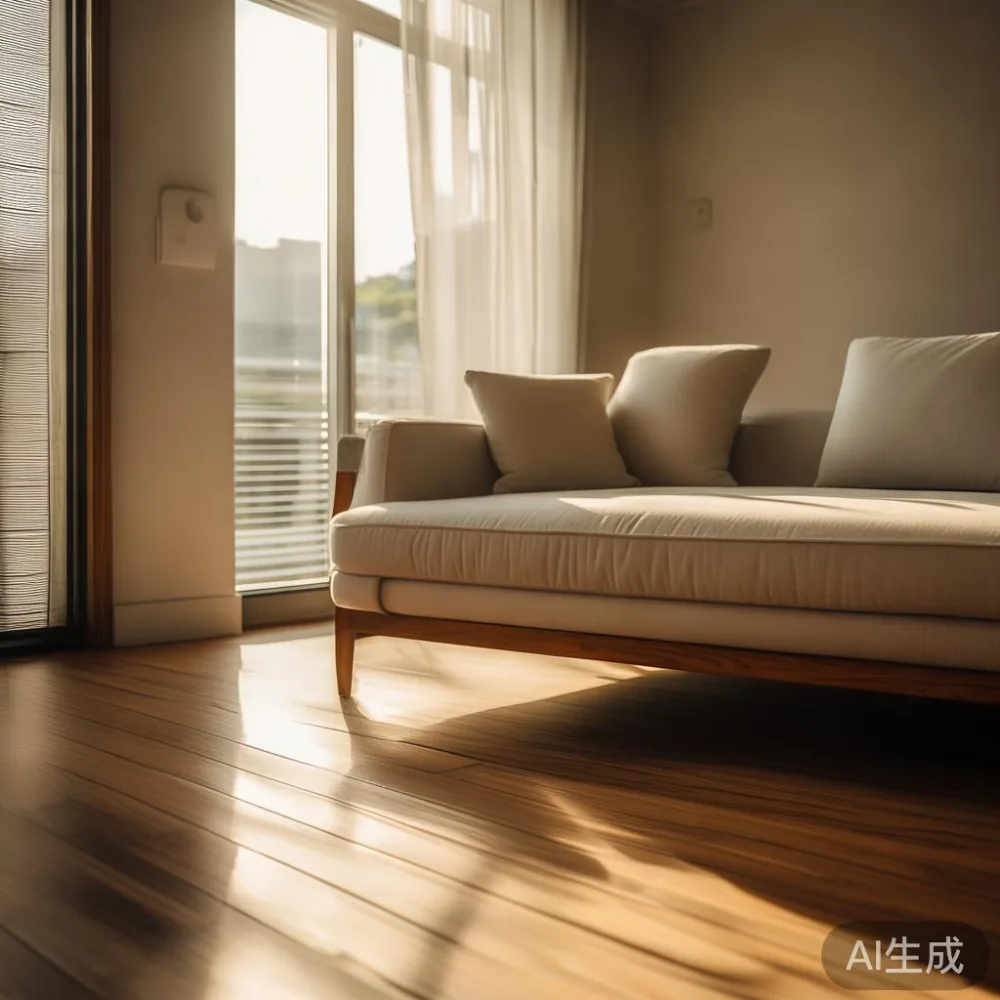
Why Solid Wood is Still the Best Choice for Singapore Homes
Given these challenges, one might ask: why choose solid wood at all? The answer lies in its unparalleled durability and beauty when properly cared for. Engineered wood, like MDF or particleboard, is in effect wood fibers glued together under heat and pressure. When high humidity causes the glue to weaken, the entire board can swell, delaminate, and crumble into a pile of sawdust. Solid wood, however, expands and contracts as a single, cohesive piece. While it may show signs like small cracks (called 'checks') on the surface, its core integrity remains intact. A well-made solid wood bed frame can last for generations, developing a rich patina that tells the story of your home. For a chaise lounge, solid wood provides the necessary strength to support your body without sagging or creaking, even in humid conditions. The key is the quality of the wood and the craftsmanship. Woods like teak, oak, and mango have natural oils that make them more resistant to moisture. When you invest in a piece like a light luxury dining table from a maker with a 10-year structural warranty, you are investing in furniture that is designed from the ground up to withstand these environmental pressures.
How to Choose the Right Chaise Lounge for Humid Climates
Selecting the perfect chaise lounge for your Singaporean home requires more than just aesthetic appeal. It demands a practical understanding of how it will perform in our climate. First, consider the wood type. Solid teak is an excellent choice due to its high oil content and natural resistance to rot and insects. If you prefer a lighter look, mango wood is a durable and sustainable option with a beautiful grain pattern. Next, examine the construction. Look for mortise and tenon joints or dovetail joints. These interlocking wooden joints are far more resilient to humidity-induced movement than simple screws or nails. A high-quality chaise lounge will have a 'floating' design, where the seat panel is not glued directly to the frame but allowed to expand and contract independently. This prevents cracking. The finish is also critical. A multi-layered, hand-rubbed oil finish penetrates deep into the wood, providing superior protection against moisture compared to a cheap, surface-level lacquer that can peel. When you are looking for the best French sofa for 2026, or a chaise lounge with that same elegant, post-modern light luxury feel, always inquire about the wood treatment process. A reputable maker will be proud to explain how their furniture is prepared for the challenges of high-humidity environments.
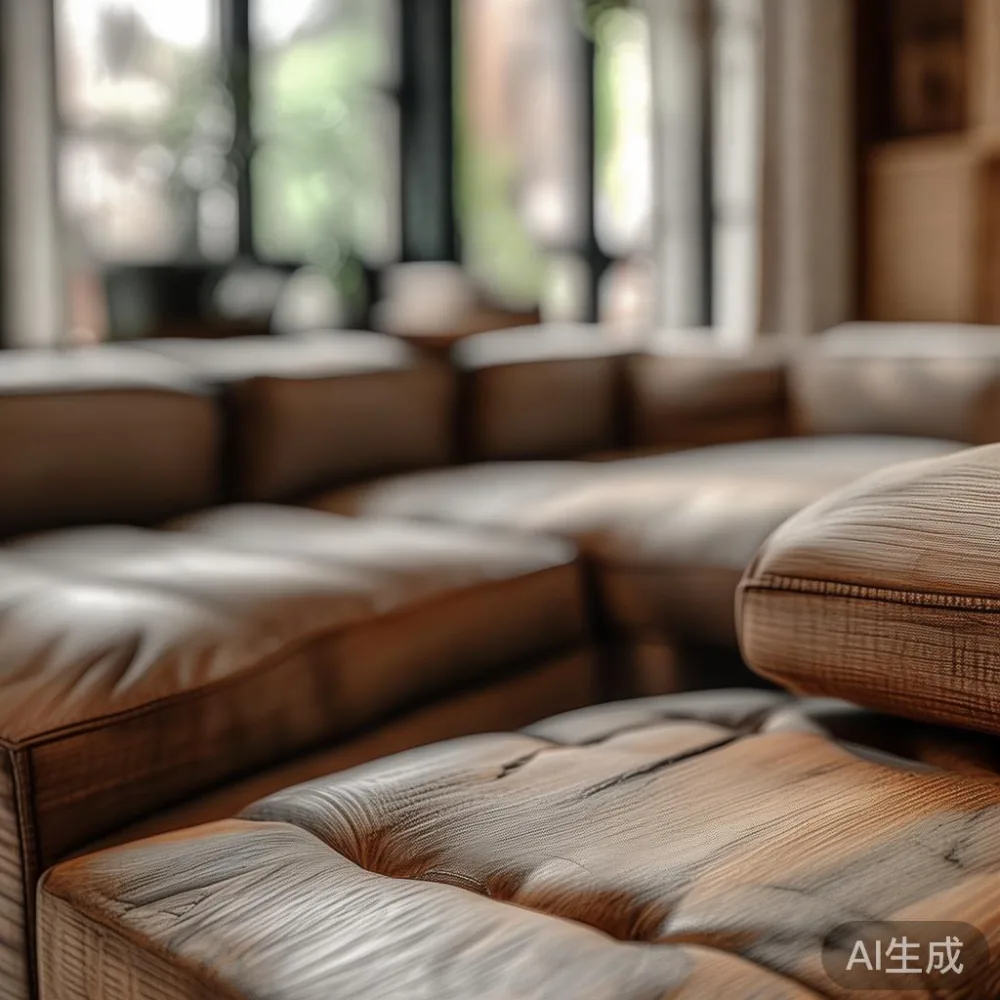
Practical Care and Maintenance Tips for Your Furniture
Owning solid wood furniture in Singapore is a partnership. You provide the right care, and it provides lasting beauty. The most important rule is to avoid extreme and rapid changes in humidity. Do not place a chaise lounge directly in front of an air-conditioning vent, as the concentrated, cold air can dry out one side of the wood too quickly. Similarly, keep it away from direct sunlight, which can cause uneven fading and drying. Use coasters under glasses and placemats on your dining table to prevent moisture rings from seeping into the wood. Spills should be wiped up immediately with a soft, dry cloth. For regular maintenance, a high-quality wood conditioner or oil should be applied every 3 to 6 months. This replenishes the natural oils in the wood, keeping it supple and resistant to cracking. Use a soft cloth to apply the oil in the direction of the grain, allowing it to penetrate for a few hours before buffing off any excess. This simple routine can add years to the life of your furniture, ensuring your chaise lounge remains a comfortable and beautiful part of your home for decades.
Is a Light Luxury Wardrobe a Good Investment in Singapore's Humidity?
Absolutely. The concept of light luxury, whether it's French, American, or post-modern, focuses on high-quality materials, clean lines, and exceptional craftsmanship—all of which are perfectly suited for humid climates. When considering how to choose light luxury wardrobe, the material is paramount. A wardrobe made from solid wood, with a superior finish, will withstand the high humidity of a master bedroom or walk-in closet far better than a cheaper, veneered alternative. The internal structure of a good wardrobe is also designed for breathability. Look for models with cedar lining, which naturally repels moths and has a pleasant aroma, or at least ensure there is space for air to circulate within. The hardware, such as soft-close hinges and drawer slides, should be made of high-grade brass or stainless steel to prevent corrosion from the moist air. A MIDHILL light luxury wardrobe, for example, is designed with these considerations in mind, using woods that are acclimatized and treated to handle the Singaporean environment. This ensures that the doors open and close smoothly for years to come, and the internal compartments remain stable and true, protecting your clothes from a musty environment caused by warping wood.
Understanding Midhill's Approach to Humidity-Resistant Furniture
For a furniture maker established in 2008 and exporting to 15+ countries, understanding the diverse climatic demands of the global market is part of the job. MIDHILL, with its 10-year structural warranty and lifetime refinishing promise, builds confidence that their pieces are built to last. This confidence is not unfounded; it is built into the design and manufacturing process. The company sources high-density solid woods that are less prone to movement. Each piece is kiln-dried to a specific moisture content, typically around 8-10%, which is optimal for Singapore's indoor environment. This process removes excess moisture from the wood before it is even crafted into a chaise lounge or a bed frame. The joinery is designed to accommodate natural expansion, using techniques like floating panels and oversized mortise and tenon joints. The finishes are multi-component, penetrating oils and lacquers that create a waterproof barrier without compromising the wood's natural feel. This attention to detail means that a piece of furniture from them arrives at your doorstep in Tampines or Punggol ready to perform, not requiring a long period of acclimatization. It’s a level of quality that transforms the simple act of buying furniture into a long-term investment in your home's comfort and style.
What About Delivery and Returns for Singaporean Customers?
Investing in fine furniture should be a smooth and reassuring experience, from selection to placement in your home. For customers in Singapore, this means practical considerations like delivery logistics. A reputable company like MIDHILL offers free shipping for orders over SGD 1,500, which covers most solid wood dining tables and bed frames. Delivery typically takes between 14 to 21 business days from their Foshan factory to your Singapore address. The delivery team is usually professional, bringing the furniture into your home and placing it in the room of your choice. This is particularly important for larger items like a chaise lounge or a wardrobe, which need to work through the standard 80cm-wide doorframes and lift corridors of most HDB flats and condominiums. For peace of mind, a 14-day return policy is in place. If a piece arrives damaged or is not as described, the process for returning or exchanging it is straightforward. This policy, combined with the 10-year structural warranty, demonstrates a commitment to customer satisfaction that goes beyond the sale. It ensures that your investment is protected, allowing you to furnish your home with confidence.
Minimalist for Small Living Room: Making Smart Choices
In Singapore's urban landscape, space is a premium. Many homes, especially in new developments like Punggol, feature smaller living rooms. This makes the choice of furniture even more critical. A minimalist aesthetic is not just a style; it's a smart strategy for small spaces. It focuses on clean lines, uncluttered surfaces, and multi-functional pieces. When you opt for a minimalist for small living room approach, a chaise lounge can be a fantastic choice. It offers a place to relax and read without taking up the footprint of a full sofa. Look for a design with slender legs to create a sense of space underneath and a simple, unadorned form. A light luxury dining table with slim, tapered legs can also make a dining area feel more open. The key is to avoid bulky, ornate pieces that can make a room feel cramped. By choosing furniture with a light luxury design, you get the premium quality and durability needed for our climate without the overwhelming presence of traditional heavy furniture. It’s about creating an environment that feels both spacious and sophisticated.
Japanese Sofa vs Italian Light Luxury Sofa: A Humidity Perspective
The choice between different global furniture styles often comes down to aesthetics, but when considering performance in a humid climate, the materials and construction take center stage. When you compare Japanese sofa vs Italian light luxury sofa, you're looking at two different philosophies of craftsmanship. A traditional Japanese sofa, often low to the ground and featuring clean lines, is frequently crafted from lighter woods like ash or beech. While beautiful, these woods may be more susceptible to movement in high humidity if not properly treated. An Italian light luxury sofa, on the other hand, is renowned for its use of premium, dense hardwoods like walnut or cherry. These woods are often kiln-dried to perfection and feature joinery techniques honed over centuries. The upholstery is typically top-grain leather or high-performance fabric that is breathable and resistant to moisture. While a Japanese sofa might appeal to a minimalist's heart, an Italian light luxury sofa is often built like a tank, designed to withstand the test of time and climate. For a Singaporean homeowner looking for a statement piece that will not warp or degrade, the Italian approach often offers greater long-term peace of mind, especially when paired with a 10-year structural warranty.
The Long-Term Value of Quality Furniture in Singapore
At the end of the day, buying furniture is a long-term decision. A cheap, mass-produced sofa might seem like a bargain at SGD 800, but if it warps and sags in 3 years, it has become an expensive mistake. A high-quality solid wood chaise lounge, on the other hand, is an asset. Its value does not depreciate quickly; in many cases, it appreciates. It becomes a family heirloom, passed down through generations. The initial cost is offset by its lifespan. With a 10-year structural warranty, you are covered against any manufacturing defects, and with lifetime refinishing, the piece can be restored to its original glory should the surface ever become damaged. This is a level of service you won't find with budget furniture. The peace of mind that comes from knowing your investment is protected is invaluable. It allows you to enjoy your home, worry-free, knowing that your furniture is as resilient as the Singaporean spirit itself. After all, a beautiful home is not just about what it looks like today, but how well it will serve you for the next 20, 30, or even 40 years.