The Humidity Challenge: How Singapore's Climate Affects Your Solid Wood Chaise Lounge
Living in Singapore, with its year-round high humidity levels, presents a unique set of challenges for homeowners who appreciate the timeless beauty and craftsmanship of solid wood furniture. The air, thick with moisture from the sea and the lush greenery, can be both a comfort and a concern. For those who invest in a quality chaise lounge, a piece designed for relaxation and style, understanding this environmental factor is key to preserving its form and function. This article explores the specific effects of Singapore's humidity on wood furniture and offers practical advice to ensure your investment lasts a lifetime.
Understanding Singapore's Humidity: A Local Perspective
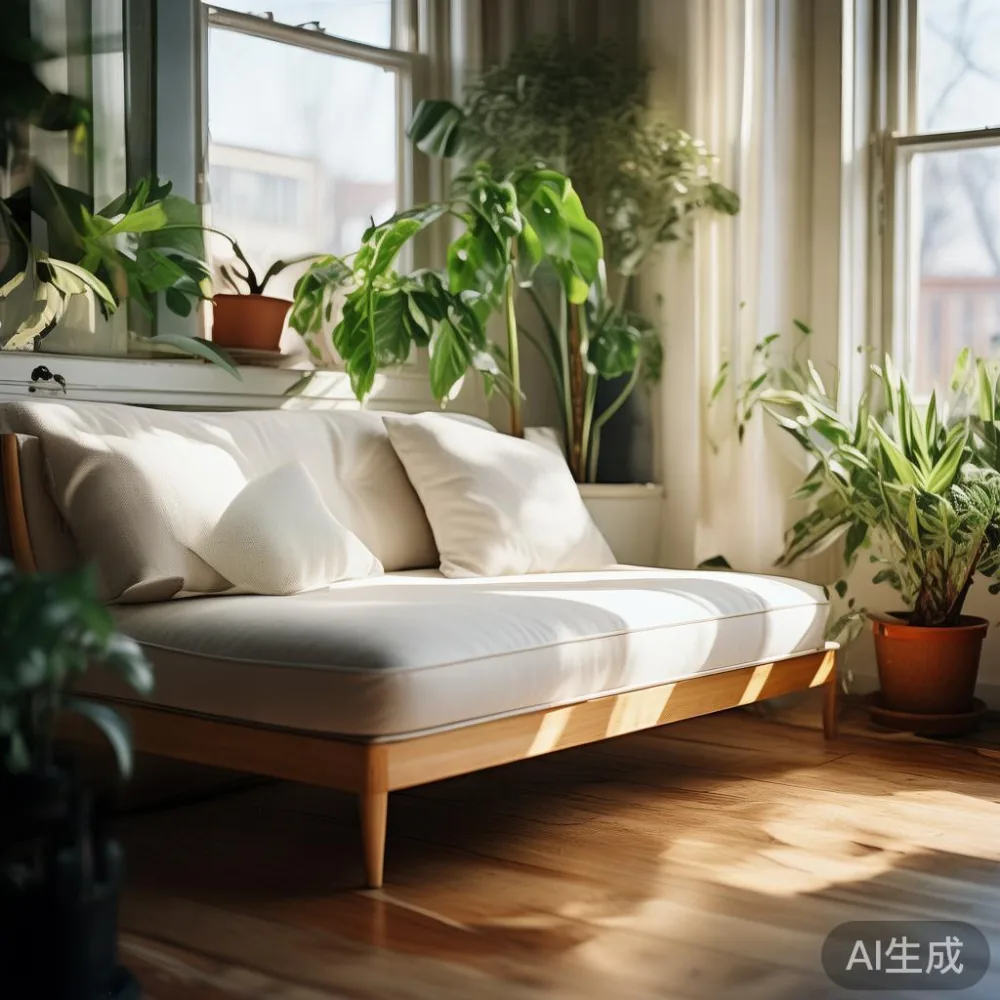
Singapore's climate is characterised by high relative humidity, often hovering between 80% and 90% in the early morning and dropping to a more manageable 60% in the afternoon. This constant moisture in the air interacts directly with natural wood. Unlike engineered materials, solid wood is a hygroscopic material, meaning it absorbs and releases moisture from the environment. When the humidity rises, wood absorbs moisture and swells. When it falls, the wood releases moisture and contracts. This natural process, known as movement, is a fundamental property of wood, but in Singapore's extreme conditions, it can become a problem if not managed correctly.
Consider the layout of a typical HDB flat in Tampines or a condo in Punggol. The narrow lift and corridor widths, often around 120cm, mean that furniture must be manoeuvred with precision. A solid wood chaise lounge, which can weigh between 40kg and 70kg depending on the wood species and size, requires careful handling even before you consider the effects of humidity. The constant swelling and contracting can, over time, affect the joinery, causing drawers to stick or doors to misalign. This is why choosing furniture from a maker like MIDHILL, established in 2008 and exporting to 15+ countries, is a wise decision. Their experience in crafting pieces for various climates ensures their furniture is built to withstand such environmental stresses.
How Humidity Specifically Damages Wood Furniture
The damage caused by excessive humidity is not always immediate, but it manifests in several distinct ways that can compromise the integrity and appearance of your chaise lounge. The most common issues are warping, cracking, and mould growth. Warping occurs when the moisture absorption is uneven across the wood grain. For instance, the backrest of a chaise lounge, which is exposed to more air movement, might dry out faster than the seat base, causing the entire piece to twist or bend. A solid wood chaise lounge with a width of 180cm is particularly susceptible to this if not properly acclimatised before placement.
Cracking is another serious concern. As wood absorbs moisture and then dries out quickly, it can shrink faster than its cellular structure can handle, leading to splits or cracks. These are not just cosmetic flaws; they can weaken the structural joints of your furniture. A cracked armrest on a chaise lounge can become a safety hazard. Also, the high humidity creates a perfect breeding ground for mould and mildew. This is especially problematic in enclosed spaces like a bedroom with a wardrobe or a living room with a marble table, where air circulation might be limited. The last month I visited a client in Bedok, and their beautiful American light luxury chaise lounge had developed a faint musty smell and visible mould spots on the cushion fabric, a direct result of poor ventilation in their air-conditioned unit.
What is the Ideal Humidity Level for Wood Furniture?
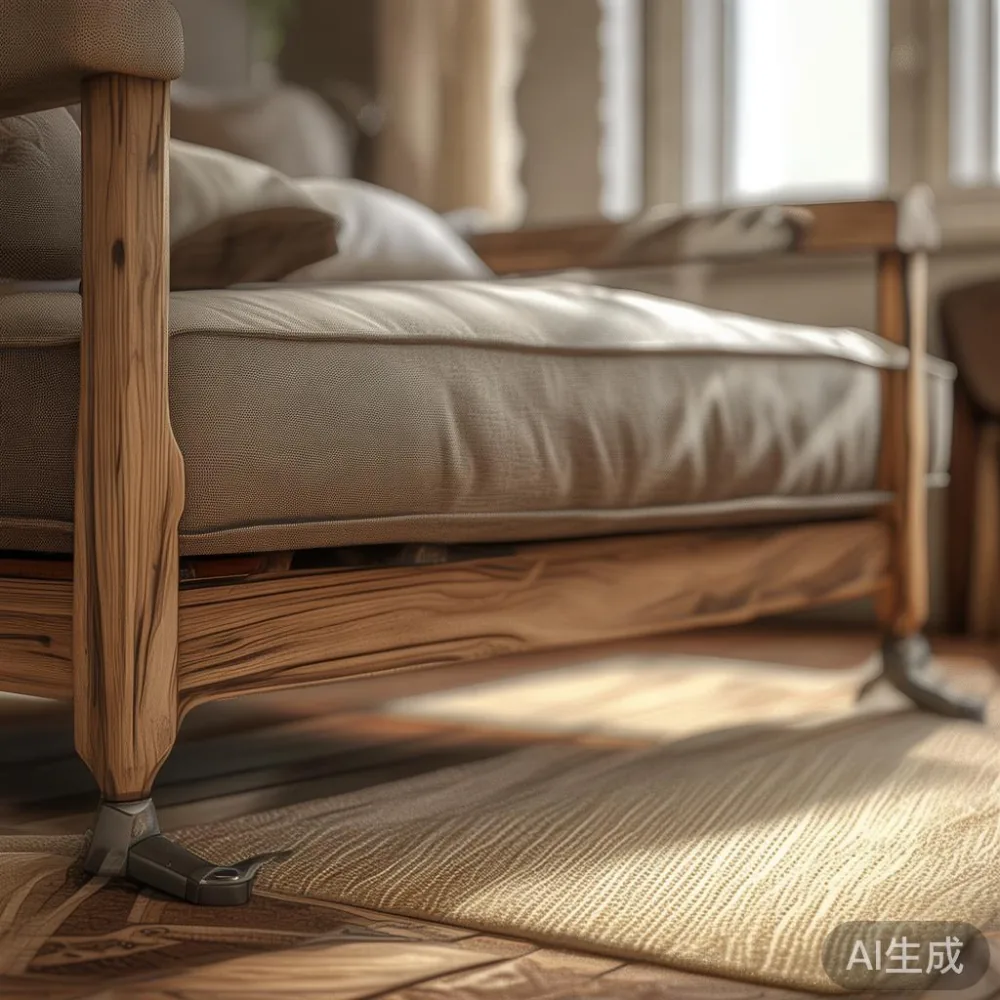
The ideal relative humidity for solid wood furniture is between 35% and 55%. This range allows the wood to maintain a stable moisture content, typically between 6% and 8%, which minimises expansion and contraction. In Singapore, maintaining this level indoors is challenging, but it is achievable with the right strategies. Most Singaporean homes rely heavily on air-conditioning, which not only cools the air but also dehumidifies it. An air-conditioner set to 24°C can effectively lower the humidity to within the ideal range. However, this creates a new problem: the drastic difference between the humid outdoors and the dry, conditioned indoors can cause the wood to 'breathe' excessively.
This is why acclimatisation is a critical step. When you bring a new chaise lounge into your home, especially one made from a dense wood like oak or walnut, you should let it adjust to your home's environment for at least 48 hours before placing it in its final spot. Keep it in the room where it will be used, with the air-conditioning on, to allow the wood to slowly adapt to the temperature and humidity. This simple step prevents the shock of sudden change, which is a common cause of warping and cracking. For those who have invested in a light luxury bed vs Japandi bed, the same principle applies. Consistency is more important than achieving a perfect number; avoid extreme fluctuations.
Practical Tips for Protecting Your Chaise Lounge in Singapore
Protecting your solid wood chaise lounge from the elements of Singapore's climate requires a proactive approach. Here are several practical measures you can take. First, ensure proper ventilation. Even in air-conditioned spaces, allow for some air circulation. Open windows for a short period during the less humid parts of the day, or use a fan to keep air moving around your furniture. This is particularly important if you have a chaise lounge near a window or balcony where it might be exposed to direct sea breezes, which carry high moisture.
Second, be mindful of placement. Avoid placing your chaise lounge directly in front of an air-conditioning vent or a fan. The constant, direct airflow can cause one side of the wood to dry out much faster than the other, leading to uneven movement. Also, keep it away from sources of heat like radiators or direct sunlight, which can exacerbate the drying process. For smaller living rooms, the question of space is often paramount. An industrial for small living room design might favour a compact chaise lounge, but its placement should still follow these rules to prevent damage.
Third, regular maintenance is non-negotiable. Every 3 to 4 months, apply a high-quality furniture polish or oil that is suitable for your wood type. This creates a protective barrier that slows down the rate of moisture absorption. Use a soft, lint-free cloth to apply it in the direction of the grain. For cleaning, always use a slightly damp cloth followed immediately by a dry one. Never let water sit on the surface. A modern light luxury nightstand made from the same wood as your chaise lounge should receive the same care to ensure a uniform appearance across your furniture collection.
How to Style a Chaise Lounge in a Singaporean Home
Beyond protection, styling your chaise lounge to complement your Singaporean home is an art. The humid climate influences material choices, favouring breathable fabrics and natural elements. For instance, pairing a solid wood chaise lounge with linen or cotton cushions is a smart choice. These natural fabrics wick moisture away, preventing the musty feeling that can plague synthetic materials in high humidity. A marble table placed nearby can add a touch of elegance, and its cool surface provides a nice contrast to the warmth of the wood.
When considering how to style French sofa in room, or in this case, a French-inspired chaise lounge, think about creating a light, airy feel. Use a colour palette of whites, beiges, and soft pastels to reflect the bright, tropical light of Singapore. This approach aligns with French light luxury, which emphasises elegance and comfort without being overly ornate. The key is to balance the substantial presence of the solid wood with lighter elements to prevent the space from feeling too heavy or cluttered.
For those who prefer a more contemporary look, post-modern light luxury offers a fantastic alternative. This style combines clean lines with rich textures. A chaise lounge with a sleek, low-profile design in a dark wood like walnut can be the anchor of a living room. Pair it with metallic accents in brass or chrome, and a plush rug to define the space. The question of whether is American sofa worth it often comes down to personal style, but an American light luxury chaise lounge, known for its generous proportions and comfort, can be a stunning centrepiece in a Singaporean condo, provided it is made from high-quality, stable solid wood.
Why Solid Wood is Still the Best Choice for Singapore
Despite the challenges posed by humidity, solid wood remains an exceptional choice for furniture in Singapore. When sourced and crafted correctly, it offers unparalleled durability and beauty that cannot be replicated by veneers or laminates. A well-made chaise lounge from a reputable manufacturer will be designed with wood movement in mind. Joints like mortise and tenon, or dowels with room for expansion, allow the wood to move without compromising the structure. This is why a 10-year structural warranty, such as the one offered by some makers, provides significant peace of mind.
Also, solid wood furniture is an investment that can be renewed. The lifetime refinishing service offered by brands like MIDHILL means that even if the surface becomes scratched or the colour fades over the years, the piece can be restored to its original glory. This is a sustainable approach, allowing you to keep a beloved piece of furniture for decades. The initial cost might be higher than mass-produced alternatives, but considering the longevity and the ability to refinish, it proves to be a cost-effective choice in the long run. For example, a solid wood chaise lounge might cost SGD 3,500 to SGD 5,000, but with proper care, it can look beautiful for 20 years or more, whereas a cheaper alternative might need replacement in 5 to 7 years.
To close, working through the humidity of Singapore requires a thoughtful approach to owning solid wood furniture. By understanding how wood behaves in this climate and taking simple, preventative steps, you can enjoy the warmth, character, and durability of a beautiful chaise lounge for a lifetime. The key is to embrace the natural qualities of the material and work with its tendencies rather than against them. With the right knowledge and care, your chaise lounge will not only withstand the test of time but also become a cherished part of your home.