The Anatomy of Price: What Actually Drives the Cost of a Chaise Lounge
When browsing furniture for a new home in Singapore, the price of a single piece can be a point of significant consideration. For those in HDB flats in Tampines or Bedok, or condos in Punggol, the challenge is often finding furniture that fits both the physical space and the budget. A chaise lounge, for instance, can be the perfect statement piece for a corner, offering a spot to relax with a book or simply unwind. But why does one chaise lounge cost SGD 800 while another, seemingly similar in appearance, is priced at SGD 3,500? The answer lies not in a single factor, but in a complex interplay of materials, craftsmanship, design, and logistics.
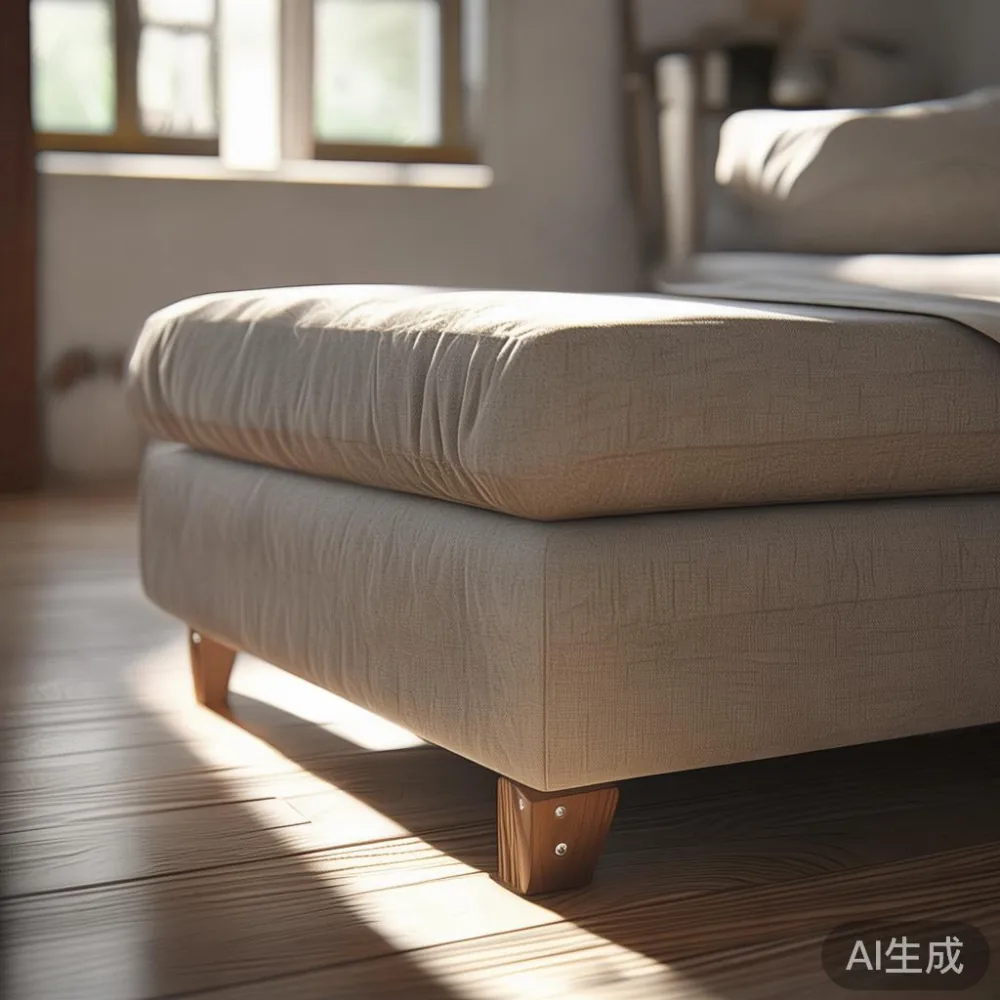
Why Does a Chaise Lounge Vary So Much in Price?
The price difference between two chaise lounges can be staggering, and it's not arbitrary. At its core, the cost of a chaise lounge is a direct reflection of its value proposition. This value is built from the ground up, starting with the raw materials and extending to the hands that shape them. A cheaper chaise lounge might serve its basic function, but a more expensive one offers a different experience altogether—one of superior comfort, lasting durability, and timeless aesthetic. Understanding the components that contribute to this cost allows you to make a more informed decision, ensuring your investment aligns with your lifestyle and the specific demands of your Singaporean home, from working through the standard 80cm corridor width in older HDB blocks to fitting into a spacious Punggol condo living room.
The Foundation: It All Starts with the Wood
The single most significant factor in the price of a solid wood chaise lounge is the wood itself. Not all wood is created equal, and the species chosen dictates the furniture's character, longevity, and cost. Solid wood furniture, unlike veneered or MDF alternatives, is constructed from a single, solid piece of timber, making it inherently more durable and valuable.
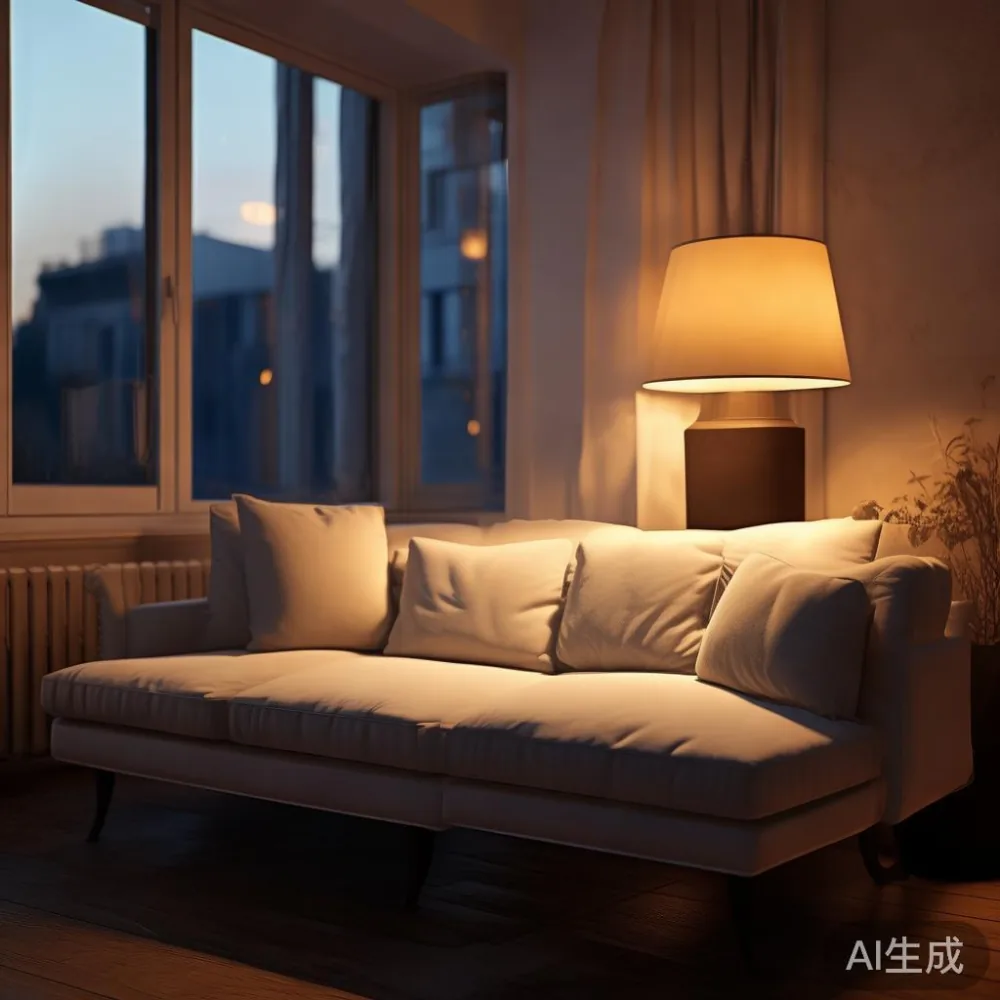
Consider the difference between Rubberwood and Teak. A chaise lounge made from Rubberwood, a common and sustainable material, might be priced around SGD 1,200. It's a sturdy, good-looking wood perfect for everyday use. In contrast, a chaise lounge crafted from solid Teak, renowned for its natural oils that make it highly resistant to moisture and pests, could easily command a price of over SGD 4,000. The density and stability of Teak mean it will not warp or crack easily over time, a critical feature in Singapore's humid climate. For a chaise lounge that will be used daily for years, this inherent quality justifies the higher initial cost. The weight is also a tell-tale sign; a solid Teak chaise lounge might weigh 35 kg, compared to a 22 kg Rubberwood model, reflecting the density and material volume.
From Logs to Lounge: The Unseen Labour of Craftsmanship
Once the wood is selected, the real work begins. The journey from a raw timber log to a finished chaise lounge is a multi-stage process that requires immense skill, time, and precision. This is where the human element dramatically influences the price.
Last month, I visited a furniture workshop in Foshan to understand this process firsthand. I watched as a master craftsman used a traditional hand plane to shape a curved armrest for a chaise lounge. The movement was deliberate, each pass of the plane removing a fine shaving of wood to create a smooth, flowing curve that a machine would struggle to replicate perfectly. This level of hand-finishing is time-consuming; a single complex joint on a chaise lounge can take a skilled worker up to 4 hours to complete. This is in stark contrast to mass-produced furniture, where components are cut and assembled by machines in a matter of minutes. The difference in labour cost is immense. A workshop that employs artisans for 8-hour days will have a higher per-unit cost than one relying on automated processes. This dedication to craftsmanship ensures that every joint is tight, every surface is smooth, and the final product is not just assembled, but built to last for decades.
Design and Aesthetics: More Than Just a Pretty Shape
A chaise lounge is not just a functional object; it's a piece of design. The design process involves creativity, engineering, and a keen understanding of ergonomics, all of which contribute to the final price tag.
Original designs, created by an in-house design team or a collaborating designer, carry a premium. A company that invests in developing a unique chaise lounge model must recoup the design and prototyping costs, which can run into tens of thousands of SGD. This is why you might see a chaise lounge with a distinctive, sculptural form priced higher than one with a generic, off-the-shelf design. The aesthetic also plays a role. A piece embodying a French light luxury style, with its elegant curves, refined proportions, and subtle upholstery details, will command a higher price than a more basic design. Similarly, a chaise lounge that fits a specific design trend, like the clean lines of a modern European light luxury furniture collection, requires precision in its construction to achieve the desired minimalist yet luxurious look. The design isn't just about how it looks; it's about how it feels. The angle of the backrest, the height of the seat, and the depth of the chaise are all engineered for comfort, and getting this right is a product of thoughtful design, not chance.
What About the Upholstery and Finishes?
While the frame is the skeleton of a chaise lounge, the upholstery and finishes are its skin and clothing. These elements add significant value and are a key area where costs can escalate.
The choice of fabric or leather is a major determinant of price. A chaise lounge upholstered in a durable, easy-clean synthetic fabric might cost SGD 1,500. However, upgrading to top-grain Italian leather, known for its suppleness and longevity, can add another SGD 2,000 or more to the price. The quality of the foam padding is equally important. High-density foam, which provides consistent support over many years without sagging, is more expensive than lower-density alternatives. The finishing process also adds to the cost. A chaise lounge with a hand-rubbed oil finish, which penetrates the wood to enhance its natural grain and provide a protective layer, is more labour-intensive and costly than one with a simple spray lacquer. This finish needs to be applied in multiple coats, with drying time in between, a process that can take several days for a single piece. The result is a richer, more tactile surface that ages beautifully, a hallmark of quality furniture.
How Does Singapore's Unique Context Affect the Final Price?
The journey of a chaise lounge doesn't end at the factory gate. Getting it to a customer's home in Singapore involves a series of logistical considerations that are factored into the final price, especially when considering the local context.
First, there's the matter of shipping. A single chaise lounge, securely packed in a wooden crate, weighs approximately 30 kg and has dimensions of 180 cm x 80 cm x 70 cm. Shipping this item from Foshan to Singapore via sea freight costs approximately SGD 120 per piece. For air freight, the cost jumps to over SGD 500. This is a significant expense that must be covered. Then there are local taxes. The 9% Goods and Services Tax (GST) is applied to the landed cost of the furniture, including the shipping fees. A chaise lounge with a landed cost of SGD 1,000 will have an additional SGD 90 added at the point of sale. Finally, delivery within Singapore is a specialized service. A standard chaise lounge will not fit in a regular passenger lift. It requires a van with a tailgate and often two people to carry it. For delivery to an HDB flat in Bedok with a narrow lift, the delivery team must work through carefully. This specialized, white-glove delivery service, which includes assembly and ensuring the item fits through your door, is typically included for free on orders over SGD 350, but it is a service with a real cost, factored into the price structure.
Is a More Expensive Chaise Lounge a Better Investment for Singapore Homes?
For many homeowners, the question ultimately boils down to value. Is paying a higher price for a chaise lounge a wise decision, especially in the space-conscious environment of a Singapore HDB or condo? The answer often depends on your priorities and how you intend to use the piece.
A cheaper chaise lounge might serve as a temporary solution, filling a corner for a few years. However, its construction from lower-quality materials and simpler joinery means it may not withstand daily use. In Singapore's humid climate, cheap wood can warp, and cheap upholstery can quickly show wear and tear. A more expensive, well-made chaise lounge, on the other hand, becomes a long-term investment. Its solid wood frame and durable upholstery are designed to last for decades. This is where warranties come into play. A company that offers a 10-year structural warranty is confident in the quality of its joinery and construction, standing behind its product. This peace of mind is a valuable part of the purchase price. Also, a well-designed chaise lounge can enhance the aesthetic of a room. A piece that fits the clean, minimalist aesthetic often desired in Singaporean interiors, such as a nordic light luxury sofa or a chaise lounge with modern European light luxury furniture sensibilities, can improves the entire space. For a small living room in a Tampines HDB, choosing the right-sized, well-designed chaise lounge is key; finding a Nordic for small living room option ensures you don't sacrifice style for space. Ultimately, while the upfront cost is higher, a quality chaise lounge offers superior comfort, longevity, and timeless style, making it a more sustainable and enjoyable choice for your home.
Understanding the True Value of Your Furniture
When you break down the price of a chaise lounge, you see that it is not a simple number but a sum of many parts. It is the cost of the raw timber, the hours of skilled labour, the creativity of the design, the quality of the upholstery, and the logistics of delivery. A chaise lounge under SGD 800 might be an attractive price point, but it likely compromises on one or more of these fundamental elements. It might use a veneer instead of solid wood, or have joints secured with staples rather than traditional dowels and glue.
Conversely, a chaise lounge priced at SGD 3,500 represents a commitment to quality at every stage. It is an investment in a piece of furniture that will not only serve its function but will also retain its beauty and structural integrity for years to come. For homeowners in Singapore, who often keep their furniture for a long time, this long-term perspective is important. A chaise lounge is more than just a place to sit; it's a personal sanctuary in your home. Choosing one that is well-made ensures that this sanctuary remains comfortable and beautiful for a lifetime. When considering a purchase, it's worth looking beyond the sticker price to understand the story behind the piece. After all, the best value in furniture is not found in the lowest price, but in the highest quality that lasts.