Working through the Chaise Lounge Journey: Delivery and Assembly Realities for Singapore Homes
The allure of a new chaise lounge is undeniable. It promises a quiet corner for reading, a sunlit spot for afternoon tea, or simply a stylish extension of your living space. For many in Singapore, this dream piece is ordered online, a process that begins with excitement but can quickly become a logistical puzzle. The journey from a digital checkout to a perfectly placed chaise lounge in your HDB flat or condominium is filled with practical details that are often overlooked in the initial glow of a purchase. Understanding these realities—space constraints, delivery timelines, assembly effort, and aftercare—is key to ensuring your new furniture arrives not just on time, but in a way that makes your life easier, not harder.
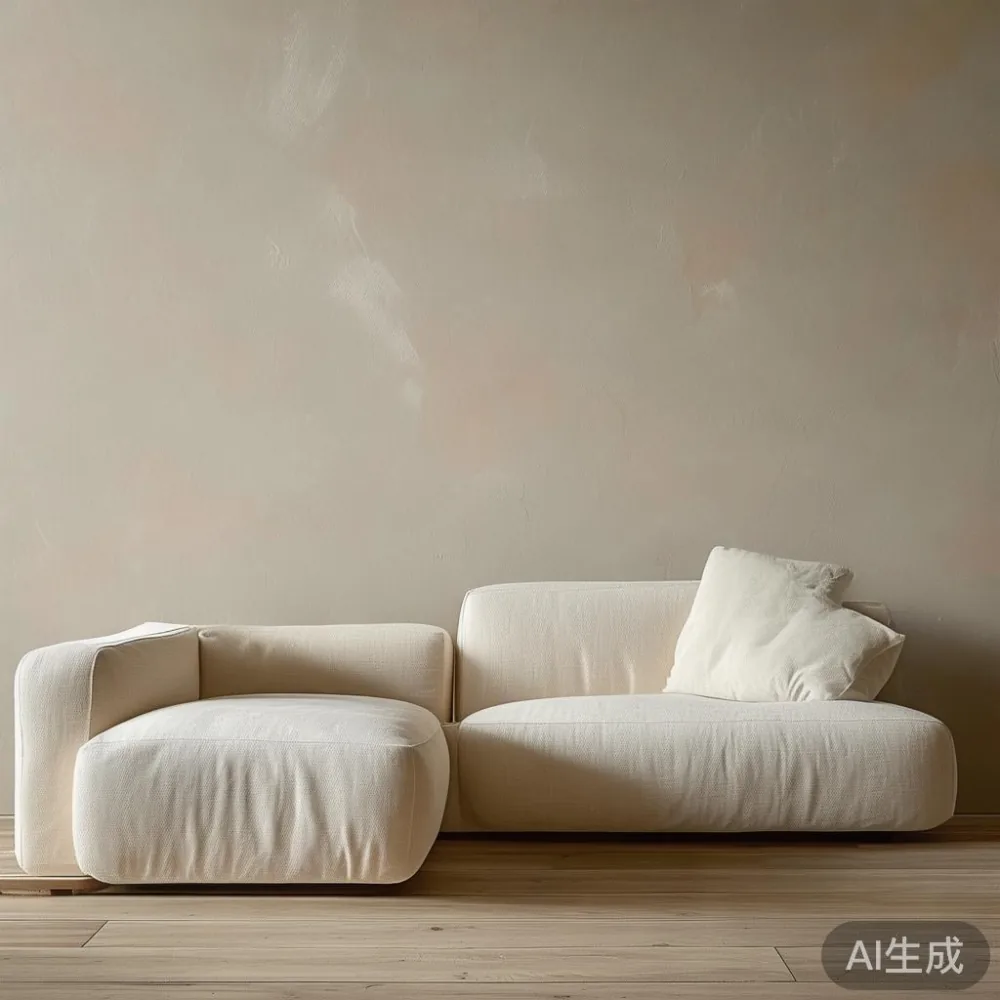
How does a chaise lounge actually fit into a Singapore apartment?
The first, and most fundamental, question is one of space. Singapore’s urban living environment, from the compact 4-room HDB flats in Tampines to the more spacious layouts in newer Punggol condominiums, demands precise planning. A chaise lounge is not a small piece of furniture. A standard model can measure 180 cm in length, 80 cm in width, and stand 75 cm tall. Its footprint is significant, and its shape is often an L-shape or a single, extended piece that requires clear, unobstructed pathways. Before you even click 'buy', you must measure your intended space. Consider not just the floor area it will occupy, but also the clearance around it. Will the chaise lounge block a walkway? Will it fit under a window? Will it leave enough room for a coffee table or a side lamp? For those in older HDB blocks with narrower corridors or smaller lift cars, this measurement becomes even more critical. A piece that seems manageable in a showroom can be a nightmare to manoeuvre through a 1.2-metre-wide corridor or into a lift that is just 110 cm deep. The weight of the piece is another factor. A solid wood chaise lounge can easily weigh between 40 kg and 60 kg. Moving this weight up a flight of stairs or through a tight turn is a two-person job, at minimum. The reality is that a beautiful chaise lounge is only a good investment if it physically fits your home.
What is the real cost and timeline of furniture delivery in Singapore?
When browsing online for a chaise lounge, the listed price is often just the starting point. The final cost to your door can be influenced by several factors. Many retailers offer free shipping, but this threshold is usually set at a specific amount. For example, a free shipping offer might apply to orders over SGD 600, but a smaller chaise lounge purchase could incur a delivery fee of SGD 50 to SGD 100. This fee covers the logistics of moving a large, bulky item from the warehouse to your address. The delivery process itself has a timeline. While express options might promise delivery within 3-5 working days, standard delivery often takes 7-14 days. This window accounts for the order being processed, packed, and then scheduled for a delivery slot. In Singapore, delivery companies typically operate from 9 am to 6 pm, and you may need to be present to receive the item or arrange for someone else to be there. The delivery personnel will bring the chaise lounge to your door, but they are generally not responsible for bringing it into your home or assembling it. Their job is to hand over the package, which is often in a large, flat cardboard box. For those living in apartments with security guards or in condominiums with a management office, you may also need to coordinate with them to allow the delivery vehicle access to the building. A last-minute call from the delivery driver asking for your unit number and access instructions is a common part of the process. Remember to factor in the 9% Goods and Services Tax (GST), which is applied to the final purchase price and any delivery charges, bringing the total cost slightly higher than the initial online quote.
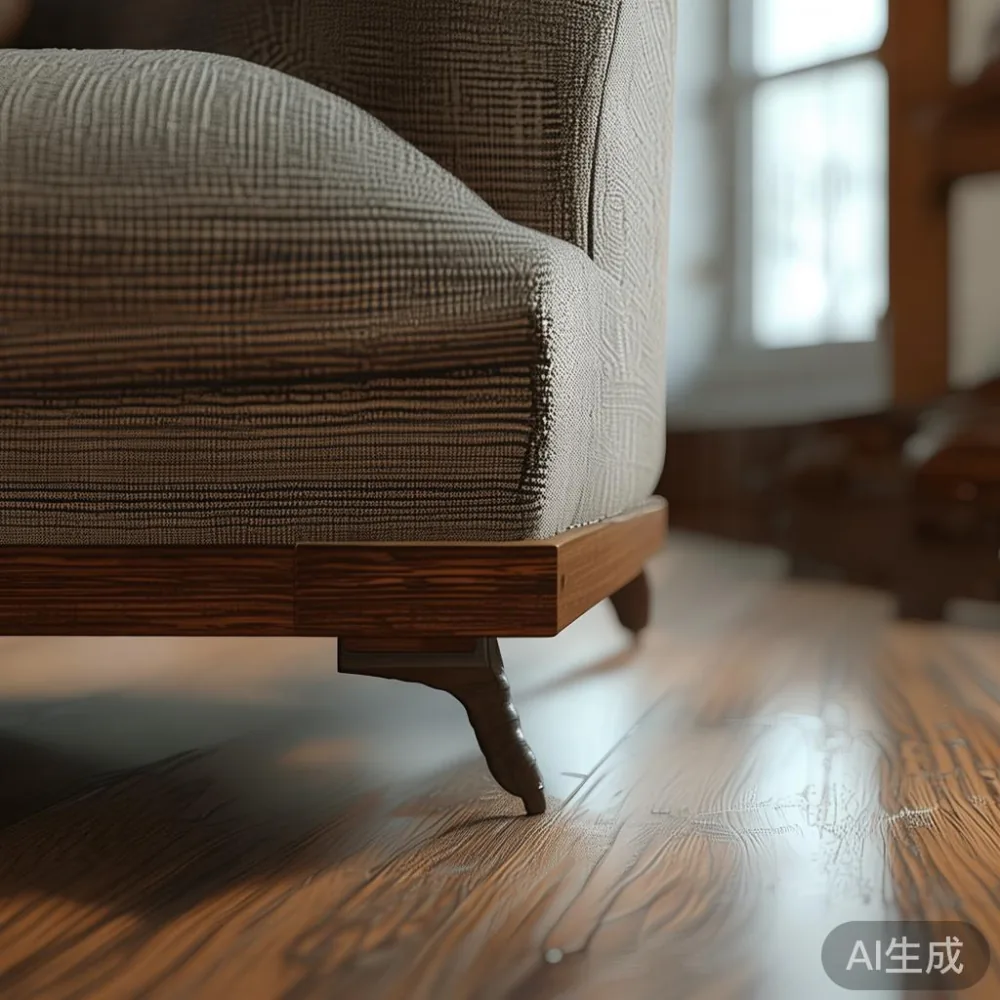
Is assembling a chaise lounge something I can realistically do myself?
This is perhaps the most daunting reality for many online furniture buyers. The image of a sleek, finished chaise lounge is a far cry from the reality of the flat-pack box it arrives in. Inside, you will find the main frame panels, legs, screws, allen keys, and an instruction manual. The assembly process can range from straightforward to moderately complex, depending on the design. A simple chaise lounge with a basic frame and four legs might take one person about 30 to 45 minutes to assemble. However, a more elaborate model with a reclining mechanism, storage compartments, or a complex wooden slat base can easily take two people 90 minutes or more. The tools required are usually provided, but having your own screwdriver and a rubber mallet can make the job much easier. The physical effort should not be underestimated. Lifting and aligning large, heavy wooden panels requires strength and care to avoid scratching the surfaces or misaligning the pre-drilled holes. A common mistake is tightening screws too early in the process; it is often better to loosely assemble the entire frame first, then go back and tighten everything down once it is all in place. For those who are not confident in their DIY skills or simply lack the time, paying for a professional assembly service is an option. This service can cost an additional SGD 80 to SGD 150, but it guarantees the piece is put together correctly and safely. The alternative is a friend or family member who is handy, but be prepared to return the favour with a home-cooked meal or two.
What happens if something goes wrong after delivery?
Even with the most careful planning and assembly, issues can arise. A chaise lounge is a substantial piece of furniture, and problems can range from minor cosmetic damage to significant structural defects. The first step is always to inspect the item thoroughly upon delivery. Check the box for any obvious signs of damage. Once unpacked, look for scratches on the wood, dents in the upholstery, or cracks in the frame. It is important to report any issues to the retailer immediately, preferably with clear photographs. Most reputable companies have a 14-day return or exchange policy for damaged goods. This window is tight, so it's important to act fast. Beyond damage, there can be issues with the product itself. A leg might be wobbly, a drawer might not slide smoothly, or the reclining mechanism on a chaise lounge might fail to lock. This is where the manufacturer's warranty becomes important. A warranty that covers only the finish for one year is less valuable than one that covers the structural frame for a decade. The peace of mind that comes with a long-term warranty cannot be overstated. It means that if a joint in the solid wood frame fails after three years of use, you are not left with an expensive, unusable piece of furniture. This long-term commitment to quality is a hallmark of serious furniture makers. It also speaks to the longevity of the piece. A well-made chaise lounge should be an investment that lasts for many years, not just a few seasons. This is why understanding the terms of the warranty, especially what is covered and for how long, is a critical part of the buying process.

How does choosing a chaise lounge compare to other furniture purchases?
While the focus here is on the chaise lounge, it's helpful to understand how its delivery and assembly realities compare to other common furniture items. A solid wood sofa, for instance, is often delivered as a single, assembled unit, which simplifies the assembly process but makes manoeuvring it through doorways a greater challenge. A dining table, especially a Mid-century modern dining table with its signature tapered legs, might arrive in fewer, larger pieces, requiring careful assembly to ensure the tabletop is perfectly level. A wardrobe or a bed frame presents their own unique challenges. A large wardrobe needs to be assembled inside the bedroom, as it would be impossible to get it through a standard door once built. This requires a significant amount of floor space for assembly. The question of how to choose Mid-century modern wardrobe is less about delivery and more about finding the right balance between style and practical storage capacity. Similarly, a bed frame involves not just assembling the frame itself but also ensuring it can support a mattress and that the height is suitable for your needs. The search for the best Mid-century modern bed for 2026 or the best Modern bed for 2026 is driven by aesthetics and comfort, but the assembly realities of a low-profile platform bed versus a high, ornate frame are very different. The debate of is European bed worth it often hinges on design and materials, but a European bed vs French provincial bed comparison must also consider the complexity of their assembly. A nightstand is a much simpler affair, often requiring minimal assembly, but it serves to highlight that every furniture purchase has its own set of logistical considerations. The chaise lounge, with its combination of size, shape, and potential mechanisms, sits in a unique middle ground—complex enough to require serious planning, but not as cumbersome as a full wardrobe or as delicate as a marble table.
What does a premium experience actually look like for online furniture shopping?
For consumers who value their time and peace of mind, the standard online furniture purchase can feel stressful. The ideal scenario involves a retailer who anticipates and mitigates these common pain points. This begins with transparency. Clear, accurate product dimensions and weight are non-negotiable. High-quality photos and videos from multiple angles help the customer visualise the piece in their space. A detailed description of the materials, such as 'solid oak' or 'premium fabric', sets clear expectations for quality. The delivery process should be smooth and communicative. Proactive updates, such as an email with the delivery driver's contact details and a one-hour time slot, eliminate the anxiety of waiting all day. Assembly support is another key differentiator. Beyond a paper instruction manual, some companies offer video tutorials or even a helpline staffed by someone who can talk you through a tricky step. This guidance can be the difference between a frustrating afternoon and a successful project. The aftercare is equally important. A 14-day return window is good, but a 10-year structural warranty is exceptional. It demonstrates a deep confidence in the product's durability. The offer of lifetime refinishing is a proof of the brand's belief in the longevity of their furniture. It means that a decade from now, if the wood on your chaise lounge starts to look tired, you can have it professionally refinished rather than replacing it. This commitment to the entire lifecycle of the product is what defines a truly premium experience. It transforms the purchase from a simple transaction into a long-term relationship. For a customer in Singapore, dealing with a company that understands local logistics—like working through a Tampines HDB block or a Punggol condo with specific access rules—adds another layer of reliability. The goal is for the customer to focus on enjoying their new chaise lounge, not on the stress of getting it there and putting it together. This level of service is what makes online furniture shopping a pleasure rather than a chore.
Where can I find reliable information about furniture before I buy?
In an age of online marketplaces and endless product listings, finding trustworthy information can be difficult. Official brand websites are a primary source, but they can be biased towards their own products. Independent review sites and forums, like those found on api.midhill.co, offer a more balanced perspective. These platforms allow real customers to share their experiences, both good and bad. You can read about the actual delivery times, the quality of the assembly instructions, and how the customer service team handled a problem. This peer-to-peer feedback is invaluable for setting realistic expectations. Social media platforms, particularly Instagram and Pinterest, are also powerful tools for visual research. Searching for a specific style, such as 'French light luxury chaise lounge', can yield thousands of photos from real homes, giving you a sense of scale and how the piece might look in different settings. It's also helpful to look for videos of the furniture in use. A short clip showing someone reclining on a chaise lounge or demonstrating its storage capacity can tell you more than a paragraph of text. When researching, it's useful to compare products side-by-side. Create a simple spreadsheet with the key details: dimensions, weight, materials, warranty length, delivery cost, and estimated assembly time. This structured approach helps cut through the marketing language and focus on the practical details that matter most for your situation. For example, if you are deciding between a post-modern light luxury chaise lounge and a more traditional design, comparing their assembly requirements can be a deciding factor. The information is out there, but it requires a bit of digging to assemble a complete and accurate picture before you commit to a purchase.