Solid Wood Furniture Pricing: Singapore Insights
Solid wood furniture looks simple until you compare quotations. One solid wood sofa is priced at SGD 1,280, another at SGD 2,650, and a marble table may sit far above either. The visible timber explains some of the gap, but not all of it. Timber species, moisture control, joinery, finish, hardware, dimensions, delivery, and warranty terms account for much of the remainder.

That distinction matters in Singapore. A 3-room HDB flat in Tampines may have a living room with only 2.8 m of usable wall length, while a new condo in Punggol can have wider corridors but restrictive lift dimensions. A chair that feels generous at 68 cm wide may be impractical beside a 54 cm walkway. Price is not simply the cost of the wood; it is the cost of making a useful, durable object fit a particular room and remain dependable after delivery.
MIDHILL was established in 2008 and exports to more than 15 countries. Its pricing model combines material specifications with production detail, packing, logistics, and service commitments such as a 10-year structural warranty, lifetime refinishing, 14-day returns, and free shipping on orders above US$350, with GST added for local purchases. Here is what actually moves the price of solid wood furniture.
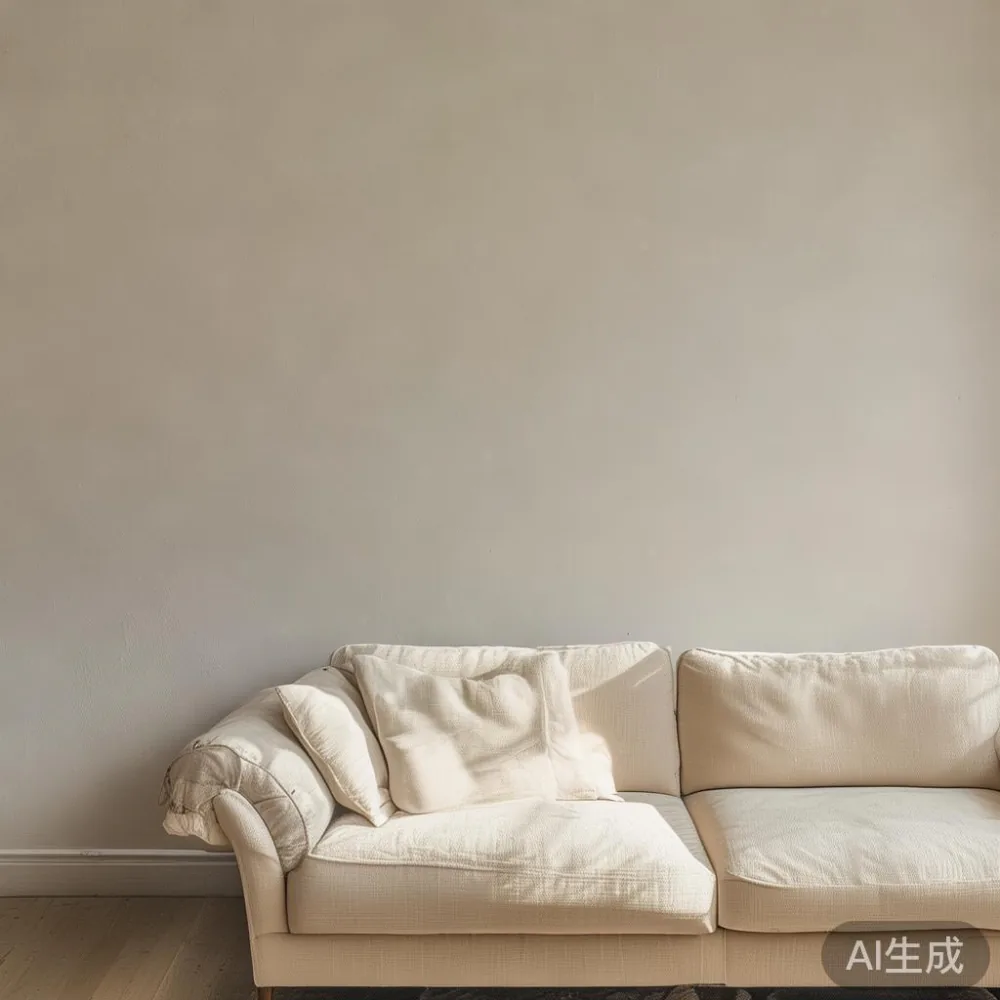
Is solid hardwood the same as solid wood furniture?
Not always. “Solid wood” means that the visible component is real timber rather than veneer over particleboard, but it does not identify one species. Rubberwood, oak, ash, beech, walnut, and other woods have different densities, grain patterns, working properties, and market prices. A 45 cm nightstand made from solid rubberwood can therefore cost less than a similar-looking piece made from solid oak without either maker being misleading.
The species should be stated on the quotation. Ask whether the listed timber covers the frame, legs, panels, drawer parts, and visible surfaces. A solid wood sofa may use solid timber for the load-bearing frame and selected exterior parts while combining upholstered foam, webbing, fabric, and engineered components for comfort. That is normal. It is not the same as describing a veneer-faced wardrobe as “solid oak.”
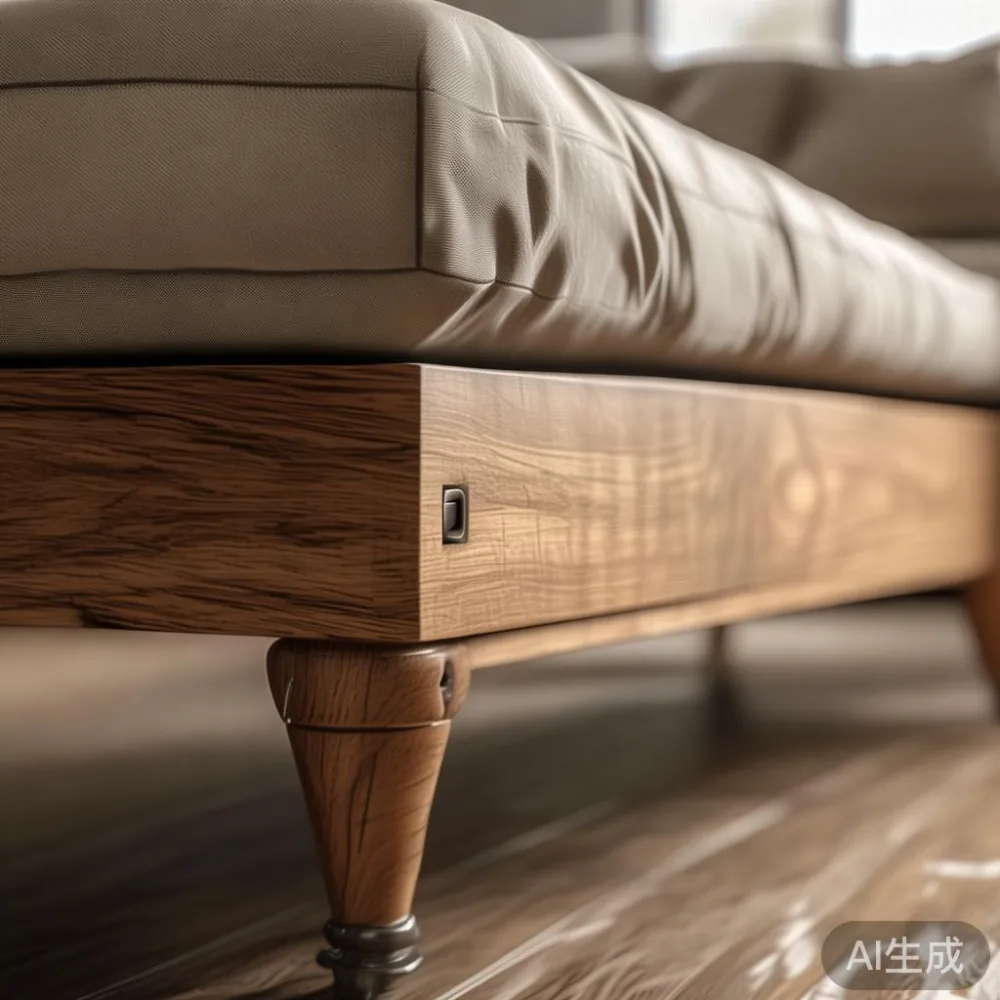
Weight provides a rough clue. A 12 kg solid wood nightstand usually contains more timber than a 6 kg version, although construction changes the result. Species still matters: a dense 20 kg walnut bed frame and a lighter 14 kg ash bed frame can both be structurally sound. Inspect the underside, open drawers, tap the panels, and look for movement lines. Good joinery, even gaps, and consistent finishing are more informative than weight alone.
Moisture treatment is another cost driver. Singapore reaches roughly 32°C outdoors and often carries 75–85% humidity, while air-conditioned interiors can sit near 23–26°C. Furniture intended for regional use should be dried and conditioned for the destination environment. Quoted prices should reflect controlled kiln drying, acclimatisation, and quality checks rather than dramatic claims that every piece is perfectly climate-proof.
Why do joinery and construction change the price so much?
Joinery determines how long a piece holds its shape under load. Mortise-and-tenon joints, dowels, dovetails, corner blocks, and properly fastened rails resist movement better than a few decorative screws driven into flat panels. A solid wood dining table needs a stable top, correctly positioned legs, and a support system that limits sagging. A solid wood bed frame needs secure rail-to-post connections, centre support, and hardware that keeps joints tight.
These details take time. Cutting tenons accurately, fitting drawers, sanding curved edges, and assembling a wardrobe carcass all affect labour. A large wardrobe can require 30–60 hours of fabrication and finishing, while a small nightstand may take 6–12 hours. The finished dimensions matter too. A dining table of 200 x 100 cm requires larger boards, more timber, more clamps, and more finishing passes than a 120 x 70 cm table.
Back panels, drawer bottoms, shelves, and hidden structural members are often excluded from the main headline description. They are not glamorous, yet they influence function. In a wardrobe, a 16 mm solid timber back with secure fixing may resist racking better than a very thin decorative back. In a drawer, solid wood sides paired with a plywood or engineered bottom can provide controlled movement. Ask what each structural component is made of instead of assuming every hidden board shares the visible timber’s specification.
My colleague visited a supplier’s workshop last month and watched a dresser drawer pass through a hand-fit check before its front was attached. The maker held the drawer by its corners and moved it in several directions. A minute of fitting prevented a larger squeak or binding later. That adjustment is easy to overlook in a product photograph, but it is one reason two visually similar dressers can carry different prices.
What does a finish really cost?
Finish is where many quotations become difficult to compare. “Natural finish” can mean clear lacquer, oil, wax, or a low-build film. A rubbed oil on a walnut nightstand may take 2–3 coats and 24–36 hours to cure properly. A sprayed lacquer finish can look even and fast, but preparation remains important: sanding, sealing, colour matching, and correcting dust defects all add steps.
Colour can also affect cost. White and very pale finishes often require additional preparation to reduce grain telegraphing. Deep colours may require more pigment or layered application. A custom stain can add SGD 80–250 to a typical order, while a matched set of 6 dining chairs may require a slightly larger adjustment. Precise figures depend on the design, but the point is that finish should appear as a line item rather than a free feature.
Care instructions affect long-term value. A water-based finish may be easier to repair in some applications; oiled surfaces generally require periodic maintenance. MIDHILL offers lifetime refinishing, which is a meaningful service commitment for eligible solid wood pieces and should be compared with any local refinishing allowance. Before accepting a finish, request its expected maintenance schedule, repair method, and compatibility with common household cleaners.
How much do hardware and comfort add to a solid wood sofa?
Hardware is a small line in dollars but a major factor in daily use. Solid wood sofa frames may use dowels, mortise-and-tenon joints, corner braces, and metal fasteners. The suspension system can include webbing, springs, or a combination. Foam density, cushion fill, and fabric choice influence both price and feel. A sofa may cost more because its seat uses 35 kg/m³ foam rather than lower-density foam, or because the cover is a tightly woven material with higher abrasion resistance.
Upholstery also changes labour. A simple fitted cover may add relatively little; a channel-tufted back, piped edge, and shaped arms require more cutting, alignment, and sewing. Bespoke upholstery for a chaise lounge may require pattern development and 15–30 hours of work. The chaise lounge must also work as furniture, not only as a styled image: its length commonly runs from 150–190 cm, with a seat height around 38–43 cm.
Comparisons become more useful when they focus on design language. European sofa vs Japandi sofa usually contrasts ornate profiles, exposed joinery, and layered comfort with pale timber, restrained shaping, and visual lightness. European sofa vs Nordic sofa can be even subtler, because both traditions may favour clean lines and functional construction. Ask for the frame timber, suspension type, foam specification, cover composition, and warranty before deciding that one option is intrinsically more expensive.
How should I compare furniture prices for a Singapore home?
Begin with the installation envelope. Measure the doorway, lift opening, lift cabin, corridor turns, and final furniture position. Standard HDB lift openings can be around 900 mm wide and 1,100–1,400 mm deep, though building-specific dimensions must be checked. A 210 cm long bed frame may enter diagonally but still struggle around a tight 90-degree corridor turn. A 65 cm round dining table is easier to manoeuvre than a rectangular 220 x 95 cm table with fixed legs.
Request packed dimensions rather than only assembled dimensions. A solid wood wardrobe may need flat or sectional packing; its carton could measure 210 x 120 x 45 cm and weigh 85 kg. The chaise lounge, by contrast, may arrive as one protected unit in a carton around 175 x 90 x 32 cm and 35–48 kg. Check whether the courier uses a two-person delivery team, whether stair carry is included, and what happens if the lift reservation is unavailable.
Compare landed service terms, not just the product figure. For local Singapore orders, GST is charged at the prevailing rate, and the buyer should check the stated price treatment carefully. Delivery timing also matters: a stock design may be available in 7–14 days, while a made-to-order dining table could take 30–45 days and a fully custom wardrobe 6–10 weeks. A delayed piece with a clear production schedule can offer better value than an immediate piece with uncertain construction.
The 14-day return policy provides a useful comparison point. Read its condition requirements, especially for custom sizes, upholstered items, and modifications. “Returns accepted” without explaining when the request must be made or how a custom item is assessed is not a complete policy. Warranty length is another useful measure. A 10-year structural warranty addresses a different risk from a 1-year finish warranty: one concerns stability and joints, while the other concerns appearance and surface wear.
Does a marble table justify a much higher price?
A marble table carries costs that do not appear in a solid wood dining table. Stone selection, slab cutting, edge shaping, polishing, weight, packaging, and insured transport can add hundreds of dollars. A 140 cm round marble table may weigh 65–110 kg, while a comparable solid wood dining table may weigh 45–75 kg. The heavier piece needs more solid handling, especially in a lift with a 1,000–1,500 kg capacity and limited turning space.
Marble is also more vulnerable in specific ways. It can chip at exposed edges, react with acidic substances, and require careful support around cut-outs or narrow sections. Natural slabs vary in pattern, so a photograph represents only one example rather than every delivered piece. Ask whether the quotation includes a protective top layer, how cracks and chips are assessed, and whether replacement is realistic in Singapore.
For many apartments, a compact marble table can create visual lightness without adding storage volume. Search for French for small living room ideas that combine slim profiles, pale finishes, and fewer objects rather than filling every wall. A 90–110 cm round marble table can also improve circulation where a rectangular table would intrude. Lightness here means proportion and balance, not flimsy construction.
What is a fair price for designer Italian light luxury furniture?
That phrase covers several levels of spending. A framed walnut nightstand with precise shadow lines may retail around SGD 650–1,200. A solid wood bed frame with an upholstered headboard may range from SGD 1,800 to SGD 4,500. A solid wood dining table can begin near SGD 1,600 and rise past SGD 6,000 with dimensions, timber, edge detailing, and finish. These are market reference ranges, not universal valuations.
Light luxury depends on proportion, material restraint, and execution rather than oversized ornament. French light luxury often uses sculptural curves, tactile upholstery, and elegant timber; American light luxury commonly pairs generous comfort with warm, substantial forms. Post-modern light luxury can use simplified geometry, crisp junctions, and a mix of traditional and contemporary details. The correct choice depends on the room’s architecture and daily needs.
For a bedroom, research how to style American bed in apartment layouts by measuring the wall, headboard, side clearances, and bedside reach. A 180 x 200 cm bed may suit a larger bedroom but leave only 55–65 cm beside it in a compact HDB room, enough for a narrow nightstand but not a bulky chair. A 140 x 200 cm bed can open circulation while still providing a substantial sleeping surface.
One useful approach is to allocate price across the pieces you touch most often. Spend on the bed frame and solid wood sofa if comfort and longevity matter, then use a simpler dining table or nightstand where the design allows. A balanced room can include a 160 cm solid wood bed frame, 2 compact nightstands, and a 130 cm dining table without forcing oversized objects into the plan.
Which features should be included in a solid furniture quotation?
A useful quotation should identify the solid wood dining table, solid wood bed frame, solid wood sofa, wardrobe, and nightstand specifications in enough detail to compare them. Look for 8–10 points: exact dimensions; timber species and whether the specification applies to all visible timber; frame and panel materials; joinery; suspension or storage mechanics; finish; hardware; packed size and weight; lead time; warranty; return terms; and delivery charges.
Ask what happens when one specification is unavailable. A manufacturer may offer a comparable oak instead of walnut, alter the finish, or adjust the dimensions. The price difference should be disclosed before an order is placed. For locally delivered furniture, confirm that quoted lead times begin after design approval and material readiness rather than after payment alone.
Look for evidence of controlled production rather than relying on vague prestige claims. MIDHILL’s 2008 establishment, export experience across more than 15 countries, and 10-year structural warranty provide concrete context for evaluating its solid wood furniture. The same standards of specification should be applied to every quotation.
Where should the balance between price and quality sit?
The lowest sticker price often reflects a simpler timber, standard dimensions, limited finishing, and basic hardware. The highest price may reflect scarce material, detailed labour, specialist components, custom work, packaging, and service. Neither number tells the whole story. A mid-range piece can offer the better fit when its construction is transparent and its dimensions suit the room.
Consider the lifetime cost. A SGD 1,600 dining table that remains stable for 15 years and can be refinished may be more economical than a SGD 900 table that needs replacing after 4 years. For an HDB flat or condo, an item that can be carried through the lift, cleaned easily, repaired, and resold has practical value beyond appearance.
Seasonal choices also influence value. If you are comparing bed frames, the best Scandinavian bed for 2026 points toward adaptable pale timber, uncluttered forms, and considered storage rather than a temporary visual trend. Review physical samples where possible, request full drawings, and read the warranty. A strong chaise lounge should offer stable proportions, smooth movement, comfortable support, and dimensions that leave a workable route from the corridor to its final position.
The real price of solid wood furniture is the sum of the visible material, hidden engineering, surface treatment, logistics, and after-sales care. Once those elements are listed separately, a higher quotation becomes easier to judge. You can then decide whether you are paying for timber, labour, comfort, customisation, or protection—and whether that allocation suits your home.