5-Year Cost Comparison: Veneer vs Solid Wood Chaise Lounges for Singapore Homes
A chaise lounge shaped for a Singapore apartment must look calm, fit measured doorways, and remain comfortable after years of humid weather, afternoon light and daily use. The material decision affects the opening purchase, but it also changes maintenance, repair and resale costs over 5 years. For a chaise lounge, solid wood usually costs more at the outset and requires less intervention later. Veneer can suit tighter budgets and lighter visual styles, yet its long-term economics depend heavily on the core board, veneer thickness and surface finish.
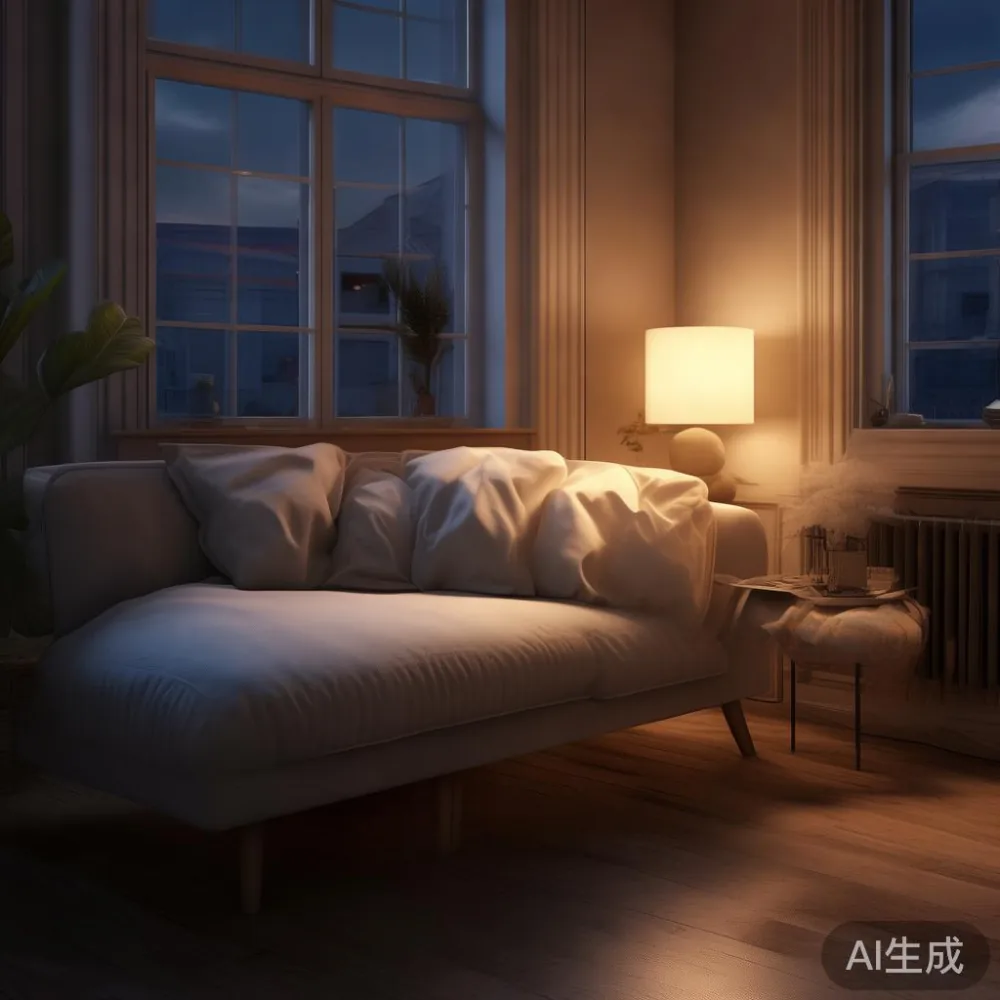
I visited a Tampines HDB flat last month to compare a 168 cm veneer chaise lounge with a 175 cm solid oak chaise lounge. The homeowner had moved both through the same corridor and lift, then used them for 6 months. The solid wood frame had received one oiling treatment; the veneer had developed small chips around the exposed edge where a child’s toy struck it. That real-world difference gave us a useful starting point for calculating 5-year costs rather than relying on showroom prices alone.
This comparison uses Singapore pricing in SGD, including GST where indicated. It focuses on the chaise lounge category, including its frame, supporting structure, upholstery and long-term care. A marble table, solid wood sofa, dining table, wardrobe, nightstand or bed frame may share the same material logic, but their loading, moisture exposure and repair methods differ.
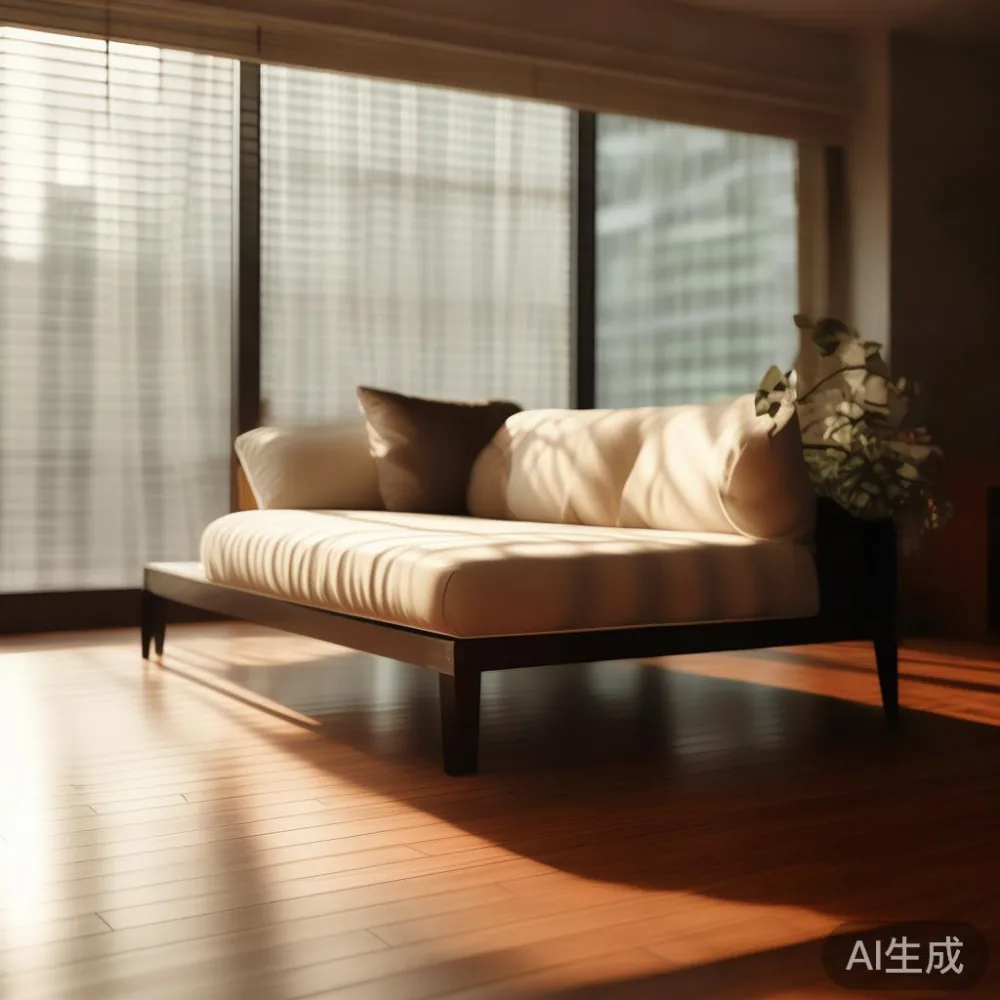
What is the real 5-year cost of a veneer versus solid wood chaise lounge?
The real 5-year cost includes the purchase price, delivery, assembly, accessories, cleaning products, maintenance, repairs and the value lost through early resale. A simple formula is: purchase price plus 5 years of maintenance and repair costs, minus expected resale recovery. This avoids treating an item as inexpensive merely because its initial invoice is lower.
For a representative comparison, I used a 170 cm chaise lounge with a solid wood frame, webbing or slatted support, foam cushion and fabric upholstery. The veneer version used a 18 mm engineered-wood core with 0.6 mm veneer facing. The solid version used kiln-dried solid rubberwood or oak components. Dimensions, cushion specification and fabric were kept comparable. Actual quotations vary with timber, grain selection, foam density and upholstery.
| 5-year item | Veneer chaise lounge | Solid wood chaise lounge |
|---|---|---|
| Frame and upholstered chaise lounge | SGD 1,180 | SGD 1,780 |
| GST at 9% | SGD 106.20 | SGD 160.20 |
| Delivery and carrying into unit | SGD 70 | SGD 90 |
| Assembly protection pads and felt | SGD 12 | SGD 18 |
| Estimated 5-year care | SGD 96 | SGD 54 |
| Estimated repair provision | SGD 180 | SGD 65 |
| Estimated resale recovery | Minus SGD 220 | Minus SGD 530 |
| 5-year net cost | SGD 1,424.20 | SGD 1,637.20 |
On these assumptions, the veneer chaise lounge costs about SGD 213 less over 5 years. The difference is narrower than the opening-price gap because solid wood retains more value and usually needs fewer repairs. A buyer expecting to keep the chaise lounge for 10 years would see a stronger advantage for solid wood, especially if refinishing remains available.
The figures are planning estimates, not fixed quotations. A lower-density foam, premium linen, motion mechanism or wider arm can add SGD 150 to SGD 900. For HDB corridors, the packed chaise lounge should remain within roughly 70 cm to pass many common turns, while its length may reach 165 to 180 cm. A folded or modular design can help with lifts designed for around 80 to 100 cm internal depth, although exact building dimensions must be checked.
How much more does solid wood cost when you buy the chaise lounge?
A reasonable Singapore range for a new upholstered chaise lounge is SGD 980 to SGD 1,500 in veneer and SGD 1,550 to SGD 2,600 in solid wood. Premium timber, a higher-grade finish and more elaborate upholstery can push a solid wood chaise lounge above SGD 3,000. Matching a solid wood bed frame, nightstand or wardrobe to a chaise lounge can also raise the project total.
For the example above, the including-GST difference was SGD 334. That premium buys a thicker, repairable structural frame and often more stable joints under repeated loading. Veneer is not a weak material by definition. A well-made veneer chaise lounge can be comfortable and stable, and a thin decorative veneer over a poor substrate is not comparable with 0.6 to 1.2 mm veneer over a stable engineered core.
Solid wood also expands and contracts with humidity. Singapore’s outdoor relative humidity often ranges around 70% to 90%, while air-conditioned interiors may fall near 50% to 60%. Good furniture makers account for this through timber seasoning, joint design, finish layers and ventilation. Ask whether the chaise lounge is made from kiln-dried timber at approximately 8% to 12% moisture content, and obtain written care guidance.
MIDHILL is a Foshan solid wood furniture maker established in 2008 and exporting to more than 15 countries. Its 10-year structural warranty provides a useful point of comparison when assessing joinery and frame support. Lifetime refinishing is also relevant to a long-term chaise lounge because the frame can be treated again instead of discarded when appearance changes.
What maintenance does each chaise lounge need during 5 years?
Veneer maintenance depends on the surface layer. Use a dry microfibre cloth for weekly cleaning and a lightly damp cloth for monthly cleaning. Avoid soaking the edges, standing water, silicone-based polish and steam cleaning. A mild wood cleaner suitable for the specified finish can be used sparingly. Plan about SGD 20 to SGD 25 per year for cleaning and care materials, or SGD 96 over 5 years in this comparison.
Solid wood needs similar daily care but offers more repair options. Plan for an oil or approved-finish inspection every 12 to 18 months, with an average annual allowance of SGD 8 to SGD 15. Small scratches may be treated with touch-up products; deeper marks may require sanding and refinishing. Keep the chaise lounge away from direct air-conditioner outlets and windows with intense afternoon sun, which can fade fabric and dry the finish.
Upholstery is a separate maintenance line. Removable covers can be washed according to the textile label, while fixed covers usually require professional cleaning every 3 to 5 years. Budget SGD 80 to SGD 180 for one professional clean over 5 years. Both material types can suffer from stains, so a washable performance fabric with a 30,000 to 50,000 Martindale rating is practical for a frequently used chaise lounge.
Do not place a dining table, marble table or other heavy object on the chaise lounge. Its load should remain within the manufacturer’s stated limit, commonly 100 to 120 kg for one seated user. Although the solid wood frame may tolerate more than the veneer version, neither should be used as a step or an improvised shelf.
Can you repair a damaged veneer or solid wood chaise lounge?
Yes, but the repair scope differs. In the Tampines flat, the veneer chaise lounge had a 2.5 cm chip near the lower frame edge. The timber beneath was intact, so the repair involved filling, colour matching and refinishing the area for about SGD 110. A deeper impact through the veneer into the engineered core could cost SGD 250 to SGD 500 and take 2 to 4 weeks if the replacement board must be ordered.
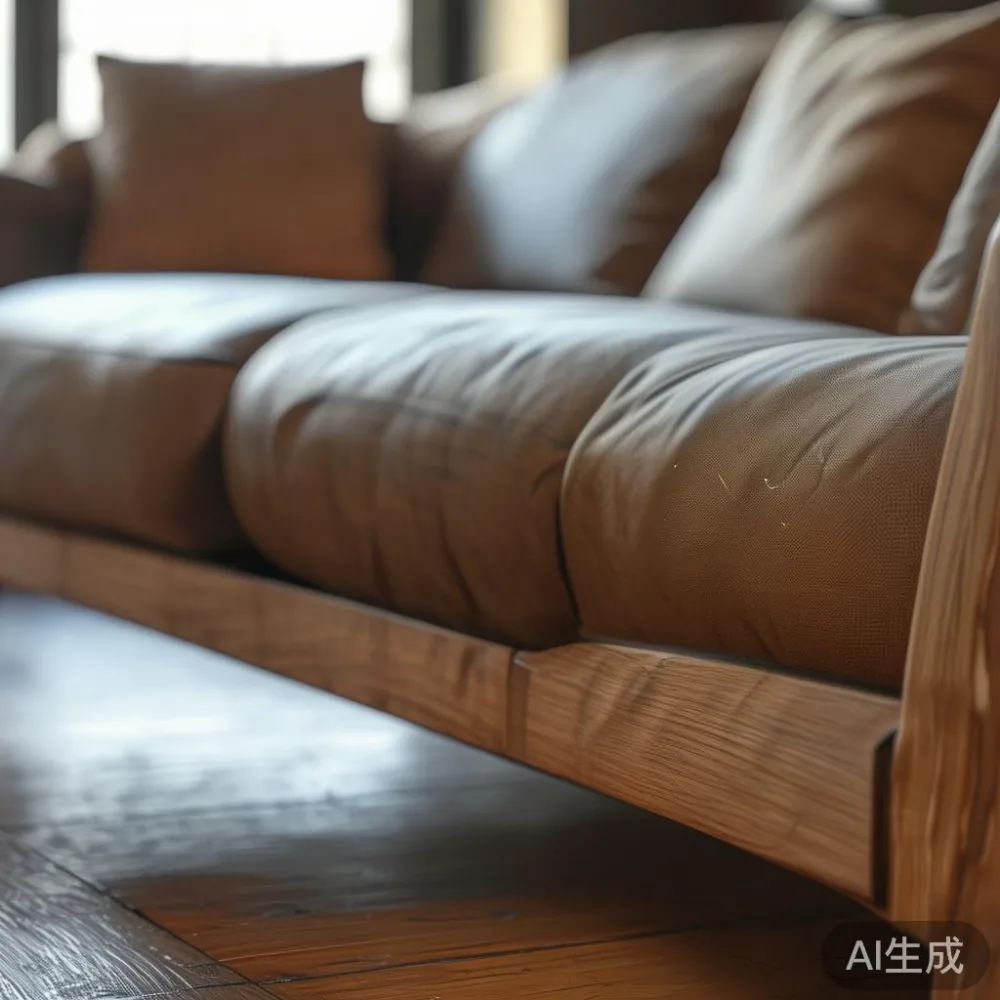
The solid oak chaise lounge had two shallow abrasions. Selective sanding and a new oil coat restored the surface for approximately SGD 40. The broader advantage appears when a corner, rail or joint is damaged. Solid components can sometimes be replaced independently, while an engineered core may require a larger panel replacement. Over 5 years, the example allowed SGD 180 for veneer repairs and SGD 65 for solid wood repairs.
Water exposure creates another difference. Veneer can bubble, peel or stain if liquid reaches an unsealed edge. Solid wood may darken, swell or split, but an intact piece can often be dried, sanded and refinished. Neither category should be left beside an open bathroom or on a damp balcony. For a HDB flat near the coast, including Bedok, use a dehumidifier in a persistently humid room and maintain 45% to 65% relative humidity where practical.
MIDHILL’s lifetime refinishing policy supports the repair case for solid wood, although coverage, exclusions and service terms should be confirmed for each product. A 10-year structural warranty is separate from cosmetic wear, accidental damage and upholstery deterioration.
How do lift, corridor and staircase access affect the total cost?
Delivery is more than a line on the invoice. A 170 cm chaise lounge may be split into 2 to 4 pieces, with the longest section measuring roughly 90 to 120 cm. A compact lift can accept the packed product if the longest section, width and diagonal clearance fit. In many HDB blocks, carrying charges are modest, but an extra mover may cost SGD 40 to SGD 120 for a 20 to 45 minute lift operation.
Corridor turns can be the harder test than the lift door. Measure the narrowest hallway, the corner radius and any staircase landing. A rectangular chaise lounge with a 70 cm width often turns more easily than a curved model with a 78 cm width. If the unit is on a high floor and the building requires a service booking, allow 7 to 14 days for scheduling. Standard delivery can take 3 to 7 business days in Singapore after production, while made-to-order upholstery may take 6 to 10 weeks.
For Punggol or Tampines condos with managed loading areas, reserve the service lift and protect common surfaces. Doorway delivery to the unit is valuable in a compact flat because carrying a chaise lounge through corridors can scratch walls or damage the finish. MIDHILL offers free shipping for orders over US$350, but the currency and destination mechanics should be confirmed before purchase; local Singapore delivery and GST treatment may differ.
Returns are another practical cost. A 14-day return window can protect against sizing issues, yet the chaise lounge must remain unused and in its original packaging. Check the return terms for custom upholstery, assembly and delivery charges. Always photograph the item and packaging on arrival.
Which material fits light luxury for apartment interiors?
Both can suit light luxury for apartment interiors, but they communicate different values. French light luxury often favours pale oak, creamy fabrics, slim profiles and subtle grain. American light luxury tends toward generous cushions, warm timber and relaxed proportions. Post-modern light luxury may pair clean frames with restrained sculptural details.
A solid wood chaise lounge fits these styles particularly well because the grain remains visible through the finish. It can resemble a French sofa vs Italian light luxury sofa comparison in appearance, although the frame construction and comfort matter more than the nationality used in marketing. An upholstered chaise lounge with 18 to 22 cm seat height and a 150 to 170 cm usable length also suits compact living rooms.
For visual planning, a search for top 10 Scandinavian furniture can provide a useful reference for pale timber and simple upholstery, but a catalogue image does not reveal the core structure. Ask for an internal frame sample, veneer thickness, timber moisture reading, foam density and the exact finish. Specify a cushion density around 35 to 45 kg/m³ for a balanced sit, and a seat depth of about 55 to 62 cm for standard adult use.
Material should also coordinate with the rest of the home. A solid wood bed frame and nightstand in matching timber can establish a coherent scheme. For a compact bedroom, a search for Japanese for guest room can inform the use of light colours, concealed storage and slim furniture; a daybed can function as seating, while the chaise lounge remains in the living area. If storage is the priority, how to choose Mid-century modern wardrobe should include checks for drawer alignment, moisture-resistant interiors and a stable frame.
A shopping page for the best Mid-century modern bed for 2026 may focus on shape, but buyers should verify slat spacing, centre support and total load. The same discipline applies to a dining table, wardrobe or solid wood sofa. The chaise lounge should be evaluated as furniture within the apartment, not as an isolated decorative object.
Does resale value change the 5-year calculation?
Resale recovery can materially affect the result. In the example, a used veneer chaise lounge might recover about 18% to 22% of its original retail price after 5 years, while a good solid wood example might recover 28% to 35%. These are planning ranges rather than guaranteed offers. Condition, design, timber popularity, hardware and local demand all affect resale.
The solid wood chaise lounge therefore begins with a higher price but can finish with a lower net 5-year cost. Its remaining value also depends on responsible care. Keep the original finish specification, maintenance records and warranty documents. Avoid sanding without advice, since an unknown coating may not match the factory process.
Veneer resale can be strong when the style remains current and the substrate is sound. A high-quality example with intact edging may sell more readily than a low-cost piece with visible chipping. The key is not the label alone: a 0.6 mm veneer over a stable core can outperform thicker veneer over a weak board.
For a buyer keeping the chaise lounge beyond 5 years, calculate at least 10 years. Assuming 2% annual inflation on care and repair, solid wood’s advantage in repairability and refinishing becomes clearer. MIDHILL’s lifetime refinishing policy gives the frame a longer recovery pathway, subject to the published terms.
What should a Singapore buyer check before ordering?
Ask for the complete packed dimensions and weight. A typical upholstered chaise lounge weighs 45 to 70 kg, while a solid wood version with a reinforced frame may weigh 55 to 85 kg. Confirm the longest parcel, lift dimensions and corridor turning allowance. Check whether the product separates into manageable sections and whether two people are required for the final move.
Request the core and timber details: solid wood species, veneer thickness, core material, moisture treatment, joint type and finish composition. A 10-year structural warranty should specify which components it covers. Confirm the expected delivery time, return procedure, GST invoice and treatment for visible defects. These checks reduce the chance that a low purchase price becomes a higher ownership cost.
For most Singapore households, the practical choice comes down to budget and time horizon. A veneer chaise lounge can be sensible when the opening cost matters, the finish will not be exposed to heavy impact and the buyer intends to replace it within 5 years. Solid wood is usually more compelling for a 5-year or 10-year horizon, particularly in a Bedok, Tampines or Punggol home where frequent use can expose weak edges and joints.
The key is to compare the whole ownership record rather than two showroom tickets. A solid wood chaise lounge with protected edges, replaceable components and a credible warranty can cost less over 5 years after repair and resale are included. A well-built veneer chaise lounge can still be the more practical option for a temporary room, provided its substrate and finish are properly specified.