Chaise Lounge: Preserving the Sheen: A Guide to Caring for Lacquered Surfaces
The gleaming, mirror-like finish of a high-quality lacquered surface can transform a living space, offering a sophisticated and timeless aesthetic. For residents of Singapore, from the high-rise apartments in Tampines to the landed homes in Punggol, this finish is a popular choice for its durability and visual appeal. However, the island's relentless tropical climate—characterised by high humidity, intense UV radiation, and fluctuating temperatures—poses a unique set of challenges for maintaining this delicate beauty. A chaise lounge with a flawless lacquered finish, for instance, can quickly lose its lustre if not cared for correctly. This guide provides a comprehensive, practical approach to preserving the integrity and shine of your lacquered furniture, ensuring it remains a centrepiece in your home for years to come.
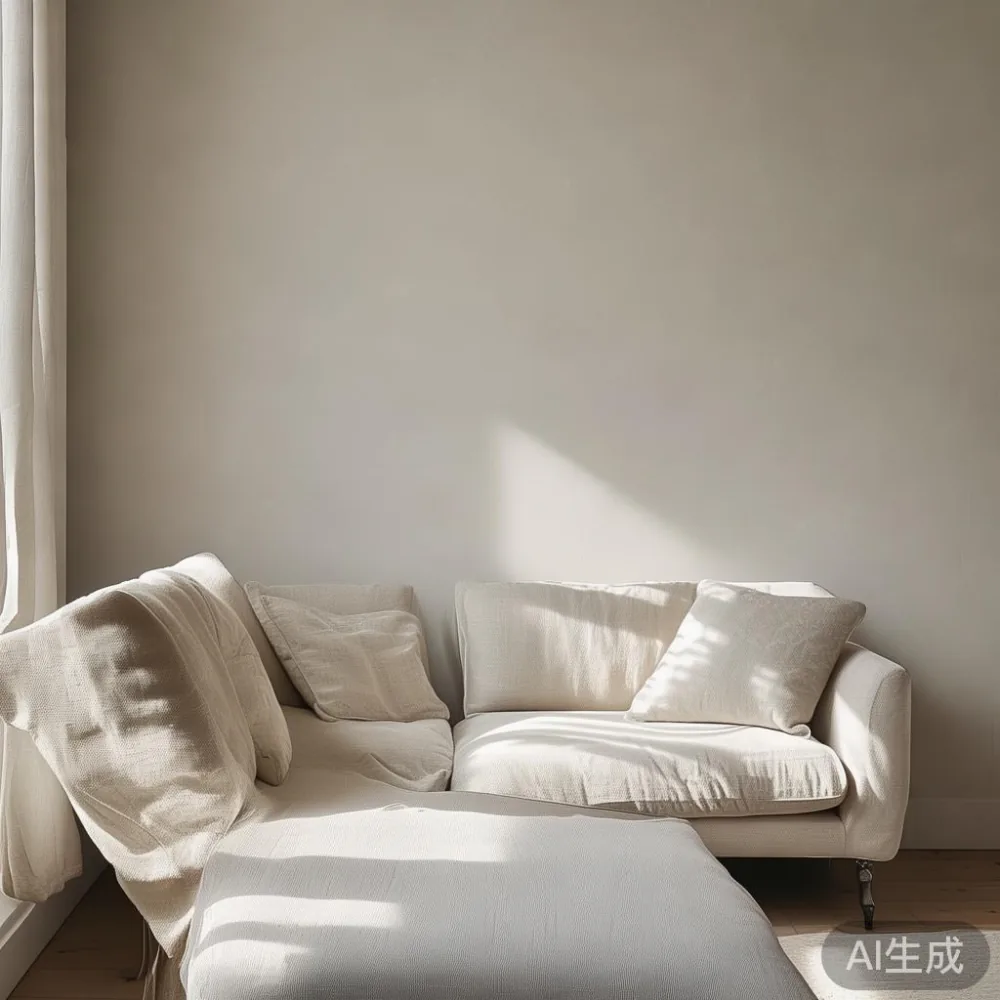
Understanding Your Lacquered Finish
Before diving into care routines, it's important to understand what you're working with. Lacquer is a durable, high-gloss finish created by applying multiple thin layers of a clear, hard resin to the wood surface. This process, often done by hand for premium pieces, results in a deep, reflective sheen that is highly resistant to scratches and stains. The finish is not merely a surface coating; it becomes an integral part of the piece, protecting the solid wood beneath. However, this very durability can be misleading. While a lacquered surface is tough, it is not invincible. The natural materials involved—wood and resin—are sensitive to their environment. In Singapore, where the average relative humidity hovers around 80% and temperatures can reach 32°C, the wood can expand and contract, while the lacquer itself can become brittle or discoloured under prolonged sun exposure. Understanding these vulnerabilities is the first step towards effective care.
The Singapore Climate Challenge: Heat, Humidity, and Your Furniture
Singapore's climate is a relentless test for any piece of furniture, but especially for those with fine finishes. The high humidity levels mean your furniture is constantly exposed to moisture in the air. For a solid wood bed frame or a dining table, this can lead to warping or cracking if the wood absorbs too much moisture. For a lacquered surface, the primary risk is not the wood itself, but the finish's reaction to moisture. Condensation can form on the surface, potentially leading to water spots or, in severe cases, causing the lacquer to peel. The heat and UV radiation are equally problematic. Sunlight streaming through windows can fade the rich, deep colours of the lacquer over time, turning a once-vibrant piece into a dull shadow of its former self. The heat can also soften the lacquer slightly, making it more susceptible to scratches from dust or cleaning cloths. This is why placing a chaise lounge directly opposite a large, uncurtained window in a Bedok condo is a recipe for premature ageing. The solution isn't to avoid these beautiful pieces, but to understand the environmental factors and adapt your care routine accordingly.
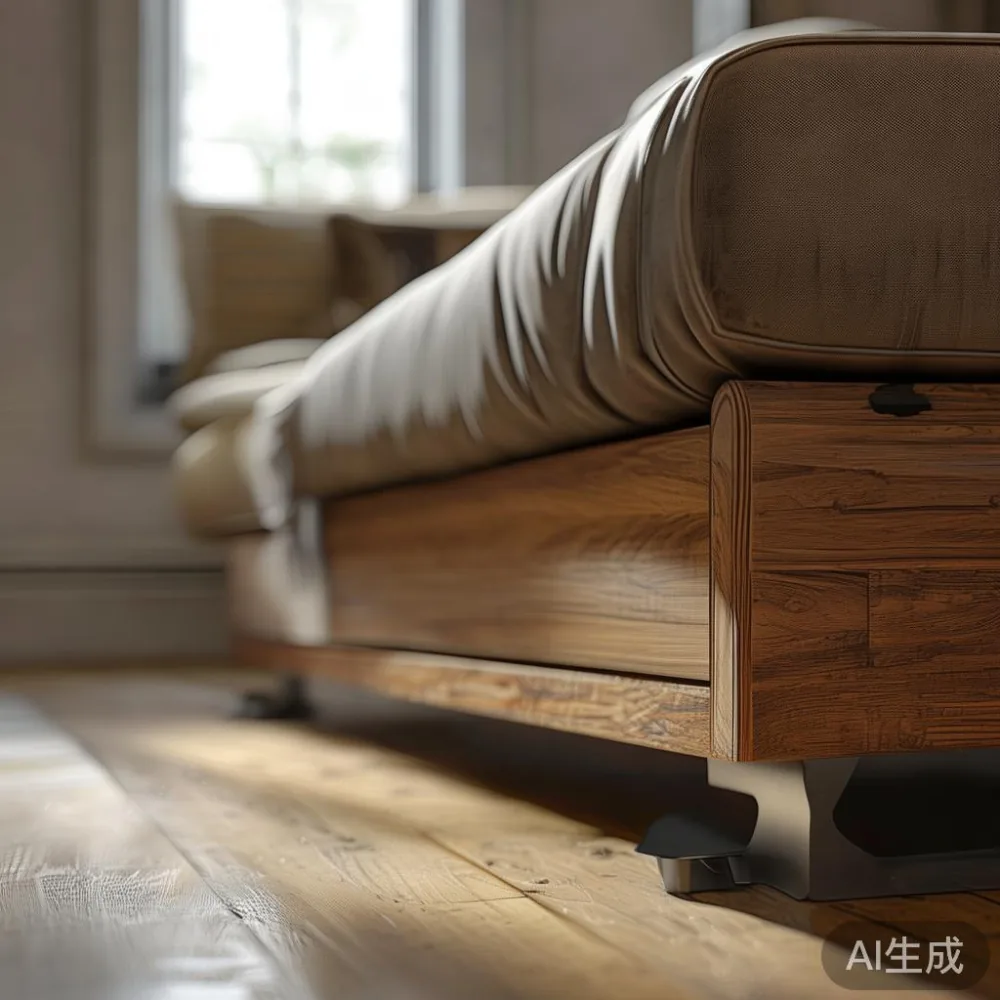
How Often Should You Clean Your Lacquered Furniture?
Establishing a regular cleaning schedule is the cornerstone of maintaining a lacquered surface. The frequency depends on your home's environment and the specific piece. For a frequently used item like a chaise lounge or a solid wood sofa, a light dusting every 2-3 days is recommended. This prevents a buildup of fine dust particles, which can act like fine sandpaper and create micro-scratches on the glossy surface. For a nightstand or a wardrobe that sees less action, a weekly dusting is usually sufficient. A more thorough cleaning should be performed every 2-4 weeks. This involves using a slightly damp, soft cloth to wipe down the surface. The key is to use a cloth that is damp, not wet. A soaking wet cloth can leave behind moisture that seeps into the wood seams. Microfiber cloths are ideal for this task as they are highly absorbent and gentle on the finish. For homes in areas with higher dust levels, like those near construction sites in Tampines, more frequent cleaning may be necessary to prevent abrasive dust from settling.
What is the Correct Way to Dust and Polish a Lacquered Surface?
The technique you use for dusting and polishing is just as important as the frequency. Incorrect methods can do more harm than good. For dusting, always use a clean, soft, lint-free cloth. A microfiber cloth is perfect. Start at the top of the piece and work your way down, using a gentle, circular motion. Never press too hard; the weight of the cloth itself should be enough to lift the dust away. Avoid using feather dusters, as their quills can scratch the surface. For polishing, you can use a specialised furniture polish designed for lacquered or high-gloss finishes. Apply a small amount, about the size of a 20-cent coin, to a soft cloth and rub it gently onto the surface in a circular motion. Buff the area with a clean, dry microfiber cloth until the shine is restored. Avoid using silicone-based polishes, as they can build up over time, creating a cloudy film that dulls the finish. For a truly pristine finish, consider using a dedicated microfiber polishing cloth, which is designed to create a static charge that lifts dust and buffs the surface to a brilliant shine without the need for chemical polish.
Can I Use Vinegar or Other Household Cleaners on My Lacquered Chaise Lounge?
Under no circumstances should you use vinegar, ammonia-based cleaners, or any other common household cleaning product on a lacquered surface. These substances are highly alkaline and will strip away the protective lacquer finish, leaving the wood underneath exposed and damaged. A single application of a harsh cleaner can permanently ruin the appearance of a piece that cost several thousand SGD. The same rule applies to all-purpose sprays or even soap and water, which can leave a sticky residue and dull the sheen. The only safe cleaning agents for a regular maintenance routine are a soft, damp cloth for light cleaning and a specialised, pH-neutral furniture polish for periodic polishing. If you encounter a stubborn spot, it is always better to err on the side of caution. Dampen a corner of your soft cloth with a tiny amount of distilled water and gently rub the spot. If that doesn't work, it's time to consult a professional furniture refinisher rather than risk damaging your investment. When I tested a popular DIY cleaning hack on an old nightstand, the result was a permanent hazy patch that required professional repair, costing over SGD 150 to fix—a lesson learned the hard way.
Protecting Your Furniture from Sun Damage in Singapore Apartments
Sunlight is one of the most significant threats to a lacquered finish in Singapore. UV rays break down the polymers in the lacquer over time, causing it to become brittle, yellow, or fade. This is a particular concern for HDB flats and condos with large, unobstructed windows. The first line of defence is strategic placement. Avoid positioning your prized chaise lounge, marble table, or any other light-coloured furniture in direct, prolonged sunlight. If you have a west-facing balcony in Punggol, for example, the intense afternoon sun will be especially damaging. The second line of defence is window treatments. High-quality, UV-blocking curtains or blinds can significantly reduce the amount of harmful UV rays entering your home. Even a simple, sheer curtain can help diffuse the light. For added protection, consider applying a UV-protective film to your windows. These films can block up to 99% of UV rays while still allowing visible light to pass through, helping to preserve the colour and integrity of your furniture without making your home feel dark. This simple step can extend the life of your lacquered finish by many years.
Dealing with Humidity: Preventing Warping and Cracking
While high humidity is less of a direct threat to the lacquer itself than to the wood, it can indirectly cause problems. The constant expansion and contraction of the wood substrate can stress the lacquer layer, potentially leading to hairline cracks over time. To mitigate this, it's important to maintain a stable environment in your home. Using a dehumidifier, especially during the monsoon season when humidity levels can spike to 90% or more, can help. Running a dehumidifier in the room where your furniture is located for a few hours each day can make a significant difference. Aim to keep the indoor relative humidity between 45% and 60%. For smaller pieces like a nightstand, you can also place small silica gel desiccant packs inside the drawers to absorb excess moisture. Ensure your home is well-ventilated. On days with lower humidity, open the windows to allow air to circulate. This helps to prevent the stale, moist air from settling around your furniture and causing problems. Proper ventilation is a simple, cost-free way to protect your investment.
How to Handle Spills and Stains Immediately
Accidents happen, especially in a home with children or during social gatherings. The key to preventing a permanent stain on a lacquered surface is to act immediately. When a spill occurs, grab a clean, soft, absorbent cloth or paper towel. Do not rub the spill, as this can spread it and push it into the wood grain. Instead, blot the area gently, starting from the outside of the spill and working your way in. This will absorb the liquid without abrading the surface. For water spills, blotting is usually sufficient. For sticky substances like wine, juice, or food, you may need to follow up with a slightly damp cloth. Dampen a corner of your microfiber cloth with distilled water and blot the area again. Dry the spot immediately with a clean, dry microfiber cloth. For oil-based stains, like those from food or cosmetics, the process is a bit more involved. You can try sprinkling a small amount of cornstarch or talcum powder on the stain to draw out the oil. Let it sit for 15-20 minutes, then brush it away gently with a soft brush before wiping the area with a damp cloth. Remember, the faster you address a spill, the less likely it is to cause permanent damage.
When to Seek Professional Help for Your Lacquered Furniture
While regular maintenance can prevent most issues, there comes a time when professional help is necessary. If your lacquered surface has deep scratches, significant water marks, or a cloudy, hazy appearance that polishing cannot remove, it's time to call in a professional furniture refinisher. Attempting to repair these issues yourself with DIY kits is almost always a mistake and can result in further damage. A professional refinisher has the expertise, tools, and high-quality materials to strip the old finish and reapply a new, flawless layer of lacquer. This process can restore a piece to its original condition, in effect giving it a new life. For a valuable item like an Italian light luxury with storage wardrobe or a solid wood sofa, this investment is worthwhile. The cost of professional refinishing varies depending on the size and complexity of the piece, but for a standard dining table, you can expect to pay between SGD 800 and SGD 1,500. It's also worth noting that some manufacturers, like those offering a 10-year structural warranty, may have recommended partners for such services, so it's always worth checking your warranty terms first.
Choosing the Right Lacquered Furniture for Singapore's Climate
If you're in the market for new furniture, considering the climate is a smart move. When selecting a chaise lounge or any other piece with a lacquered finish, look for high-quality construction. A thick, multi-layered lacquer finish will offer better protection than a thin, single-layer one. Solid wood construction is also preferable to veneers, as solid wood is more stable and less prone to warping in humid conditions. Consider the colour of the finish. Darker colours, like deep espresso or black, tend to show dust and scratches more readily than lighter colours, but they are also better at hiding minor imperfections. If you opt for a lighter colour, be prepared for more frequent maintenance. When shopping, don't just be drawn to aesthetics. Ask the retailer about the specific type of lacquer used and its resistance to UV light and humidity. Investing in a well-made piece from a reputable brand like MIDHILL furniture, which understands the demands of the export market, can save you significant time and money on repairs down the line. A top 10 European furniture brand might offer beautiful designs, but a brand that specifically engineers its products for tropical climates will offer better long-term value.
European Light Luxury vs. Mid-Century Modern: Which is Better for Singapore?
The choice between different furniture styles often comes down to personal preference, but the climate can be a deciding factor. European light luxury furniture, with its emphasis on clean lines, premium materials, and understated elegance, is a popular choice in Singaporean homes. A European sofa vs Mid-century modern sofa, for example, might offer a more tailored, formal look. The key consideration with European light luxury is the material. Many pieces feature marble tabletops or polished metal accents alongside the wood. While beautiful, these materials can also be sensitive to heat and humidity. A marble table, for instance, can feel uncomfortably cool in an air-conditioned room and can be prone to etching from acidic spills. An American bed vs Mid-century modern bed might offer a different set of considerations, often focusing on more substantial, earthy forms. European light luxury bed vs Modern bed choices often come down to the finish; a high-gloss lacquer finish on a European piece will require the same careful maintenance as any other. Ultimately, the best Modern light luxury furniture for Singapore is one that you love aesthetically but are also prepared to care for according to the guidelines in this article. The beauty of a piece should be matched by its practicality in your specific environment.