Preserving the Polish: A Guide to Lacquered Chaise Lounge Care in Singapore
For residents of Singapore's HDB flats in Tampines or condos in Punggol, a chaise lounge is more than just a piece of furniture. It's a personal sanctuary, a spot to unwind after a long day, and a statement of style in a home where space is often measured in square metres. When that chaise lounge features a beautiful, high-gloss lacquered finish, it adds a touch of French light luxury, reminiscent of a Parisian apartment. However, Singapore's tropical climate, with its average relative humidity of 80% and temperatures hovering around 30°C, presents a unique set of challenges for maintaining that pristine, mirror-like surface. The constant moisture and heat can wreak havoc on lacquer if not properly cared for.
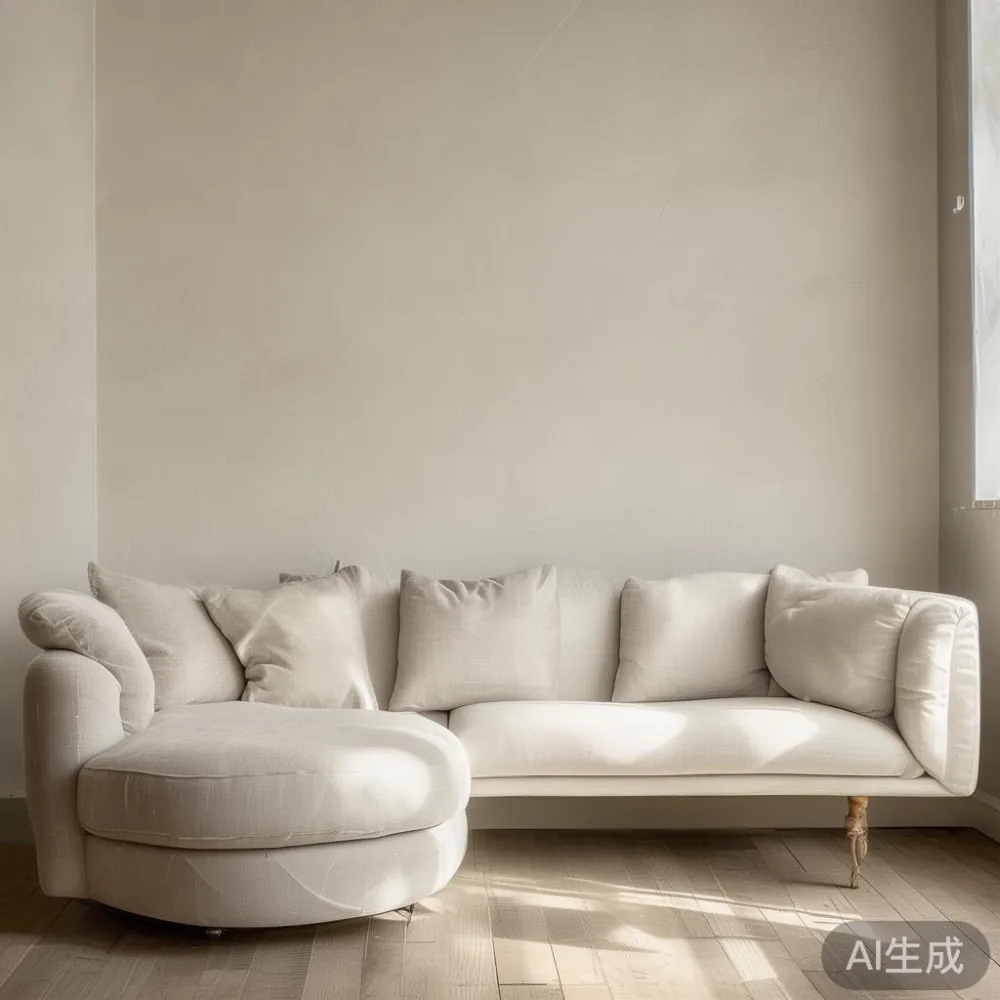
What Exactly is Lacquer and Why Does Singapore's Climate Affect It?
Lacquer is a clear, hard, protective coating applied over wood to create a durable, glossy finish. It's what gives a solid wood sofa or a marble table its sleek, reflective appearance. This finish is achieved through a meticulous process of multiple layers, each sanded and polished to perfection. While incredibly durable under normal conditions, lacquer is sensitive to extreme environmental changes. In Singapore, the high humidity levels mean the air is saturated with moisture. This constant exposure can cause the wood beneath the lacquer to expand and contract slightly over time. If the lacquer layer is not perfectly adhered or if the wood movement is too severe, it can lead to problems like white haze, cloudiness, or even peeling. The heat accelerates this process, making the wood more porous and susceptible to absorbing moisture. Understanding this dynamic is the first step in preventing damage to your beloved chaise lounge.
How Can I Prevent White Haze from Forming on My Lacquered Chaise Lounge?
White haze, or blooming, is one of the most common issues with lacquered furniture in humid climates. It appears as a cloudy, white film on the surface, obscuring the wood's natural beauty and the lacquer's shine. This occurs when moisture gets trapped beneath the finish and causes the lacquer to become cloudy. The solution lies in prevention. The first line of defence is placement. Avoid positioning your chaise lounge directly in front of an air-conditioning vent or a fan. While the cool air feels good, the rapid temperature drop can cause condensation to form on the furniture's surface. Similarly, do not place it in direct sunlight for prolonged periods, as the intense heat can soften the lacquer, making it more vulnerable to moisture damage.
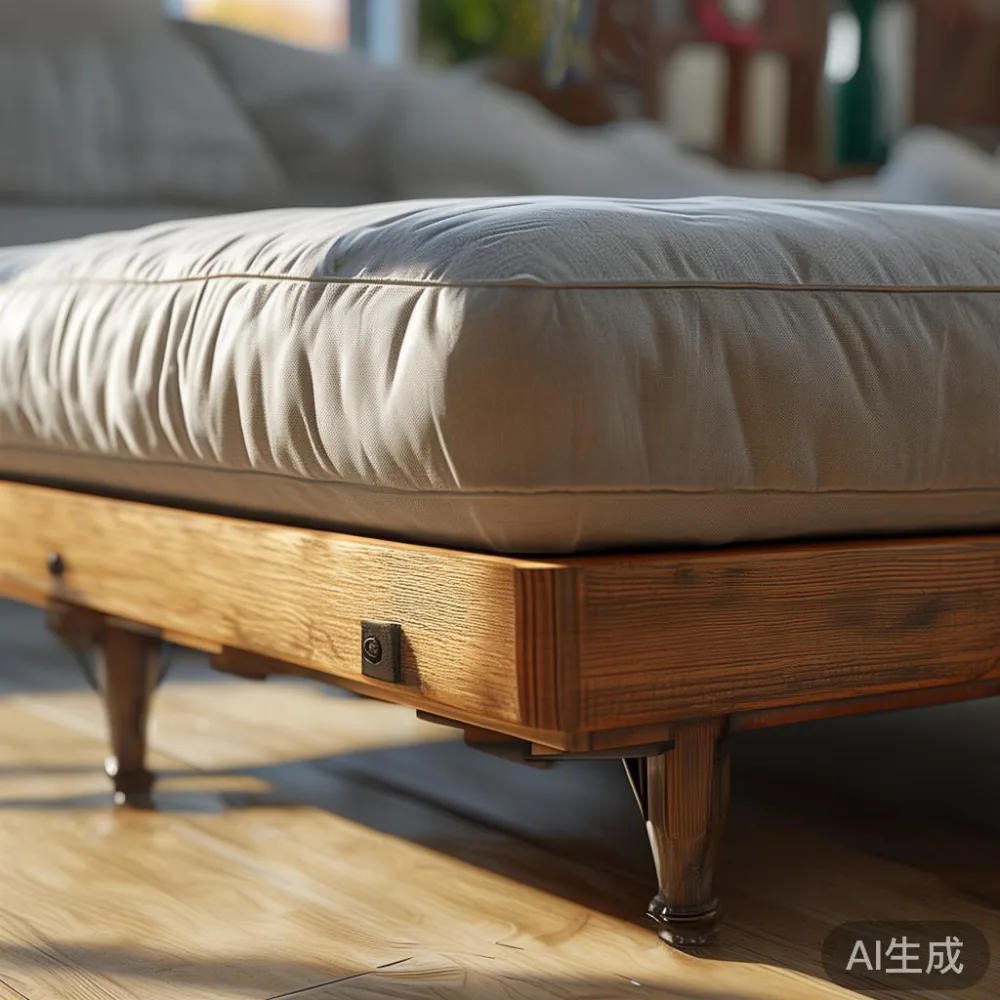
Controlling the immediate environment around your chaise lounge is key. A dehumidifier can be a worthwhile investment, especially for homes in older estates like Bedok where ventilation might be less efficient. Running a dehumidifier in the same room as the chaise lounge for a few hours a day can significantly reduce the ambient moisture level. If you don't own a dehumidifier, simply keeping the room well-ventilated by opening windows during the cooler, less humid parts of the day can make a noticeable difference. For those with a modern light luxury sideboard or other fine furniture in the same room, maintaining consistent humidity levels benefits all your pieces. Think of it as creating a micro-climate for your furniture, protecting it from the extremes of Singapore's weather.
What is the Correct Way to Clean and Polish a Lacquered Surface?
Regular cleaning is important, but improper cleaning can do more harm than good. The golden rule is to always use a soft, lint-free cloth, such as a microfiber cloth, for dusting and wiping. Never use a dry cloth, as abrasive dust particles can scratch the delicate lacquer surface. Instead, lightly dampen the cloth with distilled water. Tap water contains minerals that can leave behind streaks or spots on the finish. Gently wipe the surface in the direction of the wood grain. For tougher spots or fingerprints, a specialized furniture polish for lacquered surfaces is recommended. These polishes are formulated to clean without stripping the protective layer. Apply a small amount to the cloth, not directly onto the furniture, and buff gently to restore the shine. Remember, less is more. Over-polishing can lead to a buildup of product that dulls the finish over time. My colleague, who manages the showroom in our Foshan factory, last month tested a new brand of polish and found that a single, light pass was all that was needed to bring a chaise lounge back to life without any residue.
Can I Use DIY Home Remedies to Repair Minor Lacquer Damage?
The temptation to use common household items like toothpaste or baking soda to fix a small scratch is understandable, but it is a mistake you should avoid. These products are too abrasive and will permanently damage the smooth, reflective surface of the lacquer. They will create fine micro-scratches that will collect dust and make the finish look dull and hazy over time. For minor scratches, the best approach is to use a high-quality scratch repair pen or stick specifically designed for lacquered furniture. These products contain a small amount of coloured lacquer that you can carefully buff into the scratch. The key is to apply it sparingly and use a soft cloth to blend it in. For more significant damage, such as a deep scratch or a chip, professional repair is the only safe option. Attempting a DIY fix often results in a messy, uneven patch that is far worse than the original problem. A professional furniture restorer has the tools and expertise to repair the damage smoothly, preserving the integrity and value of your piece.
How Do I Protect My Chaise Lounge When Moving or Renovating?
Whether you are moving to a new condo in Tampines or simply renovating your current flat, protecting your lacquered chaise lounge is paramount. The dust from sanding, paint fumes, and the general chaos of moving can all pose a threat. Before any work begins, move the chaise lounge to a different room, preferably one that can be sealed off. If this isn't possible, cover it completely with a thick, soft blanket or a dedicated furniture cover. Secure the cover with tape, but ensure the tape does not touch the lacquered surface, as the adhesive can leave a residue that is difficult to remove. During the move, the chaise lounge should be wrapped in several layers of bubble wrap or moving blankets and secured with packing tape. Pay special attention to the corners and legs, as these are the most vulnerable points. When loading it into a moving truck, place it on its side or back, never on its legs, to prevent the frame from flexing and the lacquer from cracking. For those who have purchased a wholesale Mid-century modern furniture piece like a chaise lounge, proper moving care is a non-negotiable part of protecting your investment.
Should I Worry About Sunlight Fading My Lacquered Finish Over Time?
Absolutely. Prolonged exposure to direct sunlight is one of the fastest ways to degrade a lacquered finish. The UV rays in sunlight break down the polymers in the lacquer, causing it to become brittle, yellow, and eventually lose its shine. This is true for any lacquered piece, from a solid wood sofa to a marble table. To prevent this, position your chaise lounge away from windows that receive direct sun for most of the day. If this is not possible due to your room layout, invest in high-quality, UV-blocking window film. This film can block up to 99% of harmful UV rays while still allowing natural light to filter through. For an extra layer of protection, consider using sheer curtains that can be drawn during the brightest parts of the day. These simple steps can add years to the life and beauty of your chaise lounge's finish. Protecting it from the sun is just as important as protecting it from humidity. A chaise lounge should be a long-term investment, and proper care ensures it remains a beautiful part of your home for decades.
Is a Lacquered Chaise Lounge Worth the Extra Maintenance Effort?
This is a question many homeowners ask when faced with the choice between a lacquered finish and a more forgiving one like oil or wax. The answer lies in the aesthetic appeal. The mirror-like, deep gloss of a well-maintained lacquered finish is unmatched. It has a certain elegance and sophistication that defines French light luxury. It reflects light beautifully, making a room feel larger and more airy. This is a quality that cannot be replicated by other finishes. For those who appreciate the finer details and are willing to invest a little extra time in care, the result is a truly stunning piece of furniture. A chaise lounge with a perfect lacquer finish is a centrepiece, a conversation starter, and a source of daily enjoyment. The maintenance required is not overly burdensome; it's more about mindful habits than intensive work. For the homeowner who values aesthetics above all else, a lacquered chaise lounge is unequivocally worth the effort. The question is less about the maintenance and more about the value you place on having a piece that looks as good as new year after year.
What Should I Consider Before Buying a Lacquered Chaise Lounge for My Singapore Home?
Before you commit to purchasing a lacquered chaise lounge, there are several practical considerations specific to the Singaporean context to keep in mind. First, measure your space meticulously. In a Singapore HDB flat, the width of your corridor or lift can be a limiting factor. A standard chaise lounge is approximately 180 cm long and 80 cm wide. You need to ensure it can be manoeuvred through your doorways and hallways without issue. Second, consider the material. While solid wood is the traditional choice for lacquer, some modern pieces use a high-density MDF base. Solid wood offers better durability and a more authentic feel, but it is also more susceptible to the effects of humidity. Ask the supplier about the wood's treatment process to ensure it is stable enough for Singapore's climate.
When making your purchase, always inquire about the warranty and after-sales services. A reputable manufacturer will stand by their product. For example, some brands offer a 10-year structural warranty and a lifetime refinishing service, which provides great peace of mind. Also, check their delivery policy. Free shipping for orders over SGD 1,500 is a common offer, but confirm the delivery timeframe. A reliable company will provide a delivery window of 7 to 14 business days. Finally, understand the return policy. A 14-day return policy allows you to inspect the piece thoroughly upon arrival to ensure it arrives in perfect condition. When you find the right piece, perhaps a chaise lounge that complements your existing light luxury coffee table, it becomes more than furniture—it becomes a part of your home's story.